

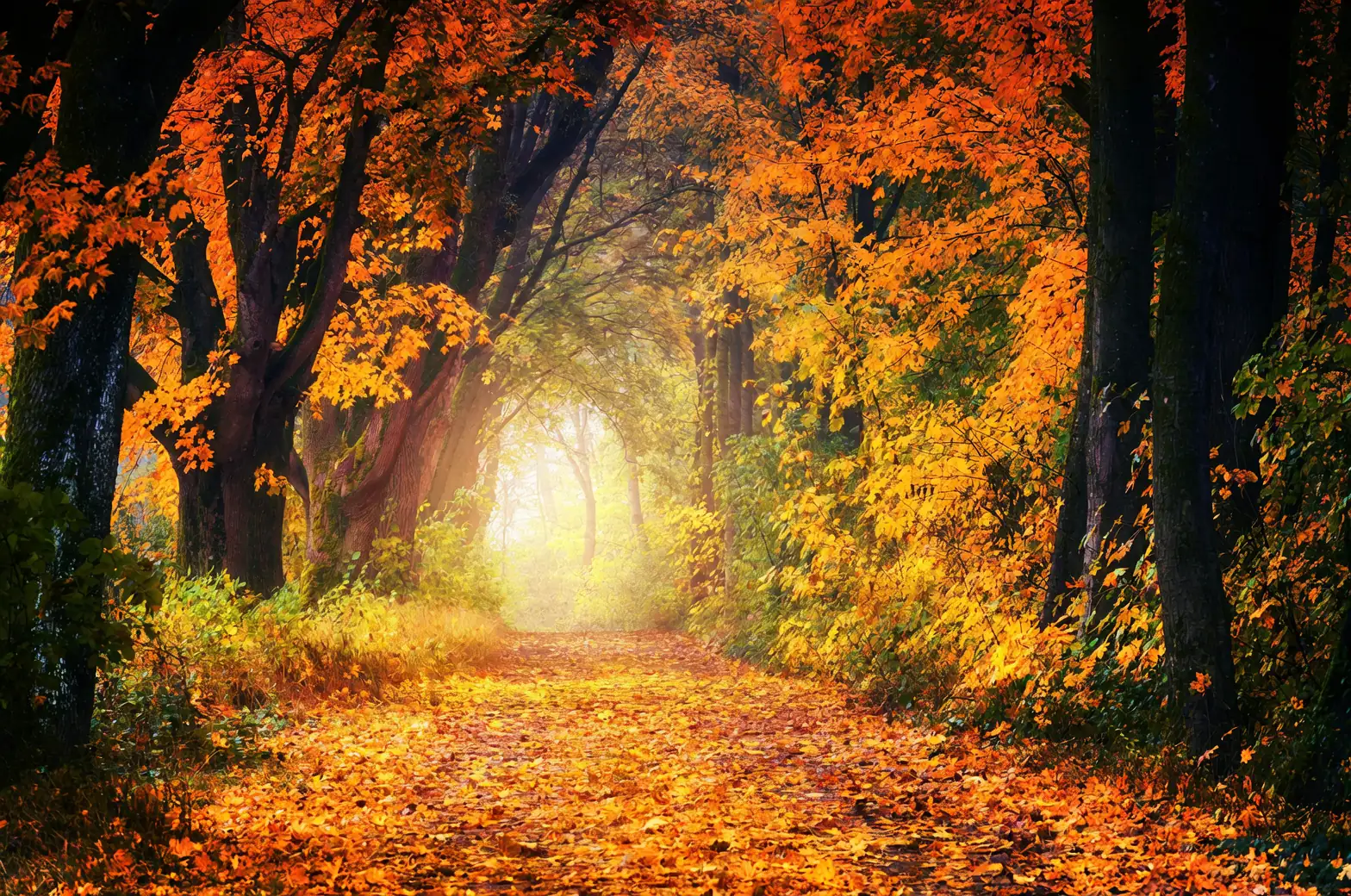
As the crispness of fall air begins to make its presence known, it’s time to rethink how we care for our green companions, both indoors and out. Whether you’re a seasoned gardener or just getting started with your leafy friends, understanding the distinctions between indoor and outdoor plant care during fall can make all the difference in keeping them thriving. Let’s dig into the essentials and explore how to cater to the unique needs of both worlds.
The Light Factor: From Sunlit Gardens to Cozy Corners
Indoor Plants: Harnessing Light Indoors
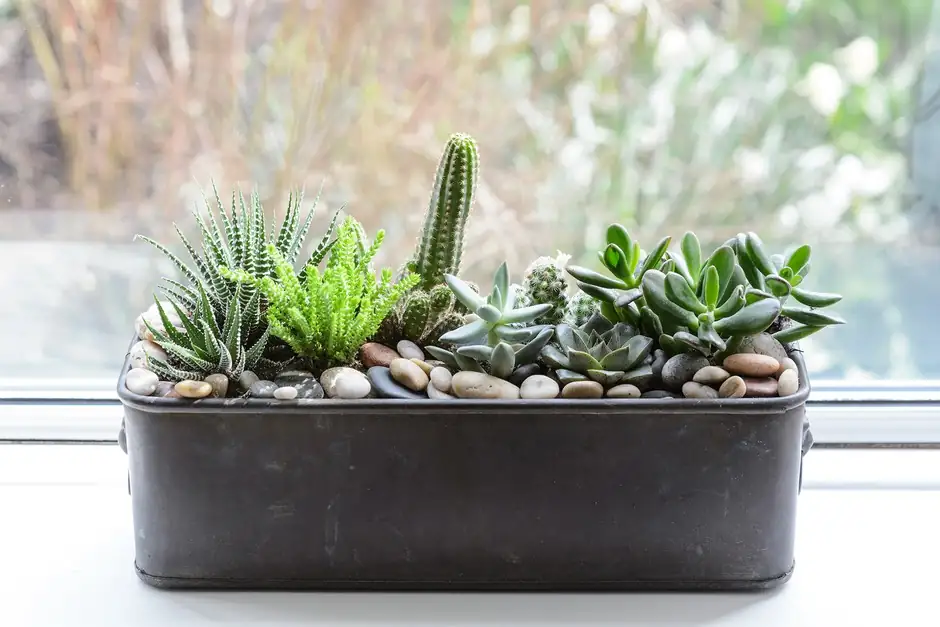
As daylight dwindles, your indoor plants might miss the summer sun. If your space is blessed with natural light, position plants like succulents and cacti near south-facing windows. For those in dimmer homes, consider investing in LED grow lights to mimic sunlight and keep your foliage lush and vibrant. Rotate your plants every now and then, ensuring they receive even light exposure.
Outdoor Plants: Adapting to Less Sunlight
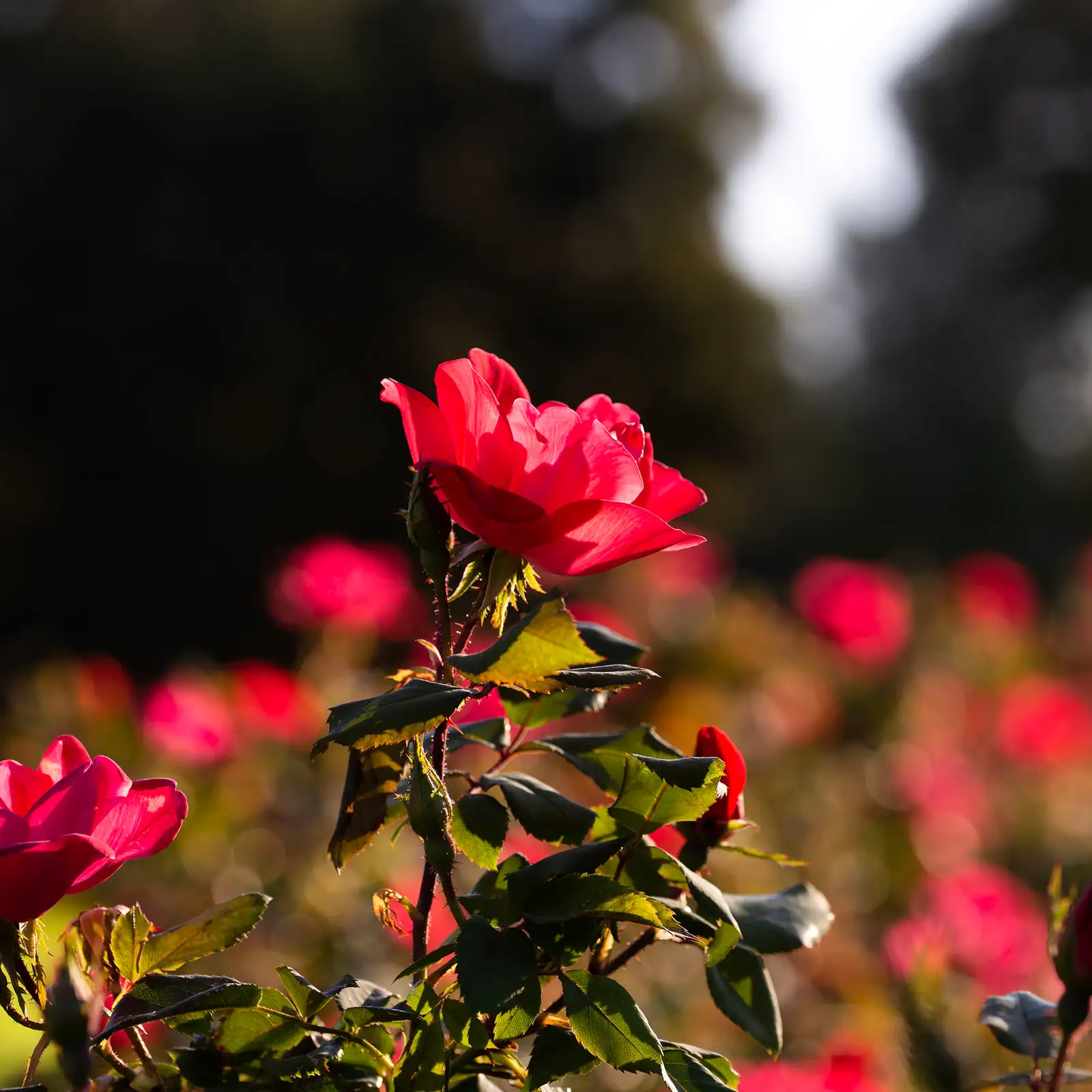
Outdoor plants often deal with fluctuating sunlight as days shorten. Observe your garden’s light patterns to ensure sun-loving plants, like roses or lavender, remain in the brightest spots. Conversely, shade-tolerant varieties such as ferns can enjoy the cooler, less sunny areas that fall brings.
Watering Wisdom: Adjusting to Seasonal Needs
Indoor Plants: Mindful Moisture Management
Fall typically means less frequent watering for indoor plants. As temperatures drop, the soil retains moisture longer. Check the top inch of soil; if it feels dry, it’s time to water. Overwatering is a common issue, especially with tropical plants like peace lilies, so ensure pots have good drainage.
Outdoor Plants: Preparing for Dormancy
Most outdoor plants will start preparing for winter dormancy. Reduce watering gradually, allowing plants like perennials to slowly enter their resting phase. Be cautious not to overwater; fall rains often suffice. For potted outdoor plants, ensure they don’t become waterlogged by elevating pots or ensuring drainage holes are clear.
Temperature Transitions: Creating Comfort Zones
Indoor Plants: Keeping It Cozy
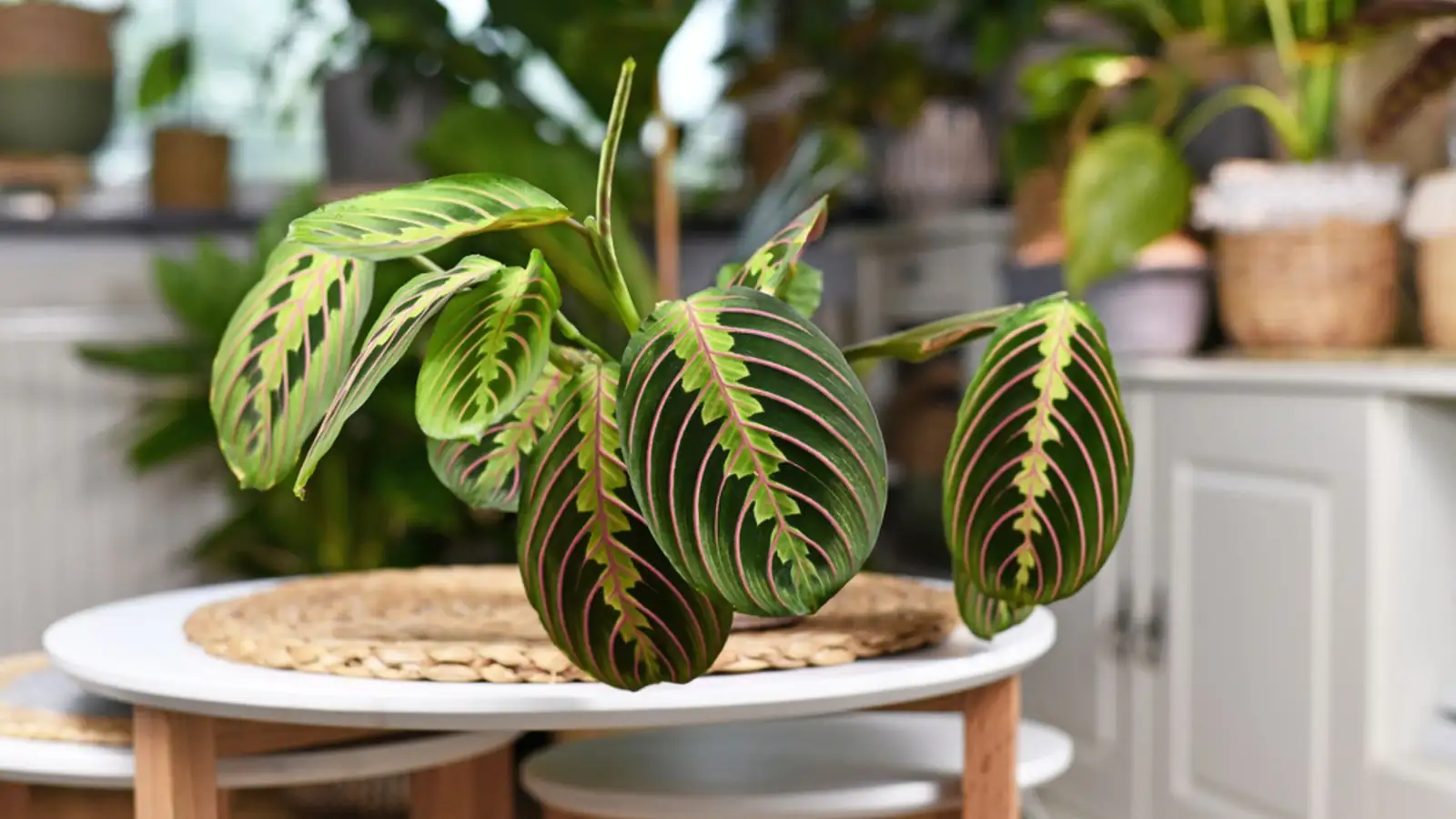
Indoor plants, especially those of tropical origin, prefer stable temperatures. Keep them away from drafty windows or heating vents that can cause temperature fluctuations. Maintaining a consistent environment helps prevent stress and keeps them healthy.
Outdoor Plants: Handling Frost and Chill
As frost becomes a concern, consider bringing sensitive outdoor plants inside, like geraniums or tropical hibiscus. For plants staying outside, mulch can provide insulation and protect roots from the cold. Covering them with fabric during frosts can also offer extra protection.
Soil and Nutrient Needs: Feeding for Growth and Rest
Indoor Plants: Balancing Nutrients
With growth slowing, indoor plants require less fertilization. A mild feed every 6-8 weeks is usually sufficient during fall. Focus on maintaining healthy soil with periodic checks and adjustments.
Outdoor Plants: Nutrient Cutbacks
Outdoor plants, particularly those entering dormancy, need minimal feeding in fall. Composting or mulching with organic matter can help enrich the soil for the coming spring while reducing the feeding frequency.
Conclusion: Tailoring Care for Optimal Growth
Caring for indoor and outdoor plants in the fall requires attention to their evolving needs. By adjusting light, water, temperature, and nutrients, you can ensure your plants not only survive but thrive during the seasonal transition. Whether you’ve got a jungle in your living room or a blooming garden out back, understanding these nuanced differences will keep your plant pals happy and healthy all year round. Happy gardening!


