

Discover the Culinary Charm of Common Mallow
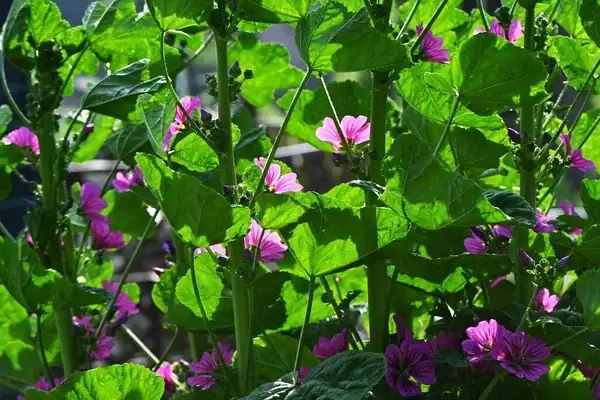
Imagine strolling through a sun-kissed meadow, where vibrant rose-purple blossoms sway gently in the breeze. This picturesque plant, known as Common Mallow (Malva sylvestris), might just be the unsung hero of your next culinary adventure. Long cherished for its ornamental beauty, this easy-to-grow flowering plant also boasts a treasure trove of edible delights.
A Taste of Tradition
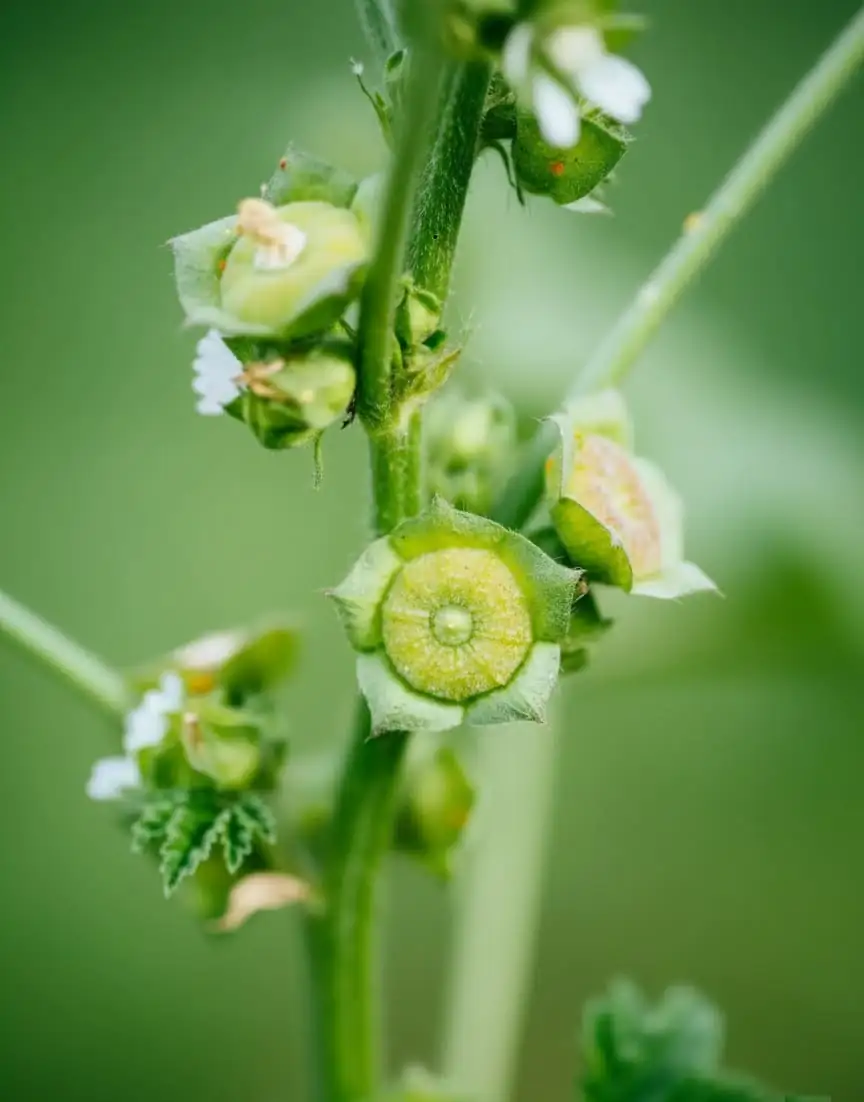
Native to Europe, western Asia, and the Mediterranean, Common Mallow has been appreciated since ancient times for both its soothing medicinal qualities and its place in the kitchen. Often referred to as “Blue Mallow” or “Cheeseweed” due to its round seed pods resembling tiny wheels of cheese, this plant is packed with nutrients and culinary potential.
Edible Elegance: Leaves and Flowers
Common Mallow offers a delightful array of edible parts that can be seamlessly incorporated into various dishes:
- Leaves: Young, tender leaves are akin to spinach and can be enjoyed raw in salads or cooked. Try them sautéed with garlic and olive oil for a nutritious side dish or add them to soups to act as a natural thickener.
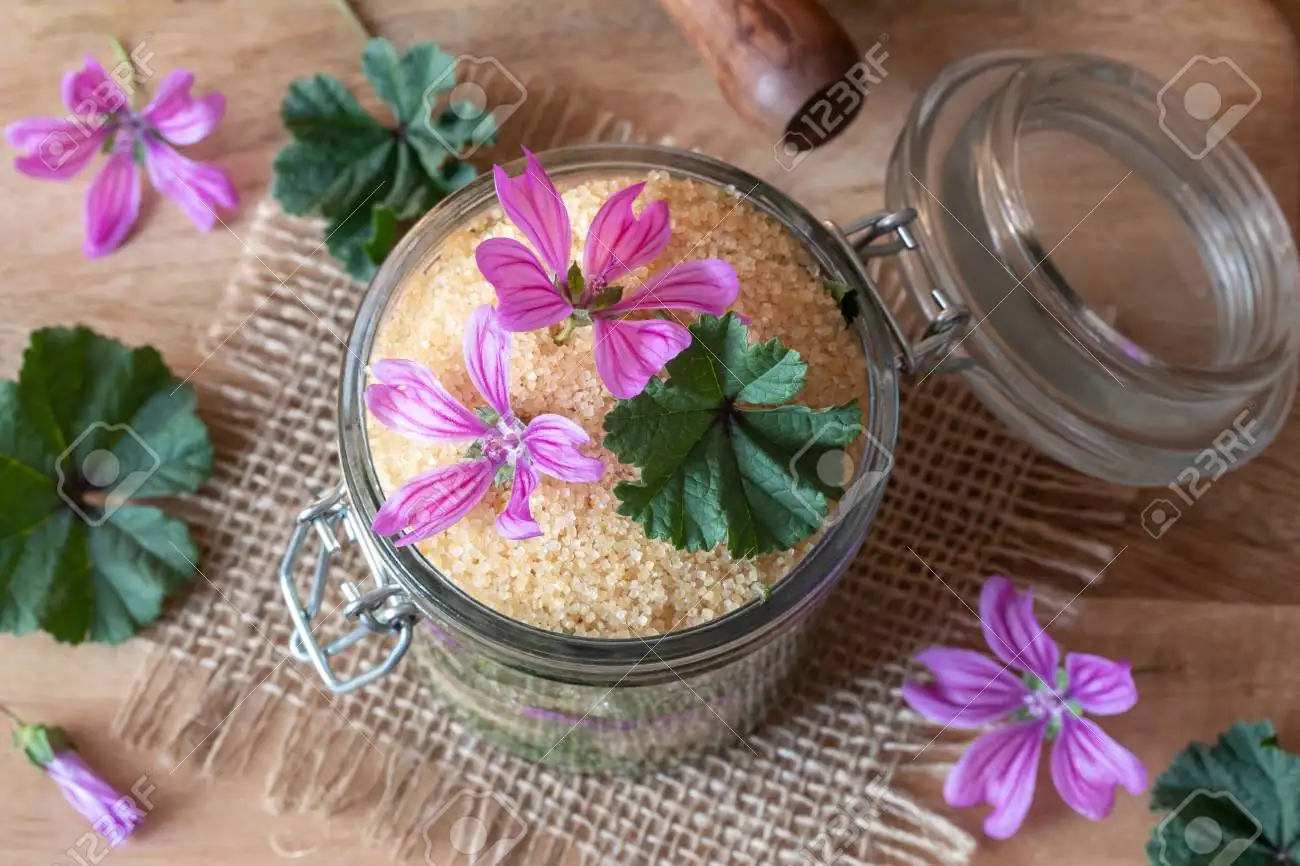
- Flowers: These showy blooms are more than just eye candy. Scatter the petals over salads for a splash of color or use them to garnish desserts. Their subtle flavor makes them perfect for infusing into drinks or syrups.
- Seeds: The little ‘cheeses’ can be eaten raw as a snack or added to dishes for a nutty flavor.
Culinary Creativity: Recipes to Try
Ready to surprise your taste buds? Here are some delightful recipes featuring Common Mallow:
Mallow and Wild Herb Frittata
Ingredients:
- 1 cup young mallow leaves, chopped
- 6 eggs
- 1/4 cup feta cheese, crumbled
- 2 tbsp olive oil
- Salt and pepper to taste
Instructions:
- In a skillet, heat olive oil over medium heat. Add mallow leaves and sauté until wilted.
- In a bowl, whisk eggs, then stir in the sautéed mallow and feta cheese.
- Pour the mixture back into the skillet. Cook over low heat until the eggs set.
- Season with salt and pepper and serve warm.
Mallow Flower Syrup
Ingredients:
- 1 cup mallow flowers
- 2 cups sugar
- 2 cups water
- Juice of one lemon
Instructions:
- Combine sugar and water in a saucepan over medium heat, stirring until the sugar dissolves.
- Add mallow flowers and lemon juice, simmering for 10 minutes.
- Strain the mixture to remove flowers, and cool the syrup.
- Use this floral syrup to sweeten teas or drizzle over desserts.
Tips for Harvesting and Using Common Mallow
- Harvesting: Pick young leaves and flowers for the best flavor and texture. Be sure to harvest from areas free of pesticides.
- Storage: Keep leaves in a damp cloth in the fridge, and use them within a few days. Flowers can be used fresh or dried for later use.
- Cooking Tip: The mucilaginous quality of mallow leaves makes them an excellent thickening agent for soups and stews.
The Symbolic Side of Mallow
In the language of flowers, mallow represents love, protection, and healing. This symbolism dates back to Victorian times when mallow might have been used to convey an unspoken message of being “consumed by love.” Its soothing nature and historical medicinal use only enhance its reputation as a guardian of well-being.
Embrace the Mallow Revolution
Whether you’re a seasoned forager or a curious cook, Common Mallow invites you to explore its culinary versatility. Its ability to thrive in various conditions, combined with its edible allure, makes it an exciting addition to any food lover’s repertoire. So next time you’re in the garden or at a farmer’s market, keep an eye out for this charming plant and let it inspire your next dish!


