

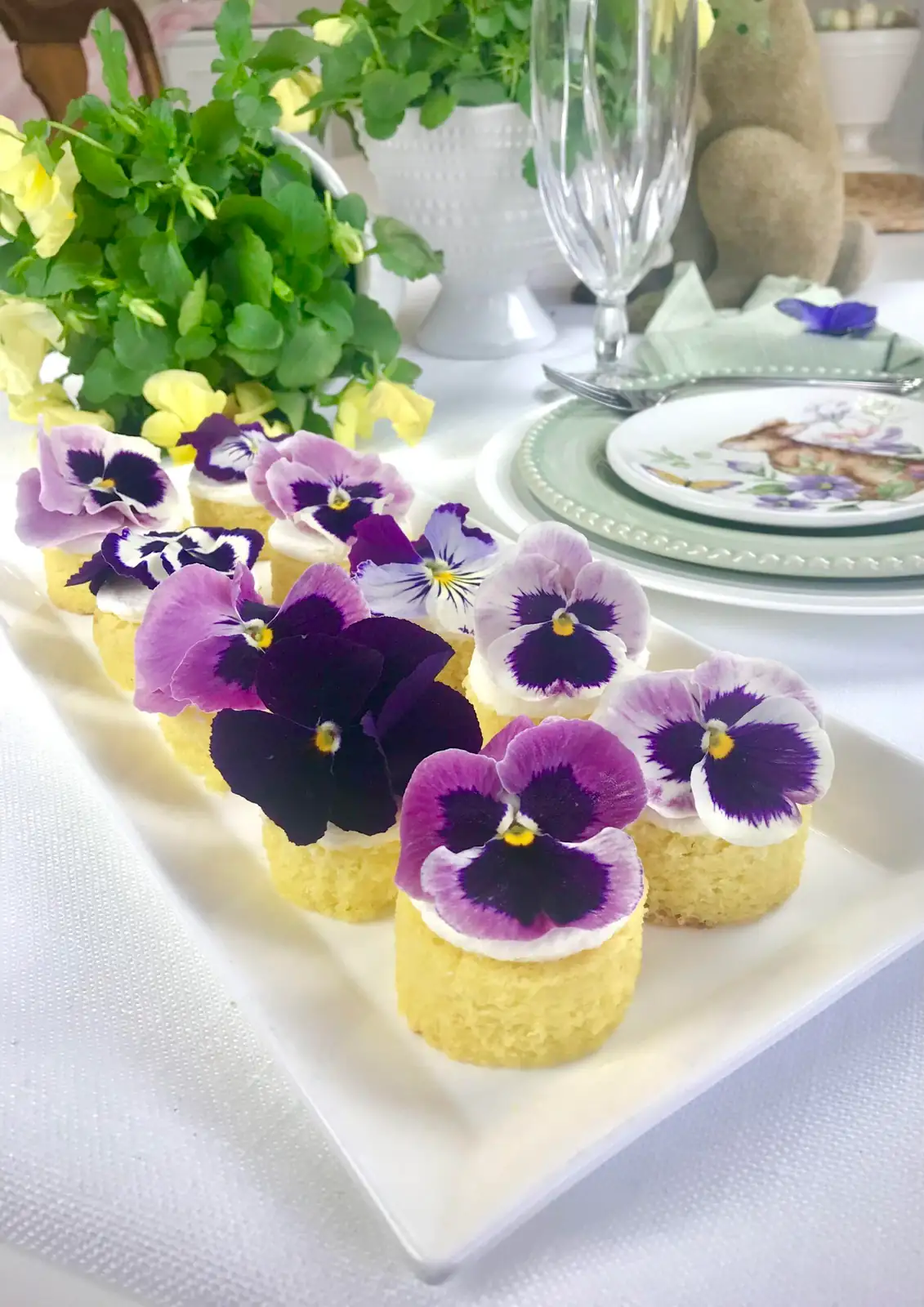
Pansies are the cheerful little “faces” you can eat—if you grow and handle them right. Viola × wittrockiana is a cool-season star with velvety blooms in every color mood: lemon and plum, snow and sky, deep ink and sunset ombré. They’re mild in flavor, subtly green and slightly sweet, making them perfect for salads, desserts, and dainty cocktail toppers. Below, a complete, kitchen-safe guide to grow pesticide-free pansies, pick them at their peak, candy the blooms, and plate them like a chef—plus how to store your treasures and quick garnish ideas you’ll actually use tonight.
Meet your edible pansy (Viola × wittrockiana)
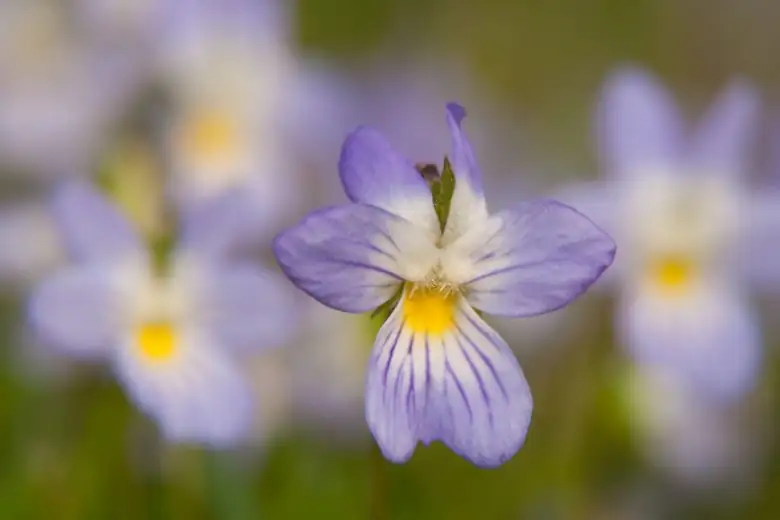
- Family: Violaceae; Genus: Viola
- Habit: Compact clumps, typically 15–25 cm tall and 15–30 cm wide
- Flowers: 4–6.5 cm across, often bicolored with that classic “face”
- Season: Peak in spring and fall; can carry on in mild winters
- Taste: Light, fresh, gently floral/green (use as an accent, not a main course)
Note: Pansies were bred in Northern Europe from species including Viola tricolor (wild pansy/heartsease), a close relative that’s also commonly used as an edible. Techniques below work beautifully for both.
Grow your own pesticide‑free blooms
Growing your own is the best way to ensure flowers are food-safe. Many ornamentals from florists or big-box nurseries may be treated with chemicals not labeled for edibles.
Start smart
- From seed: Sow 8–12 weeks before transplanting for spring, or in early autumn for fall/winter bloom. Germinate in the dark at a cool 13–16°C; expect sprouts in ~2 weeks and flowers in ~14–16 weeks.
- From plants: Choose compact, well-branched starts with dense green foliage and lots of buds. Avoid yellowing leaves, mushy stems, spots, or pests. Ask your grower to confirm no systemic insecticides were used.
Site and soil
- Light: Full sun to partial shade; aim for ~6 hours. In warm climates, give afternoon shade to prevent heat stress.
- Temperature sweet spot: 10–20°C for bloom. Growth is steady around 7–15°C. Sustained heat above ~25°C slows bud production.
- Soil: Fertile, humus-rich, and well-drained; keep evenly moist. Slightly acidic is ideal. In containers, use a peat-based mix with excellent drainage.
Planting and spacing
- Beds/containers: Space ~15–20 cm for compact types; give trailing forms more room.
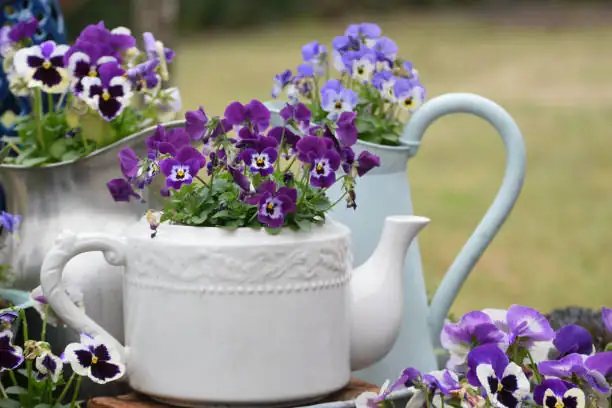
- Containers: Ensure drainage holes. As a guide, one plant in a 10 cm pot; larger pots/baskets for mixed plantings.
Water and feed (edible-safe approach)
- Water: Keep soil evenly moist, never waterlogged. Water at soil level (not over the flowers) to reduce disease.
- Feed: At planting, a light slow-release fertilizer helps. During active growth, feed monthly with a balanced fertilizer, or every 2 weeks at half strength. Once budding, lean toward bloom support (more P/K) and go easy on nitrogen.
Keep them healthy without pesticides
- Airflow: Space well and avoid crowding to deter mildew and rot.
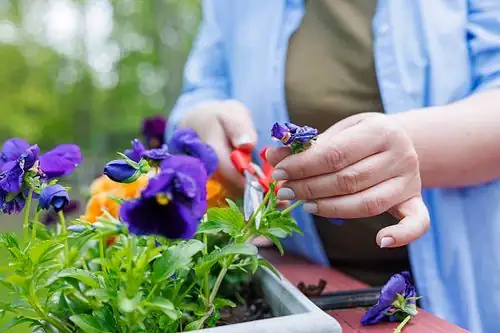
- Deadhead: Pinch off spent blooms (flower plus stem) to keep flowers coming.
- Heat care: In midsummer, many pansies pause—prioritize shade and steady moisture rather than “more water.”
- Gentle pest controls:
- Aphids: Rinse off with a firm water spray; follow with insecticidal soap if needed.
- Slugs/snails: Hand-pick, use copper tape around pots, or set simple traps.
- Spider mites: Improve humidity and airflow; rinse foliage; use insecticidal soap.
- Rabbits: Use low fencing or covers.
- Disease watch: Powdery/downy mildews, leaf spots, rust, anthracnose, gray mold, and root rot thrive in soggy, stagnant conditions. Water early, at the base; remove infected parts promptly.
Overwintering
- Often grown as cool-season annuals. Many cultivars handle light frosts; damage can occur around -5°C, especially with prolonged cold. In mild regions (roughly USDA Zones 6–10), they commonly overwinter with protection.
Harvest like a chef: pick at peak
- Timing: Morning is best—after dew dries, before heat wilts petals.
- Selection: Choose just-opened, unblemished flowers with vivid color and firm petals. Skip anything faded or ragged.
- How to cut: Snip with clean scissors, leaving a short stem “handle” if you intend to candy them.
- Cleaning: Gently dip or rinse in cool water to remove dust or tiny insects. Pat dry on a towel—wet petals won’t candy well.
- Taste check: Pansies are mild, but if any bloom tastes bitter at the white petal base, pinch that bit off.
Candying pansies, step by step
Crystallized pansies turn simple cakes and cookies into patisserie-level treats—and they keep longer than fresh petals.
You’ll need
- Fresh, pesticide-free pansy blooms (or their smaller viola cousins)
- 1 pasteurized egg white, lightly whisked with 1 tsp water
- Vegan option: aquafaba (the liquid from canned chickpeas), whisked to loosen
- Optional aroma: a splash of orange liqueur (like Cointreau) to scent and mask egg notes
- Superfine sugar (caster sugar coats most evenly)
- Small paintbrush or pastry brush, tweezers
- Wire rack or parchment-lined tray
Method

- Prep: Make sure flowers are clean and dry. Set up a rack in a low-humidity spot.
- Paint: Holding the bloom by its stem or with tweezers, lightly brush egg white (or aquafaba) on both sides of each petal and the center. Aim for a thin, even coat—no puddles.
- Sugar: Sprinkle with superfine sugar until fully coated. Tap gently to remove excess.
- Dry: Place on a rack and let dry until crisp, 12–24 hours depending on humidity.
- Store: Layer between parchment in an airtight container with a little extra sugar to absorb moisture. Keep in a cool, dry place (not the fridge). Best within 5–10 days.
Pro tip: Humidity is the enemy. If they soften, re-crisp in a barely warm oven (60–75°C) for 10–15 minutes, then cool completely before storing.
Plate like a chef: composition, color, and flavor
- Compose with intention
- Use odd numbers (3, 5, 7) for natural balance.
- Cluster some blooms and scatter a few petals as “confetti” to lead the eye.
- Face those little “smiles” upward; tuck a few half-hidden near edges for depth.
- Color play
- Echo a bloom color with fruit (blue pansies + blueberries), sauces (lemon curd for yellow), or tableware.
- Contrast boldly: violet blooms on pale frosting, or yellow on dark chocolate.
- Flavor harmony
- Sweet: Pair with citrus, vanilla, almond, berries, honey, whipped cream, panna cotta, pavlova.
- Savory: Goat cheese crostini, spring salads, deviled eggs, chilled soups, sushi bites.
- Timing: Add fresh or candied flowers at the very end so heat and steam don’t wilt them.
Storage and make‑ahead tips
- Fresh flowers
- Short-term: Arrange in a single layer on a paper towel lightly misted with water, cover with another towel, then seal in a container. Refrigerate. Best within 2–4 days.
- Quick revive: Float limp blooms in ice water for 5–10 minutes, then pat dry.
- Candied flowers
- Store fully dried candies in airtight containers at room temperature, layered with parchment and a spoonful of sugar or a food-safe desiccant. Use within 1 week for best texture.
- Freezer fun
- Freeze whole blooms or petals into ice cubes for sparkling water, lemonade, or cocktails.
- Pantry accents
- Pansy sugar: Pulse dry petals with sugar; let dry; use for rimming glasses or sprinkling on cookies.
- Petal butter: Fold finely chopped petals into softened unsalted butter with a pinch of salt; chill, then slice into coins.
Quick garnish ideas you’ll actually use
- Scatter whole blooms over a berry-topped cheesecake or lemon bars.
- Tuck candied pansies into cupcake frosting for instant bakery charm.
- Float a single bloom in a coupe of sparkling wine or lemonade.
- Press petals onto rolled shortbread before baking for stained-glass cookies.
- Top goat cheese crostini with a bloom and drizzle of honey.
- Sprinkle over spring salads with toasted pistachios and citrus segments.
- Dot chilled soups (cucumber, pea) with petals and a swirl of crème fraîche.
- Freeze into clear ice cubes for party pitchers.
- Rim cocktail glasses with pansy sugar; garnish with a matching bloom.
- Finish deviled eggs with a tiny petal cluster and chive tips.
- Layer petals into rice-paper spring rolls for a show-stopping cross-section.
Safety notes for edible flowers
- Positive ID only: Use Viola × wittrockiana (garden pansy) or its close viola relatives you can confidently identify.
- Pesticide-free is non-negotiable: Never use florist flowers or plants treated with ornamental-only chemicals. Grow your own or buy from trusted edible-flower growers.
- Moderation: Pansies have generally low toxicity and are widely used as garnishes, but eating large amounts may cause mild stomach upset in people or pets.
- Pets and kids: Supervise curious nibblers. Keep pesticide-treated ornamental plants out of reach and out of the kitchen.
A tiny detour into flower language (and why it fits the plate)
“Pansy” comes from the French pensée—“thought”—which is why these blooms long symbolized remembrance and thoughtful affection. In Victorian floriography, they sometimes hinted at secret or unspoken love, an idea echoed in literature (Shakespeare’s “love-in-idleness”). Plating with pansies can be a playful nod to this history: a dessert that literally says “I’m thinking of you.”
Seasonal cheat sheet
- Sow: Late summer/early fall for fall–winter color; late winter for spring.
- Transplant: As soon as the weather settles cool and bright.
- Peak harvest: Spring to early summer, and again in fall; in mild winters, they keep going.
- Care rhythm:
- Spring: Bright light, steady moisture, light feeding, and frequent deadheading.
- Summer: Afternoon shade, airflow, careful watering; many plants rest in heat.
- Fall: Prime planting time with lush bloom as temperatures drop.
- Winter (mild climates): Keep bright and protected; containers are more cold-vulnerable than beds.
With a tray of pesticide-free blooms, a dish of superfine sugar, and a steady little brush, you can turn garden color into edible jewels. Grow wisely, harvest gently, candy patiently—and your plates will smile back at you.


