

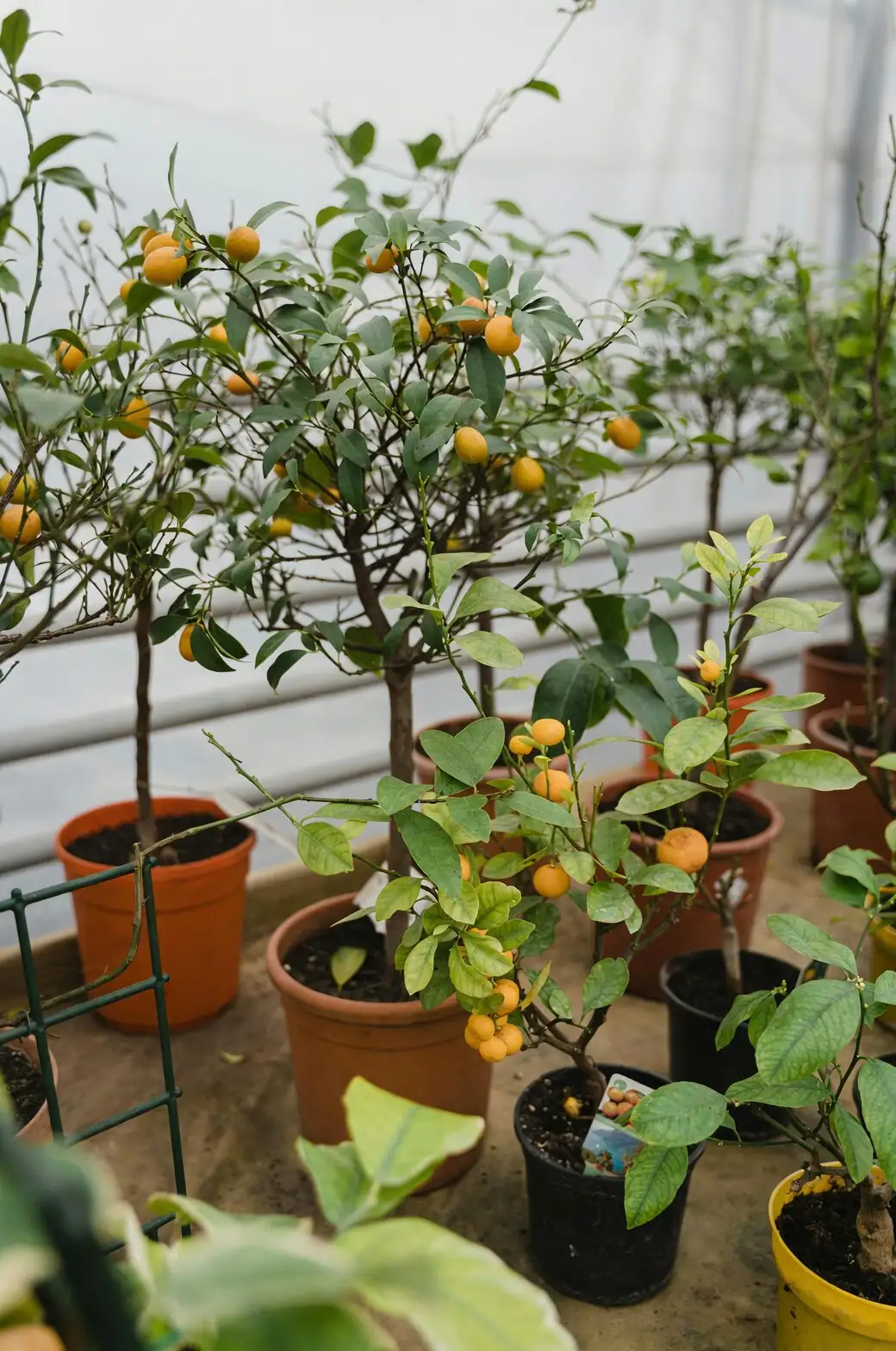
Think of a houseplant that dresses itself in tiny lanterns just when the days get short. That’s Citrus japonica—kumquat—an evergreen charmer whose fruits color up right in autumn–winter and often glow through Lunar New Year. Better yet, you eat them whole. Yes, peel and all.
Meet Citrus japonica (kumquat)
- Family: Rutaceae (the citrus clan)
- Origin: China
- Also seen as: Fortunella japonica (older name), Nagami Kumquat, Oval Kumquat
- Habit: A compact, naturally bushy evergreen that loves pots and bright windows
- Size: About 1–3 m (3–10 ft) in the ground; commonly 0.6–1.5 m (2–5 ft) in containers
- Why people adore it: Glossy leaves, fragrant white blossoms, and cheerful golden-orange fruits that ripen just when the calendar needs color
Bite‑sized curiosities to make you a kumquat pro
Why the peel tastes sweet (and the pulp puckers)
- Peel = sweet: Kumquat rinds are thin and rich in aromatic citrus oils and natural sugars. Those oils read as “sweet” and floral on your palate, and the rind holds less acid than the juice.
- Pulp = tangy: The flesh is loaded with organic acids (especially citric), so it delivers that lively, mouth‑watering zing.
- Tasty trick: Warm the fruit in your palm and roll it gently to release peel oils, then pop it in whole for the sweet‑tart duet.
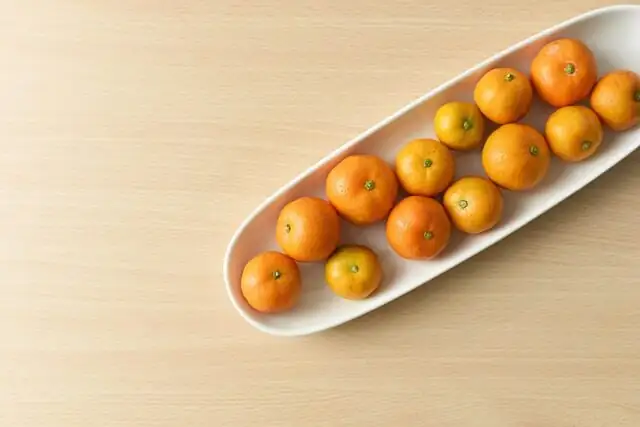
Autumn–winter ripening: nature’s holiday timing
- Season rhythm: Kumquats typically flower spring to summer. The fruits then color and persist from autumn into winter—often right through mid‑winter.
- Why it looks so good for so long: Cool, bright conditions help color develop while keeping fruits firm. Kumquats hold beautifully on the plant, making them classic festive display subjects around Lunar New Year.
- Keep the show going: Maintain strong light and avoid dramatic soil moisture swings; those big wet–dry jolts are the most common trigger for fruit drop.
The hand‑pollination hack for indoor trees
- Why it helps: Even though kumquats can set on their own, indoor air is still and pollinators are scarce. A quick hand‑pollination during bloom can notably boost fruit set.
- How to:
1) Choose a dry, bright part of the day when blossoms are open.
2) Use a soft artist’s brush or cotton swab to gently dust pollen from flower to flower.
3) Keep the room moderately humid and the plant in bright light; avoid misting flowers late in the day.
4) Provide gentle airflow (a small fan on low) to help pollen move.
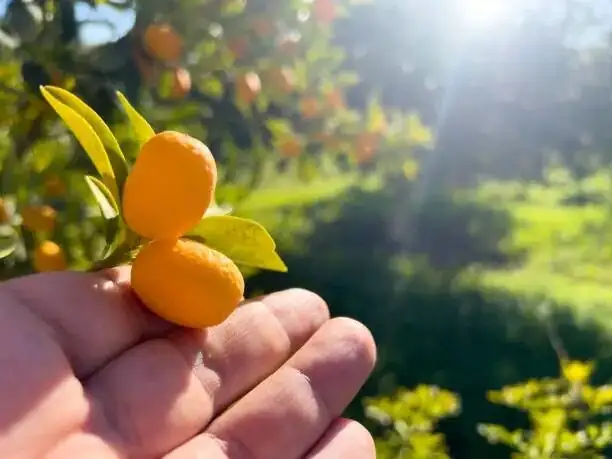
The grower’s secret “dry‑down” for flower buds
- What it is: A short, controlled water withholding in early summer that nudges the plant from leafy shoot growth toward forming flower buds.
- How to do it (without stress):
- For several days, let the top few centimeters (about an inch) of the potting mix dry before watering again. Keep leaves from wilting—this is a nudge, not a drought.
- Maintain bright light. Dial back lush nitrogen feeding during this window.
- Watch for swelling, lightening buds along shoots—your cue to resume normal watering and regular feeding.
- Why it works: That brief pause says “enough leaves, let’s set buds,” which often translates to better flowering and, later, a fuller autumn–winter fruit display.
The “persistent fruit display” quirk
- Kumquat fruits often hang for months once colored—one reason they star in holiday markets.
- To maximize hang time:
- Light: East or south window indoors; strong sun outdoors with a little midday protection in extreme heat.
- Moisture: Even, never soggy; avoid seesawing between very dry and very wet.
- Temperature: Aim for 20–25°C (68–77°F) in active growth; keep winter temps above 7°C (45°F). Protect from frost.
- Feeding: As fruits near full color, ease off fertilizer; stop once they’ve fully colored.
Light, temperature, and placement
- Sun: Bright light to full sun; best fruiting in strong light. In hot summers, give young fruits and leaves a touch of midday shade to prevent scorch.
- Temperature: Ideal growth at 20–25°C (68–77°F). For wintered pots, keep above 7°C (45°F). Brief dips near –2°C (28°F) may be tolerated in sheltered in‑ground settings, but protection is strongly recommended. Outdoors aligns roughly with USDA Zones 9–11.
- Humidity: Enjoys warm, moderately humid air—especially during bloom and fruit display. Indoors, occasional misting or a humidity tray helps, but avoid wetting flowers late in the day.
Watering and feeding, season by season
- Autumn–winter (main display)
- Water: Keep moisture steady; no dramatic swings.
- Light: Maximize.
- Air: Protect from cold drafts.
- Early spring
- Remove any lingering fruits.
- Repot and prune before the spring flush.
- Spring
- Water evenly; start feeding about every 2 weeks as buds and shoots break.
- Pinch new shoots for shape.
- Early summer
- Apply the brief, controlled dry‑down to encourage flower buds.
- Once buds swell and lighten, resume normal watering.
- Late summer–early autumn
- Give a stronger pre‑bloom feed to support flowering and fruit set.
- Fruit enlargement
- Feed roughly every 10 days, favoring higher phosphorus and potassium.
- Stop feeding as fruits reach full color and begin to ripen.
Pruning and training made easy
- Framework first: Maintain about three strong main branches.
- Productive wood: On each, keep 3–4 plump buds near the base to drive sturdy, fruitful growth.
- Pinching: When new shoots reach ~20 cm (8 in), pinch tips. Pinch again after 5–6 leaves to promote branching and fruiting wood.
- Discipline: Remove dead, weak, or unwanted shoots promptly—especially those late, out‑of‑season autumn shoots that siphon energy.
Potting mix, repotting, and right‑sizing
- Mix: A fertile, free‑draining citrus blend that holds some moisture without staying wet—think loam/compost or leaf mold with peat/coir plus coarse sand for aeration.
- Pot size: Many display plants thrive in 20–25 cm (8–10 in) pots. Step up gradually to avoid a large reservoir of wet mix.
- Schedule: Repot about every 2 years in early spring after removing any remaining fruits. If potting up after a graft has taken, keep the root ball intact to reduce shock.
Propagation notes
- Best route: Grafting (to preserve cultivar traits and speed up fruiting).
- Common rootstocks: Trifoliate orange, sour citrus types, seedling kumquat/citrus.
- Timing windows:
- Cleft/branch grafting: March–April
- Approach grafting: around June
- Bud grafting: June–September
- Seed is possible but slower and variable—great for curiosity, not for uniform results.
Pests, diseases, and quick saves
- Diseases to watch: Citrus canker, citrus scab
- Prevention: Good airflow, avoid late‑day wet foliage, promptly remove infected tissue.
- Control: Where permitted, copper‑based sprays (e.g., Bordeaux mixture) are traditional preventives; otherwise, use a labeled fungicide as directed.
- Pests: Spider mites and scale insects
- First response: Horticultural oil or insecticidal soap, applied thoroughly and repeated as needed.
- Escalate only if severe, using a product labeled for citrus and for indoor/outdoor conditions as appropriate.
Good to know: eating, safety, and symbolism
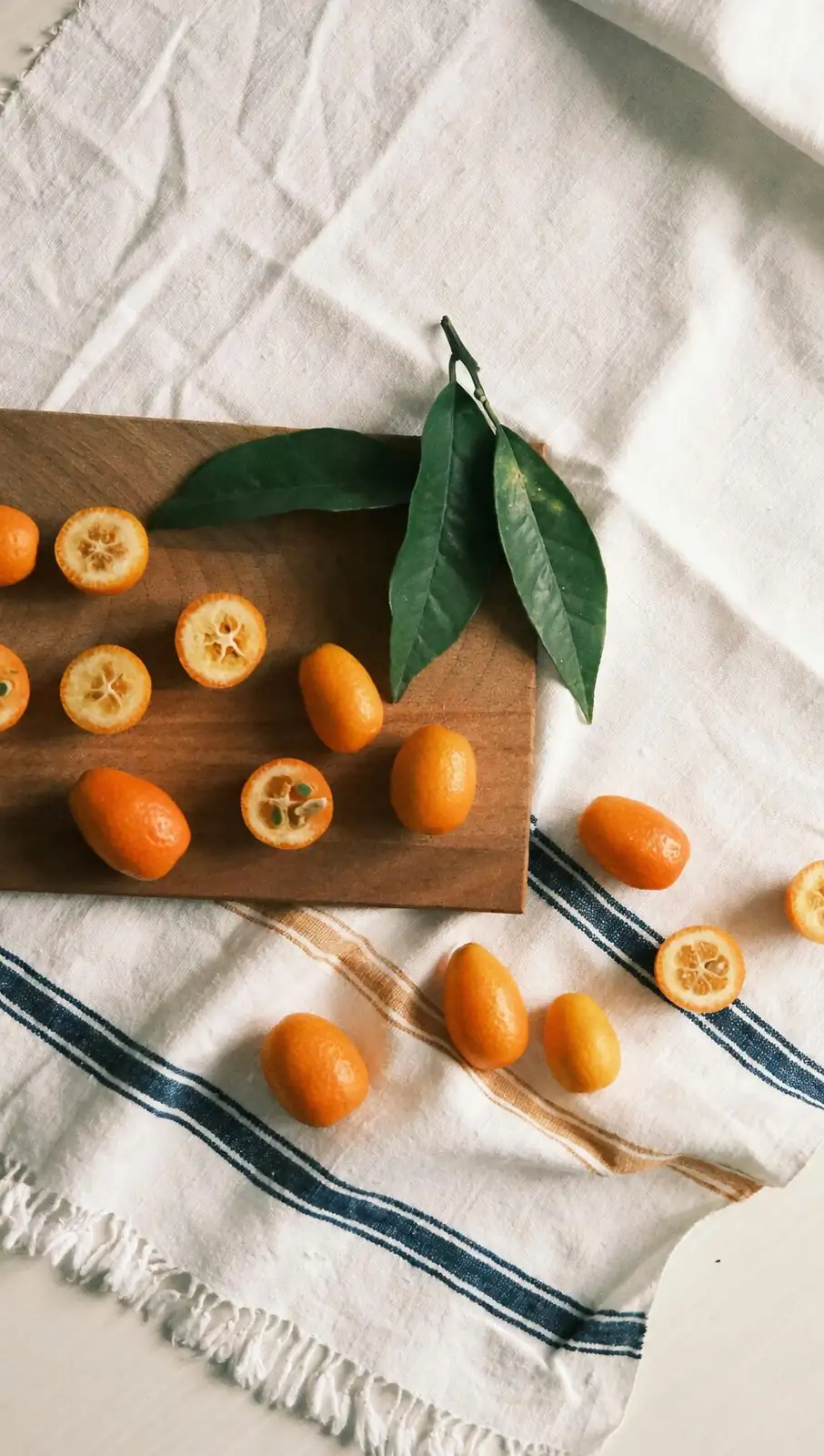
- How to enjoy: Eat them whole—sweet peel plus tangy pulp. They’re delicious fresh, and they shine candied, in preserves, or sliced into salads.
- Safety: Generally considered non‑toxic in homes; fruits are edible. Citrus oils in leaves and peel may irritate sensitive skin, and pets that chew foliage/peel may get mild stomach upset.
- Flower language and symbolism
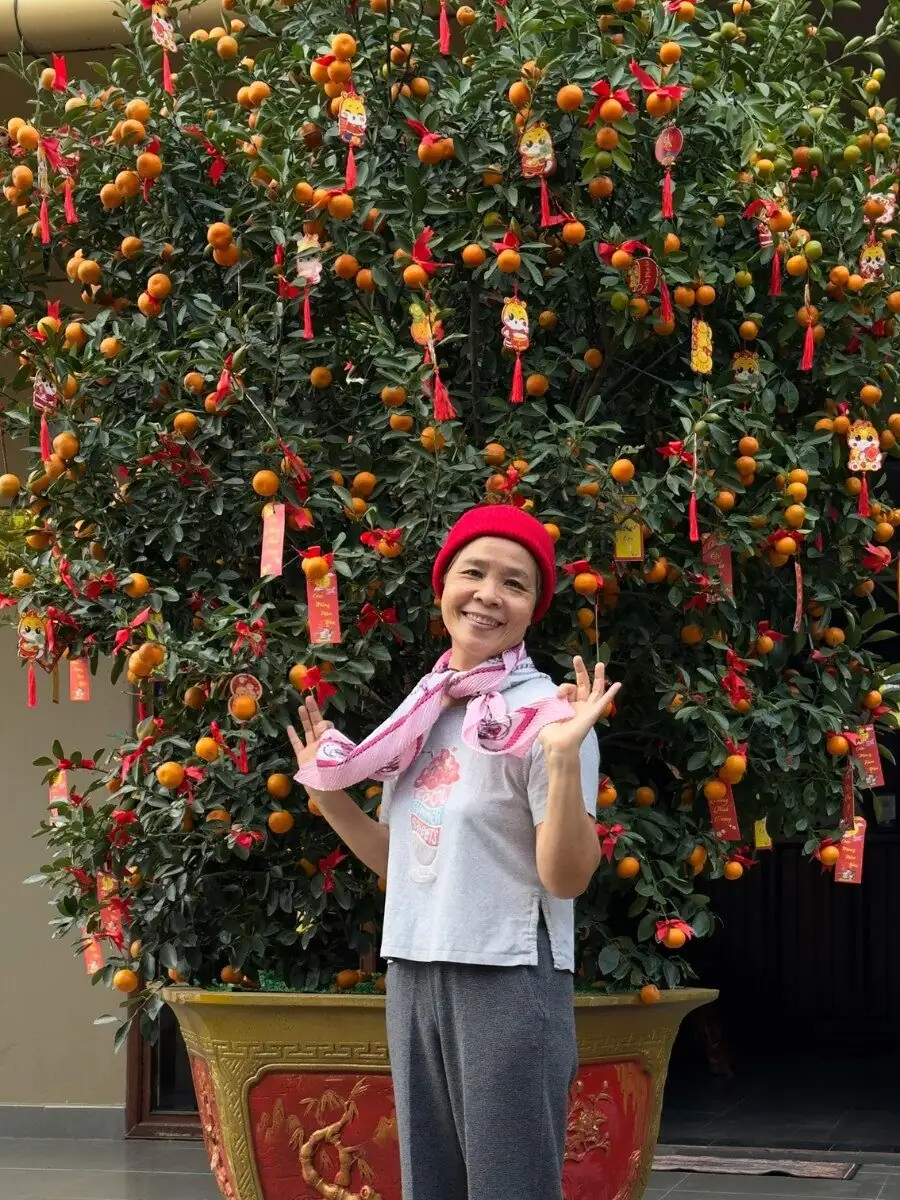
- Golden fruits have long symbolized prosperity, fortune, and a warm welcome in Chinese culture, which is why potted kumquats are holiday staples. The custom deepened because the plants reach peak color exactly when families gather—so over time, the display itself became a living wish for abundance in the year ahead.
Fast FAQ
- How do I choose a good kumquat plant to buy?
- Pick one with a balanced shape and lots of evenly distributed, bright, uniformly colored fruits. Skip specimens that look freshly potted in very loose, new mix—that “too clean” soil surface often precedes leaf and fruit drop at home.
- How can I get a kumquat to fruit every year?
- Prune in spring for a compact, well‑lit canopy.
- Use a short, controlled early‑summer dry‑down to prompt flower buds.
- Hand‑pollinate indoors during bloom.
- Feed regularly (especially pre‑bloom and during fruit enlargement with higher P/K).
- Keep watering even; avoid waterlogging, harsh wet–dry swings, sudden temperature drops, and scorching sun.
- Why is my plant dropping fruit?
- Top causes: inconsistent watering, low light, cold drafts, or heavy nitrogen feeding during the display period. Correct those, raise light and humidity, and keep the root zone evenly moist but never soggy.
Quick placement cheat‑sheet
- Best spot indoors: Bright east or south window during fruit display.
- Best spot outdoors: Sunny balcony or patio with a little midday protection in heatwaves—and always shelter from frost.
Once you tune into its rhythms—bright light, steady moisture, a strategic early‑summer “pause,” and a little matchmaking with a brush—Citrus japonica rewards you with months of jewel‑like fruits you can pop whole. Sweet peel, tangy heart, and a holiday glow you can eat: that’s kumquat magic.