

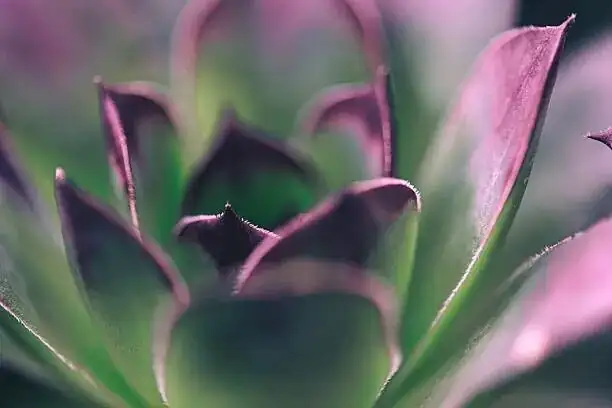
If you’ve ever brought home a “dunce cap” and later wondered, “Wait—did I actually get the right plant?” you’re not alone. Orostachys furusei looks deceptively simple: a neat, lotus-like rosette that seems interchangeable with half the rosette succulents on your shelf. But its lookalikes and misleading nursery tags can easily send even seasoned collectors down the wrong path. Here’s a collector’s visual guide—leaf texture, rosette silhouette, bloom tells, and labeling traps—to help you name your plant with confidence.
Meet Orostachys furusei at a glance
- Growth habit: Compact, lotus-like rosettes of thick, shingled leaves; often clumps with age.
- Size: Typically 5–15 cm (2–6 in) across per rosette.
- Foliage: Bright green to slightly glaucous (bluish-green); crisp layering; leaf bases can look slightly petiole-like.
- Bloom: Small, star-shaped flowers on a short-stalked inflorescence, summer to autumn. The blooming rosette may weaken afterward (monocarpic tendency).
- Culture snapshot: Loves bright light and warmth in a dry, very free-draining mix. Strongly dislikes waterlogged soil. Not frost hardy—protect and keep above 5°C (41°F).
Tip collectors actually use: If you want to keep a prized rosette pristine longer, snip the flower stalk as it appears.
The lookalike lineup (and what to check)
Orostachys iwarenge (often sold as “Chinese Dunce Cap”)
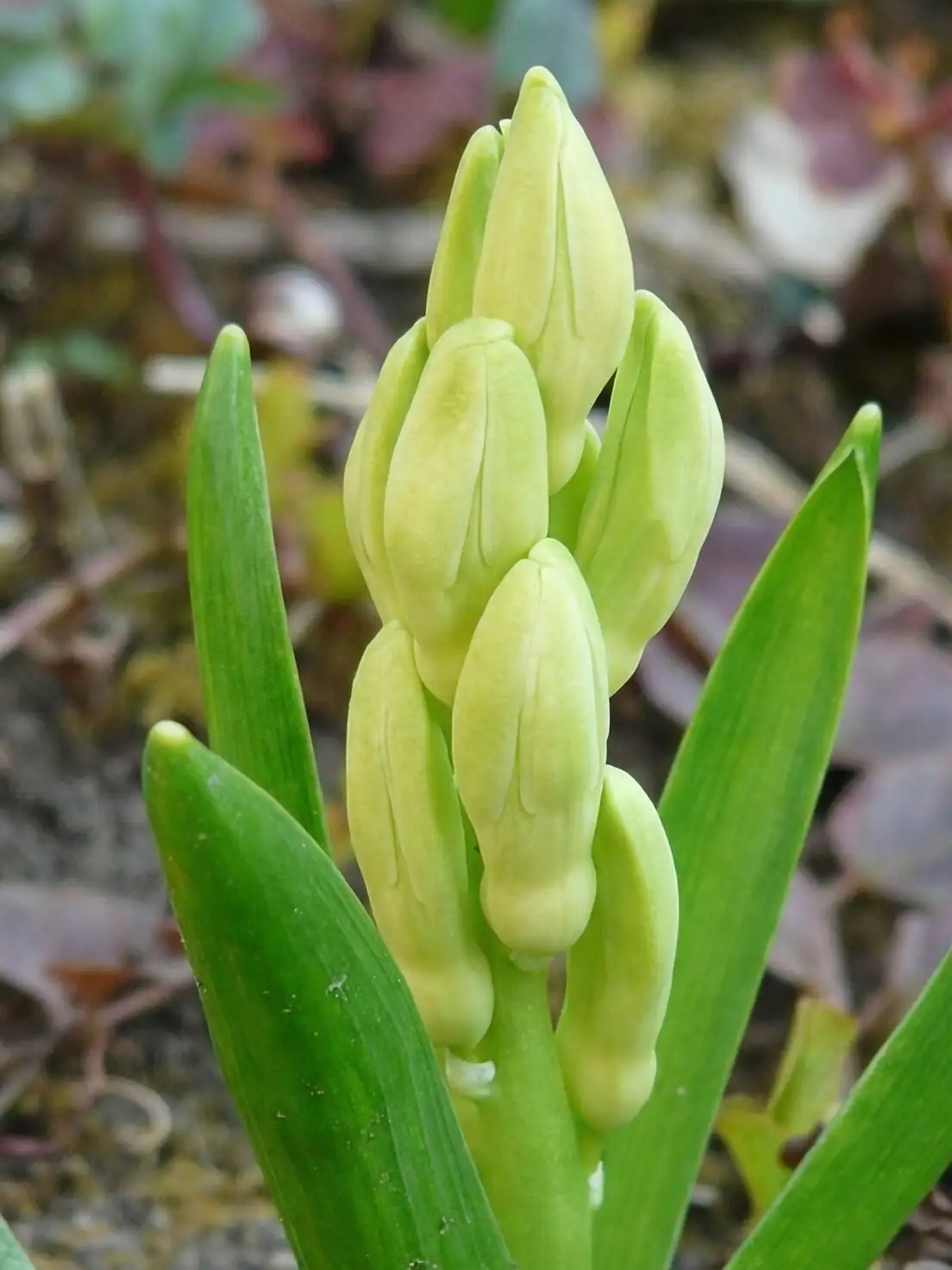
- Visual vibe: Typically grayer to lavender and more powdery looking; farina gives a soft, frosted tone.
- Rosette: Often daintier or bead-like in clusters; can read “smokier” than the greener O. furusei.
- Bloom cue: Frequently shows a taller, more conspicuous conical spire. By contrast, O. furusei’s inflorescence stays short-stalked with small, starry flowers.
- Label pitfall: Many plants tagged simply “Dunce Cap” are actually O. iwarenge; O. furusei is less common but gets lumped in.
Orostachys malacophylla
- Name hint: “Malaco-” means soft. Leaves tend to look and feel softer, sometimes a touch translucent at the margins.
- Rosette: Can be a little looser and “softer-edged” than the crisp, shingled lotus of O. furusei.
- Color: Often a greener plain tone; less of the tidy, tile-like layering you see in O. furusei.
Sempervivum (Hens-and-chicks)
- Texture: Often matte, sometimes with cobwebbing (S. arachnoideum types). Leaf tips are usually more pointed, with sharper geometry.
- Offsets: Usually appear on visible stolons (runners), giving a spaced “chicks on strings” effect; O. furusei tends to cluster offsets tightly at the base.
- Bloom: Taller, showier starry heads on a stem that rises well above the rosette.
- Climate clue: Sempervivum are typically cold-hardy outdoors; O. furusei is not frost hardy.
Echeveria
- Texture and color: Thicker, broader leaves; often showy pastels and heavy farina or glossy finishes.
- Bloom: Arching racemes with bell-shaped flowers in warm tones—very different from O. furusei’s small, star-shaped flowers on a short stalk.
Aeonium
- Structure: Rosettes on visible, often woody stems. O. furusei is stemless and stays “sitting” at soil level.
- Bloom: Large, branched panicles—dramatic compared to O. furusei’s modest, short-stalked spray.
A field-tested visual ID checklist for Orostachys furusei
Use this quick pass while you rotate the pot under good light:
- Leaf texture and color
- Thick, fleshy leaves in bright to slightly glaucous green.
- Crisp, shingled layering that feels “tile-perfect,” not fluffy or powdery.
- Bases may appear slightly petiole-like, creating subtle spacing at the rosette core.
- Rosette shape and scale
- Lotus-like symmetry, tidy and compact.
- Single rosette usually 5–15 cm (2–6 in) across; clumps build slowly with age.
- Offsets and clustering
- Offsets hug the base tightly; no obvious long stolons.
- Bloom cues (summer to autumn)
- Short-stalked inflorescence with small, star-shaped flowers.
- Expect post-flowering weakening of that rosette; many collectors remove the stalk early.
- Climate truth
- Not frost hardy. If a tag promises deep-winter survival, scrutinize the ID.
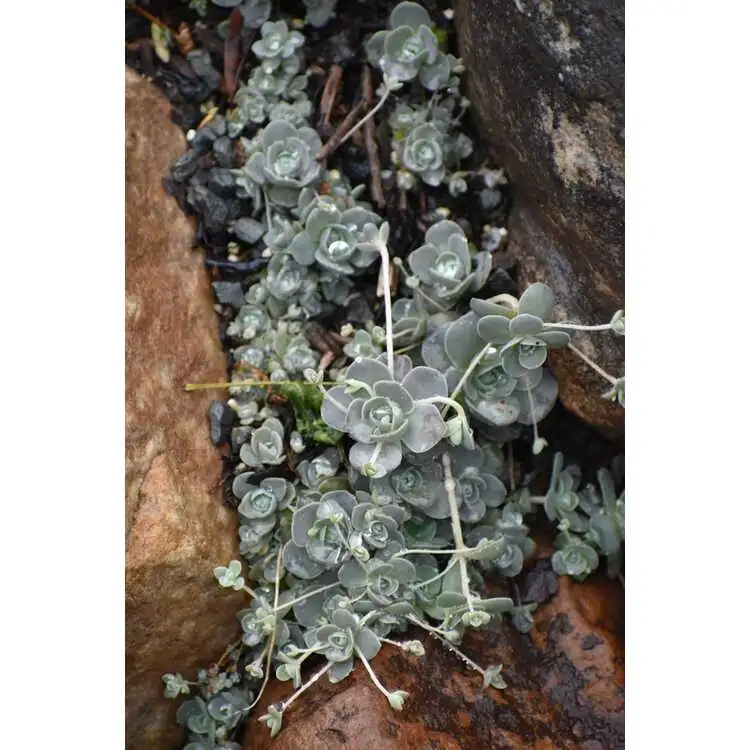
Labeling pitfalls (and how to audit a tag like a pro)
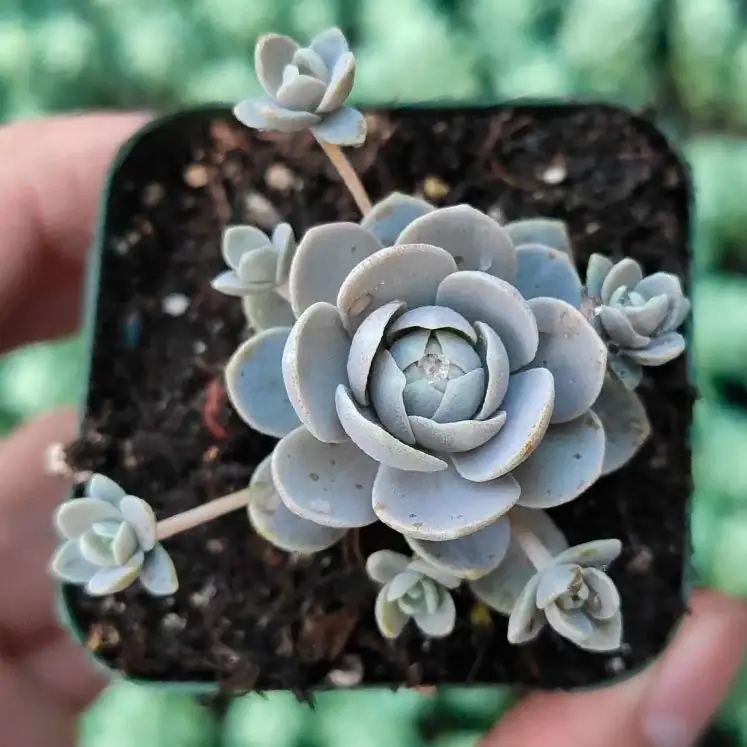
- The “Dunce Cap” catch-all: Garden centers often label multiple Orostachys species—especially O. iwarenge—as “Dunce Cap” or just “Orostachys.” Cross-check color (furusei leans greener), leaf layering (crisp shingles), and bloom type (short-stalked, starry).
- “Rock Pine” and other aliases: These vague names travel across species. Default to the plant’s physical traits.
- Hardy vs. tender claims: Some Orostachys species are sold for cold gardens. Orostachys furusei is not frost hardy; overwinter it above 5°C (41°F).
- Photo mismatch: Online listings sometimes show powdery, lavender iwarenge-style photos for a greener, crisper plant you receive. Trust the plant in hand, not the stock image.
- Post-bloom panic: If your tagged “furusei” collapses after flowering, that supports a correct ID—monocarpic decline is expected in the blooming rosette. Keep the offsets.
Pro move: Keep your own photo record (rosette close-ups, side profile, bloom) with the purchase tag. It’s the fastest way to correct labels later.
How care can disguise ID (and how to fix it)
Even the right plant can look wrong under the wrong conditions.
- Light: Low light stretches the rosette, softens the shingle pattern, and lightens color—classic etiolation. Move to a very bright windowsill or add a grow light. Offer brief midday protection behind glass during extreme summer heat.
- Water: Overwatering plumps and blurs leaf definition, and risks rot. Water thoroughly, then let the mix dry well before watering again; keep drier in cool seasons.
- Mix and pot: A gritty cactus/succulent mix in a pot with drainage holes keeps leaves crisp and coloration true. Repot in spring, refresh grit, and divide clumps.
- Feeding: Light monthly feeding during active growth at low strength; stop in winter.
- Temperature: Ideal is 20–25°C (68–77°F); keep above 5°C (41°F).
Collector caution: Mealybugs and scale love to hide in tight leaf axils—inspect regularly. In stagnant, damp air, leaf spot can appear; increase airflow and remove affected leaves.
Bloom tells that clinch the ID
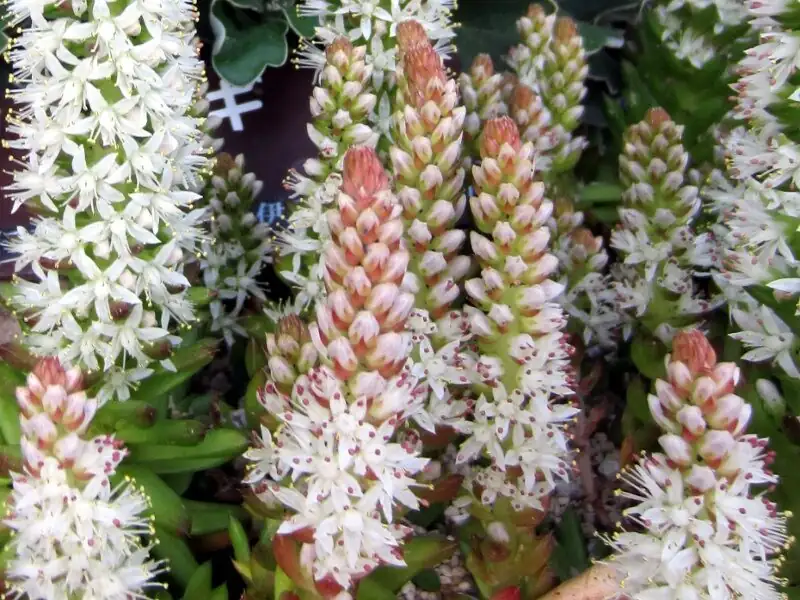
- Season: Summer to autumn.
- Structure: Small, star-shaped flowers on a short-stalked inflorescence.
- Aftermath: The flowering rosette may decline or die back—classic monocarpic behavior. Snip the stalk early if you want to preserve the rosette’s display.
If your “dunce cap” sends a long, arching scape with colorful bells, you’re likely looking at an Echeveria. If it hoists a tall, many-branched panicle, think Aeonium. A taller, dramatic spire within Orostachys could signal a different species than furusei.
Quick side-by-side quiz
- Looks frosted lavender, powdery leaves, taller conical bloom spire? Likely O. iwarenge.
- Tight, crisp green-to-glaucous lotus, short-stalked starry flowers, offsets hugging the base? O. furusei.
- Webby or very pointed leaves on runners, toughing out winter outdoors? Sempervivum.
- Rosettes on stems, big panicles later? Aeonium.
- Pastel bells on arching stems? Echeveria.
Care notes that keep the ID “in focus”
- Sunlight: Bright light to full sun, with brief midday protection during scorching periods behind glass.
- Watering rhythm:
- Spring: Light but thorough watering about once per month, adjusting to pot size, light, and airflow.
- Summer: A bit more frequent during active growth—still let the mix dry well.
- Autumn: Taper.
- Winter: Sparing and on the dry side, especially if cool.
- Soil: Very free-draining; mix compost (preferably peat-free) with coarse sand, grit, or pumice.
- Repot: Spring, yearly if the mix compacts; 12–15 cm (4.7–5.9 in) pots suit most plants.
- Fertilizer: Diluted balanced feed monthly in the growing season; none in winter.
Symbolism and “flower language”
Orostachys furusei is often described as lotus-like, and in some circles associated with a “parent and children” motif—an affectionate nod to a mother rosette ringed by offsets. While there’s no deep, ancient flower language specific to O. furusei, contemporary succulent culture reads this clustering as a symbol of protection, continuity, and quiet abundance. It’s a modern, visual metaphor that grew from how the plant lives, rather than from folklore.
Final collector’s notes
- Don’t let a generic “Dunce Cap” label decide the name—use foliage texture, rosette geometry, and especially bloom structure.
- Photograph your plant at purchase and at first bloom; it’s your most reliable ID record.
- Treat O. furusei as a tender succulent: bright, warm, and dry with gritty drainage; above 5°C (41°F) in winter.
- When in doubt, wait for flowers—short-stalked, starry, late-season blooms are your tie-breaker for Orostachys furusei.


