
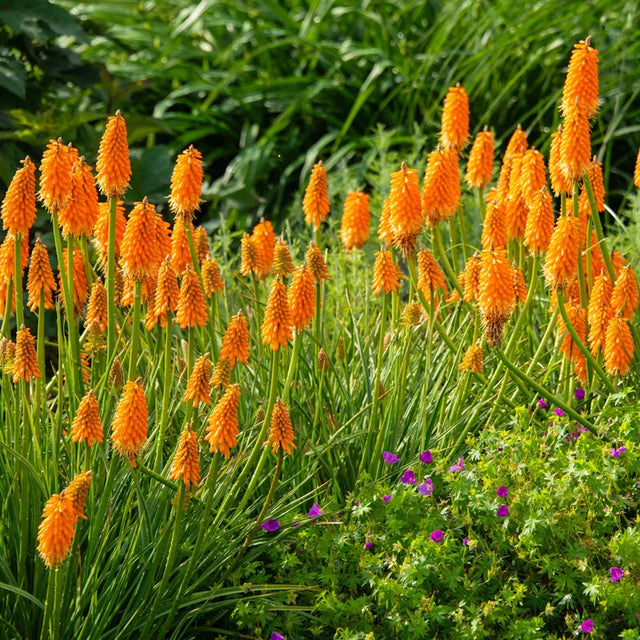
Think of Kniphofia uvaria (Red Hot Poker, Torch Lily) as a set of glowing garden campfires: tall, torch-like flower spikes, a fountain of sword-like leaves, and nonstop pollinator traffic. When it’s happy, it’s spectacular. When it sulks—no blooms, floppy spikes, ratty leaves—it’s almost always sending a clear signal. Here’s your easy, expert troubleshooting guide, with quick fixes that actually work.
Fast diagnosis: no blooms, floppy spikes, or sad leaves?
- Not blooming? Think sun, crowding, fertilizer, soggy crowns, or plant age.
- Floppy flower spikes? Check light levels, wind exposure, watering patterns, and nitrogen.
- Leaf problems? Separate winter wear-and-tear from drought scorch or rot starting at the crown.
- Pests at play? Thrips, aphids, and slugs/snails are the usual suspects.
- Diseases? Root/crown rot from poor drainage is the big one—catch it early.
Below, find the symptoms, causes, and fixes—fast.
Bloom failure: why it happens and how to reboot flowering
Likely causes:
- Too little sun: Red Hot Poker thrives with 6–8 hours of direct light.
- Clump overcrowding: Older clumps flower less; division resets vigor.
- Excess nitrogen: Pushes leaves at the expense of spikes.
- Soggy soil or a wet crown: Stress diverts energy away from bloom formation.
- Youth or recovery time: Seed-grown or newly divided plants often need a season or two.
- Planting too deep: Buried crowns stall.
- Shading from neighbors: Rapidly growing shrubs or tall perennials can steal the sun.
Quick fixes:
- Count your sun hours; move or thin surrounding plants to hit a true full-sun window.
- Divide every 3–4 years. Replant divisions with the crown shallow—generally not more than about 7.5 cm (3 in) below the soil surface.
- Ease up on nitrogen. Top-dress with compost in spring; if growth is weak, use a balanced slow-release fertilizer sparingly.
- Water consistently during active growth—about 2.5 cm (1 in) per week, including rainfall—but never let the crown sit wet.
- Deadhead promptly to tidy and, in reblooming varieties, encourage repeat spikes.
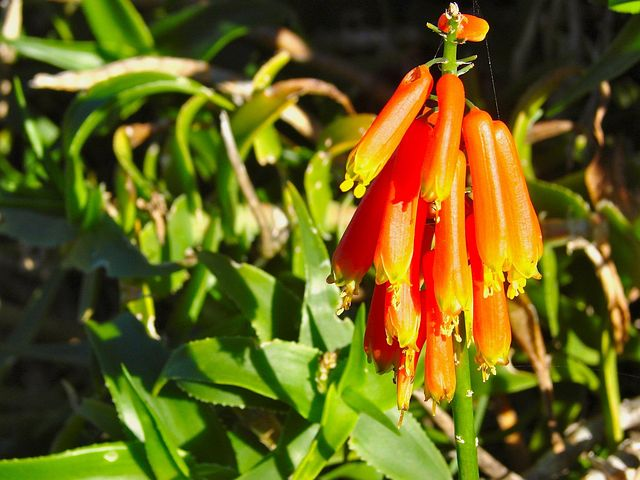
Floppy or wind-whipped flower spikes: firm them up
Why spikes flop:
- Insufficient sun = stretched, weaker stems.
- Over-fertilizing (especially nitrogen) = lush but lax growth.
- Drought stress followed by a drench = uneven turgor and weak scapes.
- Windy sites + very tall cultivars = top-heavy leaners.
- Overcrowded clumps = competition for resources, thinner stems.
Quick stabilizers:
- Stake discreetly on windy days: a slim bamboo cane and soft tie placed behind the fan of leaves disappears in the foliage.
- Water deeply and less often to encourage anchoring roots; maintain even moisture during flowering.
- Stop high-nitrogen feeds. Switch to compost and balanced, slow-release nutrition if needed.
- Divide congested clumps; replant slightly “high and dry” with excellent drainage.
- Choose sturdy or dwarf varieties for exposed spots to reduce leverage in the wind.
Preventive setup:
- Full sun (6–8 hours).
- A wind-sheltered site in very exposed gardens.
- Great drainage (raised beds or slopes are ideal).
Leaf issues decoded (and fixed)
- Browning tips/edges on older leaves:
- Most common causes: drying winds + inconsistent watering, or simple leaf aging.
- Fix: Water deeply during dry spells; remove ratty leaves at the base to tidy.
- Yellowing fans, but crown feels firm:
- Natural turnover of older leaves is normal.
- If widespread, consider mild nutrient deficiency or low light.
- Fix: Improve sun exposure; top-dress with compost in spring; avoid heavy nitrogen.
- Slimy, soft crown; foul smell; rapid collapse:
- Crown/root rot from soggy conditions.
- Fix immediately: Lift the plant, trim away all mushy tissue with sterile tools, dust cuts with sulfur or cinnamon, and replant in fast-draining soil with the crown shallow and on a slight mound. Water sparingly until new growth resumes.
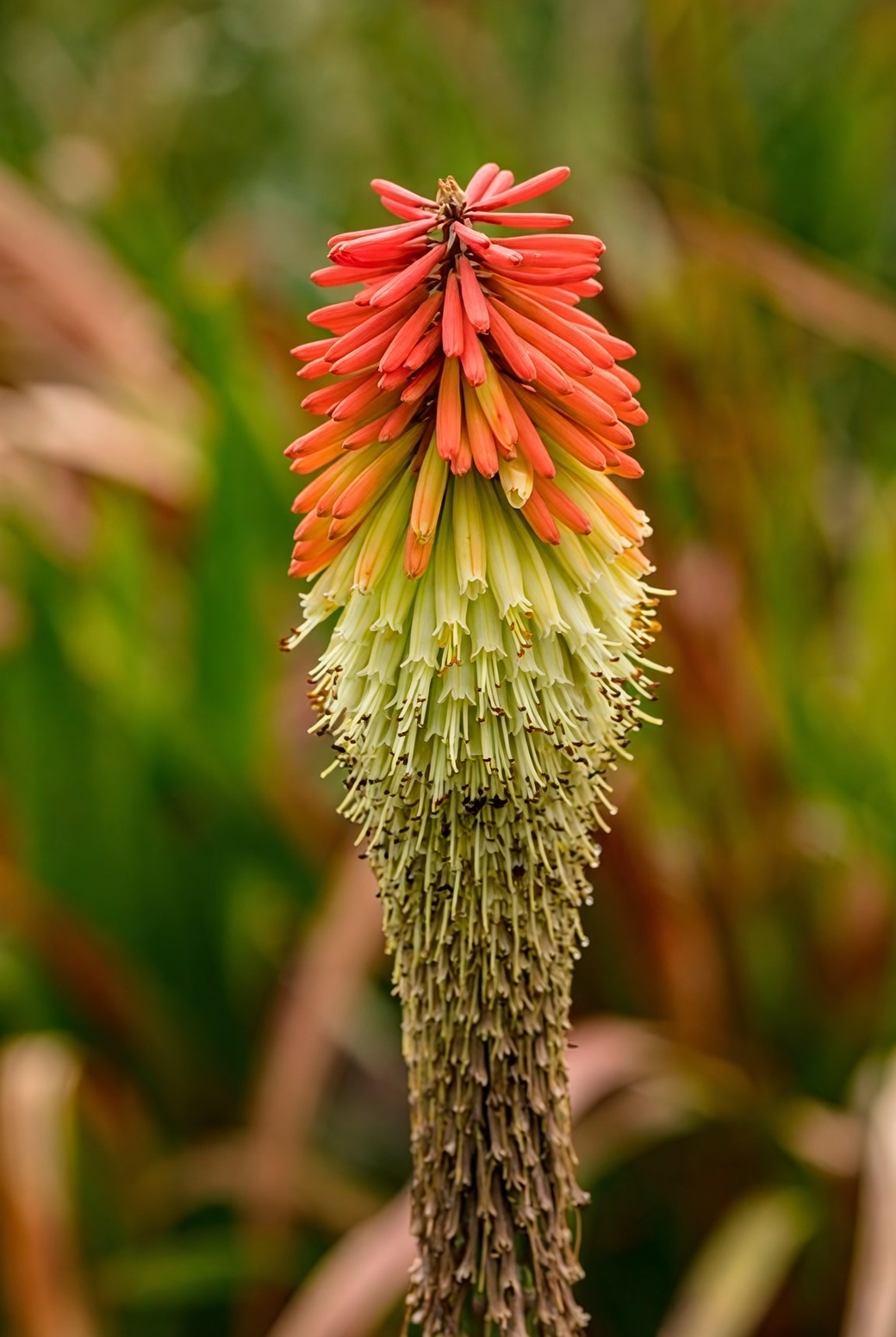
- Winter tatter or crown heave in cold regions:
- Freeze–thaw cycles damage leaves and crowns.
- Prevent: In Zones 5–6 especially, tie leaves loosely into a bundle to shed water, mulch around (not over) the crown with dry straw/leaves, and keep the crown drier. Cut back old foliage in early spring.
Spot the culprits: thrips, aphids, slugs and snails
Thrips (on buds, flowers, and foliage)
- Signs: Silvery streaks or stippling, deformed blooms, black specks (frass). Tap a flower over white paper; tiny, fast-moving specks = thrips.
- Quick fixes:
- Remove and discard heavily infested flower spikes.
- Blast with water to dislodge; follow with insecticidal soap or spinosad, repeating in 5–7 days to catch hatchlings.
- Use yellow or blue sticky cards at flower height to monitor.
- Prevention: Good airflow; avoid constant overhead watering.
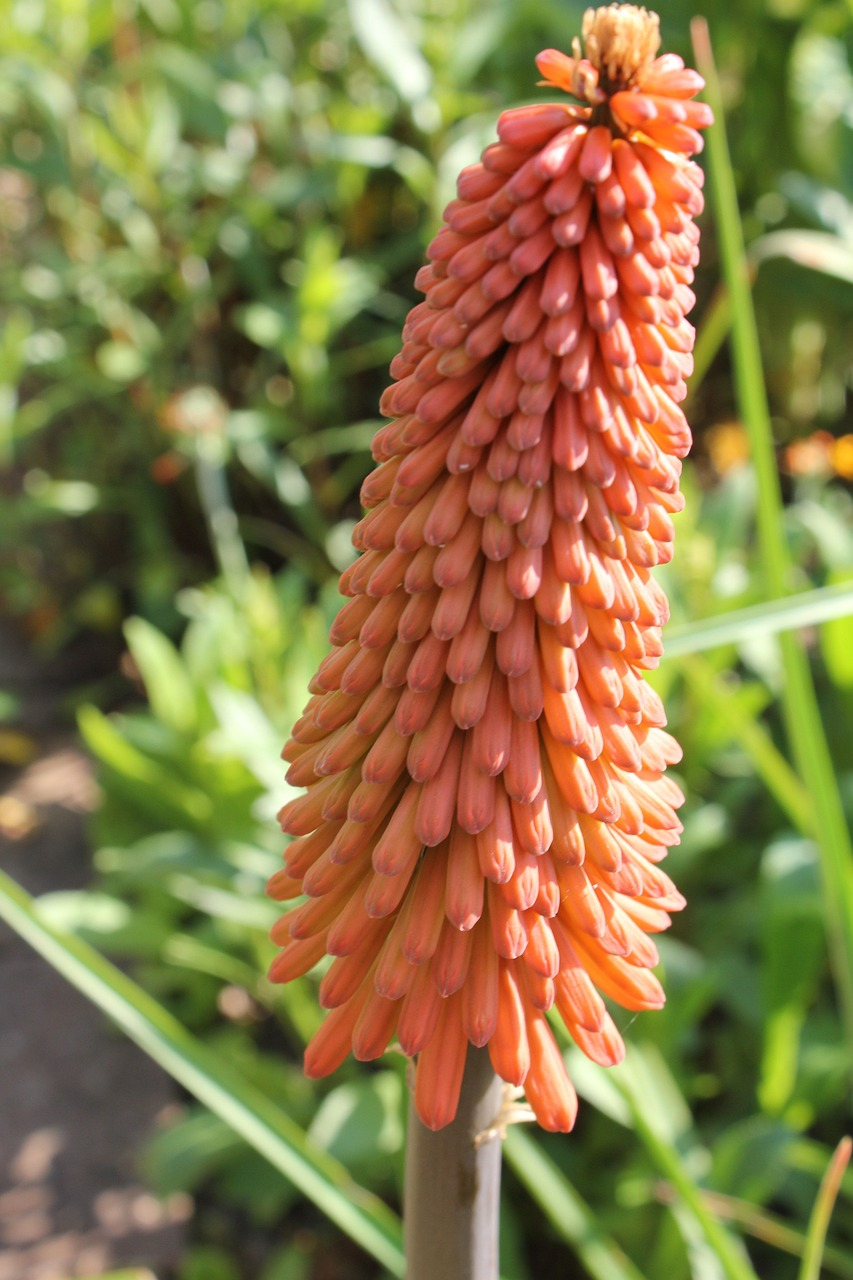
Aphids (cluster on tender shoots)
- Signs: Soft green/black colonies on new growth, sticky honeydew, sooty mold.
- Quick fixes:
- Hose them off; repeat as needed.
- Pinch off badly infested tips.
- Insecticidal soap or a light horticultural oil, applied in the evening to protect pollinators; avoid spraying open blooms.
- Encourage beneficials (lady beetles, lacewings).
Slugs and snails (especially on emerging shoots)
- Signs: Notched leaves, ragged holes, slime trails; damage often appears overnight.
- Quick fixes:
- Hand-pick at dusk with a flashlight.
- Set beer traps or place iron-phosphate bait (pet-safe) per label.
- Use copper tape around prized clumps and reduce hiding spots (dense mulch, debris).
Beat crown and root rot before it starts
Set the site right:
- Sun: Full sun is best; in very hot regions, light afternoon shade can reduce stress.
- Soil: Fast drainage is essential. Amend heavy soils with grit and compost; plant on a slope or in a raised bed if needed. Target pH 6.0–7.5.
- Planting depth: Keep the crown shallow—generally no more than about 7.5 cm (3 in) below the soil surface. Do not bury the crown with mulch.
- Watering: Aim for about 2.5 cm (1 in) per week during growth, adjusting for heat and rainfall. Water in the morning and avoid letting the crown stay wet.
- Winter care (Zones 5–6 especially): Tie foliage to shed water and mulch with dry material to keep the crown drier.
Container pointers:
- Choose a pot with excellent drainage (multiple holes) and a sharply draining mix.
- Water more frequently than in-ground plants but never allow the crown to sit soggy.
- Divide and repot every 2–3 years to prevent overcrowding.
If rot threatens:
- Unpot, trim mush, dust cuts, and replant high in a very free-draining medium. Withhold water until new growth resumes, then water modestly.
Quick wins: a 10‑minute tune-up
- Deadhead spent spikes to tidy and encourage rebloom in repeat-flowering varieties.
- Snip out tattered, yellowed leaves at the base.
- Check irrigation: switch from frequent sprinkles to deep, less frequent waterings.
- Push a slim stake behind any leaning scape and tie softly.
- Set sticky cards to monitor thrips and aphids.
- Add a dry mulch ring around—but not over—the crown.
- Note sun exposure; plan a small move or neighbor trim if you’re under 6 hours.
Longer-term fixes that pay off
- Divide for vigor: Every few years in early spring (or fall after flowering in mild climates). Ensure each division has a healthy crown and roots; replant shallow.
- Smarter feeding: Work in compost before growth. If needed, apply a balanced slow-release fertilizer in spring. Avoid heavy nitrogen.
- Right plant, right place: Full sun, wind protection in exposed gardens, and excellent drainage. In very hot regions, a touch of afternoon shade helps.
- Variety choice: In windy sites or smaller gardens, pick sturdy or dwarf selections to reduce flop and maintenance.
Seasonal care snapshot
- Spring: Cut back old foliage, top-dress with compost, divide crowded clumps, set early sticky cards for thrips.
- Summer: Maintain steady moisture, deadhead, scout for pests weekly, stake if needed.
- Fall: In mild regions, divide after flowering; reduce watering as growth slows.
- Winter: In colder zones, tie foliage to shield the crown and mulch with dry material; keep the crown drier and cut back in early spring.
Cut-flower bonus: save a leaning spike for the vase
- Harvest when the lower flowers just begin to open.
- Strip lower foliage, recut stems under water, and use clean vases.
- Expect 5–7 days of vase life; refresh water and recut stems midweek.
Safety and pollinator note
- Generally considered non-toxic to people and pets. As with many ornamentals, nibbling can cause mild stomach upset in sensitive individuals.
- Flowers are rich in nectar for hummingbirds, butterflies, and bees. If you must spray for pests, apply in the evening and avoid open blooms.
Symbolism and lore: what this “torch” has carried through time
Red Hot Poker’s fiery spikes have long suggested passion, strength, and confidence—fitting for a plant that stands out like a lit torch. Garden lore also links its ember-like colors with protection and driving away negativity. These meanings are modern interpretations inspired by its appearance, rather than strict historical “flower language,” but the effect is the same in a border: a bold, protective beacon that draws the eye and energizes a planting. Native to eastern and southern Africa and popularized in European and American gardens in the 1800s, it still lives up to its name—when kept sunny, well-drained, and out of soggy trouble.