

The Enchanting Language of Hollyhocks: Dreams, Ambitions, and Victorian Whispers
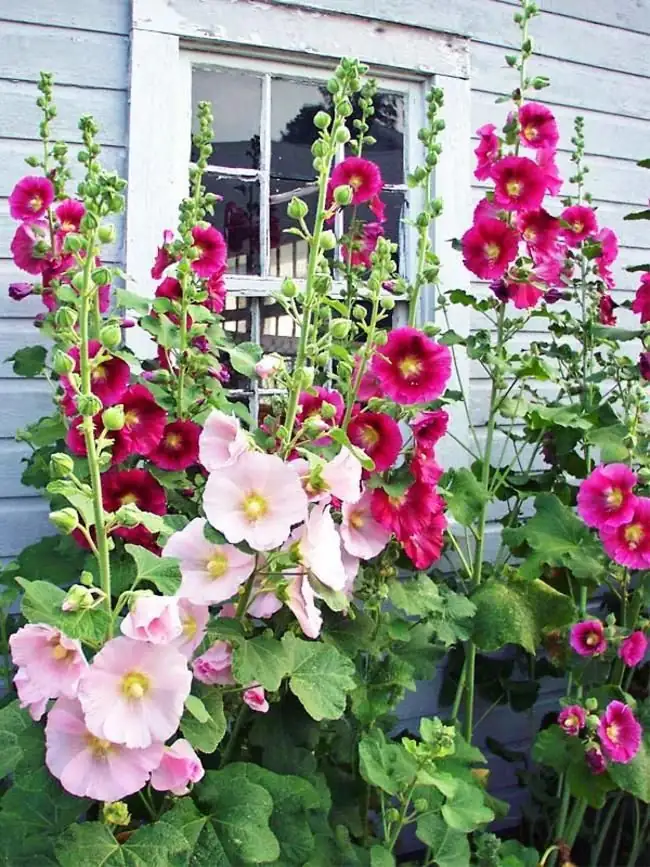
Imagine a garden full of towering hollyhocks, their vibrant colors stretching up to the sky like nature’s own skyscrapers. These floral giants, known scientifically as Alcea rosea, aren’t just a visual feast; they’re steeped in rich symbolism and tradition. Let’s explore how these floral marvels whisper tales of dreams, ambition, and Victorian-era charm.
A Symphony of Colors and Meanings
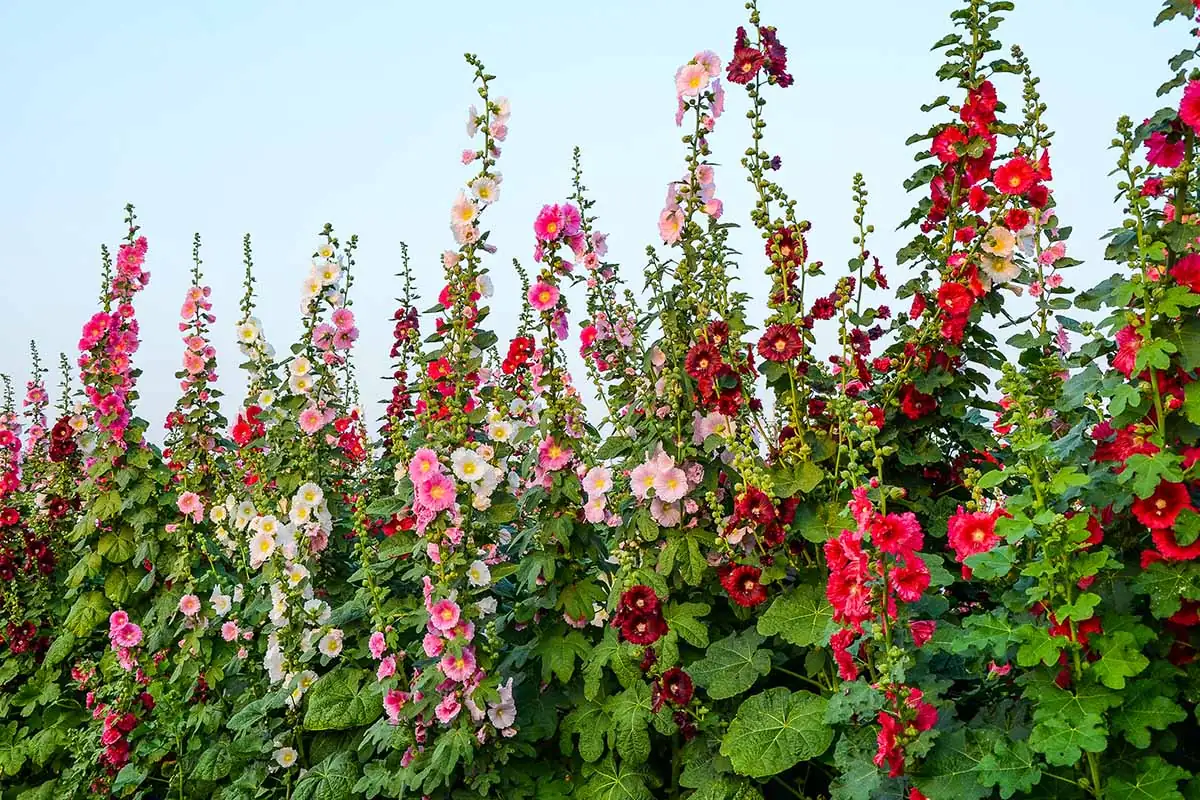
Hollyhocks come in an array of colors—white, pink, red, purple, yellow, and even near-black. Each hue tells its own story. For instance, red hollyhocks symbolize love and passion, while white ones are harbingers of good luck. Pink embodies femininity, yellow speaks of friendship, and the mysterious near-black hues evoke secrets yet to be told. Isn’t it fascinating how a single plant can convey such a spectrum of emotions?
Ambition and Dreams: Reaching for the Sky
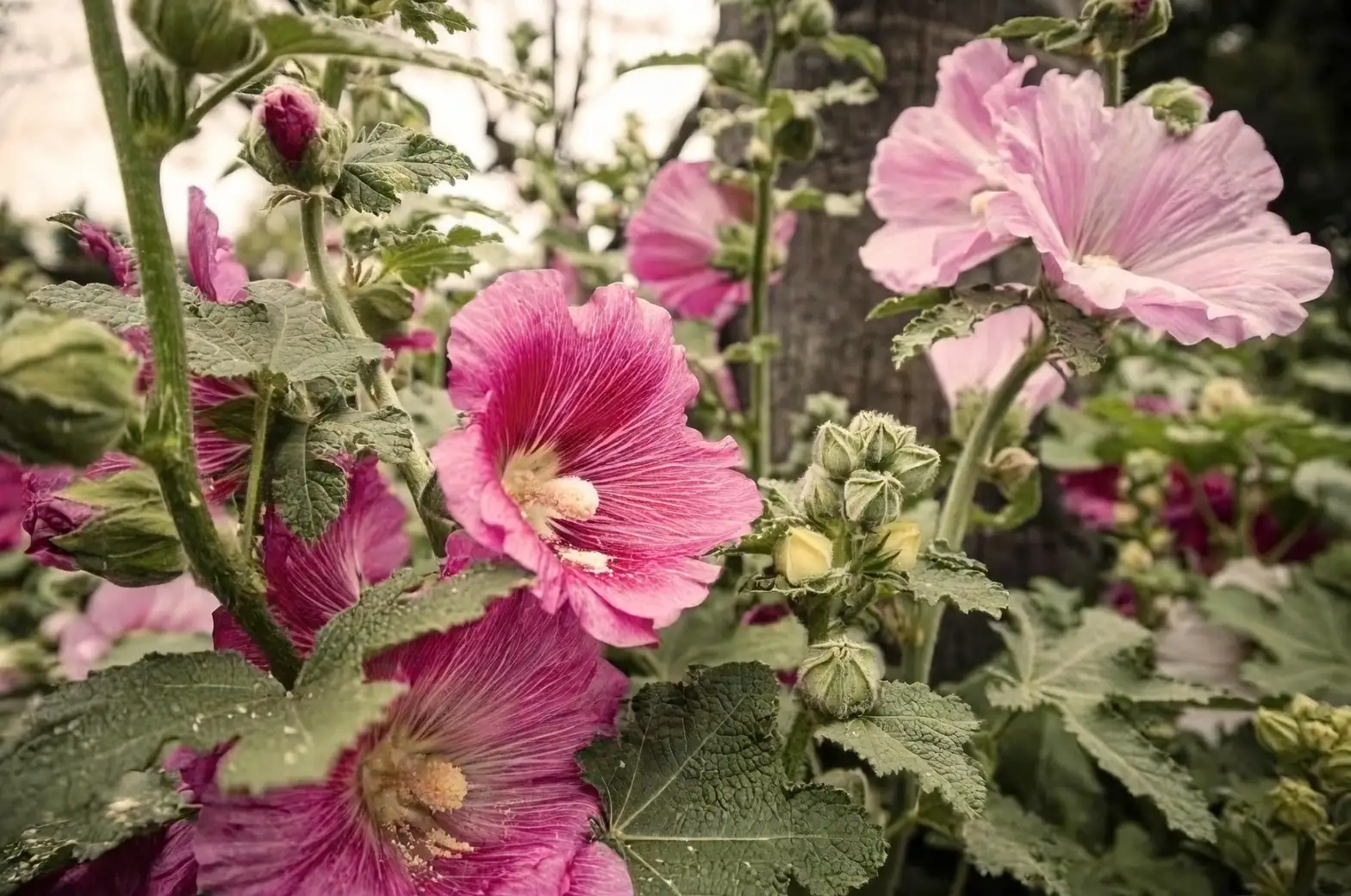
These flowers aren’t just about pretty faces. In the Victorian language of flowers, hollyhocks symbolize ambition and the pursuit of dreams. Their majestic height—reaching up to 8 feet—serves as a metaphor for striving to achieve great heights in life. Just as the hollyhock grows upward, so too do our aspirations and goals. This makes them a perfect gift for someone embarking on a new venture or celebrating a milestone.
A Nod to the Victorian Era
During the Victorian era, gardens were not merely collections of plants but rather stages for the silent theater of floriography—the language of flowers. Hollyhocks played a starring role in this botanical drama, embodying ideas of fruitfulness and the rhythm of life. Planting them near the front door was akin to hanging a floral banner that proclaimed prosperity and success within.
But the Victorian connection doesn’t stop there. Hollyhocks earned the quirky nickname “Outhouse Flower” because they were often planted to shield and beautify utilitarian parts of the garden. Their tall stalks provided privacy and a touch of elegance to otherwise mundane corners.
A Journey Through Time and Culture
Hollyhocks have journeyed through time, from the ancient fields of China to the cottage gardens of Europe. They traveled along the Silk Road, carrying with them stories of fertility and abundance. In ancient Egypt, they were laid in wreaths with mummies, symbolizing safety and goodwill for the afterlife—a testament to their enduring spiritual significance.
Practical Yet Poetic: The Hollyhock’s Dual Role
While hollyhocks are undeniably poetic, they’re also pragmatic. Their towering presence not only serves as a visual anchor in the garden but also invites pollinators like bees, butterflies, and even hummingbirds. They offer a natural habitat for painted lady butterflies, which use hollyhocks as host plants.
Cultivating Your Own Ambitions
If you’re inspired to add a touch of ambition to your garden, hollyhocks are a beginner-friendly choice. They thrive in full sun and well-draining soil, and while they are typically biennial, their tendency to self-seed gives them a perennial-like presence. Just be mindful of hollyhock rust—a common ailment that requires good air circulation and careful watering.
Conclusion: A Flower of Many Stories
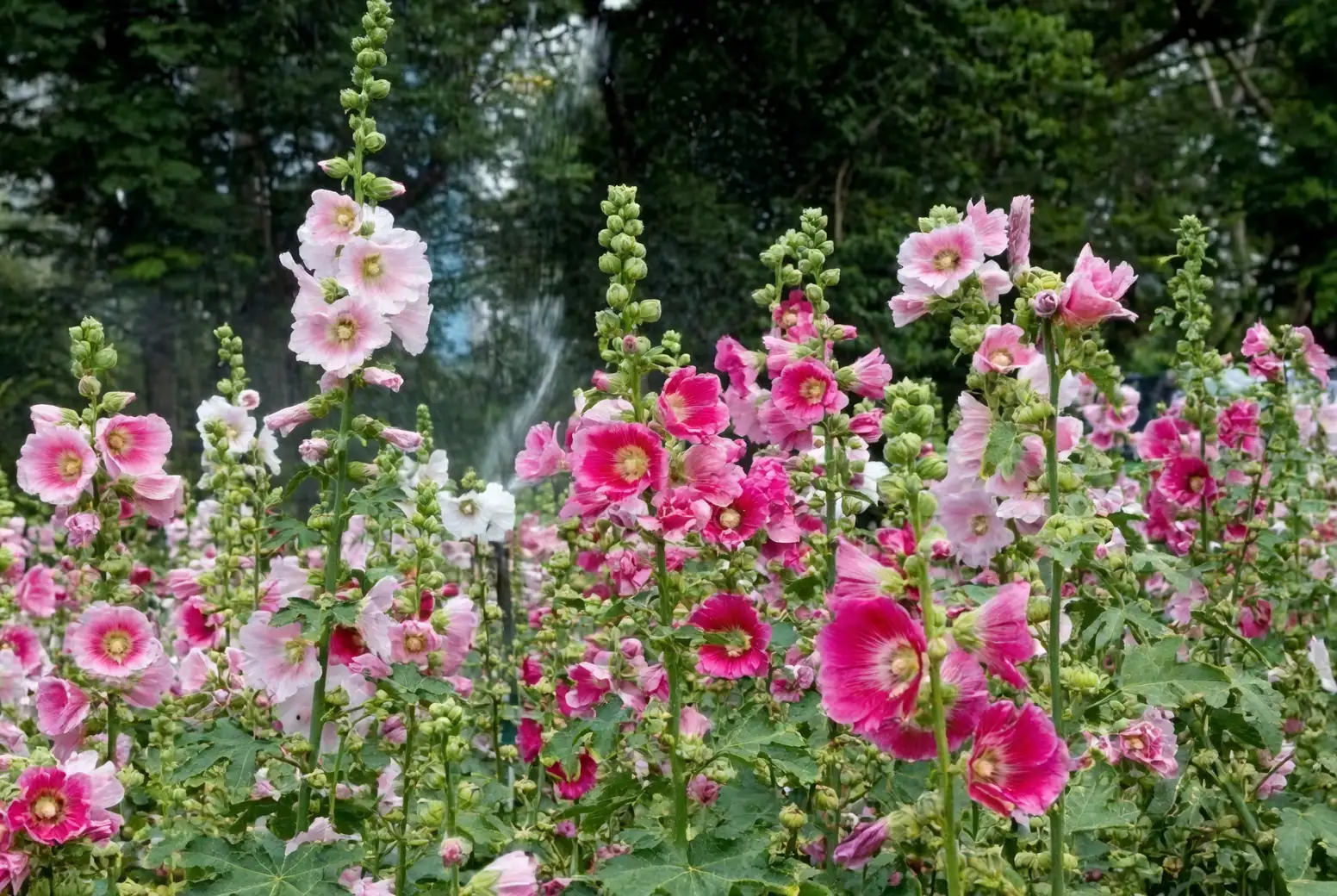
The hollyhock is more than just a flower; it’s a storyteller, a motivator, and a symbol of life’s continuous cycle. Whether you’re drawn to its Victorian charm, its ambitious nature, or its practical beauty, the hollyhock offers a little something for everyone. Next time you see these towering blooms, remember the tales they tell—of dreams, ambitions, and a history as rich and varied as their colors.


