

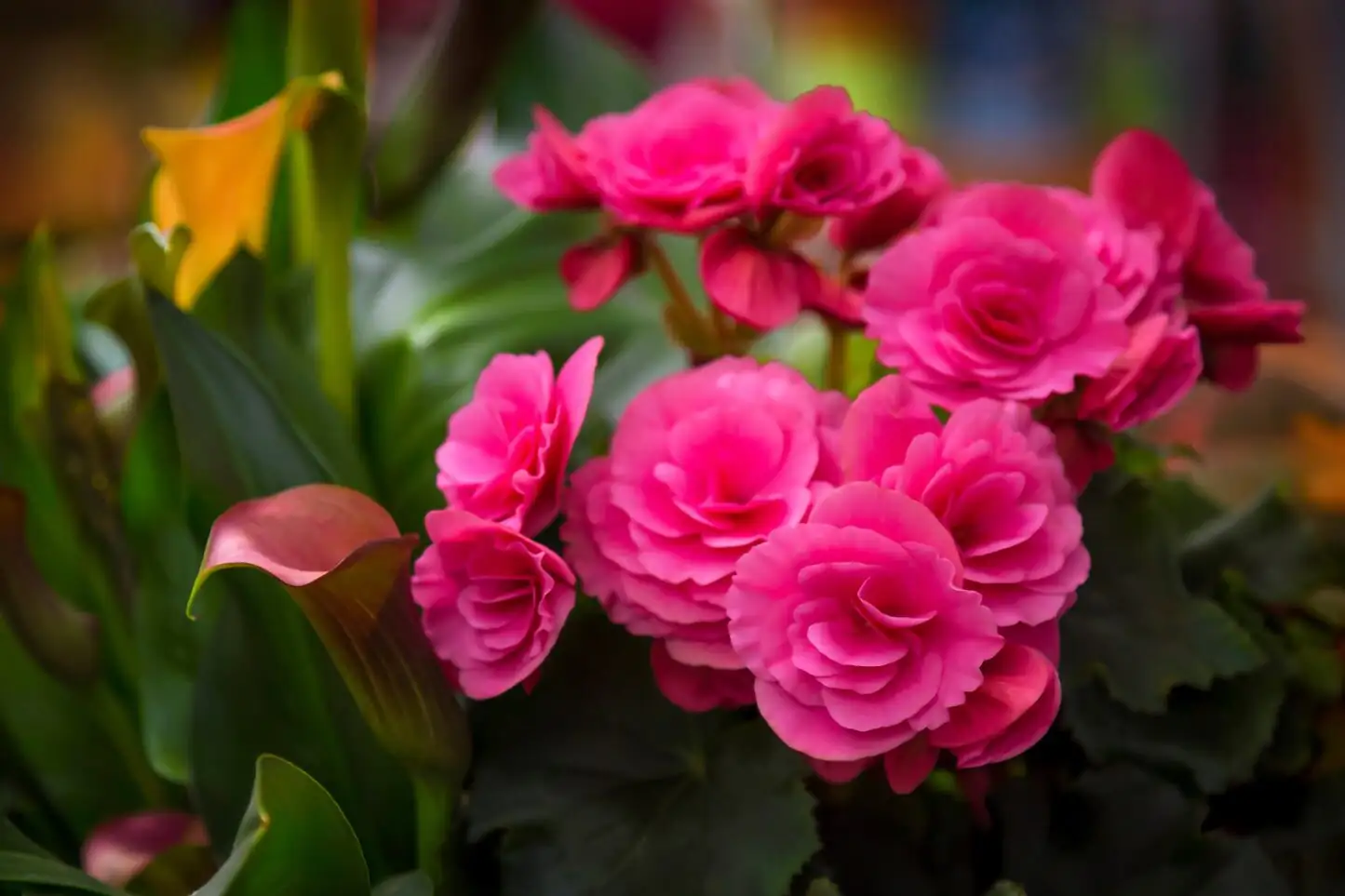
Think of a rose that prefers bright shade, then quietly packs itself away into a plump little tuber for a well-earned nap each year—that’s the magic of Begonia × tuberhybrida, the Tuberous Begonia. Big, camellia-like blooms, lush asymmetrical leaves, and a rhythm of growth-rest-repeat make it a plant you don’t just grow—you conduct. Here’s your masterclass timeline to start from dust-fine seed in winter, multiply by cuttings in summer, and finish by lifting and storing tubers for encore performances, season after season.
Meet Begonia × tuberhybrida (Tuberous Begonia)
- What it is: A long-bred garden hybrid famed for large, often fully double flowers—sometimes dazzlingly bicolored.
- Growth habit: Forms a tuber. Upright, fleshy stems and broad, slightly succulent leaves emerge in spring/summer, then the plant naturally dies back to rest as a dormant tuber.
- Best setting: Bright indirect light to partial shade—gentle morning sun is fine; strong midday/afternoon sun is not.
- Climate sweet spot: 16–21°C (61–70°F) with 50–70% humidity and good airflow. Keep above 10°C (50°F). Prolonged heat above ~32°C (90°F) can cause wilting and bud drop.
- Pot and tuber size: A flowering plant thrives in a 20–25 cm (8–10 in) pot. Choose dormant tubers at least 2 cm (0.8 in) across for robust bloom.
- Soil: Rich yet free-draining. Think peat- or leaf-mold-based potting mix blended with fertile loam and coarse sand/perlite. Avoid heavy, waterlogged soils.
The Masterclass Timeline: From Pinhead Seeds to Sleeping Tubers
This calendar assumes a temperate Northern Hemisphere schedule. Adjust a few weeks either way for your local climate.
Late January–February: Wake a forest from dust (sow seed at 18–21°C)
- Seeds are dust-fine—don’t bury them.
- Fill a clean seed tray with a fine, free-draining mix (peat/leaf mold + perlite). Pre-moisten evenly.
- Surface-sow and gently press for contact. Do not cover; they need light to germinate.
- Maintain 18–21°C (64–70°F) and bright, indirect light. Use a clear lid or humidity dome for gentle humidity plus a sliver of ventilation.
- Water by misting or from below—moist, never soggy. Good airflow helps prevent damping-off.
- Germination: typically 10–15 days. When seedlings have 2–3 true leaves, transplant to 6 cm (2.4 in) pots.
Pro tip: Start small but steady with nutrition—very dilute feed once the seedlings are growing, then step up to the regular rhythm below as plants size up.
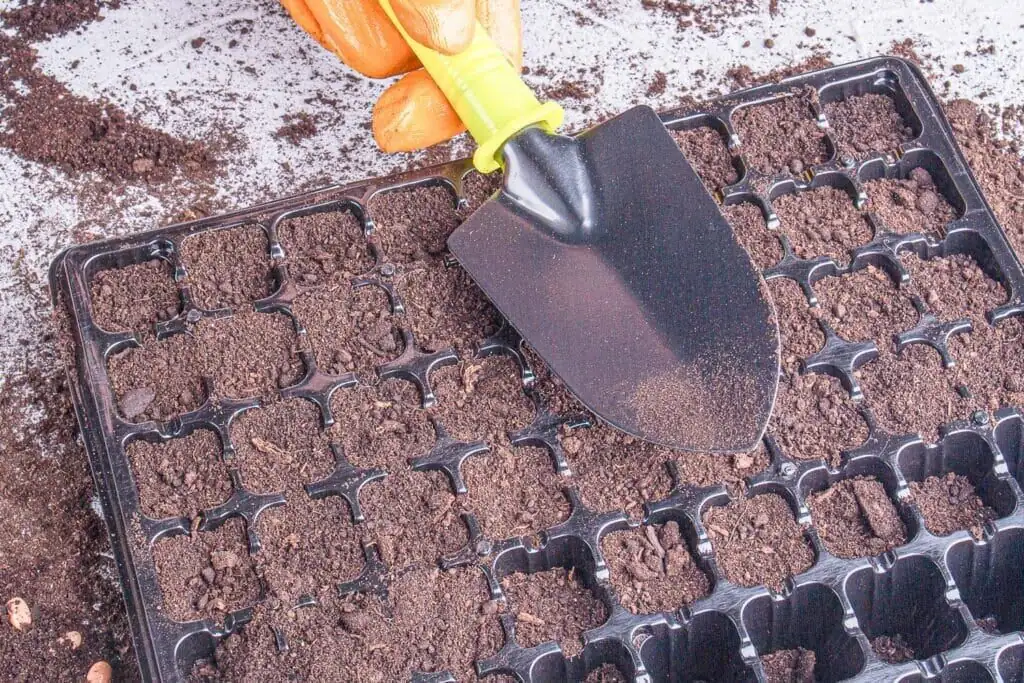
March–April: Pot tubers and build the roots that fuel the show
- Select firm, plump tubers (≥2 cm). The concave side faces up.
- Nestle them into a free-draining, fertile mix—just at/near the surface.
- Water sparingly until shoots appear; then shift to “evenly moist, never soggy.”
- Light: bright shade. Indoors, keep near a luminous window out of harsh sun.
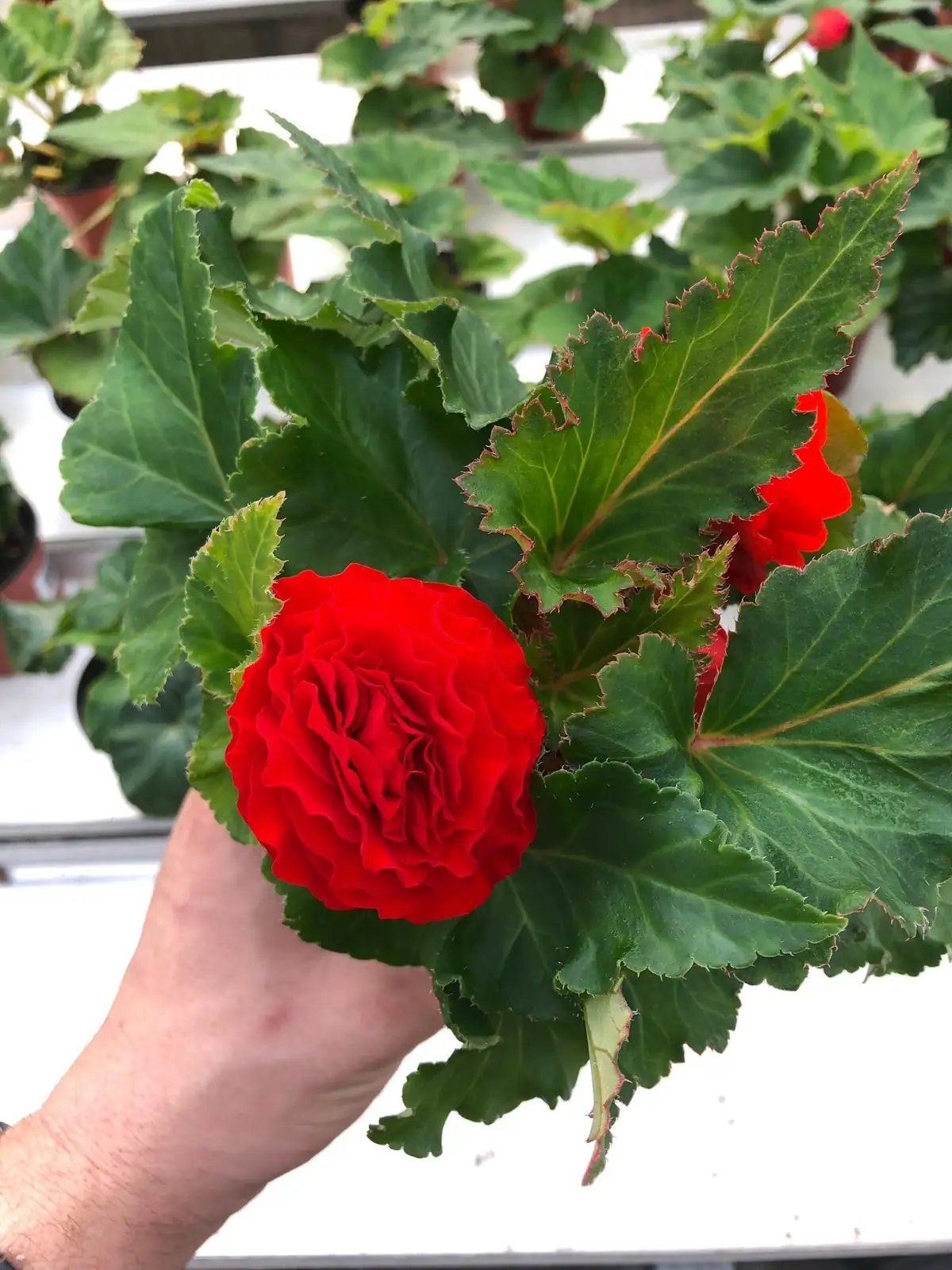
May: Buds, balance, and structure
- Airflow is your ally. Bright shade plus gentle breeze = sturdy growth and fewer fungal issues.
- Stake or loop ties early if your variety carries oversized blooms.
- Keep the medium evenly moist. Protect from pounding rain.
June–July: Multiply by cuttings (10 cm tips; root in a sandy mix)
- Choose strong, non-flowering shoots about 10 cm (4 in) long with a tip bud.
- Remove lower leaves, let the cut end dry briefly, then insert into a sandy, free-draining medium (a perlite/vermiculite blend or sandy seed mix works beautifully).
- Maintain warmth (around 18–21°C), bright shade, and steady humidity with ventilation.
- Rooting/callusing typically takes about 3 weeks. Pot on once rooted.
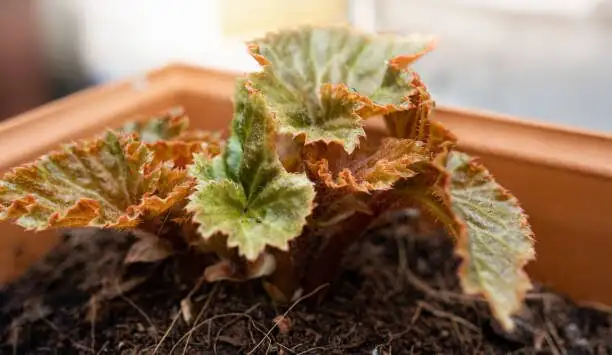
Summer bloom rhythm: Water, feed, and pamper
- Light: bright shade; morning sun okay. Avoid harsh midday/afternoon rays.
- Temperature: aim for 16–21°C; above ~32°C can trigger wilt and bud drop—give extra shade and airflow.
- Water: evenly moist, never waterlogged; never let pots stand in saucers of water.
- Feeding cadence: every 10–14 days with a balanced-to-bloom fertilizer (for example, a bloom formula such as 15-15-30 used per label). This sustains flower production without pushing lanky foliage.
Late summer–early autumn: Bank energy for the tuber
- Deadhead spent blooms promptly. This diverts energy back to the tuber rather than to seed.
- If growth becomes weak or storm-flopped, cutting stems back to about half height can encourage sturdier regrowth—so long as the tuber remains healthy and the season still offers growing time.
- Begin to ease off feeding as flowering wanes.
Autumn–early winter: The graceful exit—lift, dry slightly, and store
- Reduce watering as the show winds down. Once leaves yellow and die back, stop regular watering.
- Lift the tuber, brush off mix, and let it dry slightly.
- Store in a cool, dry, airy place (above 10°C/50°F), away from damp. Good options include breathable paper bags or a box of dry peat/vermiculite. Label varieties.
- Check monthly. Discard any that soften or rot.
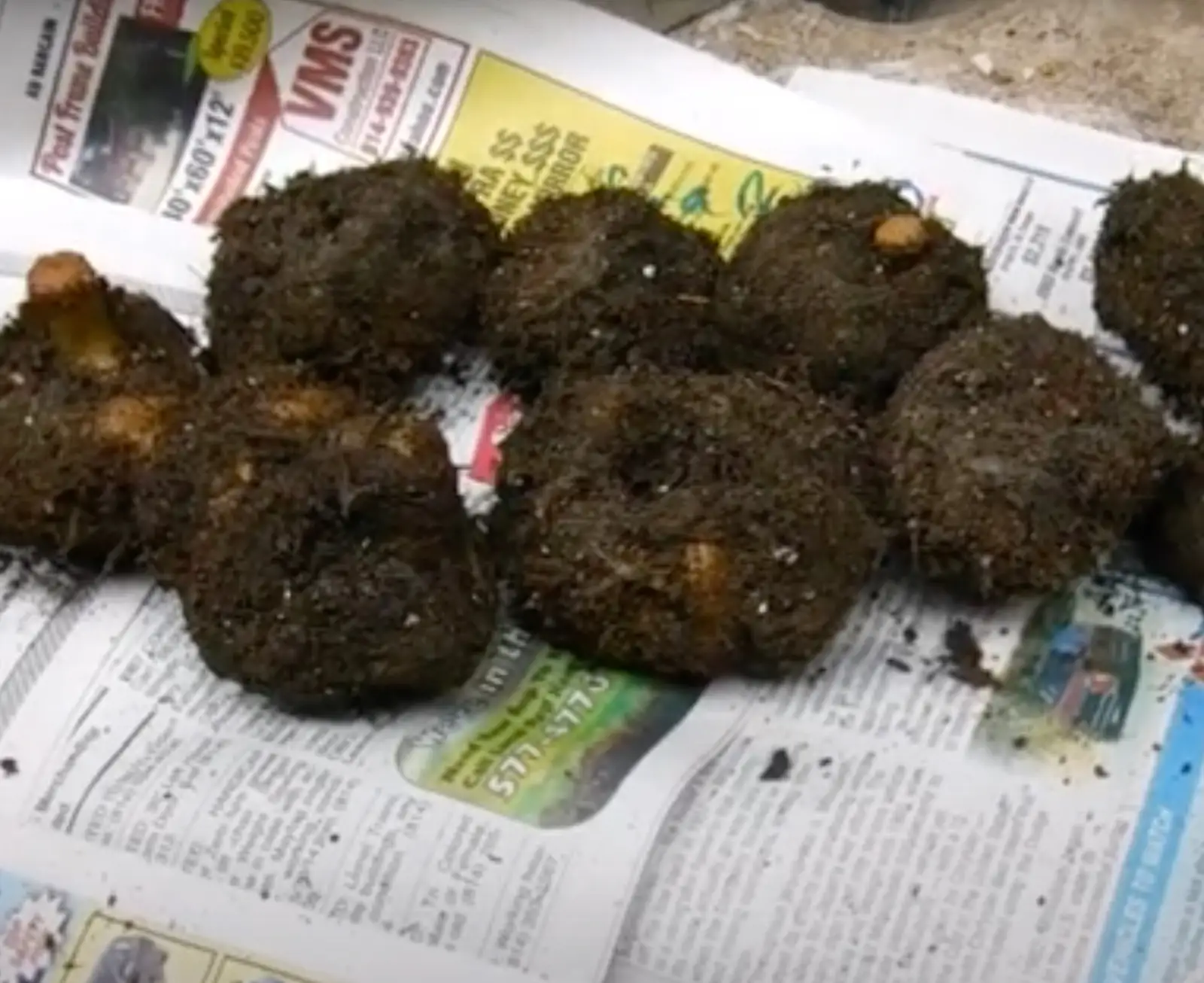
Late winter: The encore
- Inspect stored tubers—firm is good.
- Repot and restart the cycle (concave side up; water lightly until growth begins). Or, sow seed again in January–February for a fresh cohort.
Feeding Rhythms, Simplified
- Active growth and bloom: feed every 10–14 days.
- What to use: a balanced-to-bloom fertilizer at label rates; a bloom formula such as 15-15-30 works well for flower strength.
- When to pause: as flowering finishes and plants prepare for dormancy.
- Water first, then feed: never apply fertilizer salts to dry roots.
Pruning and Deadheading: Small cuts, big returns
- Deadhead diligently: remove spent blooms and stalks to channel energy back into the tuber.
- Tidy reductions: if stems grow weak or leggy, reduce to about half their height to encourage sturdier, leafier regrowth.
- Timing matters: heavy cuts right before dormancy can reduce energy storage; focus major shaping earlier, then let healthy leaves photosynthesize into autumn.
Watering Like a Pro
- The golden rule: evenly moist, not wet. Overwatering invites stem/root/tuber rot; underwatering brings limp leaves and collapsing stems.
- Baseline: about once per week, then adjust for temperature, pot size, and airflow.
- Protect from heavy rain outdoors; excess splash and soggy mix are top triggers for rot.
Environment & Placement
- Sunlight: bright indirect light to partial shade; gentle morning sun is okay. Avoid harsh midday/afternoon sun.
- Temperature: best at 16–21°C; keep above 10°C in winter; prolonged heat above 32°C can cause trouble.
- Humidity: 50–70% with ventilation.
- Outdoors: shaded patios/balconies with airflow; shelter from wind and pounding rain.
- Hardiness: frost-tender. Overwinter as stored tubers unless you garden in a warm climate (roughly USDA 10–11).
Propagation Quick-Start
- Seed (Jan–Feb): surface-sow dust-fine seeds; 18–21°C; light required; 10–15 days to germinate; transplant at 2–3 true leaves to 6 cm pots.
- Shoot cuttings (June–July): take ~10 cm tips with a bud; strip lower leaves; allow a brief dry; root in a sandy/perlite-rich medium with warmth and bright shade; expect roots in about 3 weeks.
Pro tip on media: Perlite/vermiculite mixes are clean, airy, and help prevent rot during rooting. Sphagnum/peat blends also work—just keep conditions well-drained and never sopping wet.
Buying Smart
- Plants: choose compact growth, thick stems, and plenty of healthy buds.
- Dormant tubers: select firm, plump, clean tubers at least 2 cm across—round to flattened-round shapes are typical.
Troubleshooting: What the plant is “telling” you
- Buds dropping or wilting in heat: likely temps above ~32°C or too much sun—move to brighter shade and boost airflow.
- Soft tuber, sour smell: rot from excess moisture and poor drainage. Remove affected tissue if minor; badly rotted tubers are seldom salvageable.
- Pests: watch for aphids, thrips, scale, and leaf-rolling caterpillars. Start with isolation, a firm rinse, and insecticidal soap or horticultural oil as needed.
- Powdery mildew or general “mushiness”: stagnant, humid air. Increase ventilation; water soil, not leaves.
Safety Note
Begonias are commonly considered toxic to pets; the tubers are the most problematic. Keep away from cats, dogs, and curious kids, and seek veterinary/medical advice if ingestion is suspected.
Story, Symbolism, and Delight
- A cultivated classic: Today’s tuberous begonias descend from South American species, bred for larger, more flamboyant, often fully double blooms that can mimic camellias or roses.
- Symbolism: Often linked with affection and tender feelings—sometimes even unrequited love. Perhaps it’s the generous display followed by a quiet retreat into dormancy that inspired poets to see longing and devotion in its life cycle. In modern homes, it’s simply a joy-maker: bright, colorful, and just dramatic enough.
- Fun to know:
- That “bulb” is a tuber—a living battery that stores energy for next season.
- Airflow is as vital as humidity; stagnant, damp conditions are an express ticket to rot.
Master this timeline—sow in January–February at 18–21°C, take 10 cm shoot cuttings in June–July, then lift, dry slightly, and store the tuber—and Begonia × tuberhybrida will reward you with show-stopping shade blooms, year after year.