

Meet the Buddhist pine (Podocarpus macrophyllus): a dignified evergreen with deep‑green, glossy leaves that stays neat and handsome year‑round. Want yours to look that way at home? Start with a sharp eye in the shop, then give it a calm, two‑week acclimation. The payoff: a plant that settles quickly and grows with poise.
Smart shopping: how to pick a winner
Aim for a plant that already looks like your future success story.
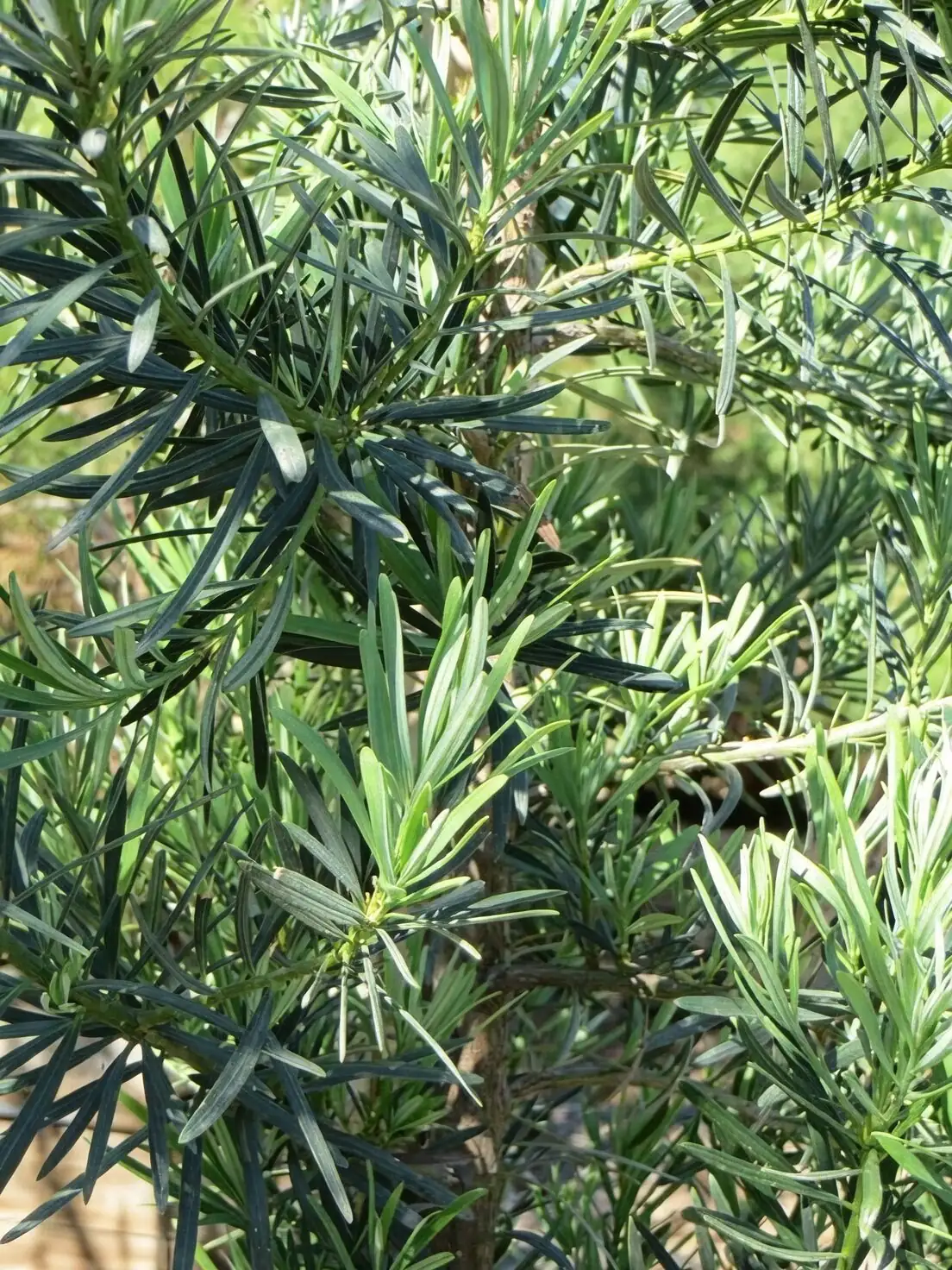
- Dense branching and a balanced silhouette. Full, evenly spaced growth is your best clue to good light and care at the nursery.
- Leaves: deep green, glossy, intact. Skip any with tears, brown tips, spots, or dull, sallow color.
- Pest check (especially for scale). Look closely along stems and leaf midribs for tiny, tan or brown, shell‑like bumps or sticky residue. If you see any, choose another plant.
- Compact, upright growth on minis. For smaller pots, look for tidy, evenly stacked foliage rather than stretched, floppy stems.
- Pot and roots: the mix should be moist, not swampy; the pot shouldn’t smell sour. If you can peek at a drainage hole, healthy roots look firm and pale, not mushy.
- Size and pot cues: commonly sold up to about 60 cm (24 in) tall in 12–15 cm (4.7–5.9 in) or ~25 cm (9.8 in) nursery pots.
- Planning a water‑culture display? Choose a clean, seed‑grown seedling around 15–20 cm (6–8 in) tall for the easiest transition.
Tip: Do a gentle “leaf sheen test.” Healthy Podocarpus foliage has a quiet gloss; a greasy shine can be residue from leaf polish, which can hide problems.
The two‑week gentle acclimation plan
Your goal is to stabilize light, moisture, and air—then increase light gradually. Avoid repotting or fertilizing until the plant signals it’s settled with new growth.
Day 0: Arrival
- Quarantine for 10–14 days away from other plants and inspect for scale.
- Placement: bright, filtered light—an east window is ideal; a south window works if you use a sheer curtain.
- Do not repot. Let roots recover from travel stress.
- Water to evenly moisten the mix, then empty the saucer. Don’t leave it soggy.
- Humidity: aim for 50–60% (a pebble tray or light morning mist helps in very dry rooms).
- Keep away from heating vents and cold drafts.
Days 1–3
- Maintain bright, indirect light; no direct sun.
- Check moisture with your finger: water when the top 2–3 cm (about an inch) feel dry.
- Rotate the pot a quarter turn to encourage even branching.
Days 4–7
- Slide it a bit closer to the window (still filtered). Watch foliage—glossy and upright = happy.
- Continue even moisture: never bone‑dry, never soggy.
- Re‑inspect for scale; wipe away any suspicious bumps and treat with horticultural oil or insecticidal soap if needed.
Days 8–10
- Move to its long‑term spot: bright, indirect to gentle morning sun. Test with your hand—if the shadow is soft‑edged, the light is right.
- Maintain moderate humidity. Avoid misting late in the day.
Days 11–14
- Set your routine. In many homes, watering about once per week works; adjust to your light, pot size, and season.
- When you see fresh buds or soft new shoots, you can begin your normal feeding schedule (see below).
Light and placement
- Best: bright, indirect light to partial shade. East‑facing windows are ideal; south‑facing windows are fine with a sheer curtain.
- Tolerant: lower light, with slower, looser growth.
- Avoid: harsh, hot direct sun indoors; cold drafts; blasting heat from vents.
- Balcony or entryway: choose a bright, sheltered spot and avoid freezing air on young plants.
Temperature and humidity
- Comfort zone: 13–25°C (55–77°F).
- Keep foliage looking its best above 10°C (50°F).
- Young plants can be damaged below ~5°C (41°F). Mature, established plants may tolerate brief, sheltered dips to about −5°C (23°F).
- Humidity: prefers moderate levels, roughly 50–70%. Light misting helps in dry air.
Watering made simple
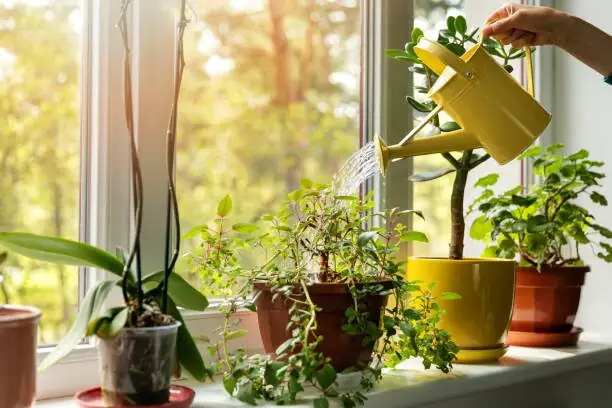
- Aim for “evenly moist”: never waterlogged, never bone‑dry.
- Typical rhythm: about once per week during active growth, but always adjust to your conditions.
- Always empty the saucer after watering.
- Winter: growth slows—let the top layer dry a bit more between waterings, but don’t let the root ball crisp.
Soil and potting mix
Give roots air plus drainage.
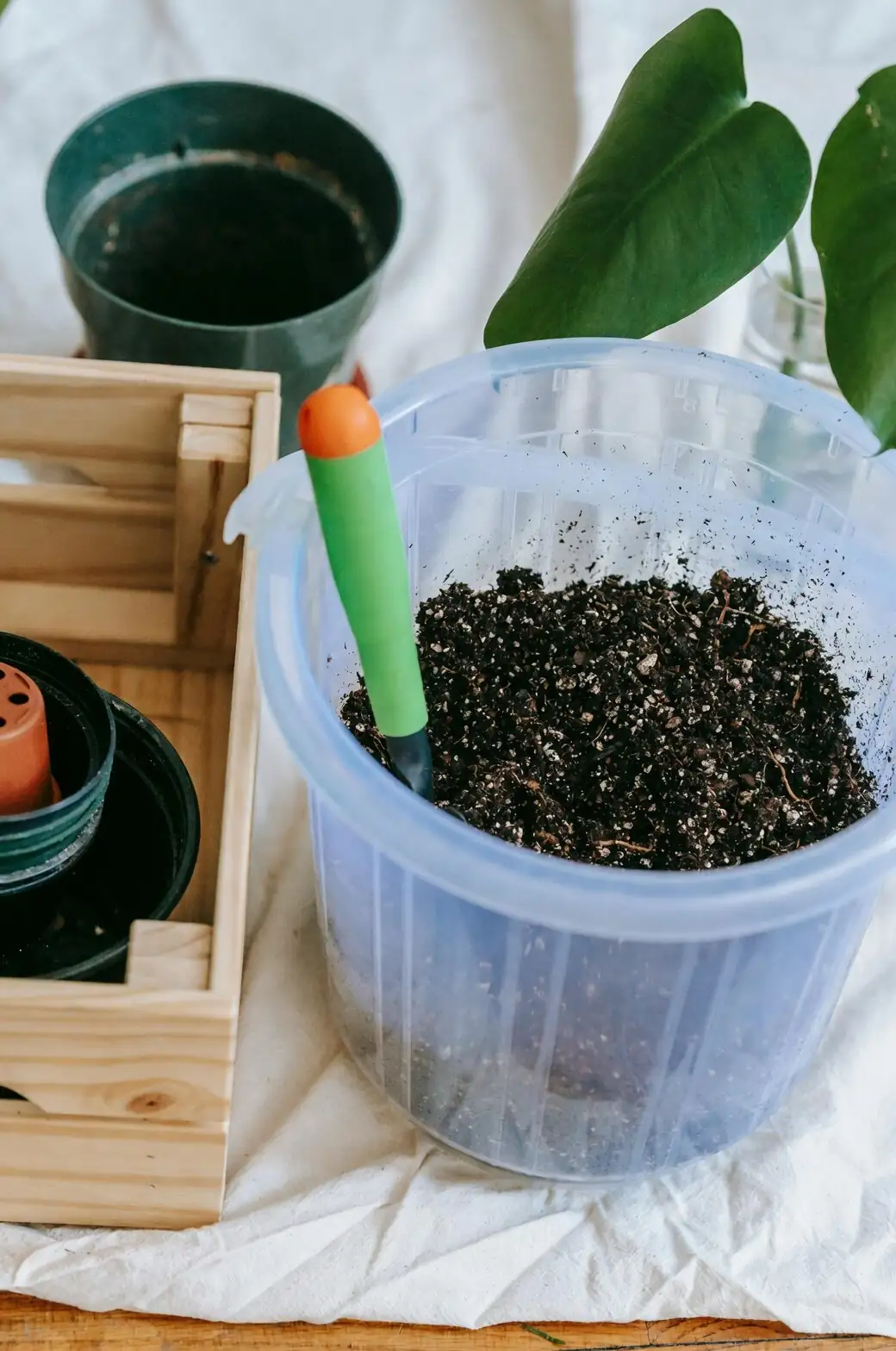
- Mix recipe: leaf mold or compost + garden loam + coarse sand, blended for a free‑draining, airy texture.
- Add a gritty drainage layer at the pot base.
- Pot choice: a sturdy 15–20 cm (5.9–7.9 in) diameter container (or the next size up from current).
- Repotting cadence: every 2–3 years in late spring. Skip immediate repotting after purchase unless the plant is severely rootbound.
Feeding
- Spring and autumn: feed about once per month with a balanced fertilizer (e.g., 20‑20‑20) or a well‑rotted organic cake fertilizer.
- Winter: pause feeding.
- Water culture: add a hydroponic nutrient solution about once per month.
Pruning and shaping
- Trim lightly to maintain height and encourage side shoots if the main stem stretches.
- If the lower leaves yellow and drop, a careful cutback can prompt fuller branching.
- Water‑grown plants can also be pruned to keep proportions neat.
- For formal looks, it takes well to shaping and light shearing once established.
Sleek water‑culture (hydroponic) display
A modern, tidy look that suits desks and shelves—just start small.
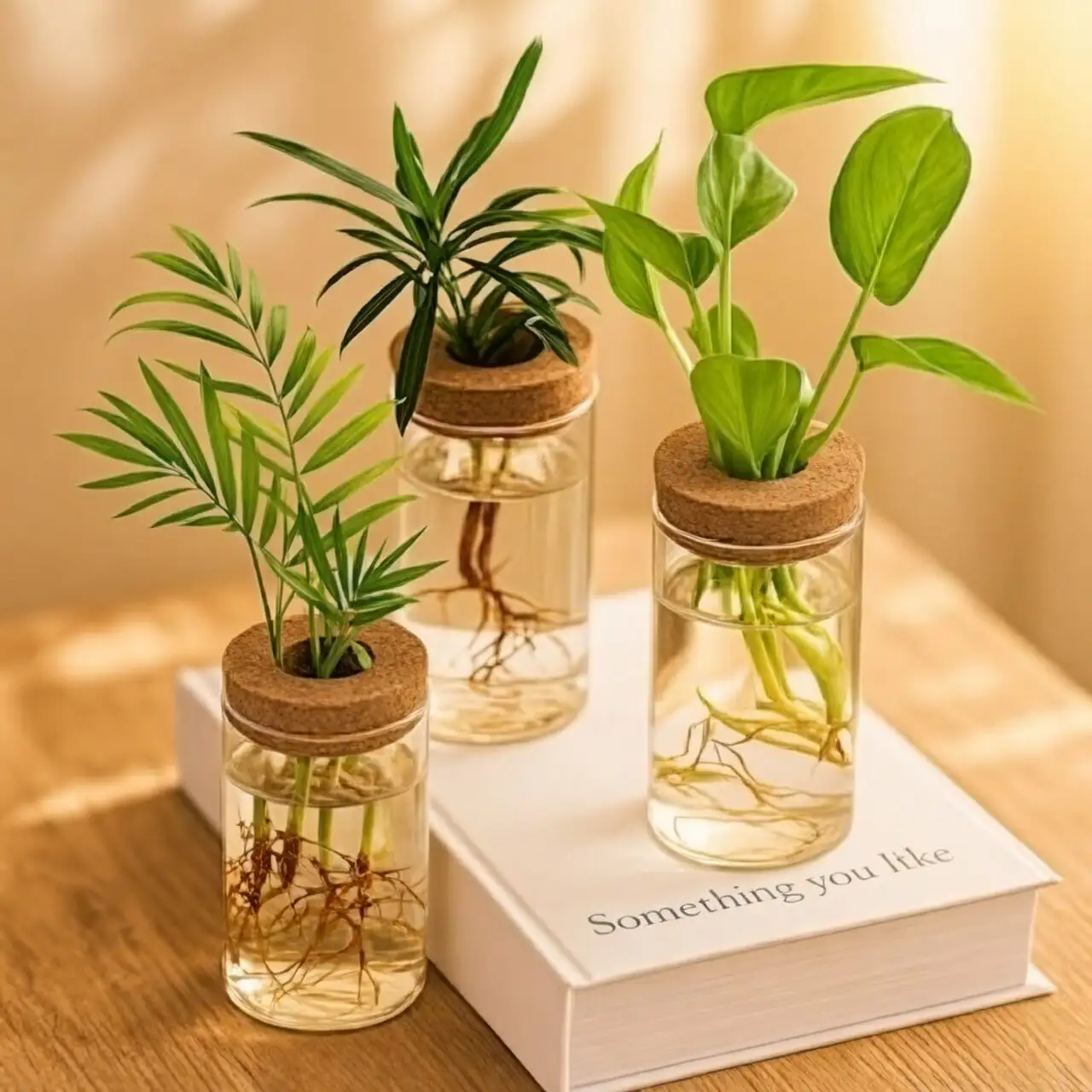
- Start with a clean, healthy seed‑grown seedling 15–20 cm (6–8 in) tall.
- Rinse soil from roots gently.
- Anchor in a glass, ceramic, or metal container with large LECA/clay pebbles or smooth stones.
- Light and temp: bright, indirect light at 18–26°C (64–79°F).
- Change water every 3–5 days for clarity and oxygen; add hydroponic nutrients monthly.
- Mist foliage lightly if indoor air is dry; prune to control height.
Pests, diseases, and quick fixes
- Scale insects: the most common indoor pest. Wipe off with a cotton pad; treat with horticultural oil or an appropriate insecticidal soap. Repeat treatments to catch hatchlings.
- Leaf spot: improve airflow, avoid wetting foliage late in the day, and remove affected leaves.
- Yellowing leaves from the inside out can follow stress (low light, chill, inconsistent watering). Stabilize care and snip away tired foliage to redirect energy.
Safety note
Use caution around pets and children. Podocarpus species are widely reported as toxic if ingested—keep out of reach and seek veterinary/medical advice if eaten.
Year‑round care calendar
- Spring and autumn (active growth): water as needed (often about weekly); fertilize monthly.
- Late spring: repot every 2–3 years into a free‑draining mix; add a gritty drainage layer.
- Winter: keep above 10°C (50°F) for best foliage; stop fertilizing; protect young plants from temps below ~5°C (41°F).
- Water culture year‑round: 18–26°C (64–79°F); change water every 3–5 days; add nutrients monthly.
Origins, uses, and good‑luck lore
- Native range: China and Japan.
- Names you’ll hear: Buddhist pine, Japanese yew, yew plum pine, Podocarpus.
- Why so familiar? It’s widely sold under auspicious “lucky” trade names, so many people recognize it even if they don’t know its true identity.
- Uses: a refined indoor foliage plant for containers; also handsome on bright, sheltered balconies. Young plants make striking water‑culture accents.
About “flower language” (花语): Buddhist pine is often linked with prosperity and good fortune in the marketplace—more marketing than ancient symbolism. The association likely stems from its calm, evergreen presence and the popularity of “lucky” branding, not a specific classical flower‑language tradition.
Fast FAQ
- How much light does it really want indoors?
- Bright, filtered light is ideal. It tolerates lower light but grows fuller and glossier near an east window or a south window with a sheer.
- When should I fertilize after purchase?
- Wait until you see fresh new growth—usually after your two‑week acclimation—then feed monthly in spring and autumn.
- Can I grow it in water?
- Yes—start with a small, clean, seed‑grown seedling (15–20 cm / 6–8 in). Anchor with LECA or stones, give bright indirect light, change water every 3–5 days, and add hydro nutrients monthly.
Parting thought
Shop smart—dense branching, deep‑green glossy leaves, no spots, no scale—and ease your new Podocarpus through two unhurried weeks. With bright, gentle light and evenly moist care, this elegant evergreen settles in fast and rewards you with year‑round polish.