


If the holidays leave you with a crimson star that slowly slumps toward the bin, here’s a better story: keep your Euphorbia pulcherrima Willd. (poinsettia) for years, shrink your holiday footprint, and enjoy a repeat performance every winter. Think of it as a living calendar—post-holiday prune, sunny summer growth, and autumn nights long enough to cue those famous “flowers” (they’re bracts!) back into color.
Meet the poinsettia’s secret life
The poinsettia is a photoperiodic performer native to Mexico and tropical America, where it can grow into a woody shrub. Indoors, it’s a compact houseplant known for striking bracts in red, pink, white, or marbled tones that ring a cluster of tiny yellow-green true flowers (cyathia) at the center. It’s warm-loving, prefers bright light, and needs long, uninterrupted nights in autumn to re-color. With thoughtful care—not much more than a steady routine—you can keep the same plant thriving for multiple holiday seasons.
Your zero-waste poinsettia year: a sustainability-first calendar
January–March: Stabilize, savor, set the stage
- Light and warmth: Bright indirect light (plus a little gentle direct sun is welcome), days around 18–25°C/64–77°F with slightly cooler nights. Keep it above 15°C/59°F in winter and never below 10°C/50°F.
- Water rhythm: About weekly on a bright morning. Keep the soil evenly moist, never soggy. Water thoroughly, then empty the saucer.
- Humidity and drafts: Average home humidity is fine—avoid blasts from heating/AC and cold windows.
- Waste-less wins:
- Peel off any non-draining foil sleeve so roots don’t stew.
- If stems get leggy, recut a few to enjoy as cut “flowers.” Because poinsettias bleed milky latex, sear cut stem ends for a few seconds or briefly dip in hot water to stop sap flow and help them last in a vase (often up to two weeks).
- Compost fallen bracts and leaves; they break down beautifully.
- Pest watch: Whiteflies, spider mites, thrips, and fungus gnats may appear in warm, dry rooms. Rinse foliage, improve airflow, and use insecticidal soap or horticultural oil if needed.
Late March–May: The decisive prune (and repot)
This is the make-or-break moment that turns a “disposable” holiday plant into a perennial housemate.
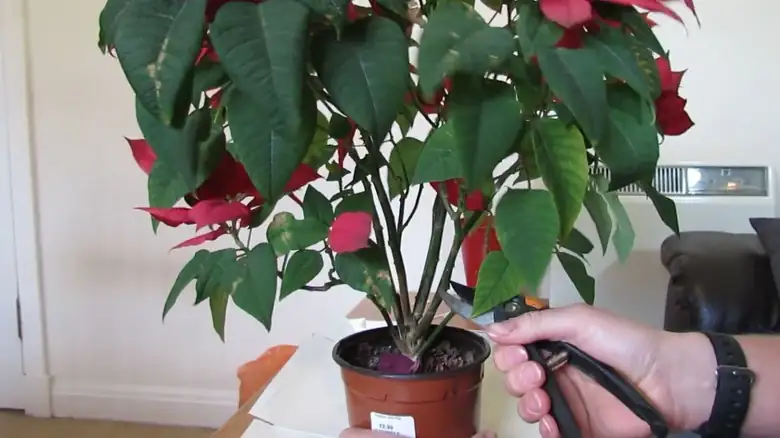
- Prune back after the display fades:
- Option A: Cut stems to 10–15 cm (4–6 in) above the soil.
- Option B: Leave a 20–25 cm (8–10 in) framework with 2–3 nodes per stem for a taller shape.
- Safety tip: Wear gloves; the milky latex sap can irritate skin and eyes. Let cuts dry briefly before watering to reduce rot risk.
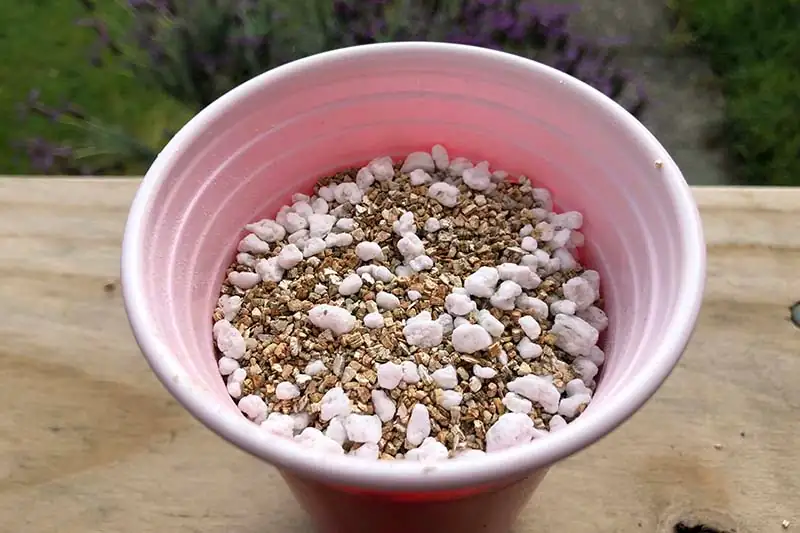
- Repot once, only if rootbound: Move up a single pot size (5–10 cm/2–4 in wider) into a loose, well-draining mix (peat/coir with perlite or vermiculite; pH ~5.8–6.5). Keep the crown slightly above the soil line.
- Resume feeding when new growth starts: Use a balanced houseplant fertilizer—either every 2 weeks at a lighter dose or every 3–4 weeks at half strength.
Sustainability bonus: Turn pruned tips into new plants.
- Take 7.5–10 cm (3–4 in) stem cuttings.
- Rinse or let sap stop, then root in perlite/vermiculite or clean sand at 25–28°C/77–82°F with high humidity. Rooting often takes 2–4 weeks.
- More plants for friends = fewer bought next season.
May–September: Grow it on like a small shrub
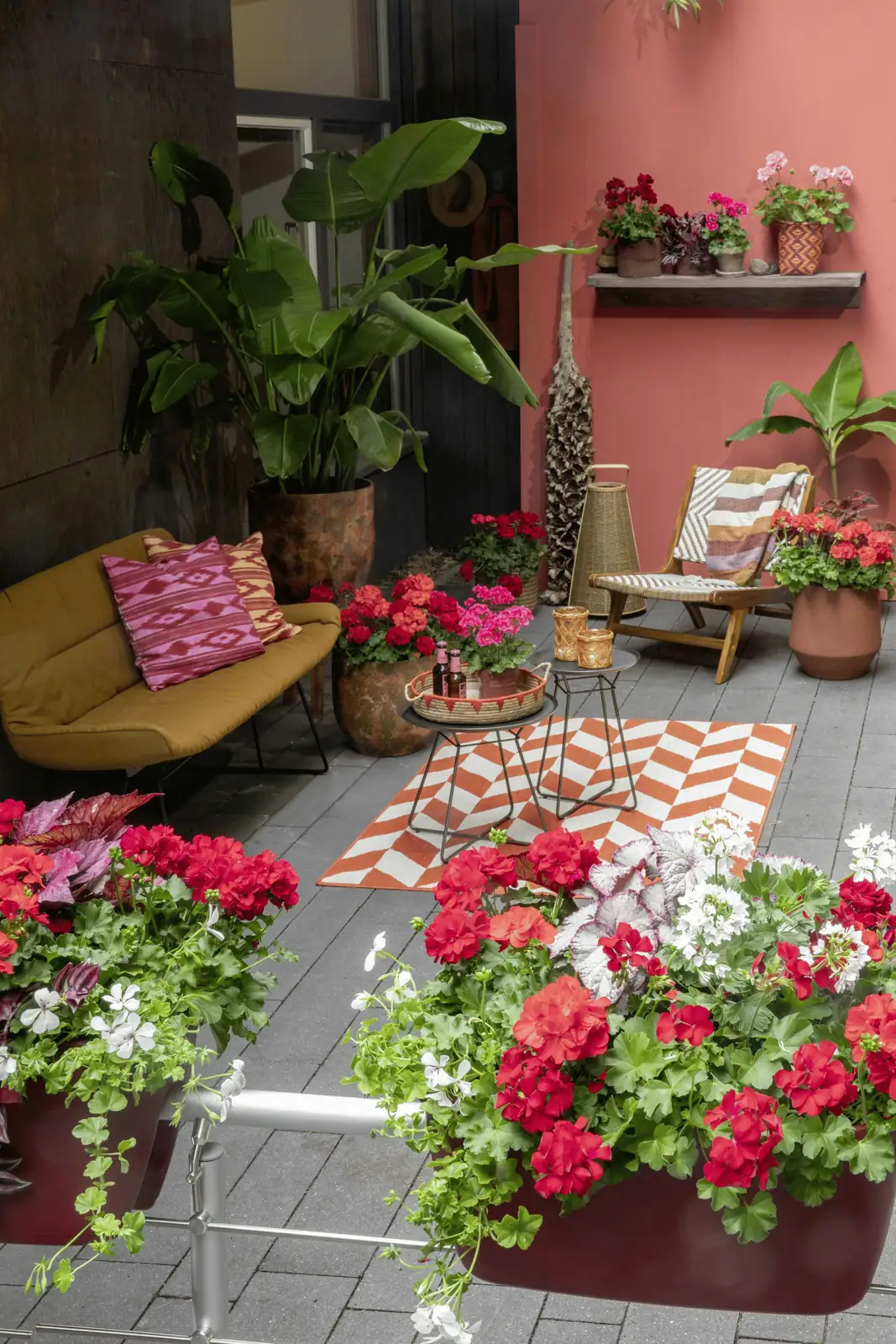
- Light and placement: Very bright light indoors; protect from harsh midday sun behind hot glass. In warm weather, a sheltered porch or patio is perfect—bright, indirect light and no chill. Bring it back inside before nights dip below 15°C/59°F.
- Pinch for bushiness: Every few weeks, pinch soft new tips to encourage branching and a compact plant (your eco-friendly alternative to commercial growth regulators).
- Water: Still “evenly moist.” In heat, you may water twice weekly—always guided by the top 2.5–5 cm (1–2 in) of soil drying first.
- Feed regularly: Keep that balanced fertilizer cadence through early autumn.
- Air and hygiene: Good airflow, quick cleanup of fallen leaves, and a periodic rinse in the shower keep pests and mold at bay.
Late September–November: The magic of darkness
This is when sustainability gets scientific. To re-color, poinsettias demand long, uninterrupted nights for 8–10 weeks.
- Night rule: 14–16 hours of complete darkness every night. Even a hallway lamp, phone glow, or TV light can delay coloring.
- Practical setups: A dedicated dark room; a ventilated, lightproof box you place over the plant nightly; or a closet (no peeking).
- Day rule: Bright days, steady warmth, and modest feeding (you can reduce fertilizer during this period).
- Water: Keep gently moist—avoid the drought-then-drench cycle that triggers yellowing or leaf drop.
- Consistency: Start in late September to hit a holiday peak.
November–December: The encore
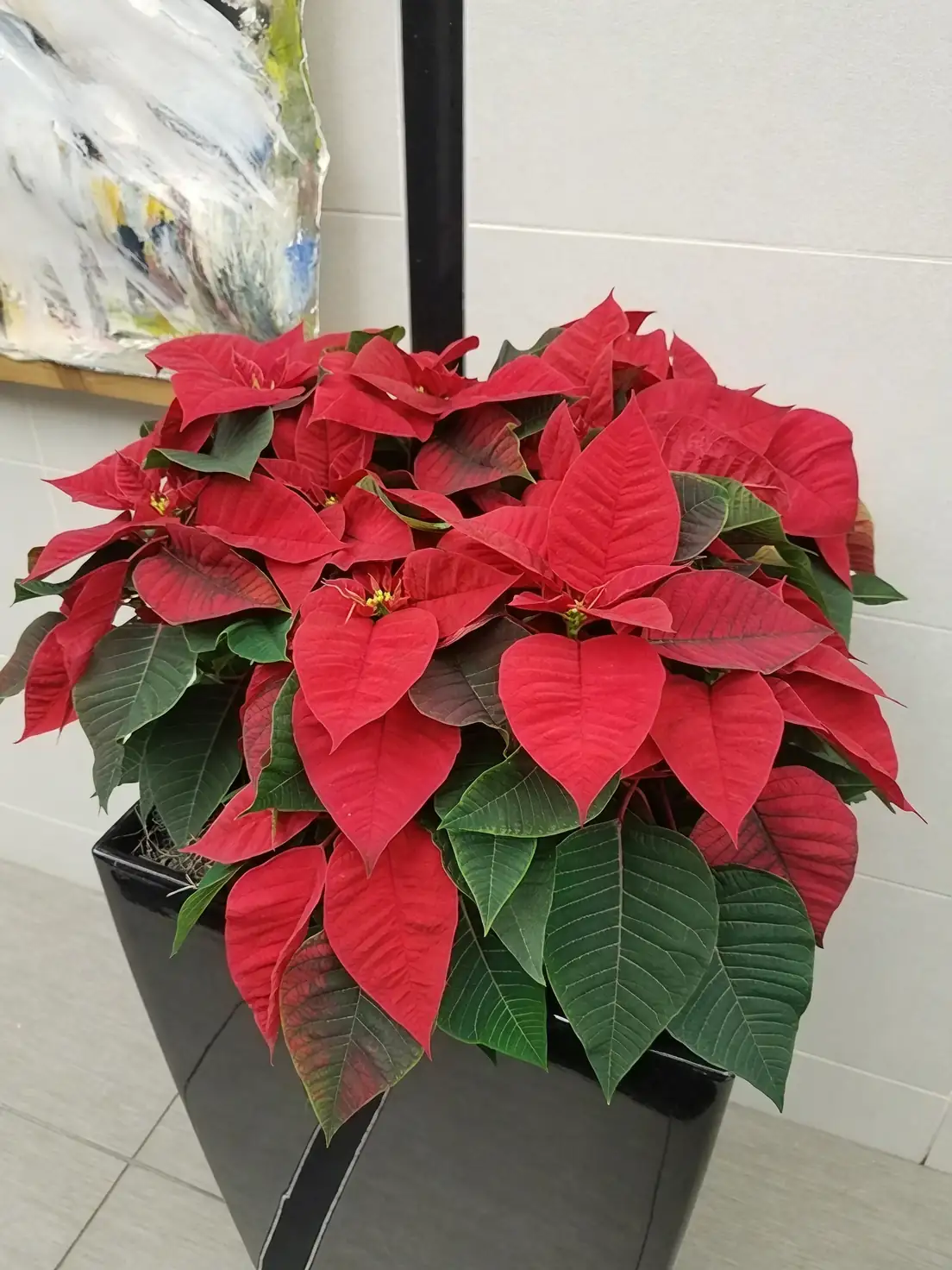
- Your reward: Bracts deepen in color and the plant takes the stage again.
- Care: Bright days, warm stable temperatures, and gentle weekly watering. Pause or reduce fertilizer while the display is in full swing.
- Impact check: You’ve kept one more plant out of the landfill—and set up a tradition you can repeat every year.
The nonnegotiables: light, temperature, water, soil
- Light: Bright indirect light year-round; a little gentle direct sun helps, especially in autumn. Strict long nights (14–16 hours) for 8–10 weeks to trigger bract color.
- Temperature: Day 18–25°C (64–77°F); nights around 15–18°C (59–65°F). Protect from drafts, cold glass, and any dip below 10°C/50°F (aim to keep winter above 15°C/59°F).
- Water: Evenly moist, never soggy. Water when the top 2.5–5 cm (1–2 in) is dry; drain excess water.
- Soil: Loose, well-aerated, fast-draining potting mix; slightly acidic to near-neutral (pH ~5.8–6.5).
Common trip-ups and low-impact fixes
- Sudden leaf drop:
- Likely causes: Cold drafts, low light, cold windows, overwatering/underwatering swings.
- Fix: Warmer, brighter spot; consistent watering; move away from vents and cold panes.
- Whiteflies, mites, thrips, gnats, scale:
- Prevention: Bright light, airflow, clean surfaces, no soggy soil.
- Action: Rinse foliage, isolate, apply insecticidal soap or horticultural oil, use yellow sticky traps for whiteflies/gnats, and improve drainage.
- Gray mold or root/stem rot:
- Cause: Stagnant air plus overwatering.
- Fix: Prune affected parts, increase airflow, let the top layer dry between waterings, and ensure the pot drains freely.
Safety first (and where to place it)
The sap is mildly toxic/irritating—especially for those with latex sensitivity. Wear gloves when pruning, keep it away from curious pets and children, and avoid getting sap in your eyes. Indoors, choose a bright windowsill or a very bright room; outdoors, only in warm, frost-free conditions (best year-round in USDA Zones 9–11, with the most reliable landscape performance in truly frost-free microclimates often described as 10–12). In cooler regions, summer it outside, then bring it in well before nights chill.
Symbolism, story, and the “flower language”
- Roots in Mexico: Known to the Aztecs as “cuetlaxochitl,” the plant was used for dye and traditional remedies long before it became a holiday icon.
- A legend retold: The tale of Pepita—whose humble weeds turned to brilliant red poinsettias at a church altar—links the starry bracts to the Star of Bethlehem and themes of generosity.
- National Poinsettia Day: December 12 honors Joel Roberts Poinsett, who introduced the plant to U.S. horticulture in 1828.
- Flower language, thoughtfully: Modern “花语” assigns poinsettia meanings of celebration, joy, and fresh beginnings; white forms are often tied to purity, and red to love or sacrifice. These meanings are cultural stories, not botanical facts—but they’re powerful traditions that add heart to the plant’s winter glow.
Quick sustainability wins
- Buy better, waste less: Choose plants with tight, unopened center flowers (cyathia), undamaged bracts, and leaves down the stems. Avoid chilled or draft-exposed displays. A robust start means a longer life.
- Ditch decorative sleeves: Foil wrappers trap water—recycle or repurpose them as craft material and let your pot drain freely.
- Propagate and share: Turn prunings into new plants; trade locally to reduce new purchases.
- Compost, always: Spent bracts and leaves go back to the soil stream, not the trash.
- Pinch, don’t regulate: Regular summer pinching keeps plants compact naturally.
Fast answers
- Can I plant my poinsettia outdoors? Yes, only where frost never intrudes. It’s happiest year-round in warm, frost-free zones. In cooler regions, treat it as a houseplant and just summer it outside.
- Why won’t it turn red again? Night light leaks are the usual culprit. Give 14–16 hours of true darkness nightly for 8–10 weeks starting in late September.
- My home is dry in winter—help? Group plants, use a room humidifier, and keep away from heat vents. Moderate humidity reduces stress and leaf drop.
Fun to know
- Those “petals” are bracts—modified leaves. The true flowers are the tiny yellow-green centers.
- In its native habitat it can reach 2–4.5 m (6.5–15 ft) as a shrubby perennial.
- Breeding has created over a hundred cultivars across reds, pinks, whites, burgundies, yellows, and marbled patterns.
Keep the calendar, keep the plant, keep the joy. With a little seasonal choreography—from that purposeful spring haircut to autumn’s sacred darkness—you’ll replace a yearly purchase with a lasting tradition and a lighter footprint.


