

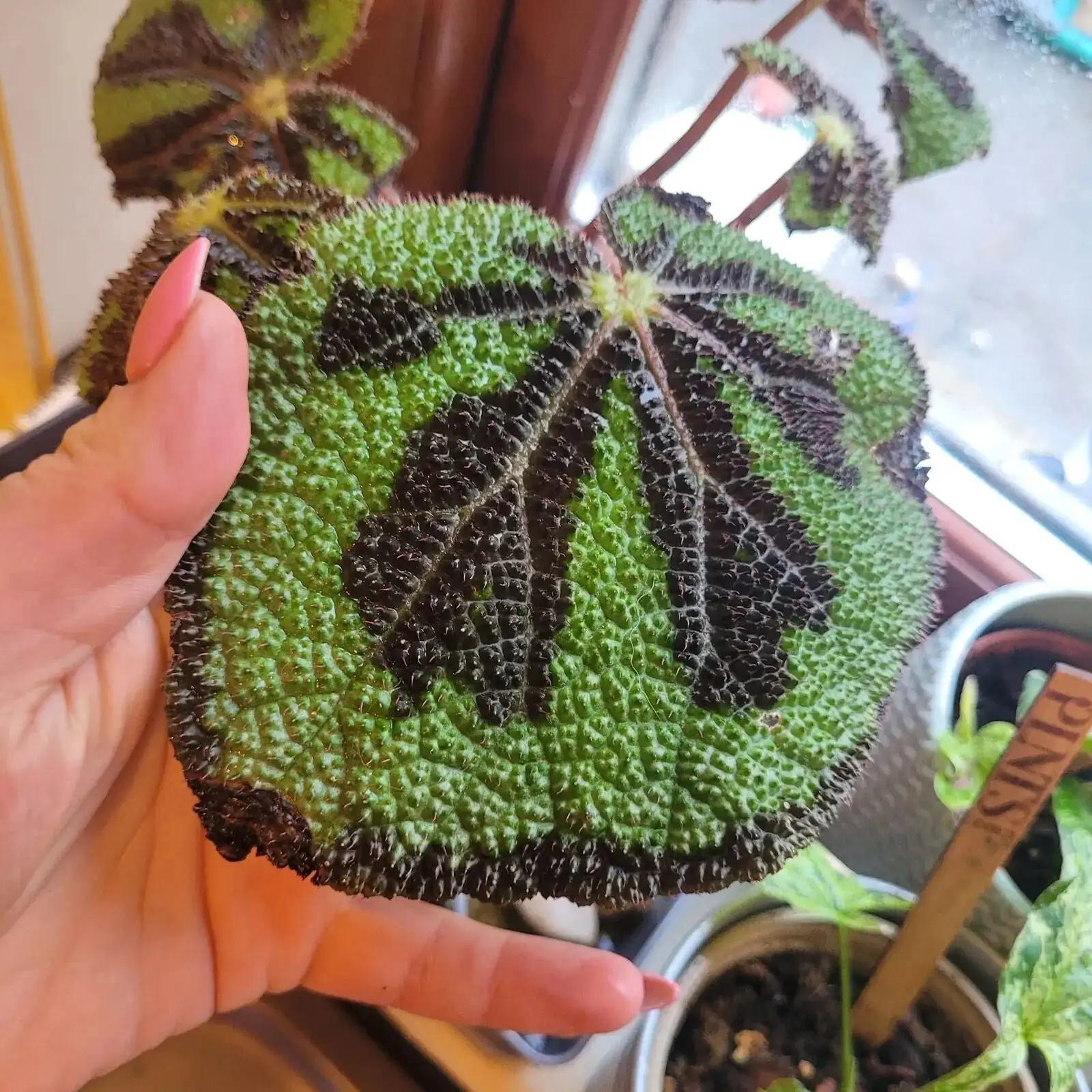
Ever met a plant that seems to whisper a message before you even read its care tag? Begonia masoniana—best known as the Iron Cross Begonia—does exactly that. Its bright green, heart-shaped leaves are stamped with a bold, dark cross, a living emblem that once meant “proceed with caution” in the Victorian language of flowers and now reads as a modern badge of individuality and protection. Let’s decode its symbolism, place it with purpose, and keep it thriving with confidence.
Meet Begonia masoniana, the Iron Cross Begonia
- Origin: Southern China to Vietnam; now a beloved ornamental houseplant worldwide
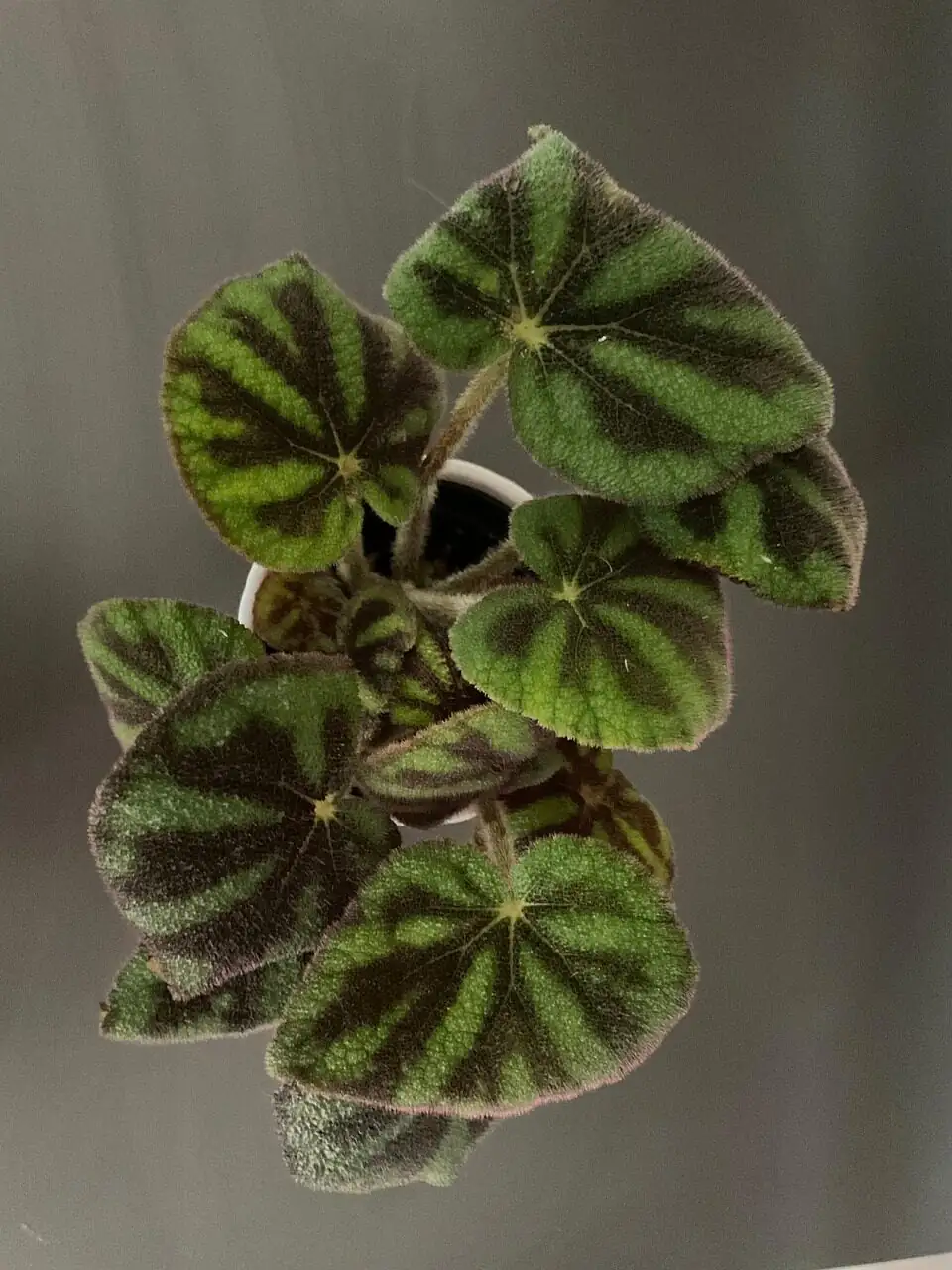
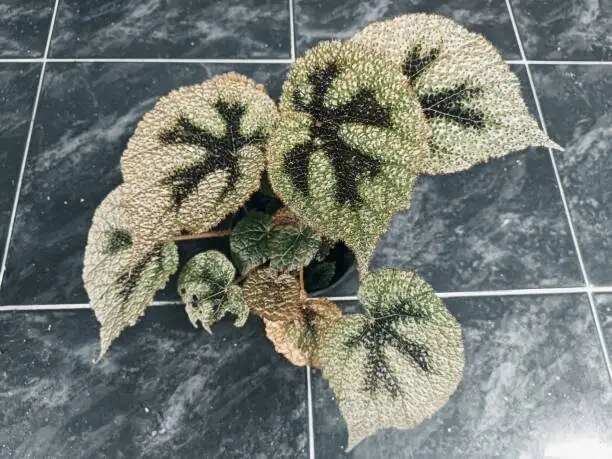
- Look: Vivid green, heart-shaped leaves, textured like fine sandpaper, each marked by a dramatic wine-red to brownish cross
- Habit and size: Compact, clump-forming rhizomatous perennial; typically 12–18 in (30–45 cm) tall and wide in a pot
- Flowers: Small, pale pink to whitish; charming, but the foliage steals the show
- Also called: Mason’s Begonia, Brazilian Begonia (an alias you’ll see in shops), but “Iron Cross Begonia” is the most recognized common name
The secret code of flowers: how begonias came to mean “caution”
Victorian floriography—the social art of sending coded messages through plants—turned the parlor into a private telegraph. In that floral lexicon, begonias frequently carried a message of caution or “beware.” Why?
- The backstory of floriography: Various handbooks circulated in the 19th century, and they didn’t always agree. Still, “caution” for begonia appears again and again, making it one of the sturdier assignments in an otherwise fluid code.
- Possible roots of the meaning: Begonias’ unconventional leaves—often asymmetrical, patterned, and (in this case) visibly stamped—stood out in a world that prized symmetry and restraint. That visual “pause” may have read as a polite warning.
- Another thread: gratitude and respect. The genus honors Michel Bégon, named by Charles Plumier—so begonias also picked up notes of appreciation and acknowledgment in many modern interpretations.
In short, the begonia’s Victorian message oscillated between “step carefully” and “I honor you.” That duality suits Begonia masoniana perfectly: the leaf warns, the plant wows.
Today’s reading of the Iron Cross: uniqueness and protection
Fast-forward to contemporary plant culture, and the Iron Cross Begonia’s symbolism has evolved:
- Uniqueness and self-expression: The bold, unmistakable cross turns each leaf into a signature—no two patterns are quite alike.
- A protective emblem: Many plant lovers see the dark cross as a shield or talisman, a visual guard at the threshold. While symbolic rather than literal, it’s a powerful image for a doorway table or a home office.
This modern take harmonizes with its widely embraced meaning today: individuality and the appreciation of unique beauty.
Feng shui–inspired placements (that your plant will actually love)
Think of feng shui as a guide to intention. Pair those ideas with what keeps Begonia masoniana healthy—bright, indirect light; warmth; and steady humidity—and you’ll get placements that feel good and grow well.
- East (Family/Health) or Southeast (Wealth/Abundance)
- Why: The plant’s lush green speaks to the Wood element—growth, renewal, and vitality.
- Plant care fit: Morning sun from an east window is gentle and ideal. Keep it out of harsh direct rays.
- Entry console or foyer shelf
- Symbolic role: The dark cross can serve as a friendly “guardian” motif.
- Plant care note: Avoid cold drafts. Keep it set back from the door where light is bright but indirect.
- Home office or studio
- Intention: Encourage confident self-expression and steady focus.
- Care tip: Park it near a bright, north- or east-facing window; a small desk fan on low improves airflow.
- Bright bathroom (with a window)
- Intention: Renewal and daily rituals.
- Care tip: The naturally higher humidity (with good airflow) suits its sandpapery leaves beautifully.
Feng shui is not one-size-fits-all; let your layout, light, and comfort lead—then layer in symbolism where it resonates.
Care, made simple: how to keep the Iron Cross thriving
- Light
- Best: Bright, indirect light; tolerates medium light.
- Avoid: Harsh direct sun that can scorch or fade the markings.
- Water
- Method: Water when the top 1 in (2–3 cm) of mix is dry. Drench thoroughly, then drain completely.
- Winter: Water less, but never let it sit cold and soggy.
- Humidity and airflow
- Aim: 50–70% humidity with gentle air movement.
- Tip: Use a humidifier or pebble tray (pot above the water line). Occasional light misting is fine, but keep leaves from staying wet for long.
- Temperature
- Sweet spot: 64–81°F (18–27°C). Protect from drafts; do not drop below 55°F (13°C).
- Soil and pot
- Mix: Loose, airy, fast-draining—think peat or coco with perlite and a bit of bark.
- Pot: A shallow, wider pot suits the spreading rhizomes.
- Feeding
- Spring to early autumn: Balanced fertilizer at 1/4–1/2 strength every 2–4 weeks.
- Winter: Pause or greatly reduce.
- Pruning and shaping
- Remove yellow or damaged leaves at the base.
- Pinch or trim leggy growth to keep it compact and bushy.
- Repotting
- Timing: Every 1–2 years in spring, or when rhizomes crowd the pot.
Propagation for keepsakes and sharing
- Rhizome division: The quickest way to clone a plant you love. Replant divisions into fresh, airy mix.
- Leaf cuttings: Press a healthy leaf segment into moist medium; keep warm (70–75°F / 21–24°C) with high humidity until new plantlets form.
Styling notes: play up the cross
- Contrast pots: Charcoal, matte black, or deep oxblood ceramics mirror the leaf’s dark cross and intensify the green glow.
- Plant pairings: Ferns, calatheas, and peperomias with rounded leaves complement its texture without competing visually.
- Display height: Eye-level shelves or stands invite the “touch-and-stare” moment the leaves are famous for.
Troubleshooting at a glance
- Brown, crispy edges
- Likely causes: Low humidity, underwatering, or hot direct sun.
- Fix: Boost humidity, water when the top inch dries, move to bright indirect light.
- Leaf drop or mushy bases
- Likely causes: Overwatering and/or cold stress causing rot.
- Fix: Let the mix dry a bit more, ensure excellent drainage, and keep it warm.
- Common pests
- Watch for: Spider mites, mealybugs, thrips, fungus gnats.
- Response: Increase airflow; treat early with insecticidal soap or horticultural oil. Keep leaves from staying wet late in the day.
- Disease watch
- Powdery mildew or leaf spot can appear with stagnant, damp conditions.
- Prevention: Ventilation, careful watering, and clean tools.
Choosing a great plant (and what to avoid)
- Look for: Firm rhizomes; crisp, richly colored leaves with a clear cross.
- Avoid: Mushy stems, blackened leaf bases, or widespread spotting.
Cultural significance in a (sandpapery) nutshell
- Named lineage: The genus name commemorates Michel Bégon, rooting begonias in a tradition of gratitude and respect.
- Victorian subtext: “Caution” traveled with begonias through the era of floral messaging—an elegant way to say “take care.”
- Modern lens: The Iron Cross’s unmistakable marking now champions individuality and symbolic protection. In homes around the world—on entry tables, office shelves, and bright bath ledges—it’s become a living emblem of personal style.
Safety note
Begonia masoniana is toxic to pets if chewed (insoluble calcium oxalates). Keep out of reach of cats, dogs, and small children to prevent mouth irritation and drooling.
Parting thought
From a Victorian “beware” to a modern badge of boldness, the Iron Cross Begonia proves that leaves can carry stories as surely as flowers. Place it where you’ll see it often—near morning light, away from glare and drafts—and let that dark cross remind you to move wisely, stand out brightly, and protect what matters.