

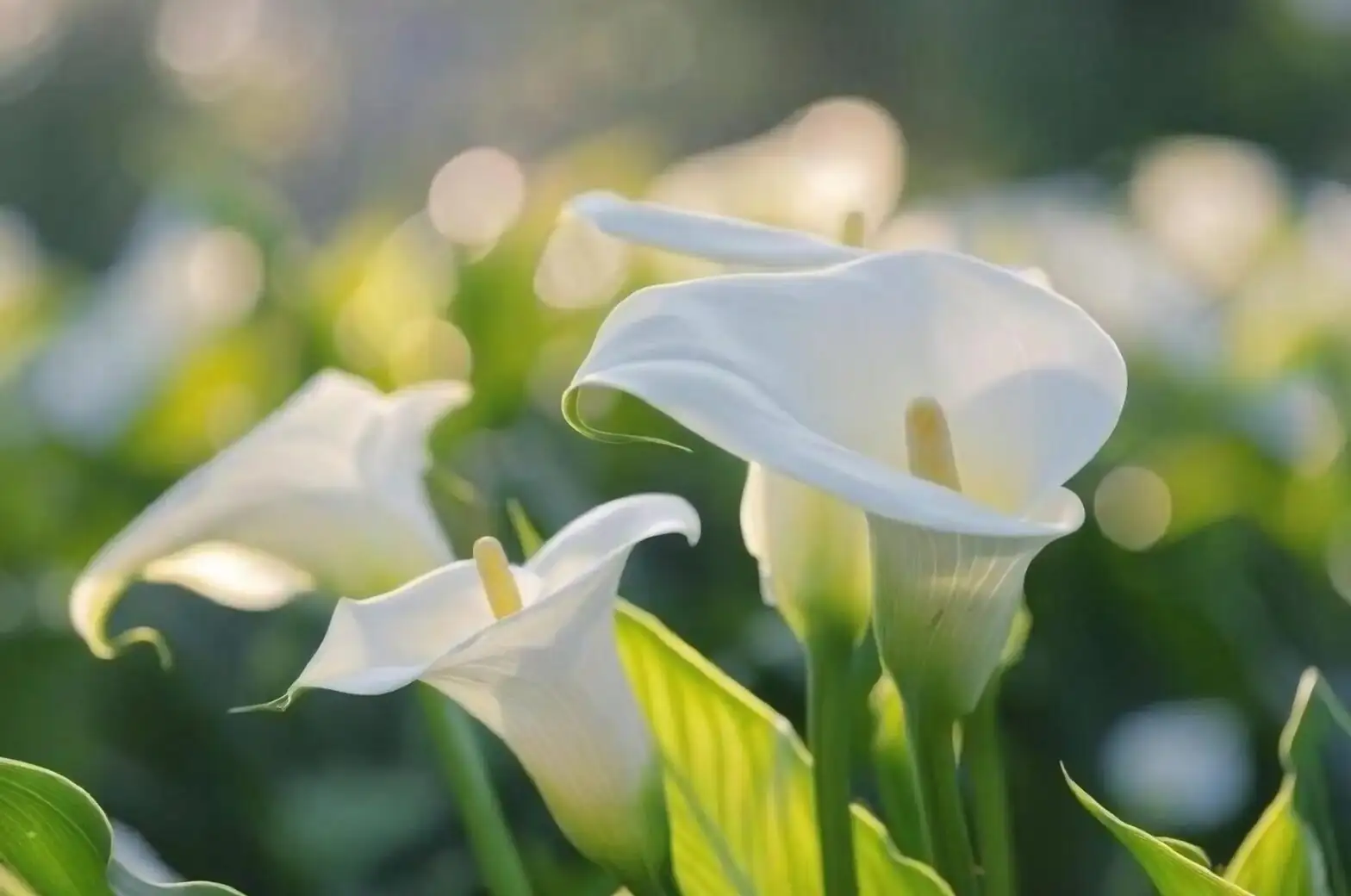
Calla lily (Zantedeschia aethiopica) has the elegance of sculpture and the heart of a workhorse. When you know how to split a clump, read the “eyes,” set the crown just so, and manage water and hygiene, you get more plants, faster flowers, and fewer problems. This is your hands-on masterclass.
Meet the plant you’re dividing
- Botanical: Zantedeschia aethiopica (Araceae), a clump-forming perennial grown from a thick rhizome (bulb-like).
- Origin: Southern Africa; widely grown as a container and garden ornamental.
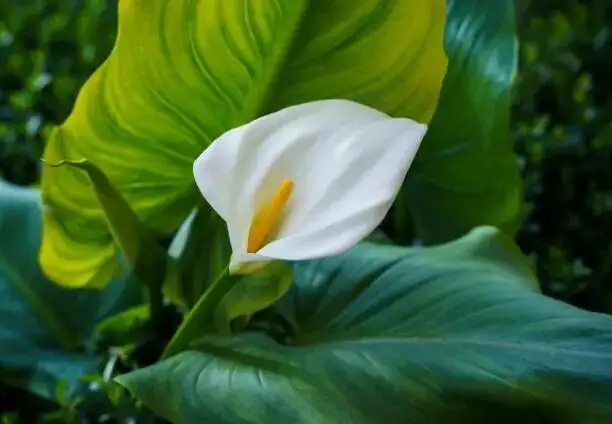
- Look: Glossy, arrow-shaped leaves and that iconic “funnel” bloom—actually a spathe wrapped around a spadix of true flowers.
- Rhythm: Moist and hungry while growing; then a natural rest with yellowing leaves and reduced water.
When to divide: pick your moment
Two tried-and-true windows—choose what fits your climate and schedule:
- Late winter to early spring (dormant or just stirring): Ideal for repotting and clean divisions before growth takes off.
- Just after flowering as growth slows: The plant is transitioning toward rest and splits cleanly then, too.
Bonus cues it’s time:
- Crowded pot, lots of offsets hugging the mother rhizome.
- Fewer or smaller blooms than last season.
- Mix dries very slowly or very fast (root congestion).
Tip: Avoid hard frost. Protect from cold snaps and scorching heat. Best performance is in cool–mild conditions (about 10–20°C), but it will still grow well through the mid-teens to mid-20s; heat above ~25°C can push plants toward dormancy.
How to spot the “eyes” (growth points)
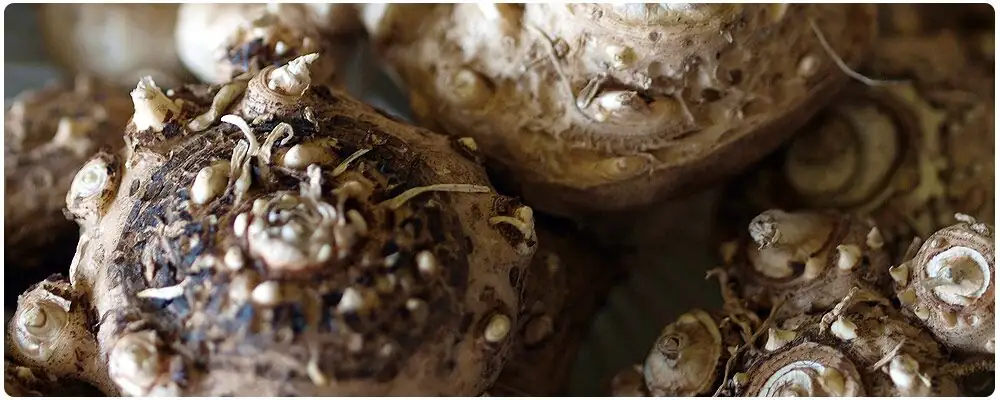
Think of a potato’s buds—that’s the idea.
- Eyes are the knobby, pale to greenish nubs on the top or shoulders of the rhizome.
- They look like little horns or bumps; each is a future shoot.
- Roots emerge from the underside; the eyes should face up when planting.
- A good division has at least one solid eye (two is luxury) and, if possible, a slice of existing roots.
Tools, hygiene, and setup
- Gloves (the sap can irritate skin; the plant is toxic if ingested).
- Clean, sharp knife or pruners.
- Disinfectant: 70% isopropyl alcohol or a 1:10 bleach solution. Wipe tools between cuts.
- Fresh potting mix: fertile, moisture-retentive but well-drained. Think loam + peat/coir + perlite/sand, with a small handful of well-rotted compost.
- Containers: Prefer wider over deeper for drainage and stability. For compact displays, a 12–15 cm pot works; many plant 3–5 rhizomes together for fullness. Otherwise, give each division its own pot.
Step-by-step: divide like a pro
- Lift and reveal
- Unpot the clump or gently fork it up. Tease away old mix so you can see the rhizome network.
- Read the plant
- Identify the main crown and offsets. Locate those eyes, and note where natural seams suggest a split.
- Make clean cuts
- Gently pry or slice the rhizome into pieces, each with 1–2 eyes. If you must cut, make it clean—no ragged tears.
- Sanitize tools between cuts. This alone prevents a world of rot and disease.
- Sanitize and dry the wounds
- Lightly dust fresh cuts with sulfur (optional) and let pieces air-dry briefly so surfaces aren’t sopping wet when planted.
- Pot with the crown slightly exposed
- Plant with eyes up and the top of the rhizome just peeking above the mix. Leaving the crown slightly exposed reduces rot risk and lets you monitor moisture.
- Firm the mix around, but don’t bury the crown.
- Reset the water—then ramp up
- Water once to settle the mix, then keep it just barely moist until new shoots appear.
- As growth starts, move to “evenly moist”—not waterlogged. Calla lilies love steady moisture in active growth, but hate soggy feet during dormancy.
- Light, temperature, and airflow
- Bright, filtered light is perfect. Morning sun with afternoon shade outdoors works well.
- Keep frost-free; avoid hot, stagnant corners. Good airflow deters pests and rot.
- Feed for lift-off
- Once leaves are expanding, feed every 2 weeks with a balanced liquid fertilizer. Ease off or stop when flowering is in full swing.
Restarting after dormancy: a clean reboot
- As blooms finish and leaves yellow, gradually reduce watering; keep almost dry in winter rest.
- Late winter, refresh the mix, reposition rhizomes with eyes up and top slightly exposed.
- Restart watering gently as eyes swell—think light sips moving to steady drinks once you see leaf growth.
Common pitfalls—and quick fixes
- Rot at the crown
- Usually from deep planting or wet resting conditions. Replant with crown slightly exposed and improve drainage/airflow.
- No new growth (yet)
- Be patient. In cool rooms, divisions may take several weeks to wake. Don’t “water to force”—that invites rot. Increase moisture only as shoots appear.
- Pests
- Aphids, thrips, mites, mealybugs can show up. Rinse foliage, improve airflow, and use insecticidal soap or horticultural oil as directed.
Seed-starting, with precise temps and timelines
If you like the long game—or breeding—seed is fun. For quick flowers, it’s not.
- Temperature: 21–27°C for best germination.
- Timeline: Seeds often sprout in about 15–20 days at these temps.
- Potting: Sow on a fine, moist, free-draining medium; cover lightly. Keep evenly moist, not sodden.
- Light: Bright, indirect light with gentle warmth.
- Reality check: Seedlings usually take 3–4 years to flower, and colors/forms may vary from the parent.
Division beats seed for fast blooms—here’s why
- Speed: Divisions can mature and flower relatively quickly, sometimes within the next season under good care; seeds need years.
- Certainty: Divisions clone the parent—perfect for keeping a favorite form. Seedlings are genetic wild cards.
- Vigor: A chunk of rhizome carries stored energy, so growth is bolder out of the gate.
- Workflow: Division coincides neatly with repotting and seasonal care; seed demands a separate, long-term nursery bench.
Planting depth and spacing, clarified
- Orientation: Eyes up; roots beneath.
- Depth: Leave the top of the rhizome slightly exposed to discourage rot.
- In pots: Use a wider container for drainage. For a lush effect, many growers place 3–5 rhizomes in a 12–15 cm pot, or size up for more breathing room.
Everyday care, distilled
- Light: Partial sun or bright, filtered light; protect from harsh midday rays in hot climates.
- Temperature: Performs best in cool–mild conditions (about 10–20°C), and can grow well around 15–25°C. Protect from frost and prolonged heat.
- Humidity: Moderate is fine; in very dry air, lightly mist leaves (not blooms).
- Water: Keep evenly moist in active growth and bloom. After flowering and in winter rest, keep almost dry.
- Feeding: Every 2 weeks during active leaf and bud growth; stop once flowering is established.
- Grooming: Remove spent flower stems; let leaves yellow naturally before tidying.
- Cut flowers: Harvest when spathes are nearly unfurled and unblemished, with a tidy spadix.
Safety note
All parts are toxic if chewed or eaten (insoluble calcium oxalate crystals). Keep away from pets and children, and wear gloves if you have sensitive skin.
Symbolism—why callas star in ceremonies
Calla lilies are design darlings in weddings and formal arrangements. White forms are linked with purity and sympathy, explaining their presence in both aisles and memorials. Gifting customs vary by culture; some prefer even numbers of stems and avoid a single stem in certain contexts. These associations are cultural rather than botanical—but they’re part of what keeps callas timeless.
Quick seasonal checklist
- Late winter: Divide/repot. Eyes up; crown slightly exposed. Restart watering gently as growth stirs.
- Spring to early summer: Bright filtered light; keep evenly moist; feed every 2 weeks. Avoid wetting the spathes.
- Mid to late summer: Enjoy blooms; deadhead; don’t overfeed in peak flowering.
- Autumn: Growth slows, foliage may yellow—reduce watering.
- Winter: Rest nearly dry, cool, and frost-free. Inspect stored or resting rhizomes; discard any that are soft or smelly.
Master the divide-and-restart routine, and Zantedeschia aethiopica will reward you with clean lines, generous blooms, and a clump that just keeps giving.