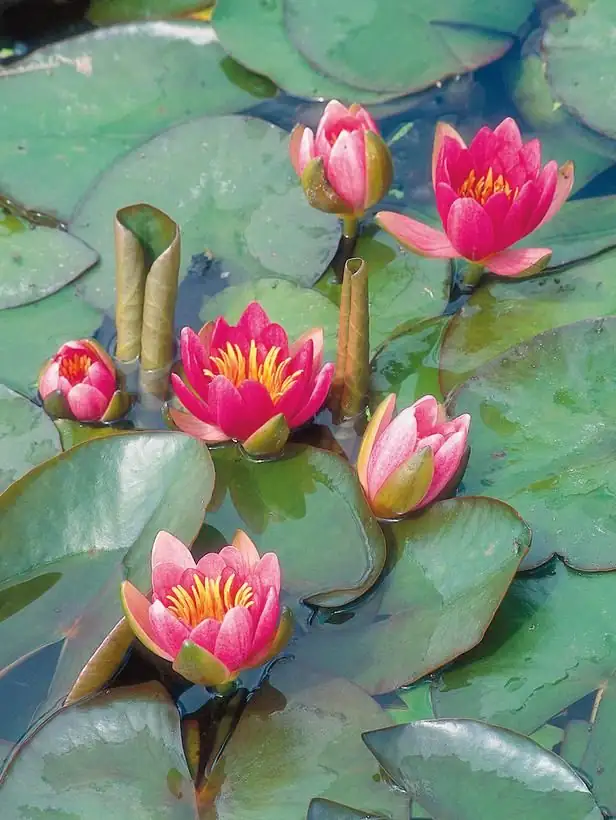
Few garden moments rival the quiet satisfaction of refreshing a water lily—lifting its chunky, fragrant rhizome, selecting the most vigorous eyes, and resetting the crown for another season of glossy pads and jewel-toned blooms. If you’ve hesitated to divide Nymphaea because it lives underwater, this masterclass is your permission slip: it’s simpler than it looks, and the payoff is a pond that flowers like a postcard for years.
Meet Nymphaea (Water Lily) at a Glance
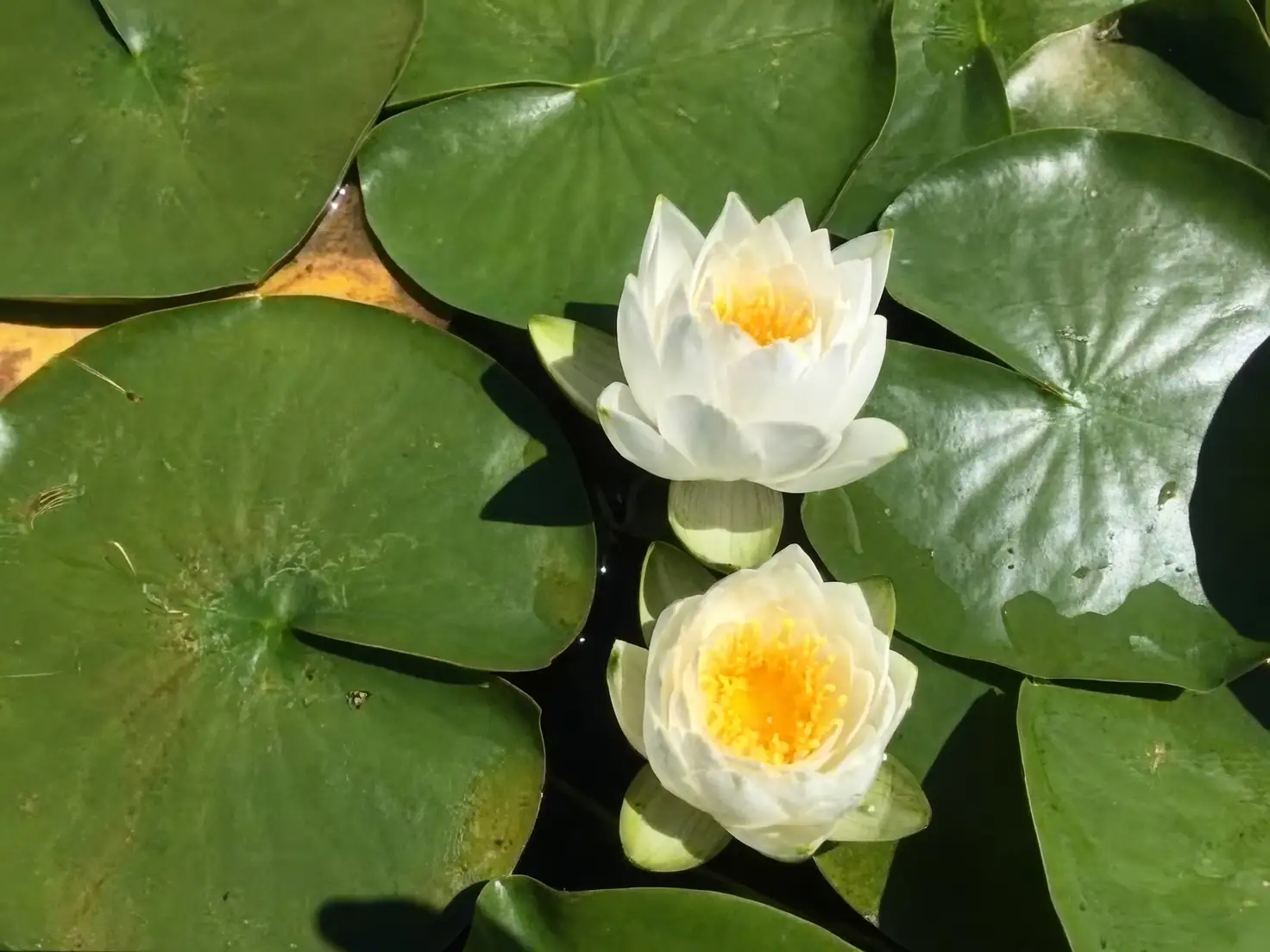
- What makes them iconic: Round, floating leaves with a distinctive notch; many-petaled flowers that often open by day and close at night. Colors range from white and yellow to pink, red, orange, purple—and in tropical types, even blue. Many are fragrant.
- How they grow: From thick underwater rhizomes (or, in some tropicals, tubers). Over time, crowns creep, pots split, and blooms decline—your cue to divide.
- Sun, soil, depth: Aim for 6–8 hours of direct sun; plant in heavy loam/clay aquatic soil (avoid peat/perlite mixes); maintain about 2–12 inches (5–30 cm) of water above the crown, deeper only for vigorous cultivars.
Why Divide Every 2–3 Years?
Water lilies spread steadily. When crowded, they:
- Produce fewer, smaller blooms
- Push pads off-center from the pot
- Send roots out drain holes or split containers
- Accumulate decaying leaf bases around the crown (an invitation to rot)
Dividing every 2–3 years revitalizes flowering, keeps crowns healthy, and prevents a rhizome tangle that’s hard to rescue later.
Timing: When the Water Says “Go”
- Best season: Spring as growth restarts and water warms, through early summer. For hardy types, wait until you see fresh pads and water is consistently mild. For tropical types, divide in reliably warm conditions.
- Avoid: Cold snaps and late autumn (fresh cuts + cold, low-light water = rot risk).
Tools and Setup
- A shallow tub or tarp for working
- Sharp, clean knife or pruning saw; sturdy shears
- Bucket of pond water for rinsing and keeping divisions wet
- Heavy aquatic potting soil (clay/loam based), pea gravel
- Aquatic fertilizer tablets (slow-release)
- Optional: powdered activated charcoal or sulfur for dusting cuts
- Wide, shallow baskets/containers

Pro tip: Clean tools between cuts. A quick wipe with alcohol helps prevent spreading rot organisms.
Masterclass, Part I: Dividing Hardy Water Lilies (Rhizomes)
- Lift and rinse
- Lift the pot from the pond and gently hose soil away until the rhizome is visible. Keep the crown moist at all times.
- Read the rhizome
- Identify the leading end (fresh, firm, with prominent buds/“eyes”) and older, spent sections (woody, hollow, or mushy).
- Select the best sections
- Choose divisions with 2–3 strong, firm growing points (eyes) and fresh feeder roots. Discard soft, smelly, or blackened tissue.
- Make clean cuts
- Cut behind the last healthy nodes to separate divisions. Trim away old leaf bases and any decayed material.
- Optional: Lightly dust cut surfaces with powdered activated charcoal or sulfur to discourage infection.
- Pot for success
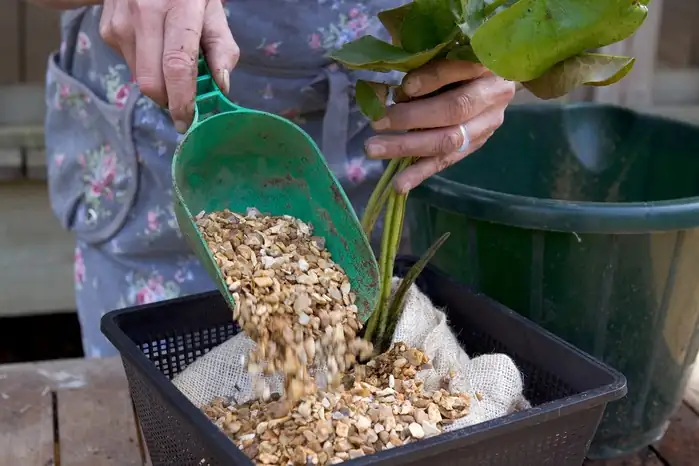
- Use a wide, shallow basket. Half-fill with heavy aquatic soil.
- Angle the rhizome so the eyes point toward the pot’s center, with the cut end against the pot wall (stabilizes and allows room to creep).
- Firm soil around the rhizome, keeping the crown just at or slightly above the soil surface; top with a thin layer of pea gravel.
- Push 1–2 aquatic fertilizer tablets into the soil near (not on) the roots.
- Set depth
- Start with 2–6 inches (5–15 cm) of water above the crown. As leaves lengthen, the pot can be lowered to a final depth suitable for the cultivar, typically up to 12 inches (30 cm) above the crown. Very vigorous types can go deeper.
Masterclass, Part II: Tropical Water Lilies (Tubers and Viviparous Types)
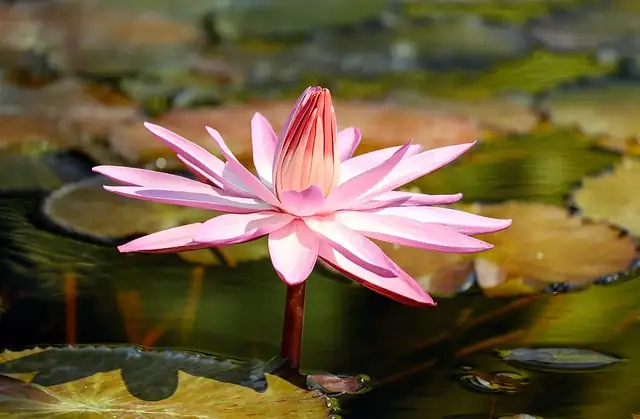
Tropical Nymphaea are often propagated from daughter tubers or plantlets.
- From tubers:
- Lift the plant and gently rinse the main tuber.
- Look for short runners with new, firm tubers. Cut the runner 1–2.5 cm away from the daughter tuber.
- Pot the new tuber upright in a tall-ish pot of heavy aquatic soil, crown at or just above soil level; top with gravel.
- Warmth matters: tropicals thrive in consistently warm water; growth slows strongly below about 59°F (15°C).
- From viviparous leaves (certain tropical cultivars):
- Wait until a leaf plantlet has a few small pads and roots.
- Gently detach and pot as above, keeping very warm and bright.
How to Choose Vigorous Eyes (Like a Pro)
- Look for:
- Firm, pointed buds with a fresh green, pink, or russet tinge
- Crisp, white interior tissue when nicked (never gray or brown)
- Plump segments with fresh roots emerging from nodes
- Avoid:
- Soft, blackened, or foul-smelling eyes
- Hollow, corky centers in older rhizome sections
- Divisions with no evident growing points
Pro tip: For robust flowering the same season, replant pieces with 2–3 growing points and a good root base. Smaller, single-eye pieces will establish but may take longer to bloom strongly.
Beat Rot Before It Starts
Rot is almost always a marriage of damaged tissue + anaerobic conditions + chill or poor hygiene. Break the cycle:
- Use heavy, mineral soil—no peat, bark, perlite, or fluffy potting mixes that float and sour.
- Keep the crown at or slightly above the soil surface; don’t bury it.
- Make clean, confident cuts; remove every speck of mushy tissue.
- Work in warming seasons; avoid dividing into cold water.
- Place in still or gently moving water—constant splash or turbulence weakens leaves and stresses the crown.
- Feed with aquatic tablets inserted into soil; never scatter fertilizer into the water.
Optional insurance: Dust fresh cuts with powdered activated charcoal or sulfur; allow a brief air set before submerging.
Potting Mix, Containers, and Fertilizer
- Soil: Heavy loam/clay aquatic soil, pH 6–8. Press firmly to eliminate air pockets.
- Containers: Wide and shallow encourages lateral spread. Use sturdy baskets to confine soil while allowing water exchange.
- Topdressing: A thin layer of pea gravel keeps soil from clouding water.
- Feeding during active growth:
- Hardy types: about once monthly
- Tropical types: about every two weeks
- Use slow-release aquatic tablets pushed into the soil near roots
- If you keep fish, you may reduce dosage slightly—but don’t skip tablets if flowering lags.
Planting Depth and Placement
- Depth over crown: Typically 2–12 inches (5–30 cm), depending on cultivar vigor. Very strong growers can sit deeper (up to about 80 cm/31 in water depth in large ponds).
- Light: Full sun is best—6–8 hours daily. Less light = fewer flowers.
- Water: Still or gently circulating; avoid waterfalls or jet spray on foliage.
Pro tip: Start newly divided crowns a bit shallower to warm quickly and speed growth, then lower to final depth as pads expand.
Aftercare: The First 8 Weeks
- Weeks 1–2: Leaves may be smaller at first—normal after disturbance. Keep water level steady and bright light abundant.
- Weeks 3–6: Add fertilizer tablets on schedule; remove yellow leaves and spent blooms promptly.
- Weeks 6–8: Expect steady pad production and budding. If growth stalls, double-check sun, depth, and fertilizer placement.
Troubleshooting at a Glance
- Few or no flowers:
- Not enough sun; planting too deep; cool water; low nutrition; overcrowding
- Pads are tiny, distorted, or mottled:
- Cold water shock; pests (aphids, leaf beetles); nutrient deficiency
- Smelly crown or blackening:
- Rot—unpot, cut to clean tissue, replant in fresh heavy soil, keep crown unburied
- Wildlife damage:
- Fish, turtles, or waterfowl may chew; consider protective netting early in the season
Hardy vs. Tropical: Quick Differences That Matter for Division
- Hardy water lilies
- Rhizomatous; many hold blooms near the surface
- Tolerate cooler water; can overwinter outdoors if crowns remain below the ice line
- Divide primarily in spring by rhizome sections with 2–3 eyes
- Tropical water lilies
- Often tuber-forming; some have upright blooms and more toothed leaves
- Need sustained warmth; frost-tender
- Propagate from daughter tubers or viviparous leaf plantlets; overwinter indoors if frost threatens
A Note on Meaning: Why Water Lilies Feel Like Renewal
The classic “flower language” of water lilies centers on purity, serenity, and spiritual clarity—an ancient idea rooted in the plant’s daily ritual of unfolding pristine blooms above murky water. Cultures from Egypt to Asia celebrated this paradox of beauty rising clean from the depths. In the garden, division echoes that symbolism: by trimming away spent, decaying sections and replanting living eyes, we enact renewal—proof that clarity and abundance follow good stewardship.
Your 2–3 Year Rhythm, Simplified
- Yearly care: Full sun, steady water level, heavy soil, regular tablet feeding, prompt deadleafing.
- Every 2–3 years (or when blooms wane/crowding shows):
- Lift and rinse
- Select divisions with 2–3 vigorous eyes
- Cut cleanly; discard any soft tissue
- Replant in heavy soil with crown unburied
- Set appropriate depth; feed on schedule; keep water still and sunny
Do this, and Nymphaea will reward you with floating rafts of green and a parade of flowers from late spring into autumn—day after day, opening like little suns on the water.