

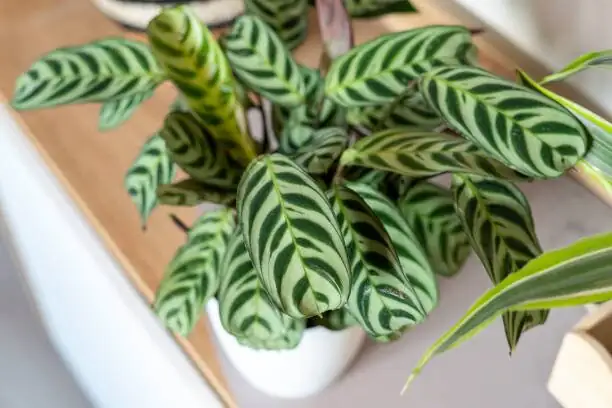
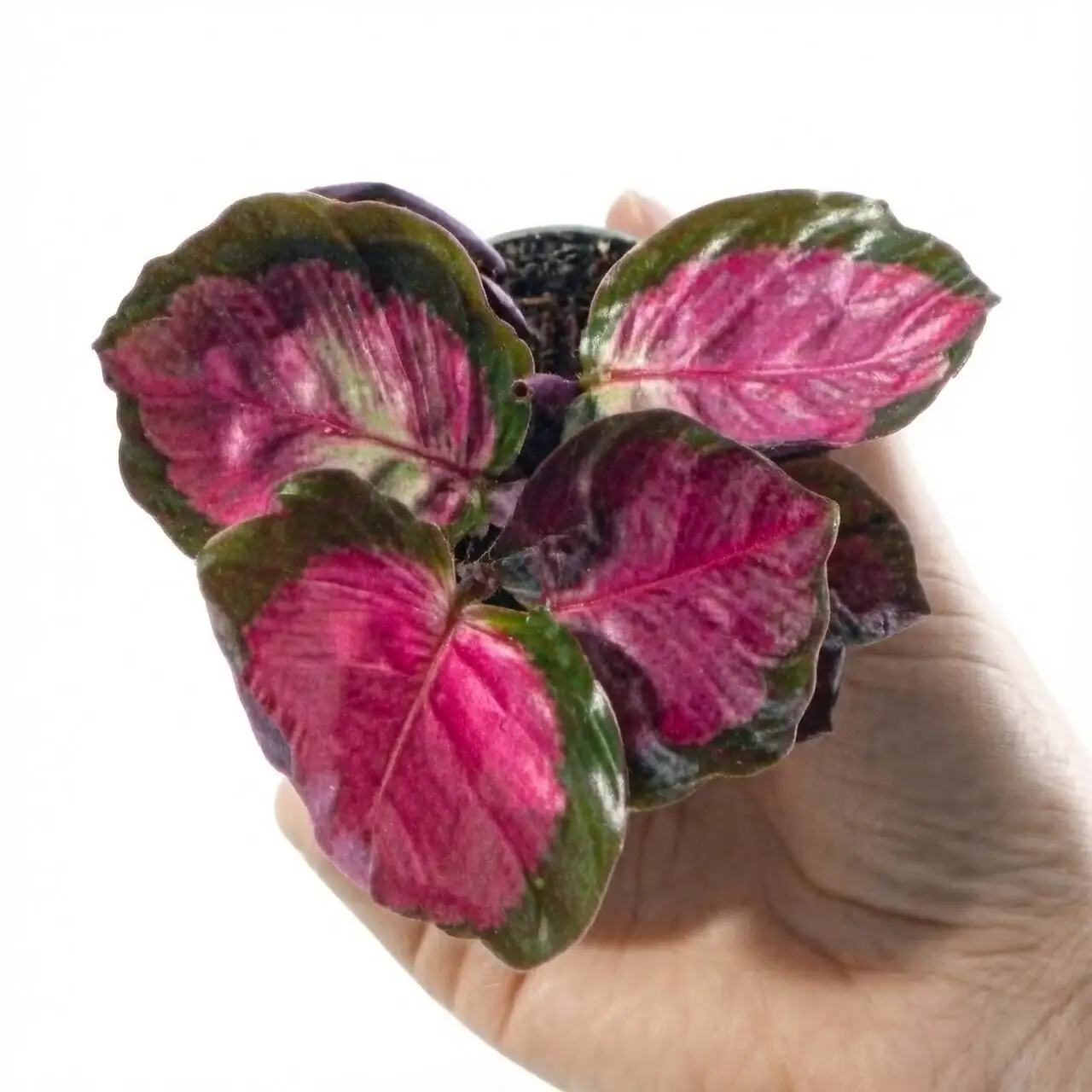
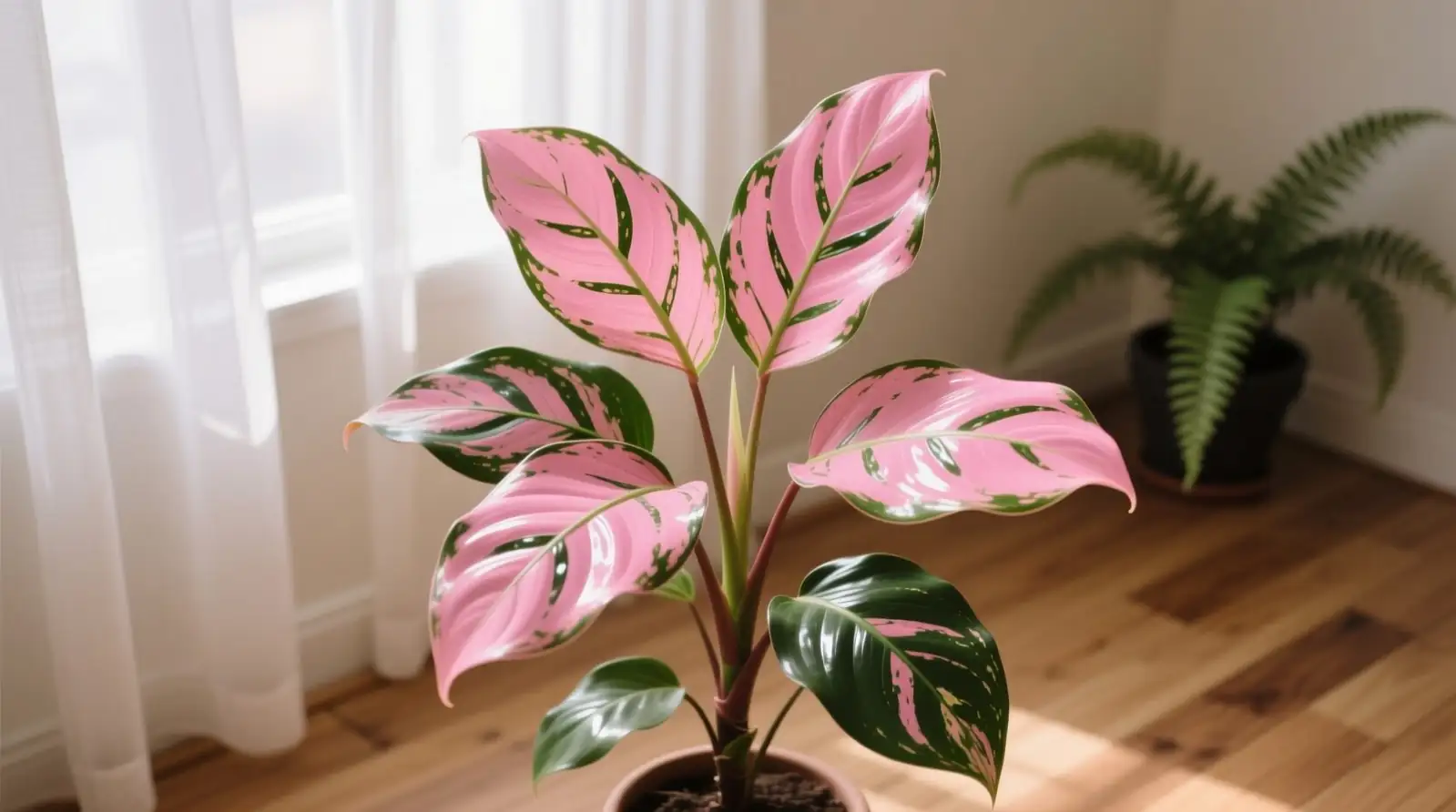
Broad, oval leaves brushed with rosy “paint,” undersides that glow wine-red, and a graceful clumping habit—Goeppertia roseopicta (often sold as Calathea roseopicta or the Rose-painted Calathea) is living art for warm, humid rooms. The bonus? It divides beautifully. With a calm, step-by-step approach, you can lift a mature clump, split it into vigorous sections, and pot up a whole family of healthy plants—without the drama of transplant shock.
Below is your complete, confidence-boosting guide: from the moment you water and loosen the rootball to the first new leaf unfurling under gentle, filtered light.
When to divide and what you’ll need
Best timing
- Late spring to early summer, when warmth and humidity rise and recovery is fastest
- Combine with a routine repot if the plant is rootbound or the mix has broken down
Signs your clump is ready
- Multiple distinct crowns emerging from the base
- The pot feels crammed with roots; moisture dries more quickly than it used to
- You’d like a tidier shape or extra plants to share
Tools and materials
- Clean, sharp snips or a knife (sanitize with alcohol)
- Fresh, free-draining, moisture-retentive potting mix:
- Example blend: 2 parts peat or coco coir + 1 part perlite + a small handful of coarse sand or fine orchid bark
- Pots with drainage holes (choose sizes just a touch larger than each division’s root mass)
- A bucket or tray for working, and paper towels
- Optional: a gentle spray bottle for lightly misting roots as you work (avoid soaking foliage)
The day-before prep
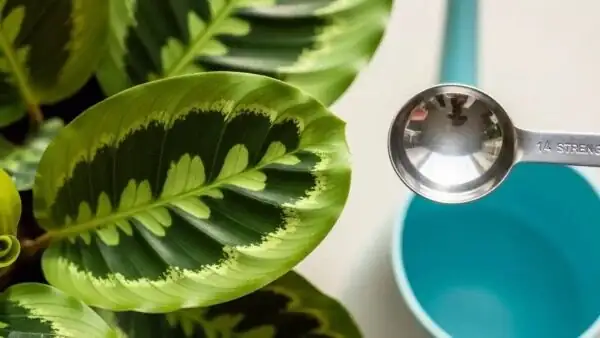
- Water thoroughly 12–24 hours ahead. A hydrated rootball is easier to tease apart, and roots are more resilient.
- Pre-moisten your new potting mix so it’s evenly damp, never soggy.
- Pick a calm, bright-but-indirect spot to work—no direct sun or gusty drafts.
Step-by-step: clean, calm division
1) Loosen and lift
- Squeeze the pot sides, tip the plant out, and cradle the rootball.
- Gently crumble or rinse away just enough old mix to reveal the base. You’ll see natural “seams” between crowns.
2) Read the clump
- Goeppertia roseopicta grows in tight basal clusters. Look for sections that already suggest where they want to separate—let the plant show you the lines.
- Start by easing crowns apart with your fingers. Only cut where roots are densely knitted.
3) Make purposeful divisions
- Aim for divisions with:
- Several healthy leaves (or at least a small, balanced fan)
- 2–3 strong root clusters or thick root segments attached to the rhizome
- Avoid splitting into tiny slivers; very small pieces struggle to rehydrate and can stall.
4) Tidy and balance
- Trim away any mushy or blackened roots with sterile snips.
- Remove one or two oldest or damaged leaves if the top looks heavy compared to the root mass. Keep the healthiest foliage to power new growth.
5) Keep roots comfortably moist
- If you’re making multiple divisions, lightly mist roots or wrap them in a barely damp towel while you pot the earlier sections—never let them dry out.
Potting each division like a pro
Choose the right pot
- Go snug, not spacious: just 2–3 cm (about an inch) wider than the root spread. Overpotting can invite soggy pockets and rot.
Mix, set, and seat
- Fill the base with your pre-moistened mix.
- Position the division so the crown sits at the same depth it grew before—no burying the leaf bases.
- Backfill and tap the pot to settle mix around roots. Don’t compress hard; airy roots breathe better.
The first drink
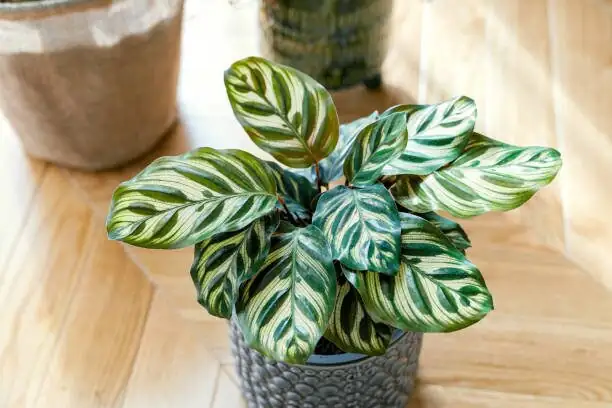
- Water slowly until excess drains. Let it finish draining completely—no standing water in saucers.
- Label the pot if you’re growing multiple varieties.
Aftercare for the first 4–6 weeks
Light
- Bright, indirect light is perfect—think an east-facing window or a brighter spot veiled by a sheer curtain.
- Aim for filtered light equivalent to roughly 50–70% shade. Avoid harsh midday sun that can scorch the leaves.
Temperature and airflow
- Warm, steady conditions: 18–24°C (64–75°F).
- Keep away from AC/heater vents and chilly drafts. In heat waves, add gentle airflow and humidity.
Humidity (your secret weapon)
- Target 60–70% relative humidity to prevent crisp edges and help divisions rehydrate.
- How to boost it:
- Run a humidifier near the plant group
- Use a wide pebble tray with water (pots sit on the pebbles, not in the water)
- Group plants to create a humid microclimate
- Light misting is fine for a quick bump, but don’t leave leaves wet for long, especially overnight.
Watering rhythm
- Keep the mix evenly moist—not wet. Water when the top 2–3 cm (about 1 inch) feels dry.
- Always let excess drain; never allow the pot to sit in water.
Feeding
- Hold off on fertilizer until you see fresh growth and the plant has settled (often 3–4 weeks).
- Then feed gently in the growing season (roughly May–September) every 2 weeks with a diluted, balanced houseplant fertilizer—avoid splashing leaves.
Acclimation
- For weaker divisions, you can tent loosely with a clear cover for a few days to elevate humidity, but vent daily for airflow and remove once leaves perk up.
How to avoid transplant shock
- Don’t overdivide. Each section needs roots and leaves to fuel recovery.
- Don’t overpot. Extra cold, wet mix around small root systems invites rot.
- Shield from direct sun for the first 2–3 weeks; gradually increase brightness once new growth appears.
- Pause heavy fertilizing until you see active growth.
- Keep the environment stable: warm, humid, no drafts, no sudden temperature dips below 8°C (46°F).
Pro tip for tiny pieces: If you ended up with a small section with fewer roots, start it in a lightly moist sand/perlite mix to encourage rooting. Once new roots develop, move it into your regular mix.
Troubleshooting: quick cues and fixes
- Yellowing leaves after division
- Likely stress plus environmental mismatch: too much sun, chill, or inconsistent moisture.
- Move to gentler, bright-indirect light, stabilize warmth at 18–24°C (64–75°F), and maintain even moisture.
- Crispy or browning edges
- Air is too dry or light is too intense.
- Raise humidity toward 60–70% and soften the light with a sheer curtain.
- Limp or droopy divisions
- Root loss or dehydration. Keep humidity high, water when the top 2–3 cm dries, and remove 1–2 worst leaves to reduce stress.
- Sour, swampy smell
- Mix is waterlogged. Unpot, trim rot, refresh into a freer-draining blend, and water more thoughtfully.
- Pests (mealybugs, scale)
- Inspect leaf undersides and stems. Rinse, wipe, and treat with a mild soapy spray (test first) every 5–7 days for several rounds while isolating the plant. Keep foliage from staying wet overnight.
Quick care snapshot once established
- Light: Low to medium or bright, indirect. East windows are superb; filter south-facing sun with a sheer curtain.
- Water: Evenly moist; never soggy. Drain thoroughly.
- Humidity: 60–70% keeps color rich and edges smooth.
- Temperature: 18–24°C (64–75°F); keep well above 8°C (46°F).
- Soil: Loose, moisture-retentive but free-draining (peat/coco + perlite + coarse sand).
- Growth habit and size: Clumping, upright-from-the-base; typically 30–60 cm (12–24 in) tall and wide indoors.
- Pet safety: Generally considered non-toxic to cats and dogs.
- Repot/divide: Spring is ideal; size up gradually.
A small note on symbolism and daily rhythm
Often called a living painting, the Rose-painted Calathea embodies quiet beauty and the calming cadence of everyday life. As a prayer-plant relative, its leaves subtly reposition from day to night, a gentle reminder of daily rhythms and rest—an indoor echo of the rainforest understory it calls home in northwestern Brazil.
Divide once, and you’ll see why this plant is a favorite: each new pot becomes a fresh canvas of rosy brushstrokes, rewarding steady warmth, humidity, and your unhurried hand.