

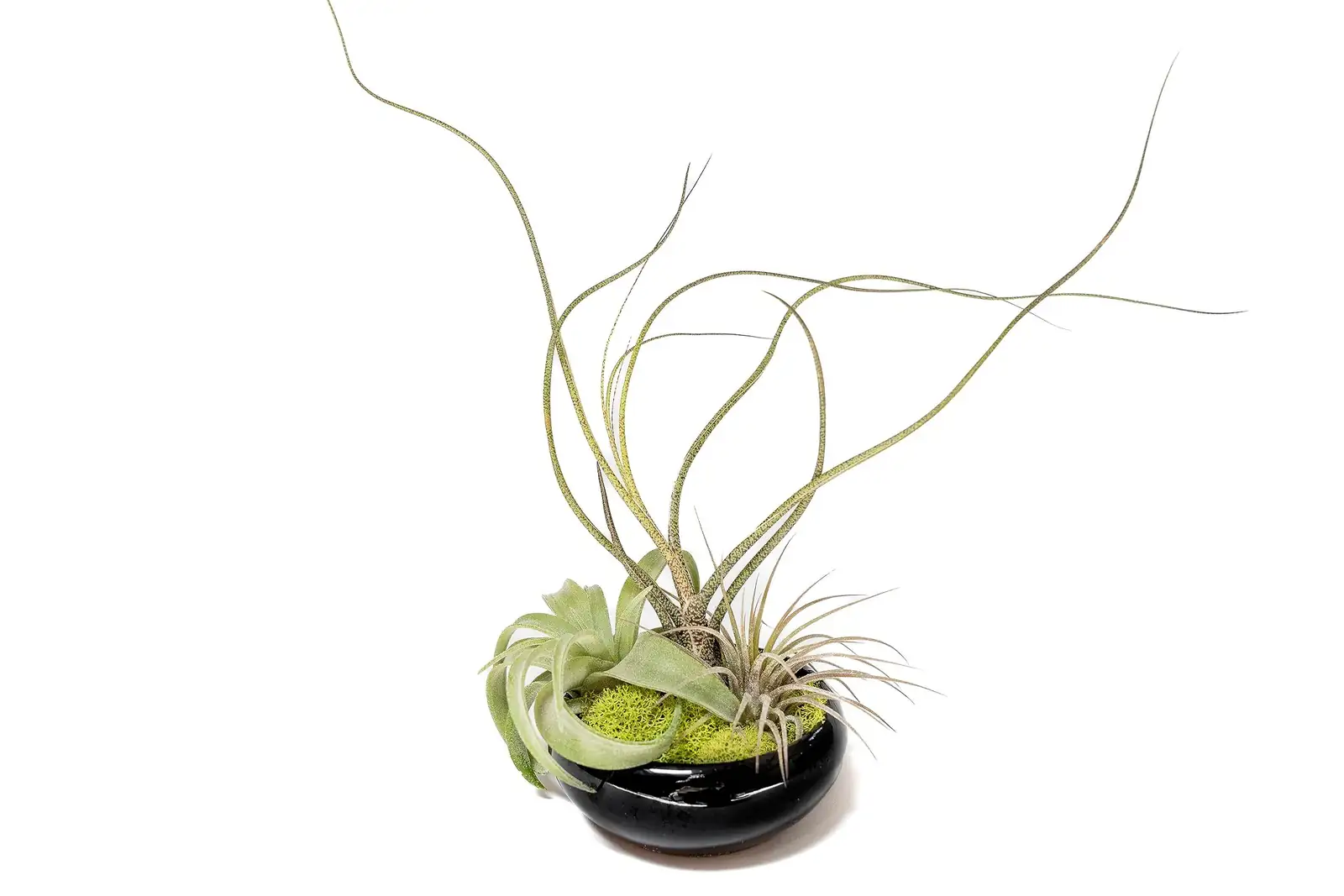
Earth star (Cryptanthus bivittatus) is a pint-sized, starburst bromeliad that loves bright light, airy roots, and a little atmospheric pampering. In mixed planters and ventilated terrariums, it shines—if you balance humidity with airflow and keep the crown high and dry. Here’s how to pair, place, and care for Earth stars with other species so your mini ecosystem stays vibrant, pest-light, and never soggy.
What your Earth star wants (so companions can match)
- Light: Bright light with a bit of gentle direct sun once acclimated; a sunny windowsill works beautifully.
- Temperature: 16–27°C (61–81°F); don’t chill below ~10°C (50°F).
- Humidity: Moderate is fine; slightly higher humidity improves leaf quality—only if airflow prevents stagnation.
- Substrate: Very airy, fast-draining “bromeliad-style” mix. Keep the crown from sitting in wet media.
- Size and habit: Low, flat, starry rosette, ~15 × 15 cm (6 × 6 in). Produces offsets (pups) over time.
Companion-planting principles: humidity without the haze
Think of your mixed planter as a tiny climate: you’re building humidity pockets around foliage while keeping the root zone quick-draining and the air moving.
- Choose allies with similar light needs and moderate humidity tolerance.
- Create “micro-zones” in one container: slightly moister pockets for thirstier companions, drier ridges for Earth stars.
- Prioritize airflow: no smothering leaf-over-leaf overlaps; avoid plants that quickly sprawl and shade.
- Ventilate enclosed vessels: open vents daily or run a low, gentle fan nearby. In dish gardens, a bright windowsill with natural cross-breeze is gold.
Recommended companions (and how to place them)
These species align with Earth star’s bright light and moderate humidity needs and won’t force a boggy routine.
Low and luminous foliage partners
- Peperomia (compact forms such as P. caperata types, P. obtusifolia ‘Minima’, P. rosso)
- Why: Similar preference for bright light and evenly moist—not wet—media; stay neat and low.
- Placement: 8–12 cm (3–5 in) from an Earth star, offset so leaves don’t overlap. Keep peperomia toward the slightly moister side of the planter.
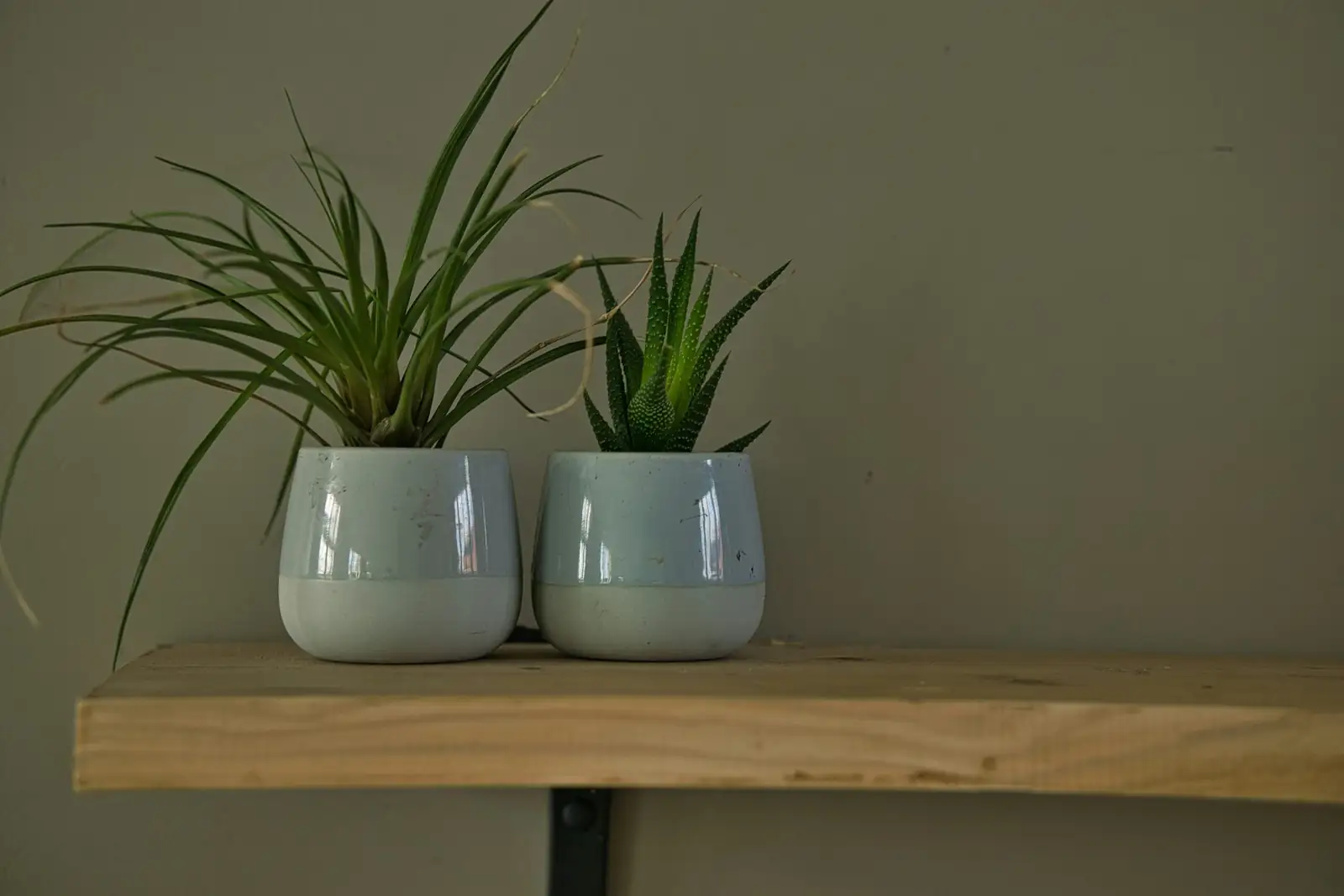
- Small ferns (Button fern, Pellaea rotundifolia; or delicately sized Pteris)
- Why: Offer textural contrast and enjoy the same ambient humidity, but need steadier moisture.
- Placement: Park ferns near your “moist pocket” away from the Earth star’s crown. Leave a 10–12 cm (4–5 in) gap and ensure good airflow around fronds.
Bromeliad cousins for color echo
- Other compact terrestrial bromeliads (small Cryptanthus cultivars; carefully selected mini Neoregelia)
- Why: Similar root-zone needs and light; dramatic foliage harmonizes beautifully.
- Placement: Space rosettes center-to-center at 12–15 cm (5–6 in) minimum so leaf tips don’t trap moisture between plants. Angle rosettes like pinwheels for airflow.
Perched companions that don’t compete for soil
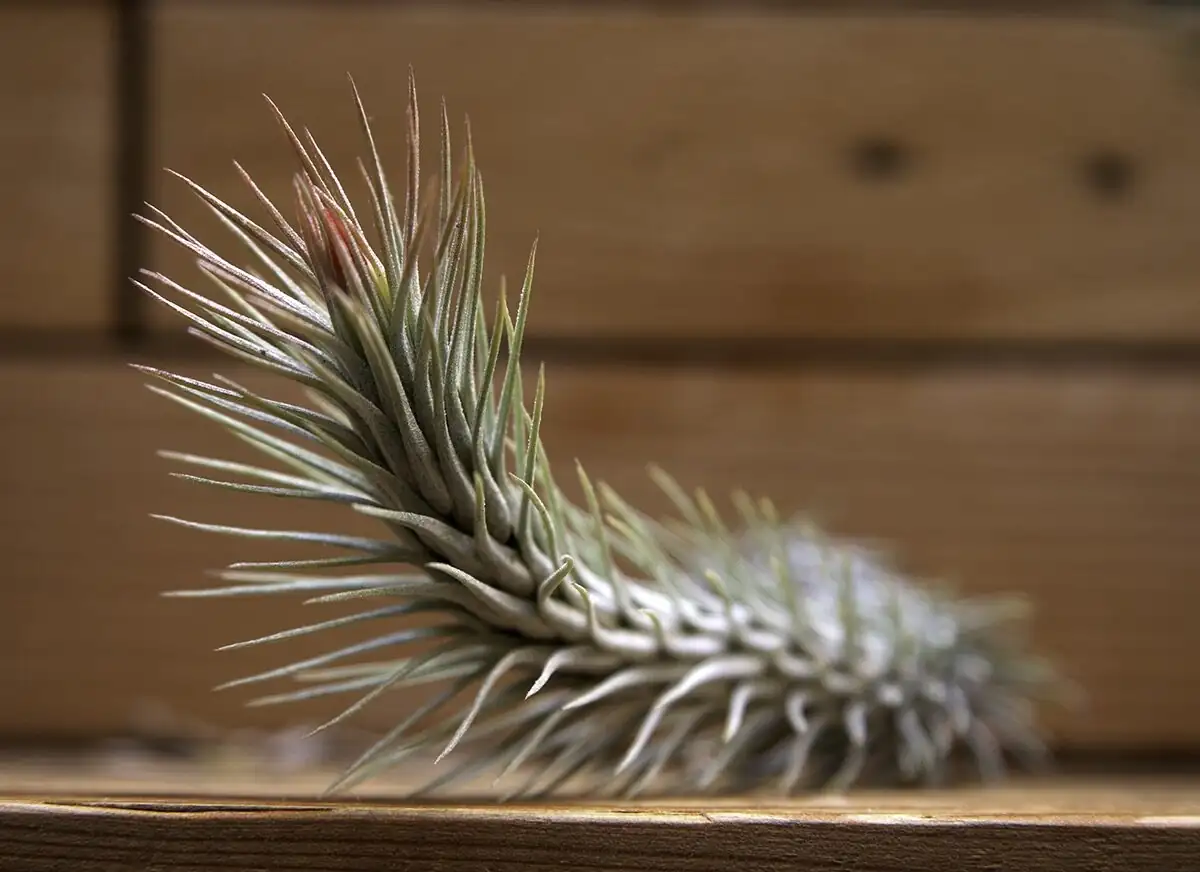
- Tillandsia (air plants)
- Why: They share bright light and ambient humidity but don’t demand soil moisture.
- Placement: Perch on cork, stone, or driftwood above the planter mix so misting benefits them without wetting bromeliad crowns. Ensure they dry within a few hours after misting.
Plants to avoid in the same planter
- True succulents and cacti: Prefer arid media and intense sun; you’ll either underwater them or overwater the Earth star.
- Boggy moisture hogs (e.g., fittonia, moss-heavy mixes): Force constantly wet conditions and stagnant air—ripe for rot.
- Tall shade-casters or rapid sprawlers: Reduce light and trap humidity around leaf axils.
- Heavy feeders: Upset a gentle, low-fertilizer routine and can soften growth and dull Earth star colors.
Layout recipes (spacing and flow)
Bright windowsill dish (28–32 cm / 11–12.5 in wide, with drainage)
- 1 Earth star slightly off-center, crown mounded 1–2 cm above the soil grade.
- 1 compact peperomia opposite the Earth star (10–12 cm / 4–5 in away).
- 1 small button fern at the “moist pocket” edge, 12 cm (5 in) from the Earth star.
- 1–2 air plants perched on stones above the substrate.
- Airflow: Arrange rosettes like fan blades; no leaf overlap. Leave a 1–2 cm air gap from the container rim to avoid stagnant corners.
Ventilated terrarium (open or mesh-lidded bowl, 25–30 cm / 10–12 in)
- 2 Earth stars placed 12–15 cm (5–6 in) apart on a raised central mound.
- 1 mini Neoregelia at a slightly lower grade on the “bright side.”
- A tail of Peperomia prostrata trailing the rim, not creeping under rosettes.
- Keep at least 3–4 cm (1.5 in) leaf clearance from glass to prevent condensation burns and mildew. Run a small fan nearby on low, or open vents daily.
The substrate stack: fast drain, stable humidity
A crisp, layered mix lets roots breathe while leaves luxuriate in gentle humidity.

- If your container has a drain hole:
1) Base: 2–3 cm (about 1 in) of coarse pumice or LECA for extra drainage.
2) Separator: Mesh or a scrap of landscape fabric.
3) Main mix: Equal parts orchid bark, perlite, and coco coir. Optional 10% horticultural charcoal for freshness.
4) Mound the planting site so the Earth star’s crown sits above grade. Top-dress with fine bark or gravel to keep the crown clean and splash-free.
- If your container lacks a drain hole (for design reasons):
- Double-pot: Keep each plant in its own nursery pot with drain holes and set them atop a shallow layer of LECA inside the cachepot. This allows easy swap-outs and prevents a soupy substrate.
- Never allow water to collect at the bottom up to pot level; tip out excess immediately.
- In terrariums:
- Build a drain layer (LECA or coarse gravel), mesh barrier, then the airy bromeliad mix above.
- Keep rosettes away from glass and crowns elevated; ventilate daily to prevent stagnant moisture.
Watering and humidity routines that prevent sogginess

- Water quality: Use rainwater or distilled water for the prettiest, spot-free leaves.
- Spring–summer:
- Keep the mix evenly moist—not soggy. Water the substrate, not the crown. A squeeze-bottle or turkey baster helps target the soil line.
- Mist the air around plants with lukewarm rain/distilled water if room air is dry, but ensure rosettes dry quickly.
- Autumn–winter:
- Reduce watering; keep the mix just barely moist.
- Frequency pointers:
- In airy mixes, rewater when the top 1–2 cm (about 0.5–0.75 in) feels just dry.
- Let excess water drain freely; never allow the Earth star’s crown to sit wet.
- Air-circulation assist:
- A low, gentle fan for a few hours daily prevents lingering moisture on leaves and in leaf axils—especially vital in terrariums.
Care calendar and feeding in mixed planters
- Feeding: Spring through late summer, apply a balanced liquid fertilizer at 1/2 strength every 2–3 months. Light feeding keeps foliage firm and colors vivid.
- Grooming: Snip or gently pull spent outer leaves at the base to keep air moving through the rosette.
- Repotting: Every 2–3 years in spring, or sooner if the mix breaks down.
- Pups: When an offset reaches 1/3–1/2 the size of the mother and has its own roots, separate and pot into the same airy mix.
Pest prevention in close quarters
- Usual suspects: Mealybugs, scale, spider mites (especially if air is very dry).
- Prevention:
- Inspect new plants; quarantine before adding to a mixed planter.
- Maintain airflow and avoid wet crowns to deter rot and mealybug hideouts.
- Wipe dust from leaves so you can spot issues early.
- Treatment:
- Use insecticidal soap or horticultural oil; repeat as needed. Target leaf axils and undersides, and keep rosettes well-aerated while they dry.
Troubleshooting the humidity–airflow balance
- Colors look dull green and the rosette opens/elongates: Increase brightness gradually; Earth stars color up best with strong light.
- Leaf margins crisp or foliage looks bleached: Too much direct sun or heat; shift to bright filtered light.
- Mushy base or darkened center: Crown or root rot from soggy media or trapped water. Unpot, trim rot, refresh with a drier, airier mix, and improve ventilation.
- Webbing or stippled leaves: Spider mites—raise ambient humidity slightly and treat promptly, keeping air moving.
Quick safety note
- Generally considered non-toxic to people and pets; still, discourage nibbling and handle gently if you have sensitive skin.
A brief note on symbolism
Gardeners often link Earth stars with resilience and a “starburst” spark—fitting for a plant that stays compact yet commands attention with bold, shifting color. While not rooted in historical floristry, this modern symbolism reflects what we see: a small terrestrial bromeliad that holds its form and flair through seasons, then quietly passes the torch to pups.
—
Build your composition like you’d style a room: give the star a pedestal (a raised, airy mound), cast with harmonious co-stars that like the same light, and keep the air moving between them. Do that, and your Earth star will glow—no soggy drama, no pesty subplots—just crisp, colorful foliage in a living, breathable vignette.