Reusing soil is a common practice for many gardening enthusiasts looking to save money and resources. However, while it might be convenient and eco-friendly, the risk of pests lurking in that soil could spell trouble for your plants. Let’s dig a little deeper into this topic to understand the risks and how to manage them effectively.
Why Pests Love Reused Soil
Reused soil can be a veritable buffet for pests. Over time, soil accumulates organic matter, which is great for plant growth but also attracts a host of unwanted guests. Insects, pathogens, and other pests may take up residence in the soil, especially if it’s been used for growing plants before.
The Soil Food Web
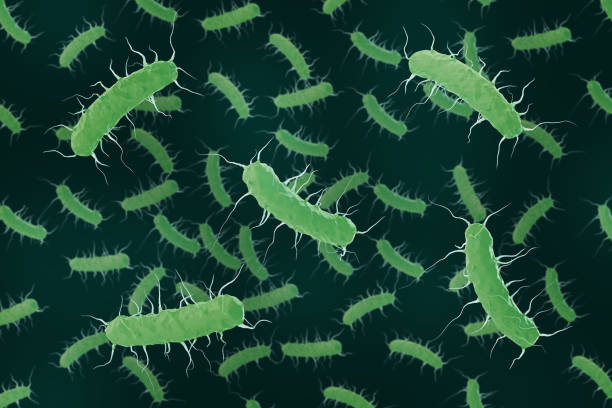
Healthy soil is full of life, from beneficial microbes to small insects. According to research from eOrganic, a teaspoon of soil can contain thousands of organisms! While many of these are beneficial, helping to break down organic matter and improve soil structure, some can be harmful to your plants. Reusing soil without properly managing it can lead to an imbalance, giving pests an upper hand.
Common Pests in Reused Soil
- Nematodes: Tiny worm-like organisms that can damage plant roots.
- Fungal Pathogens: Such as those causing root rot, are more likely to thrive in reused soil that’s overly moist or compacted.
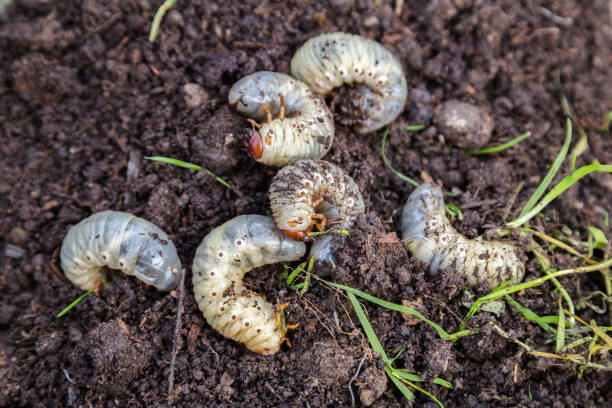
- Insect Larvae: Including beetles and flies that lay eggs in the soil which later hatch and attack plant roots.
Managing the Risks
While reused soil can be a risky business, you can take steps to mitigate these risks:
1. Solarize Your Soil
Before reusing, consider solarizing your soil. This involves covering the soil with clear plastic and letting it sit in the sun for several weeks. The heat generated under the plastic can kill many soil-borne pests and pathogens.
2. Enhance Soil Health
Healthy soils, as noted by SARE, are less likely to harbor pests. Focus on maintaining a balanced soil environment by:
- Adding Compost: This boosts the population of beneficial microbes that can outcompete harmful organisms.
- Avoiding Over-Fertilization: Too much nitrogen can make plants more susceptible to pests like aphids and mites.
3. Rotate Your Crops
Changing what you plant in your soil can disrupt pest life cycles. If you’ve grown tomatoes in a certain patch one year, try beans or another crop the next season.

4. Introduce Beneficial Organisms
Inoculating your soil with beneficial nematodes or fungi can help keep pest populations in check. These organisms prey on harmful pests, reducing their numbers naturally.
When to Worry
While the risk of pests is real, it’s not a guarantee. Many gardeners find they have no pest issues at all in their first season with reused soil. However, if you notice signs of plant stress—such as wilting, discolored leaves, or poor growth—it might be time to investigate the soil conditions.
A Word on Pesticides
If you decide to use pesticides, remember they should be a last resort. Overuse can degrade soil health, harming beneficial organisms and leading to longer-term pest problems. Integrated Pest Management (IPM) strategies can help reduce reliance on chemical controls.
Conclusion
Reusing soil is a sustainable practice that can be beneficial if done correctly. By understanding the risks and managing your soil health proactively, you can grow lush, healthy plants without inviting a pest invasion. As you plan your next planting, keep these tips in mind to enjoy a fruitful and pest-free gardening season!