

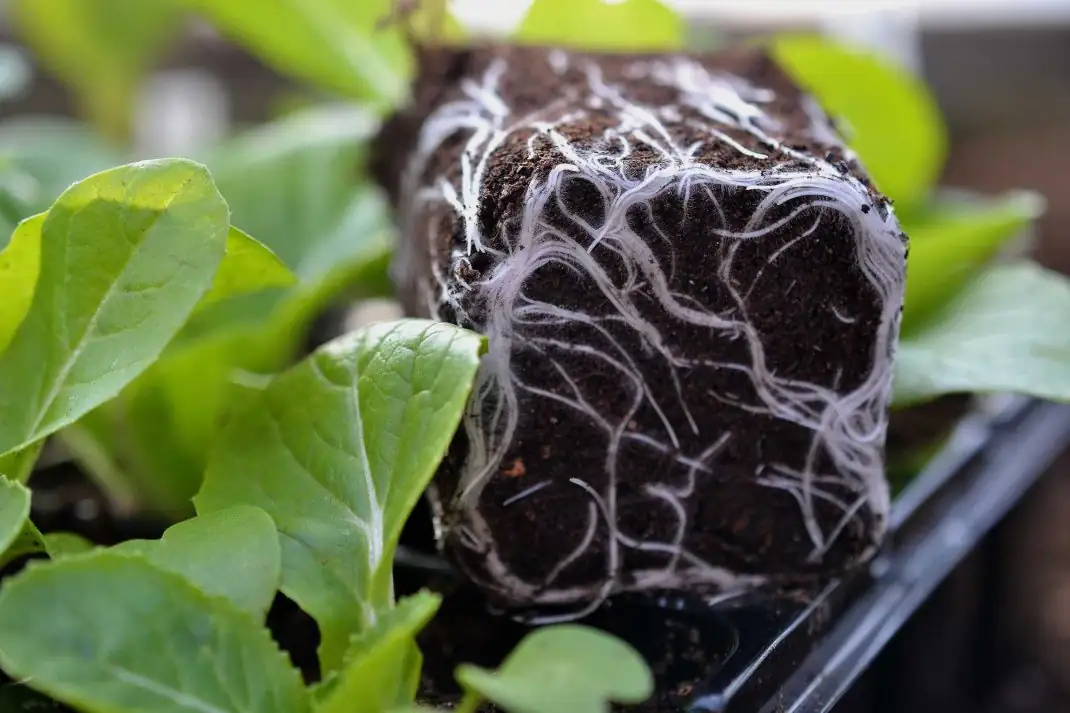
Have you ever wondered what’s going on beneath the soil surface in your garden or indoor pot plants? Well, the secret to vibrant foliage and abundant blooms often lies in the roots. Healthy roots are the backbone of a thriving plant, and checking their health can save you from future plant woes. Let’s dive into how you can become a root health detective!
Why Root Health Matters
Roots do much more than just anchor your plant in place. They’re responsible for absorbing water and nutrients essential for growth. If your plant seems under the weather—yellowing leaves or stunted growth, for example—its roots could be the root of the problem. Healthy roots are usually white or tan, firm, and succulent. Unhealthy roots, on the other hand, may appear brown, mushy, and could have an unpleasant odor.
How to Examine Your Plant’s Roots
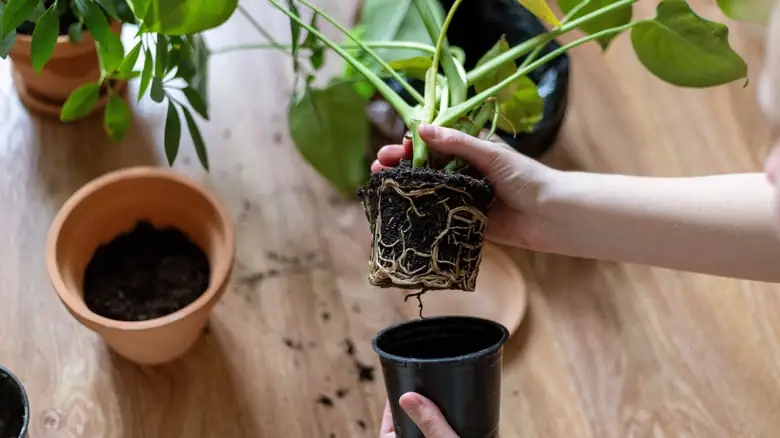
Step 1: Gently Remove the Plant
For potted plants, carefully slide the plant out of its pot. If the plant is in a small container, this task is much easier. For larger plants, you might need a helping hand. Hold the plant by its base and gently tap the pot to loosen the soil and roots.
Step 2: Inspect the Color and Texture
Healthy roots should be white or light brown and firm to the touch. Tan roots can also be normal for some plants. If the roots are brown, black, or slimy, your plant might be suffering from root rot. This condition is often caused by overwatering, which creates a soggy environment perfect for fungal growth.
Step 3: Smell the Roots
Healthy roots have a neutral, earthy smell. If you notice a foul odor, it’s a sign of decay or rot.
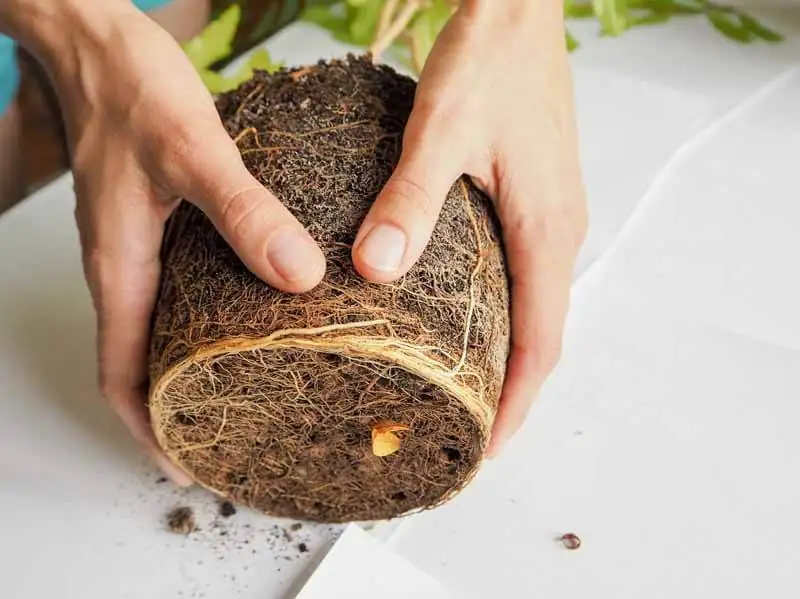
Step 4: Check for Root Bound Plants
If the roots are circling the pot tightly, your plant is root bound. While this isn’t immediately harmful, it can stunt growth. Consider repotting the plant into a larger container to give the roots more room to spread.
Keeping Roots Healthy
Water Wisely
The right watering schedule is crucial. Water your plants when the top inch of soil feels dry. This prevents the soil from becoming waterlogged, which can lead to root rot. Remember, it’s better to underwater than overwater.
Use Well-Draining Soil
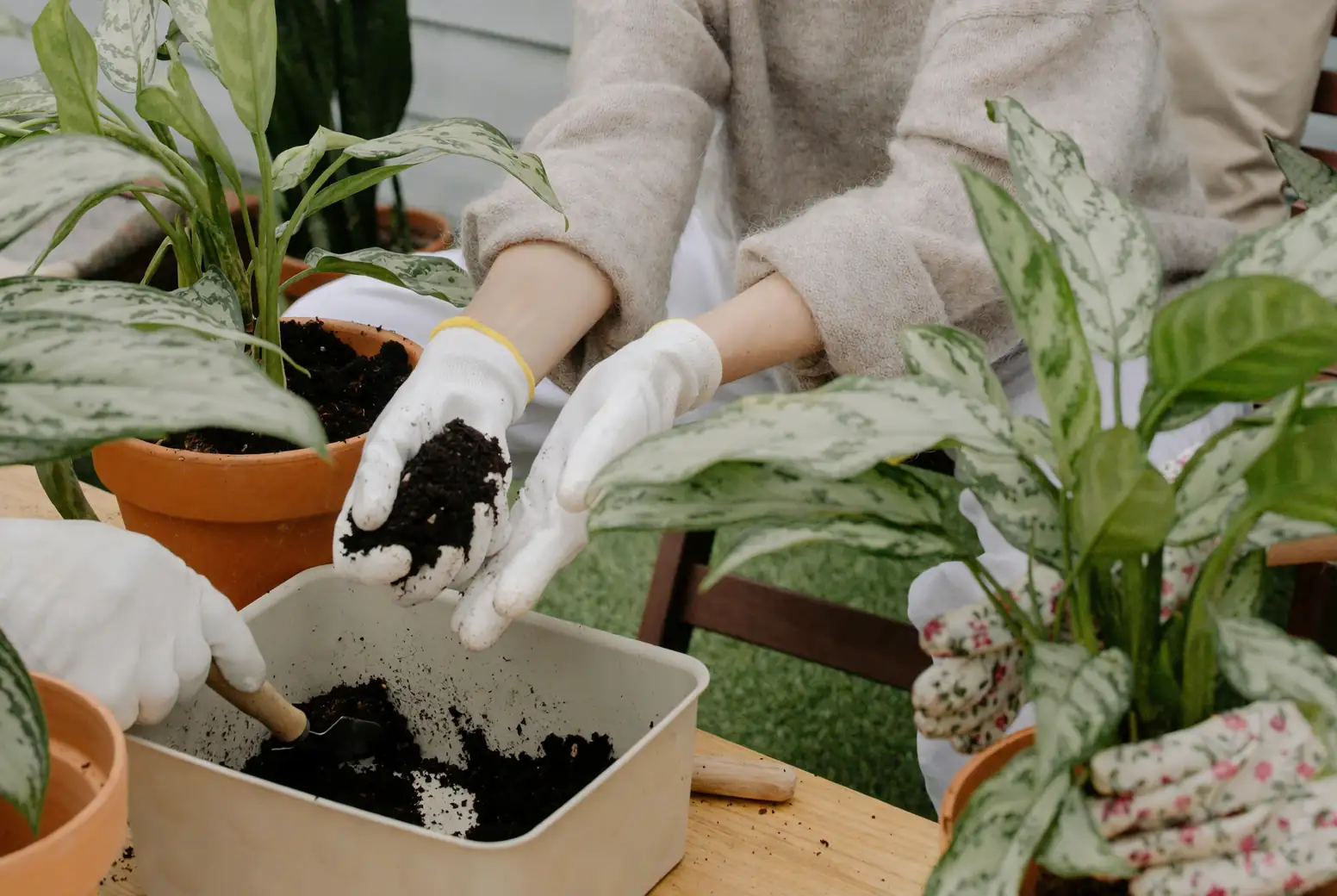
A good potting mix with excellent drainage helps maintain healthy roots. This mix allows for proper air circulation, which roots need to “breathe.”
Regular Checks
Make it a habit to check your plant’s roots every few months. This helps you catch any problems early before they affect the entire plant.
Prune Wisely
If you find unhealthy roots, trim them away with clean, sharp scissors. This helps prevent the spread of disease to the healthier parts of the root system.
Troubleshooting Common Root Problems
- Root Rot: Usually caused by overwatering and poor drainage. Trim away damaged roots, and repot the plant in fresh, well-draining soil.
- Nutrient Issues: Discolored or enlarged roots might be a sign of nutrient imbalance. Make sure your plant food is suitable for your specific plant type.
- Pests and Diseases: Some fungi and pests attack roots. If you notice unusual symptoms, you may need to treat the plant with suitable fungicides or pest control measures.
By understanding what lies beneath the soil, you can ensure your plants have the strong foundation they need to thrive. With a little detective work and regular care, you’ll be well on your way to becoming a plant root whisperer! Happy gardening!


