


Discovering the Quirky Charms of the Peace Lily (Spathiphyllum wallisii)
Welcome to the wonderful world of the Peace Lily, a plant that’s not just about good looks but also packed with personality and charm! Known scientifically as Spathiphyllum wallisii, this elegant evergreen houseplant is a favorite among plant enthusiasts for its glossy deep-green leaves and unique flowering structures. Let’s delve into some fun and quirky facts about this remarkable plant, exploring its dramatic behaviors and intriguing features.
The Dramatic Performer: Drooping and Perking
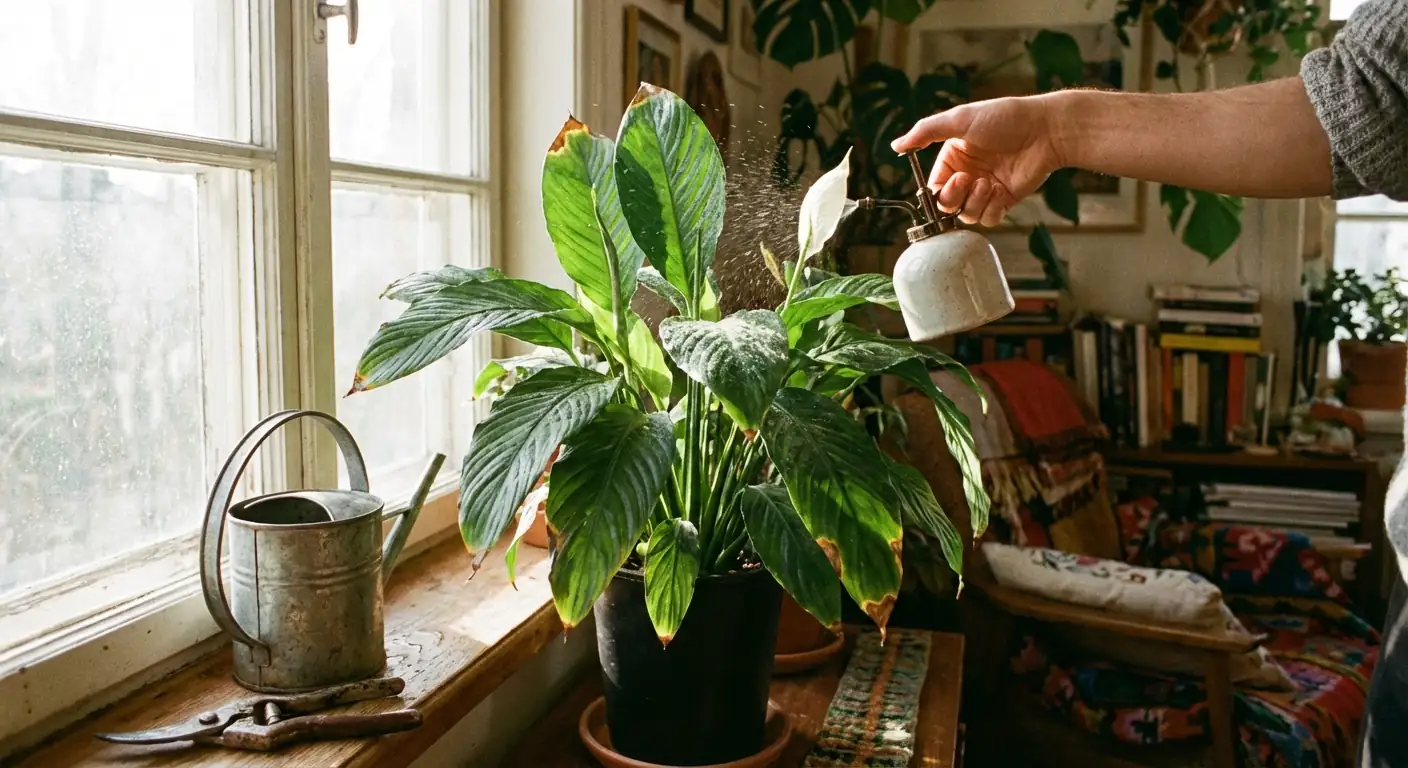
One of the most endearing traits of the Peace Lily is its theatrical drooping performance. Imagine walking into your living room, greeted by the sight of your plant looking like it had a rough day. Fear not! This dramatic droop is simply the plant’s way of saying it’s thirsty. A thorough watering will have your leafy friend perking up in no time, like a rejuvenated actor ready for the encore. It’s a peculiar yet charming way Peace Lilies communicate their needs, making them an interactive addition to your indoor garden.
Not Just a Pretty Face: The Science of Spathes and Spadices
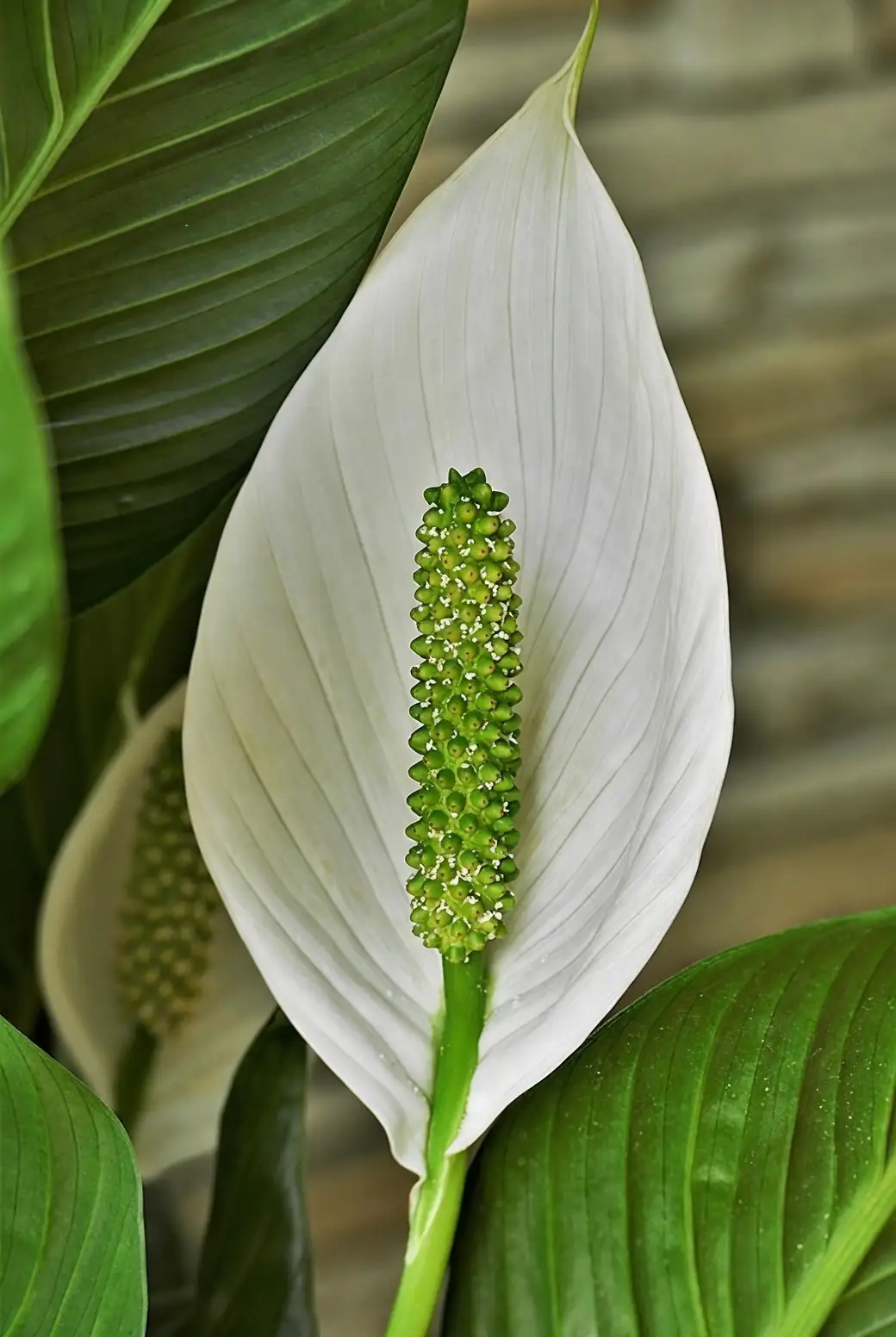
Many people are drawn to the Peace Lily for its striking white “flowers.” However, looks can be deceiving! What appears as a flower is actually a spathe—a modified leaf that wraps around the central spadix, which holds the true tiny flowers. Together, they resemble a little white sail or a peace flag, symbolizing tranquility and purity. This unique structure is a conversation starter, perfect for impressing guests with your botanical knowledge.
Ideal Conditions: Light, Humidity, and Temperature
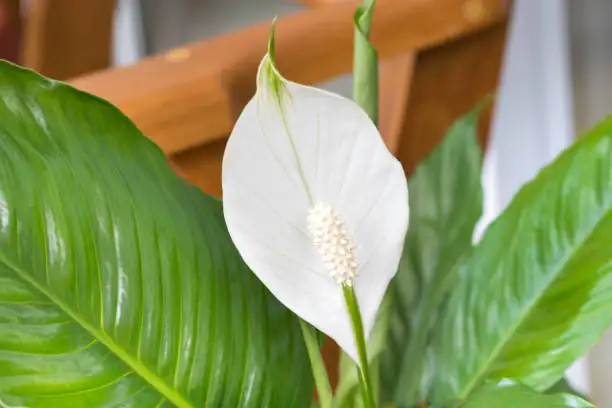
Peace Lilies hail from the tropical rainforests of northern South America, particularly Colombia, which means they have a natural affinity for warm, humid environments. They thrive in bright, indirect light but are also remarkably tolerant of lower light conditions. Just make sure to avoid harsh direct sunlight, which can scorch those lovely leaves.
- Temperature: Keep them cozy at around 18–27°C (65–80°F).
- Humidity: They prefer a humid environment, so consider a pebble tray or humidifier if your home is on the dry side.
Easy Care Tips for a Thriving Peace Lily
Caring for a Peace Lily is as easy as pie—or perhaps even easier! Here are some tips to keep your plant happy:
- Watering: Aim for evenly moist soil. Water when the top inch feels dry, and watch your plant for drooping cues.
- Feeding: A balanced liquid fertilizer every 4–8 weeks during spring and summer will keep it flourishing.
- Pruning: Minimal pruning is needed. Simply remove yellowing leaves and spent flowers to encourage new growth.
Safety First: Toxicity and Pets
While Peace Lilies are a joy to grow, they do contain calcium oxalate crystals that can be toxic if chewed by pets or children. Keep them out of reach to avoid any unfortunate nibbles leading to mouth irritation or tummy troubles.
The Peace Lily’s Symbolic Meaning
Beyond its physical beauty, the Peace Lily carries a wealth of symbolic meanings. Often associated with peace, purity, and healing, it’s a popular gift for housewarmings or sympathy gestures. In Feng Shui, it’s believed to bring positive energy and harmony to the home, acting as a natural air purifier that filters out toxins like benzene and formaldehyde.
Conclusion
So, whether you’re a seasoned plant parent or a budding enthusiast, the Peace Lily is a delightful addition to any indoor space. Its quirky behaviors and elegant appearance make it more than just a plant—it’s a living piece of art and a symbol of tranquility in your home. Why not add a touch of drama and peace to your life with this charming plant?


