


Meet the Dragon Tree: Nature’s Ancient Guardian of Mystique
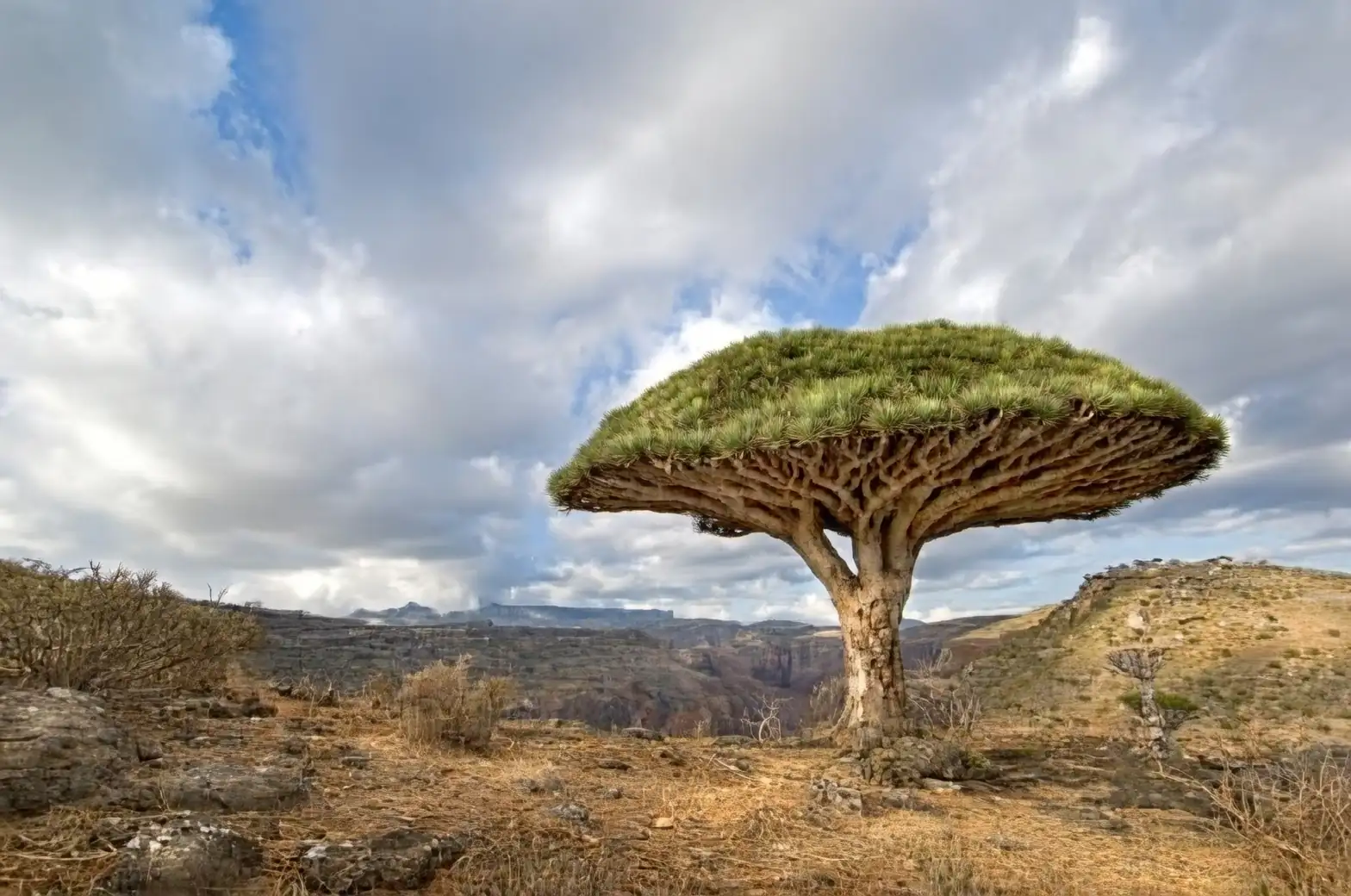
Imagine wandering through a landscape that feels like a set from a fantasy movie—where ancient trees with thick, scaly trunks stand as silent sentinels, their umbrella-like canopies casting mystical shadows. Welcome to the realm of the Dragon Tree, or Dracaena draco, a living relic from the Canary Islands and its neighboring regions, with roots in both earth and legend.
The Mystical “Dragon’s Blood”
One of the most captivating features of the Dragon Tree is its “dragon’s blood”—a deep red resin that oozes from the tree when its bark is wounded. This striking sap not only inspired its name but also fueled myths and legends from ancient cultures. Picture this: in Greek mythology, the blood of a slain dragon was said to give rise to the first Dragon Trees. This resin was once prized as a dye and a varnish and even found its way into ancient remedies. Today, while its mythical uses have faded, its allure remains potent.

A Plant with Superpowers: Fog Capture
In the wild, the Dragon Tree exhibits a fascinating survival strategy, almost like a botanical superhero. These trees have the remarkable ability to harvest moisture from fog and dew—an essential trait for thriving in their native dry island environments. Imagine a tree that can drink from the air, a skill that paints it as a guardian of the landscapes it inhabits.
Architectural Elegance
With its robust, elephant-skin-like trunk and sword-shaped leaves clustered in dense rosettes, the Dragon Tree is a natural sculpture. It grows slowly, taking its time to reach majestic heights of 20 to 25 feet under ideal conditions, with some exceptional specimens soaring to 50 or even 60 feet. The branches begin their journey after the plant flowers, creating the iconic umbrella-like canopy over decades. This slow growth makes mature Dragon Trees highly sought after, as each tree is a testament to time itself.

A Hardy Survivor
The Dragon Tree is more than just a pretty face; it’s a hardy survivor. It can withstand drought, tolerate salt spray from coastal winds, and even handle the occasional cold snap—quite the resume for a tree that thrives in USDA Zones 9 to 12. While it enjoys bright indirect light, it also appreciates some respite from the intense afternoon sun in scorching climates. Indoors or outdoors, this plant is a resilient companion.
Caring for Your Dragon Tree
- Light: Indoors, place in a bright spot; outdoors, provide some shade if in a very hot climate.
- Watering: Drought-tolerant but prefers a soak when the top 2–3 cm of soil dries. Use rainwater or filtered water to avoid leaf-tip browning.
- Soil: Well-draining soil is key. A cactus mix or a blend with peat, perlite, and humus works wonders.
- Temperature: Thrives best between 18–27°C (65–80°F). Protect from frost.
- Feeding: During the growing season, a monthly half-strength balanced fertilizer will do the trick.
A Word of Caution
While this tree adds beauty and intrigue, it harbors a secret: it’s mildly toxic to pets. If ingested, it can cause vomiting or diarrhea in cats and dogs. Keeping it out of reach from curious paws is wise.
The Dragon Tree’s Symbolic Significance
Throughout history, the Dragon Tree has symbolized longevity, protection, and resilience. In feng shui, it is sometimes used to invite stability and positive energy into homes and workplaces. Its slow growth and enduring presence make it a living symbol of perseverance through time.
A Timeless Wonder
Whether you’re a plant enthusiast or someone enchanted by legends, the Dragon Tree offers something magical. It’s a botanical time capsule, a testament to nature’s artistry, and a living reminder of the stories that have shaped our cultures. So next time you encounter a Dragon Tree, take a moment to appreciate its ancient lineage and the myths it continues to inspire.


