

Unveiling the Quirky Charm of Bells of Ireland
Imagine stumbling upon a plant that bears the unmistakable green hue of the Emerald Isle, yet hails from the sun-drenched lands of western Asia. This paradox is embodied by the delightful Moluccella laevis L., commonly known as the Bells of Ireland. Despite its Irish moniker, this captivating plant finds its roots in regions stretching from Turkey to Turkmenistan. Let’s dive into the intriguing world of this plant, where not everything is quite as it seems.
Not Your Average Flower
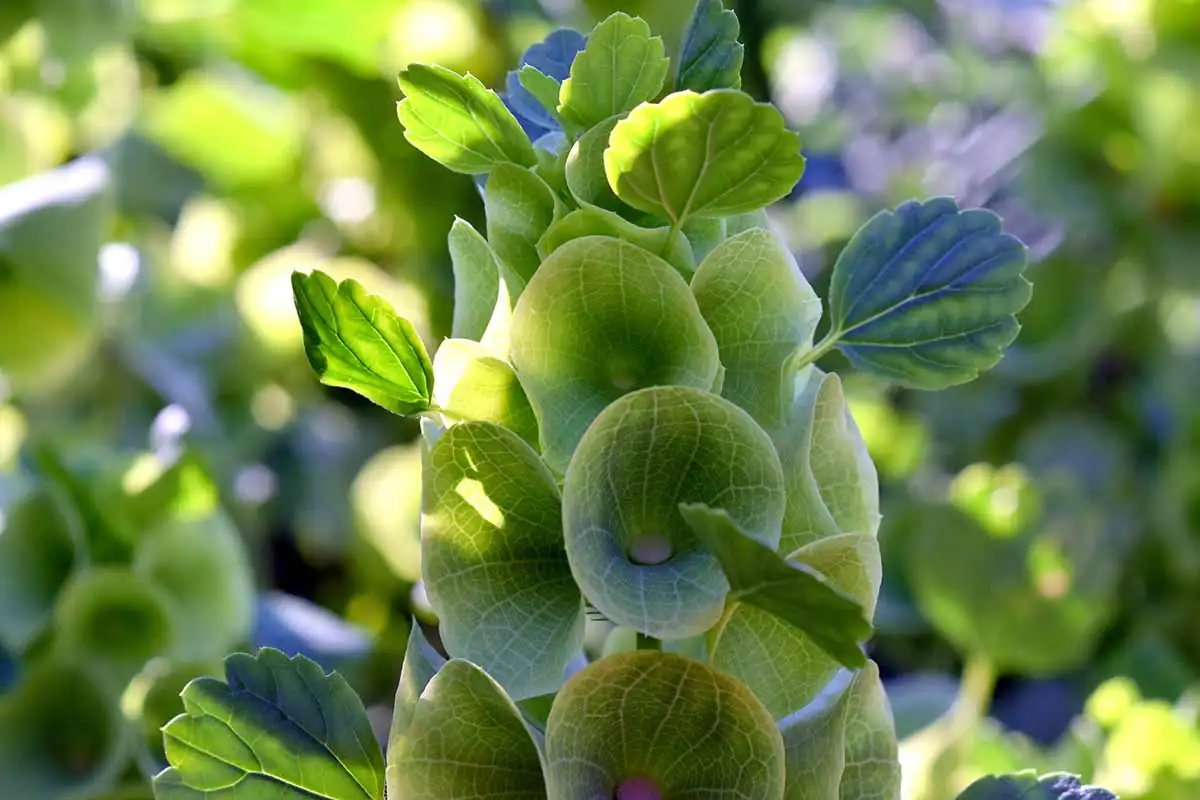
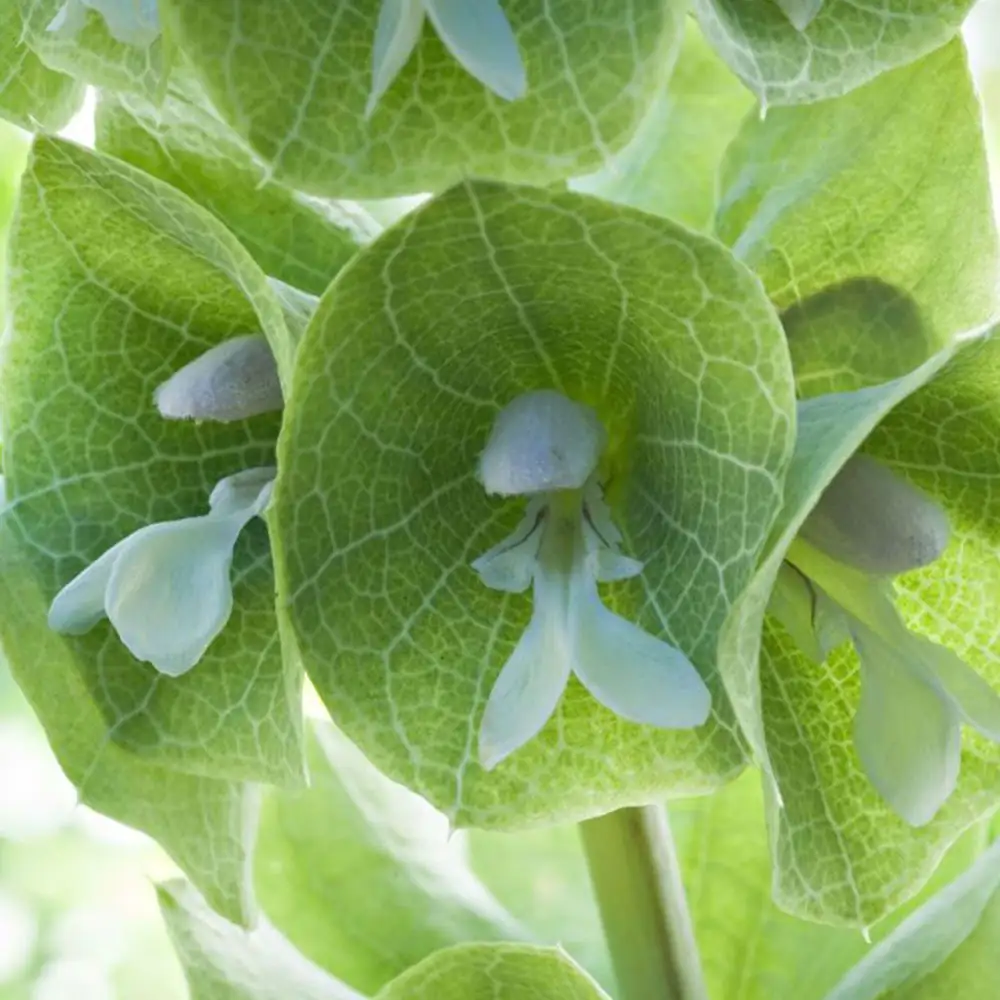
If you think the vibrant green “bells” of this plant are its flowers, think again. These eye-catching, bell-like structures are actually enlarged calyces—specialized leaf-like parts that cradle the true stars of the show: tiny, white flowers. Nestled within the calyces, these blossoms might go unnoticed at first glance, but they pack a sweet, sometimes citrusy punch. It’s a bit like discovering a hidden treasure inside a beautifully wrapped package.
The Mint Family Marvel
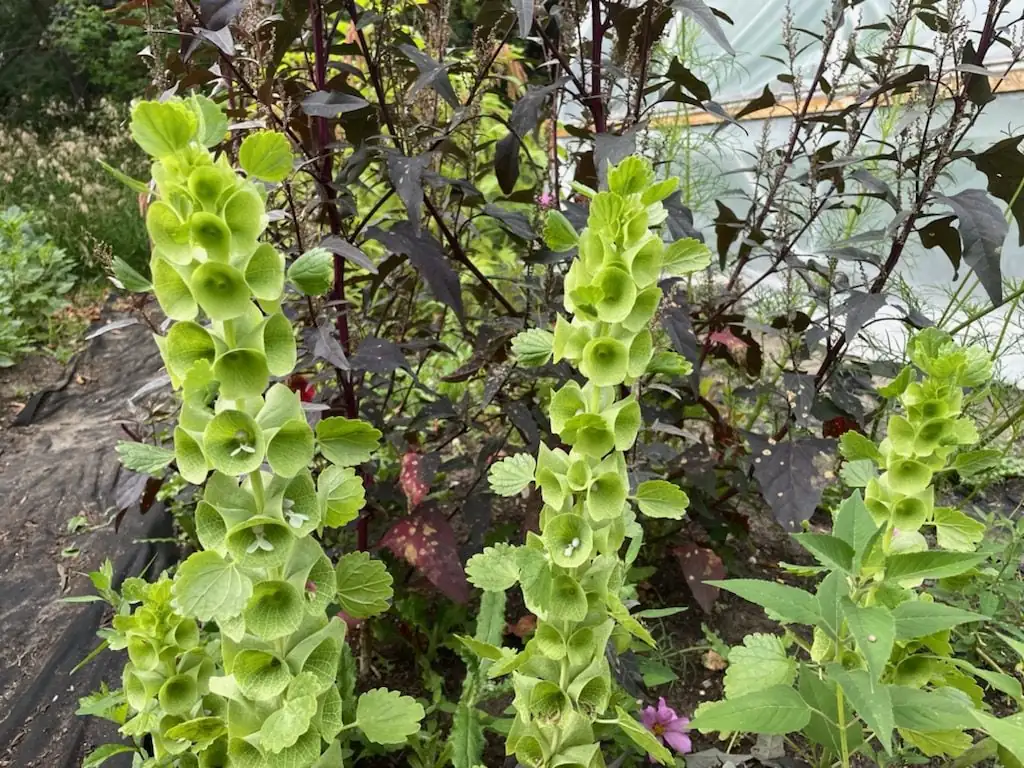
Bells of Ireland belongs to the Lamiaceae family, which includes mint, lavender, and thyme. One of its quirky traits is its square, four-angled stems—a classic feature among its minty relatives. These sturdy, upright stems can reach up to 90 cm (about 3 feet) tall, providing a striking architectural element in gardens.
Growing with Grace
While the plant may carry the luck of the Irish in its name, growing it requires a bit of finesse. Bells of Ireland prefers cooler climates and well-drained soil, thriving best in full sun. Its phototropic nature means it loves to follow the light, creating a dynamic presence in any garden. However, don’t let this sun-chaser’s delicate appearance fool you—beneath each calyx lie small spines, a gentle reminder to handle with care.
A Floral Enigma
Bells of Ireland has been a garden favorite since it first graced European soils in the 1500s. Although it was initially brought to Europe for perfume production, its charm quickly captivated gardeners and florists alike. Today, its vibrant green calyces are a staple in floral arrangements, especially during celebrations like St. Patrick’s Day, where they symbolize good luck and prosperity.
Symbolism and Celebration
In the language of flowers, Bells of Ireland is synonymous with good luck, prosperity, and resilience. Its association with positive traits makes it a popular choice for celebratory bouquets, often gifted to graduates or newlyweds embarking on new journeys. This symbolism isn’t just limited to folklore—it’s a testament to the plant’s enduring charm and its ability to uplift and inspire.

Cultivation Tips
- Sunlight: Best in full sun; aim for at least 6+ hours of direct light.
- Soil: Prefers well-drained, sandy or loamy soil.
- Watering: Keep soil evenly moist during seedling stage; water when the top inch of soil dries out.
- Fertilization: Use a balanced, water-soluble fertilizer every 4–6 weeks during active growth.
- Propagation: Start from seed with cold stratification for best results.
Fun Facts
- The calyces are the show-stealers, not the flowers.
- Despite its name, it’s native to western Asia, not Ireland.
- It’s a mint family member, sharing traits with plants like catmint and salvia.
Florist’s Favorite
In the floral industry, Bells of Ireland is a versatile asset. When used fresh, it adds height and texture to arrangements; when dried, its sculptural form remains, although the vibrant green fades to a soft beige. This adaptability, combined with its long vase life, ensures its place in the hearts of florists worldwide.
In conclusion, Bells of Ireland is a plant full of surprises. From its non-Irish origins to its hidden flowers and minty family ties, it invites us to look beyond appearances and discover the unexpected beauty within. So, the next time you see these green bells, take a moment to appreciate their quirky charm and the stories they hold.


