

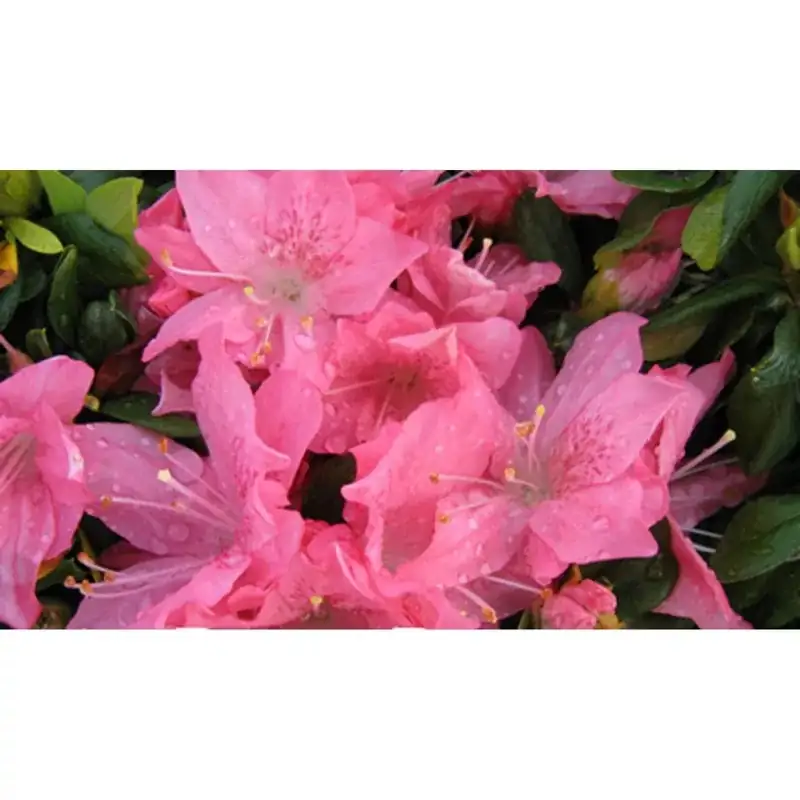
Unveiling the Quirky World of Azaleas: A Floral Delight
Ah, the azalea—Rhododendron simsii if you’re feeling scientific. This isn’t just any plant; it’s like having a mini springtime festival right in your living room. With their vibrant blooms and lush green leaves, azaleas are the rock stars of the potted plant world. But beyond their obvious beauty, these plants hold a treasure trove of quirky facts that might just surprise you.
From Ancient Poetry to Modern Gardens
Did you know azaleas have been celebrated in poetry as far back as 759 CE? Yes, these beauties have been inspiring verses since before the Middle Ages! It’s believed that Buddhist monks carried azaleas across Asia, planting them in the gardens of temples and, perhaps unknowingly, sowing the seeds of an international love affair with this plant.
Once deemed an aristocratic plant, azaleas were the darlings of lush greenhouses before making their grand entrance into the gardens of the United States in the 1840s. Today, they’re the stars of festivals from Japan to Alabama, where Mobile’s Azalea Trail bursts into color every spring.
A Name with a Dry Sense of Humor
The name “Azalea” comes from the Greek word azaleos, meaning “dry.” It’s ironic, given that these plants thrive in moist, acidic soil. Perhaps it’s a nod to their propensity to bloom in dry, sandy banks under towering trees, just where you’d least expect such vibrant life.
The Toxic Charm
Be warned, though: these plants pack a potent punch. All parts of the azalea contain grayanotoxins, making them toxic to pets and humans if ingested. The infamous “mad honey,” derived from azalea nectar, was once used to thwart invading armies in ancient Turkey. So, while they’re beautiful to behold, it’s best to admire them from a safe distance—or at least out of reach of curious pets and children.
The Garden’s Royalty
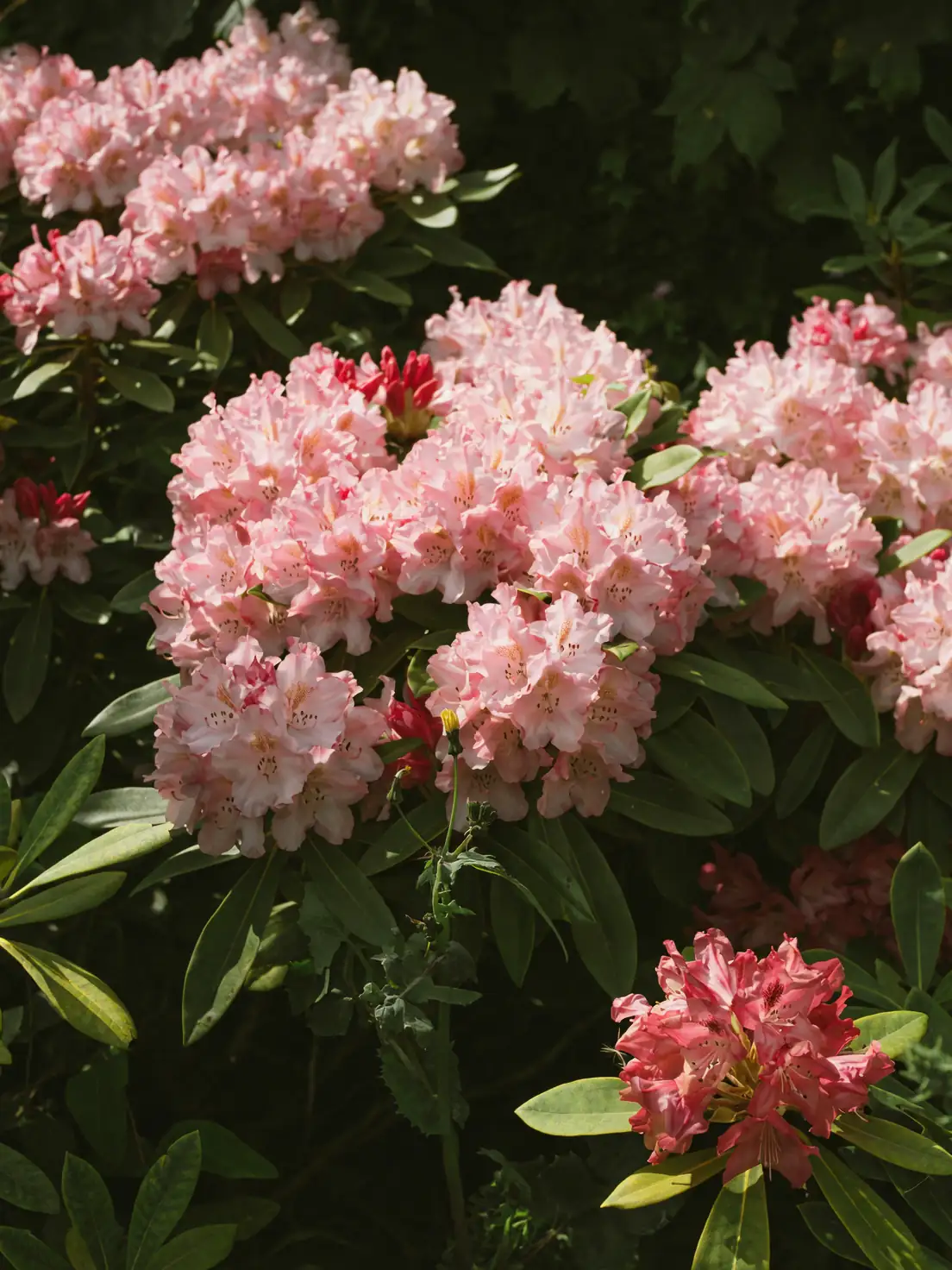
Often dubbed the “Royalty of the Garden,” azaleas belong to the vast Rhododendron family, which includes over 4,000 species. These evergreens thrive in the cool, acidic soils of East Asia and have been hybridized into an astonishing array of forms. From tiny alpine shrubs to tree-sized giants reaching up to 30 meters, the Rhododendron genus is a testament to nature’s diversity.
Care Tips Fit for a King
Caring for your azalea is like hosting a royal guest. They prefer bright, indirect light, akin to a gentle spotlight at a regal gala. Keep them cool, ideally between 10–24°C (50–75°F), and maintain a moist environment to keep them blooming for weeks. And just like a meticulous gardener, they despise soggy feet—ensure their roots are well-drained and their soil is acidic.
Propagation Secrets
Want to expand your azalea kingdom? Propagation is your secret weapon. Take semi-ripe cuttings in late spring through summer for the best results. With a little rooting hormone and some gentle warmth, you’ll have new azaleas ready to join your floral court.
A Symphony of Colors
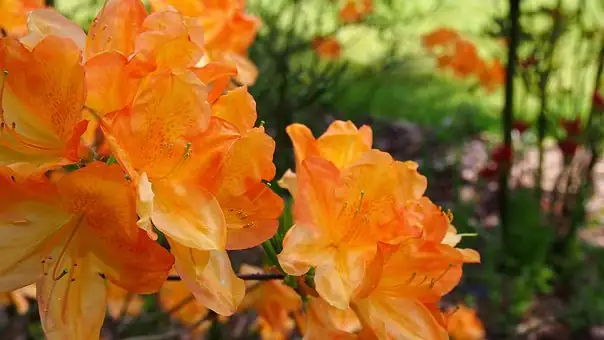
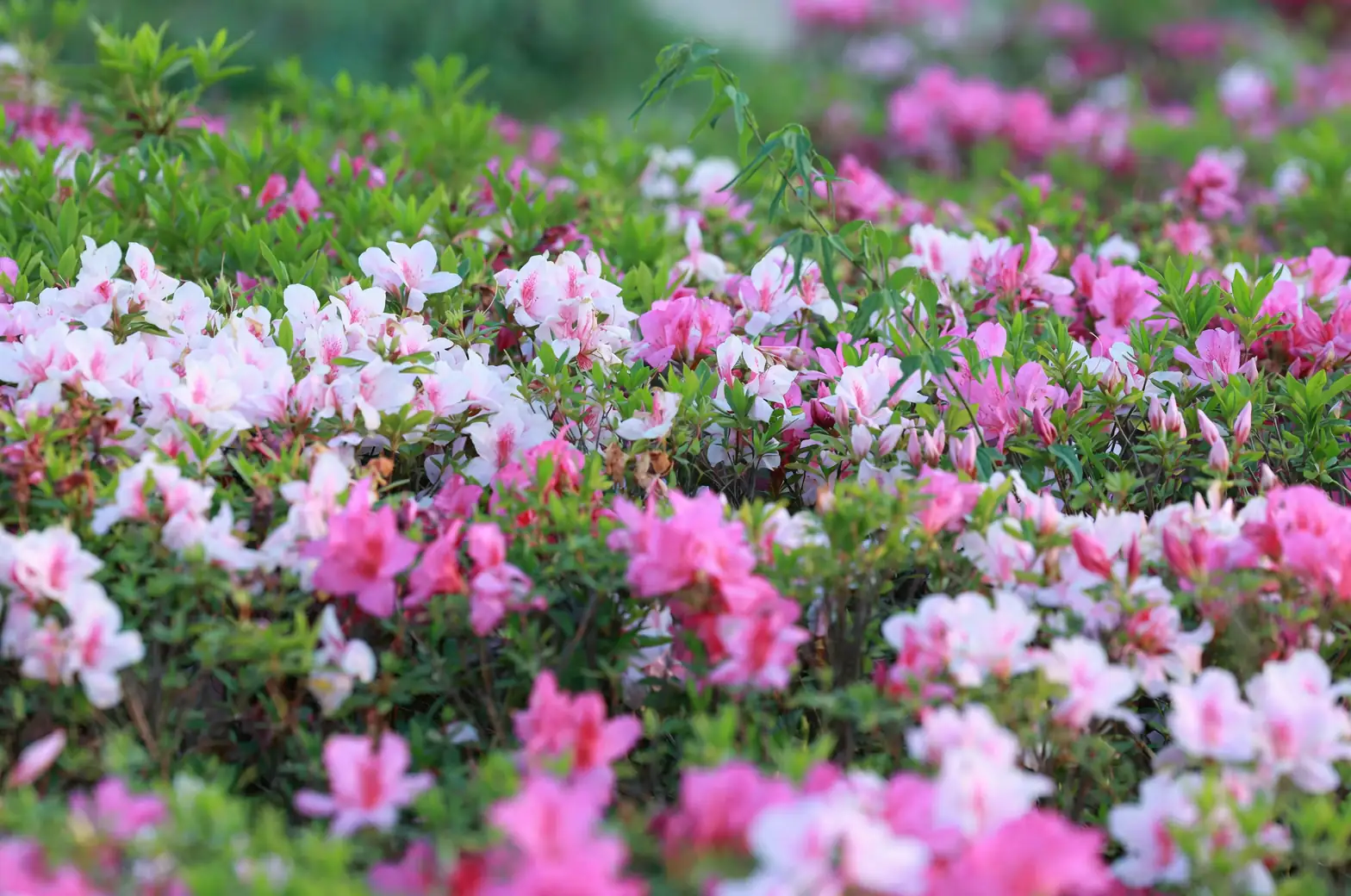
Azaleas are truly a painter’s palette in the plant world. Their blooms range from delicate pinks to bold reds and whites, often with a ruffled edge that adds a touch of drama. Whether in a garden or a pot, they create a “bouquet” effect that can make even the dreariest day feel like a celebration.
Azaleas in Flower Language
In the language of flowers, azaleas symbolize balance and caution—perhaps a nod to their toxic nature. They also represent femininity and abundance, making them a popular choice for gifts and decorations during springtime festivities.
So, the next time you see an azalea, remember: there’s much more to these plants than meets the eye. They’re a blend of beauty, history, and a dash of danger—proof that sometimes, the most intriguing stories are found in the garden. Whether you’re a seasoned gardener or a curious beginner, azaleas invite you to dive into their colorful world and uncover the secrets that lie within.


