

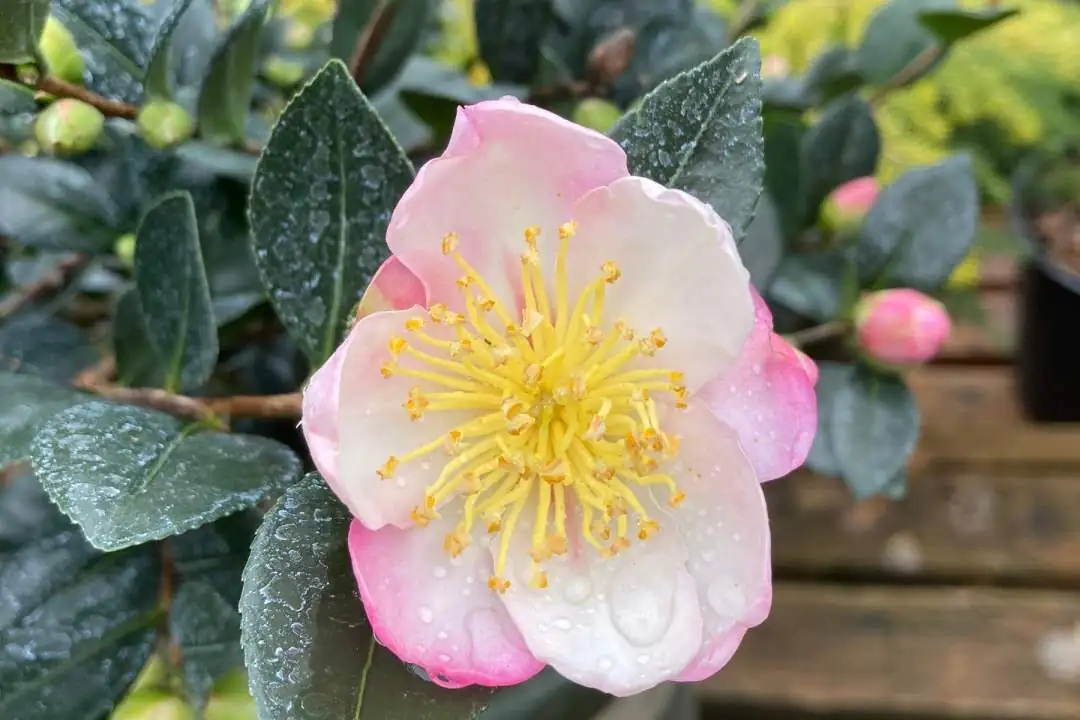
Sasanqua camellia (Camellia sasanqua) is the garden friend that shows up with flowers when everyone else is packing up for the year—glossy, evergreen, and blooming from autumn into winter. In acidic beds, it partners brilliantly with fellow acid-lovers to layer texture and height, stretch color across seasons, and take advantage of microclimates for an exceptionally long bloom run. Use these pairings to build seamless hedges, graceful entries, and sophisticated patio backdrops that stay beautiful all year.
Know your star: Sasanqua camellia at a glance
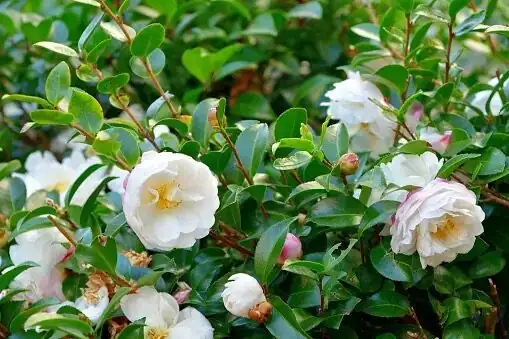
- Habit and size: Evergreen, densely branched shrub; naturally rounded to upright; typically 5–16 ft tall and 5–13 ft wide, depending on cultivar and pruning.
- Bloom: White, pink, or red, often lightly fragrant; single to semi-double; most show from roughly October–January.
- Light: Bright light to full sun; in hot summers, protect from harsh midday sun. Partial shade is fine.
- Soil: Moist, well-drained, slightly acidic mix with organic matter. Think composted bark, leaf mold, and a bit of peat (or substitute) with coarse grit for drainage.
- Climate: Best in USDA 7–9. Thrives in 64–77°F (18–25°C); brief dips to ~14°F (-10°C) are tolerable in-ground with exposure and cultivar differences. Prolonged heat above 100°F (38°C) can scorch buds.
- Moisture: Evenly moist, never waterlogged. Appreciates steady humidity and good airflow.
Tip: In warm regions, a half-day of filtered light (about 50% shade) prevents heat stress and bud drop.
The acid-bed blueprint: set the stage
- Build the soil
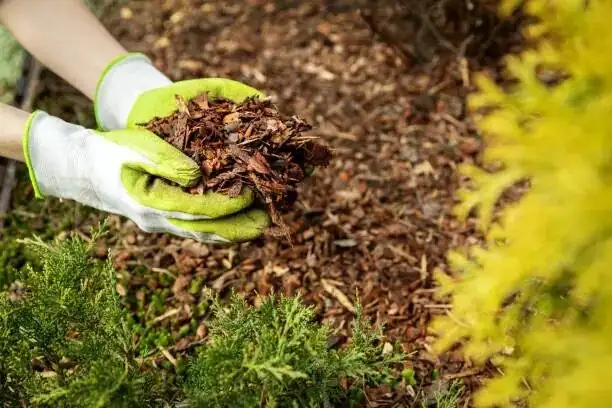
- Work in composted bark, leaf mold, and fine pine materials for acidity and structure.
- Aim for a slightly acidic pH; consistent organic mulching with pine straw keeps the top layer cool, moist, and root-friendly.
- Respect the roots
- Sasanquas are shallow-rooted—avoid crowding them with trees that have aggressive, thirsty roots (skip willow, poplar, elm).
- Mulch widely; keep planting pockets at least a forearm’s width from the main stem for underplantings.
- Manage light and airflow
- Morning sun with dappled afternoon shade is ideal in hot-summer zones.
- East-facing walls and open understories are perfect; avoid heat-bouncing hardscapes at high noon.
- Water wisely
- Keep evenly moist. In summer, daily watering may be needed; in winter, scale back to every 3–5 days. Always allow excess to drain.
- Feed for flowers
- March–September: fertilize every 2 weeks with a balanced feed.
- May: a light monopotassium phosphate application can help bud initiation.
- October: add a phosphorus-forward feed to support strong flowering.
Layer textures and heights: companions that thrive in acid beds
Think of your planting in three layers—canopy, midstory, and groundcover—to create depth and year-round interest without overshadowing your sasanquas.
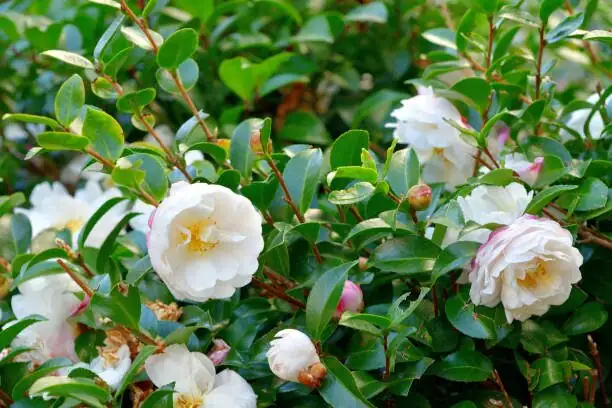
Canopy (light shade makers and seasonal drama)
- Japanese maple (Acer palmatum): Dappled shade, fiery fall color over glossy camellia leaves.
- Dogwood (Cornus, incl. Empress of China evergreen forms): Spring bracts, elegant branching.
- Witch hazel (Hamamelis): Fragrant, winter-ribbon flowers before leaves—great for “shoulder-season” color.
- Small magnolias (Magnolia stellata or compact cultivars): Spring bloom and winter silhouette.
Midstory (flower power and evergreen bones)
- Pieris (Pieris japonica): Spring chains of bloom and polished, evergreen foliage.
- Azalea and rhododendron (incl. compact Encore-type azaleas): Spring (and some fall) flush; choose whites near deep pink/red sasanquas for contrast.
- Fothergilla: Honeyed spring flowers and standout fall color.
- Hydrangea (macrophylla types for summer blues in acidic soil; oakleaf for structure and bark): Summer body color without stealing the winter show.
- Gardenia (Gardenia jasminoides): Summer fragrance, glossy evergreen to echo camellia leaves.
Ground layer (texture, carpet color, and seasonal spark)
- Ferns (Athyrium, Dryopteris): Feathered texture under glossy camellia leaves.
- Evergreen sedges (Carex, e.g., EverColor types): Year-round tufted color; brilliant at path edges.
- Heucherella and heuchera (choose foliage tones to echo or contrast camellia blooms): Silvery pinks, coppers, and plums knit borders together.
- Dwarf mondo grass (Ophiopogon japonicus ‘Nanus’): Low-maintenance edging that loves acidic, organic soils.
- Shade annuals and bulbs for punctuation: violas and pansies for cool-season faces; daffodils for spring cheer (they’re pH-tolerant and slip easily through groundcovers).
Stagger seasonal color: a year-round sequence
- Late winter to spring
- Witch hazel, pieris, and dogwood start the show.
- Azaleas and rhododendrons take over in mid–late spring.
- Daffodils, primroses, and violas keep the skirts lively.
- Summer
- Hydrangeas (especially blue in acidic soils) and gardenias provide bloom and fragrance.
- Astilbe adds soft plumes in cooler, moist pockets.
- Autumn to winter (the sasanqua season)
- Sasanqua camellias ignite with white, pink, or red flowers—many lightly fragrant.
- Evergreen structure from pieris and sedges frames the show; fothergilla and Japanese maples finish with blazing foliage.
Pro tip: Within sasanquas, choose an early and a late-blooming cultivar to carry color from October into January. Consider a compact, double-flowered form like October Magic Ruby to kick off the season, then a later sasanqua to finish strong.
Microclimates that lengthen bloom
- Warm spots for early color
- South- or west-facing walls and stonework store daytime heat and open buds sooner.
- Cool pockets to hold flowers longer
- North- or east-facing aspects, dappled shade, and sheltered courtyards slow bloom progression and keep petals pristine.
- Shelter from extremes
- In hot summers, filter midday sun (a pergola, high-canopy shade, or ~50% shade cloth).
- Protect from drying winds; ensure good ventilation to reduce leaf spot and bud drop.
- Containers give flexibility
- Move potted plants to the spotlight during peak bloom, then overwinter them cool (about 37–43°F / 3–6°C) for reliable buds. For indoor holiday display, keep it bright and cool (46–50°F / 8–10°C).
Design recipes for hedges, entries, and patios
Polished privacy hedge (Zones 7–9)
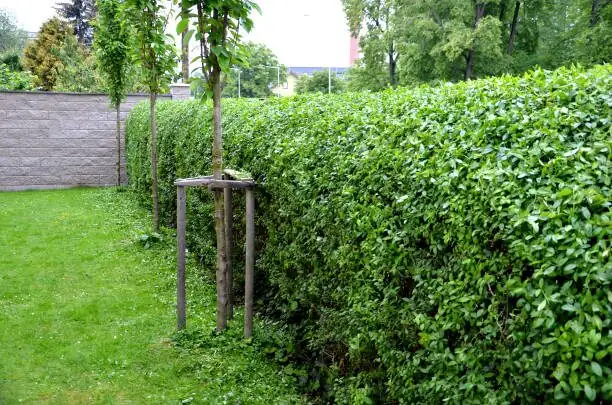
- Backbone: A single or gentle zigzag row of sasanqua camellias, spaced to mature size and clipped after flowering.
- Mid-tier accents: Pieris or compact azaleas tucked between larger camellias for spring lift.
- Ground layer: A ribbon of Carex with pockets of Japanese painted fern; scatter daffodil bulbs between clumps for spring sparkle.
- Maintenance rhythm: Prune sasanquas right after bloom; do a light summer touch-up. Thin crowded buds in late summer for fewer, larger flowers and stronger stems.
Classic entry flanks
- Statement forms: Two sasanqua camellias trained as standards or espaliers to frame the doorway.
- Understory: Heucherella in silvery-rose tones, with dwarf azalea or gardenia (compact forms) behind for evergreen weight.
- Edge detail: Dwarf mondo grass for a tailored skirt; pansies slip in for cool-season charm.
Patio backdrop in big containers
- The mix: Large Italian-style or fiberclay pots with an acidic, free-draining blend (composted bark + leaf mold + peat or substitute + coarse sand/grit).
- Thriller–filler–spiller
- Thriller: A compact sasanqua camellia.
- Filler: Heucherella or small fern for texture.
- Spiller: Low Carex or wintergreen (Gaultheria procumbens) for berry-and-foliage interest in acidic conditions.
- Care: Bright light with protection from harsh midday sun; keep evenly moist and well drained. Repot after flowering every 2–4 years, sizing up gradually.
Dappled woodland ribbon
- Overstory: Japanese maple casting lacey, shifting light.
- Drift planting: Groups of sasanquas staggered along a path for layered sightlines.
- Underplanting: Evergreen ferns, primroses, and sedges stitch the ground plain together; add a few hydrangeas at the far edge for a summer crescendo.
Care shortcuts for long, reliable bloom
- Watering: Soak thoroughly and let excess drain. Keep soil evenly moist—never bone-dry or soggy. In summer, daily watering may be needed; in winter, typically every 3–5 days.
- Feeding: March–September every 2 weeks with balanced fertilizer; optional monopotassium phosphate in May for bud set; phosphorus-forward feed in October.
- Pruning: Right after flowering—remove spent blooms, dead wood, and leggy shoots. Light shape in early summer; thin buds in late summer.
- Health: Good airflow and morning sun help prevent leaf spot. Avoid wetting foliage late in the day. Watch for scale and aphids (treat early with horticultural oil or insecticidal soap).
- Hardiness and placement: Most reliable in USDA 7–9; protect from extreme heat and drying sun. Container plants overwinter best cool (37–43°F / 3–6°C).
Pet- and family-friendly note: Generally considered non-toxic to people and pets, though nibbling may upset sensitive stomachs.
A whisper of symbolism (and how to style it)
Camellias often symbolize admiration, grace, and refined beauty—fitting for a shrub that brings polish to the quiet season. Flower-language traditions vary by culture and era, but sasanqua’s poised, autumn-to-winter bloom lends itself to design themes of serenity and subtle luxury. Use white-flowering forms at entries for a calm welcome, rosy tones near patios for warmth, and deep reds against evergreen backdrops for winter drama.
Quick companion roster (acid-friendly and well-behaved)
- Trees: Japanese maple, dogwood, witch hazel, small magnolias
- Shrubs: Pieris, azalea, rhododendron, fothergilla, hydrangea (blue-capable in acid soils), gardenia
- Groundcovers and perennials: ferns, Carex, heucherella/heuchera, dwarf mondo grass, primrose, pansy, daffodil
With the right partners, sasanqua camellias don’t just bloom—they orchestrate the entire bed. Layer your heights, weave fine and glossy textures, lean into acidity, and play the warm-and-cool pockets across your garden. The result is an elegant, low-fuss tapestry that looks deliberate in every month and positively luminous from fall into winter.