

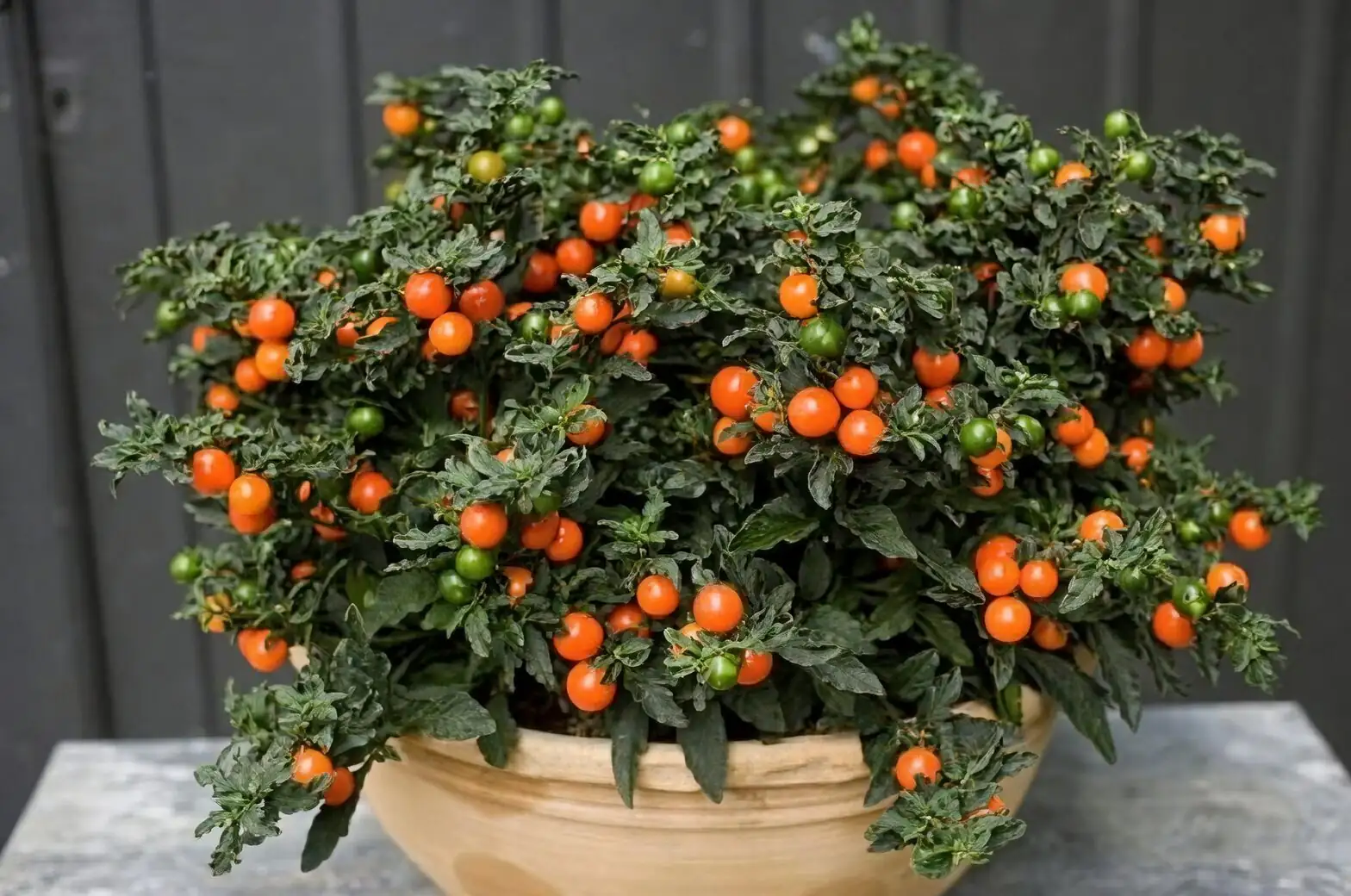
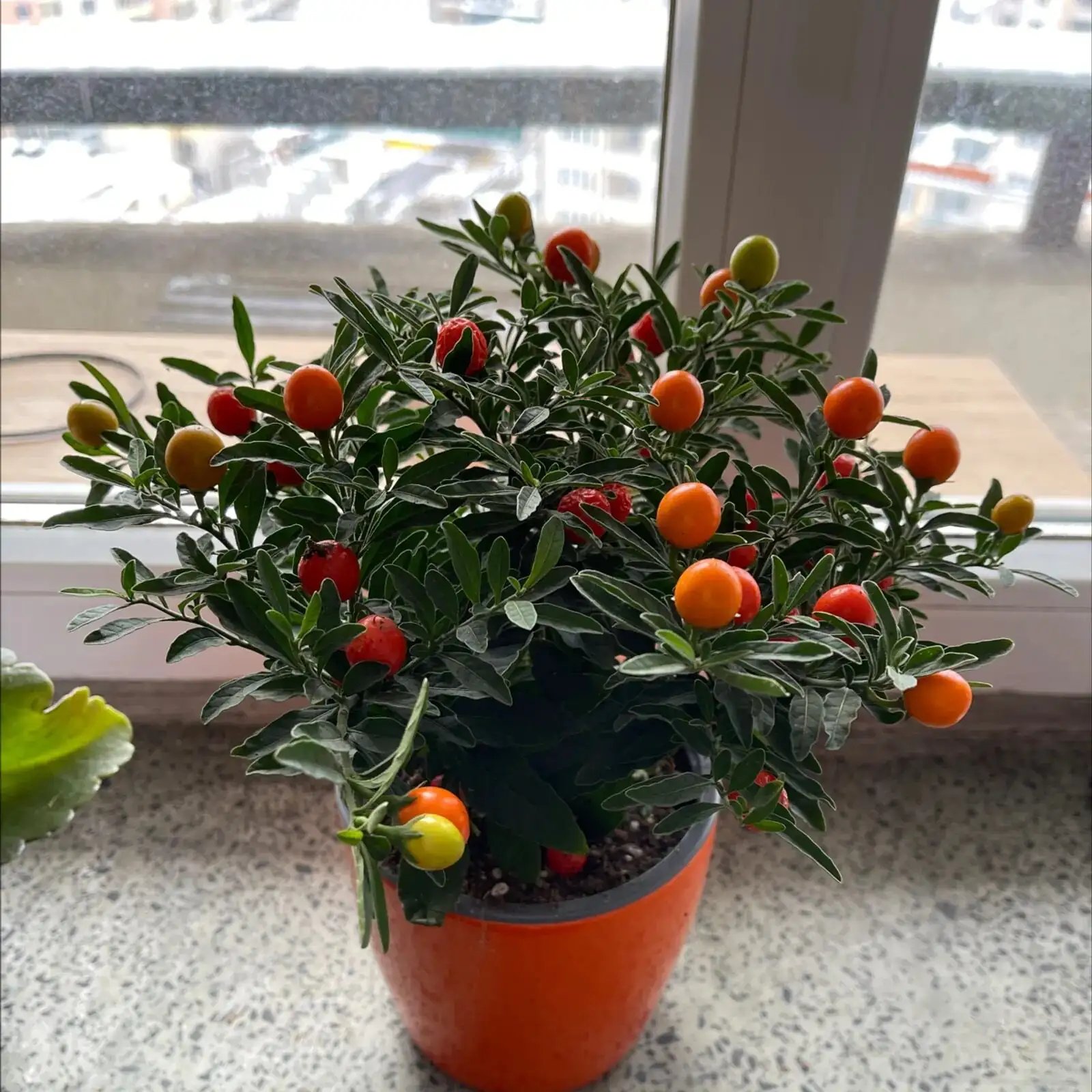
Coral-red berries like vintage glass beads, silvery foliage that cools the palette, and sleek containers that make everything look intentional—Solanum pseudocapsicum (Jerusalem cherry) is a winter styling dream. Use it as a festive focal point on bright east or south windows, where light makes those glossy fruits glow and careful placement keeps berries from dropping.
Meet the plant you’re styling
- Identity: Solanum pseudocapsicum, also called Jerusalem cherry, Christmas/False Jerusalem/Madeira winter cherry
- Form: Compact evergreen subshrub, typically 30–60 cm tall and 30–45 cm wide in a pot
- Show: Small, starry white flowers in autumn; then clusters of round berries ripen green → orange → vivid coral-red and hold through winter
- Growth habit: Bushy, dense, great as a short-lived decorative potted plant (1–2 years is common)
- Caution: Toxic if eaten. Keep away from children and pets.
The style playbook: coral + silver + crisp neutrals
Lean into contrast. The berries are the “lipstick”; everything else should frame them.
Perfect plant partners in silver tones
Mix Jerusalem cherry with foliage that reads frosty or pewter to cool the composition and let red sing.
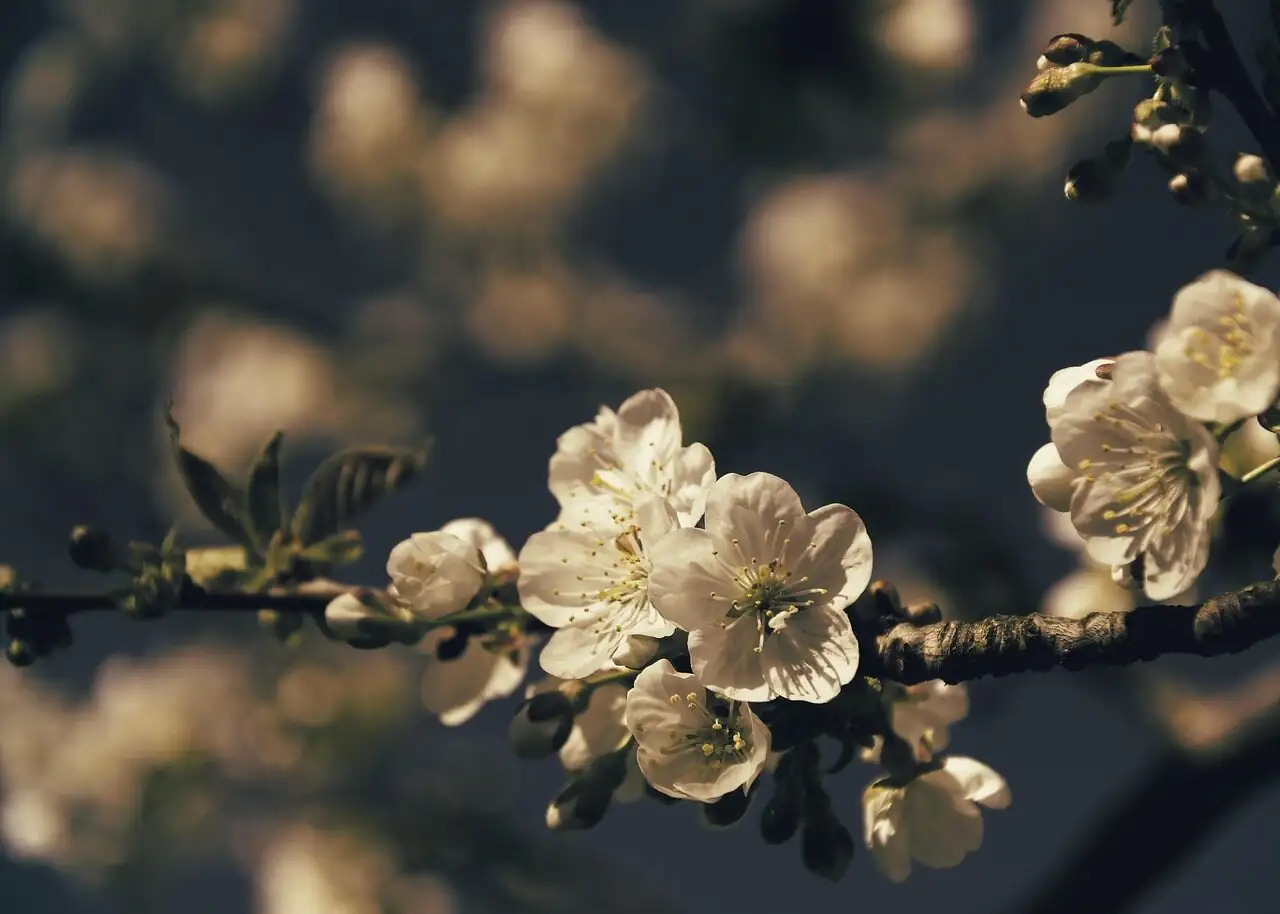
- Satin Pothos (Scindapsus pictus ‘Argyraeus’): trailing, pewter-splashed leaves that soften edges
- Peperomia ‘Frost’ or ‘Silver Ripple’: compact, textured, silvery foliage for a low accent
- Echeveria (glaucous types) or Senecio serpens (Blue Chalksticks): sculptural, blue-silver succulents for a modern vibe (position closest to the brightest light)
- Pilea glauca (Aquamarine): tiny, cascading blue-gray leaves for an airy skirt
- Cyclamen with silver-marbled leaves: seasonal partner that echoes winter but doesn’t compete with the berries
- Tillandsia xerographica: a silvery air plant that adds volume without visual clutter
Tip: If you use “outdoor” silvers like Dusty Miller or Helichrysum for a short indoor vignette, treat them as temporary companions—they prefer brighter, airier conditions than most living rooms long-term.
Containers that make the berries pop
- Palette: matte white, chalk porcelain, cool cement, charcoal, or brushed steel. These neutrals keep the look crisp and winter-fresh.
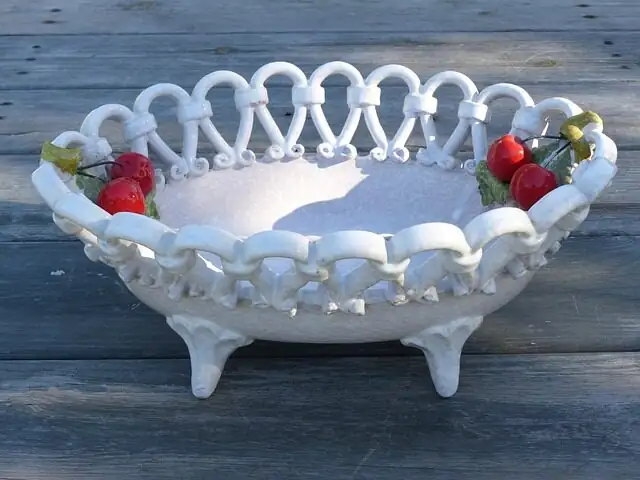
- Shapes: cylindrical cachepots, footed bowls, or rectilinear troughs. Keep silhouettes clean to spotlight fruit texture.
- Proportion: Jerusalem cherry looks tailored in 10–15 cm (4–6 in) pots; it actually prefers being slightly pot-bound.
- Details that elevate:
- A pale mineral top-dressing (washed gravel or pumice) to echo silver partners, keep berries clean, and discourage fungus gnats
- Felt pads or a slim stand to lift pots off cold stone or metal sills
Composition ideas
- Trio on a sill: one Jerusalem cherry + one satin pothos + one small echeveria in staggered heights
- Linear trough: a row of two cherries flanked by low silver-textured companions for a tailored mantel
- Solo statement: a single, berry-laden plant in a matte white footed bowl with a silver cascade (Pilea glauca) at the rim
Light placement: east/south windows for the richest color
Bright light to full sun brings tight growth, saturated berries, and fewer drops.
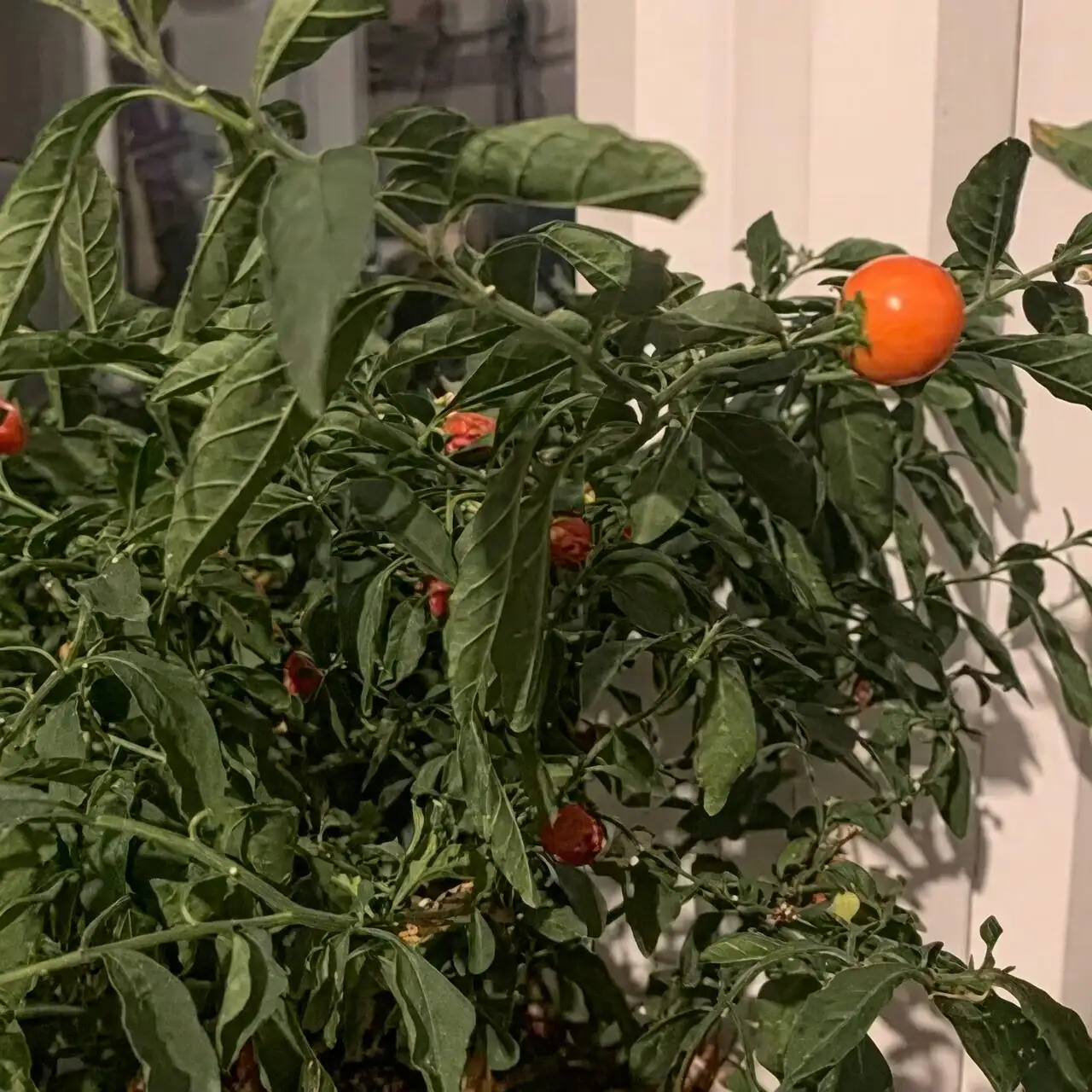
- East-facing window: ideal morning sun that’s gentle but strong—set the pot right on the sill.
- South-facing window: all-day light is superb, especially in winter. If summer sun gets harsh, sheer-filter midday rays, but keep light abundant in winter.
- Distance: in cold months, nestle 5–20 cm (2–8 in) from the glass for maximum brightness, but:
- Keep leaves and fruit off the freezing pane at night.
- Use a small stand or coaster to lift the pot off a cold sill.
- Rotate the pot a quarter turn weekly to keep the crown evenly lit and berries evenly displayed.
Stop the drop: draft-proofing and temperature stability
Berries and leaves fall when conditions swing. Your styling secret is microclimate control.
- Temperature targets:
- Best growth: 20–25°C (68–77°F)
- Winter minimum: keep above 8–10°C (46–50°F)
- Draft avoidance checklist:
- Seal leaky window edges; use weatherstripping where you feel a chill.
- Keep 10+ cm (4+ in) back from the exact draft path of an opening window or exterior door.
- Never park near heater/AC vents or radiators—hot blasts are as destabilizing as cold ones.
- If nights are frigid, move the plant a little farther from the glass or close a sheer at night to buffer cold air (don’t trap the plant between a freezing pane and a heavy curtain).
- Transport gently; sudden cold during the trip home can trigger drop later.
Watering for a long, glossy fruit display
Think “even and slightly on the dry side”—no droughts, no bogs.
- During active growth: water thoroughly when the top 2–3 cm (about 1 in) of mix dries.
- During flowering (autumn): reduce slightly to encourage fruit set.
- Fruiting (autumn–winter): keep the mix lightly moist to slightly dry—never waterlogged; avoid the “drought then drench” cycle.
- Technique:
- Water the soil line; don’t splash berries—water spotting and rot can mar the display.
- In cool, dim winter spells, watering about every 4–5 days often works; always adjust to your room’s light, heat, and pot size.
- Humidity: moderate home humidity is fine if watering is steady; avoid keeping the plant cold and wet at the same time.
Feeding, soil, and the right pot
- Fertilizer: feed every 2 weeks in active growth. As buds and blooms appear in autumn, give 1–2 extra feeds with a higher P/K ratio to support flowering and fruiting.
- Potting mix: rich yet well-draining—loam-based houseplant mix improved with peat or coco coir plus coarse sand/perlite for airflow.
- Potting approach: keep it slightly pot-bound in a 10–15 cm (4–6 in) container with drainage; avoid oversizing, which leads to soggy soil.
Shape it like a pro (and keep it going next year)
- Pinch once when young plants reach 10–15 cm (4–6 in) to encourage a dense, rounded silhouette.
- After winter’s display, you can cut older plants back; fresh shoots often form and can flower and fruit again in strong light.
- Repot only when necessary—this plant performs best a bit snug.
- Want more? Propagate:
- Seeds in spring (germinate in 10–12 days around 18–20°C / 64–68°F).
- Semi-ripe stem cuttings (about 10 cm / 4 in) in summer; they typically root in 2–3 weeks in warm, humid conditions.
- If you’re carrying it into a second fruiting season indoors, gentle hand-pollination of autumn flowers (soft brush or a light shake) can help set berries when insects aren’t visiting.
Troubleshooting (style edition)
- Sudden fruit or leaf drop:
- Likely causes: low light, cold drafts, or wet soil.
- Fix: brighter placement (east/south window), stabilize temperature above 8–10°C in winter, and water lightly—keeping mix just on the dry side.
- Yellowing leaves:
- Often overwatering or too-dim light. Brighten exposure and let the top layer dry before watering.
- Pests:
- Whiteflies can appear indoors. Isolate the plant; treat with insecticidal soap or horticultural oil, repeating as needed.
- Diseases:
- Leaf spot/anthracnose thrive in stagnant, damp conditions. Improve airflow, avoid wetting leaves and berries, and prune off affected parts.
Safety and smart placement
All parts—especially the bright berries—are toxic if eaten. Display where you can admire them but out of reach of children and pets. If needed, elevate onto a high sill or sturdy shelf and consider a minimalist wire frame guard that doesn’t trap humidity.
A note on symbolism
Jerusalem cherry’s winter berries have long been read as cheer and good luck—bright color carrying optimism into the darkest months. The association likely grew from its peak beauty in late year when gardens fade, making it a natural for holiday gifting and celebratory windowsills.
Quick styling recap
- Place on an east or south window for luminous berries.
- Pair with silvery foliage and keep containers crisp and neutral.
- Draft-proof and keep temperatures steady to prevent fruit drop.
- Water evenly, lightly; don’t splash the fruit.
- Feed regularly in season and give a P/K nudge in autumn for a heavy berry show.
Dress your window like a quietly glamorous winter still life: coral-red beads, silver cloth, and a sleek frame—alive, glowing, and effortlessly chic.