

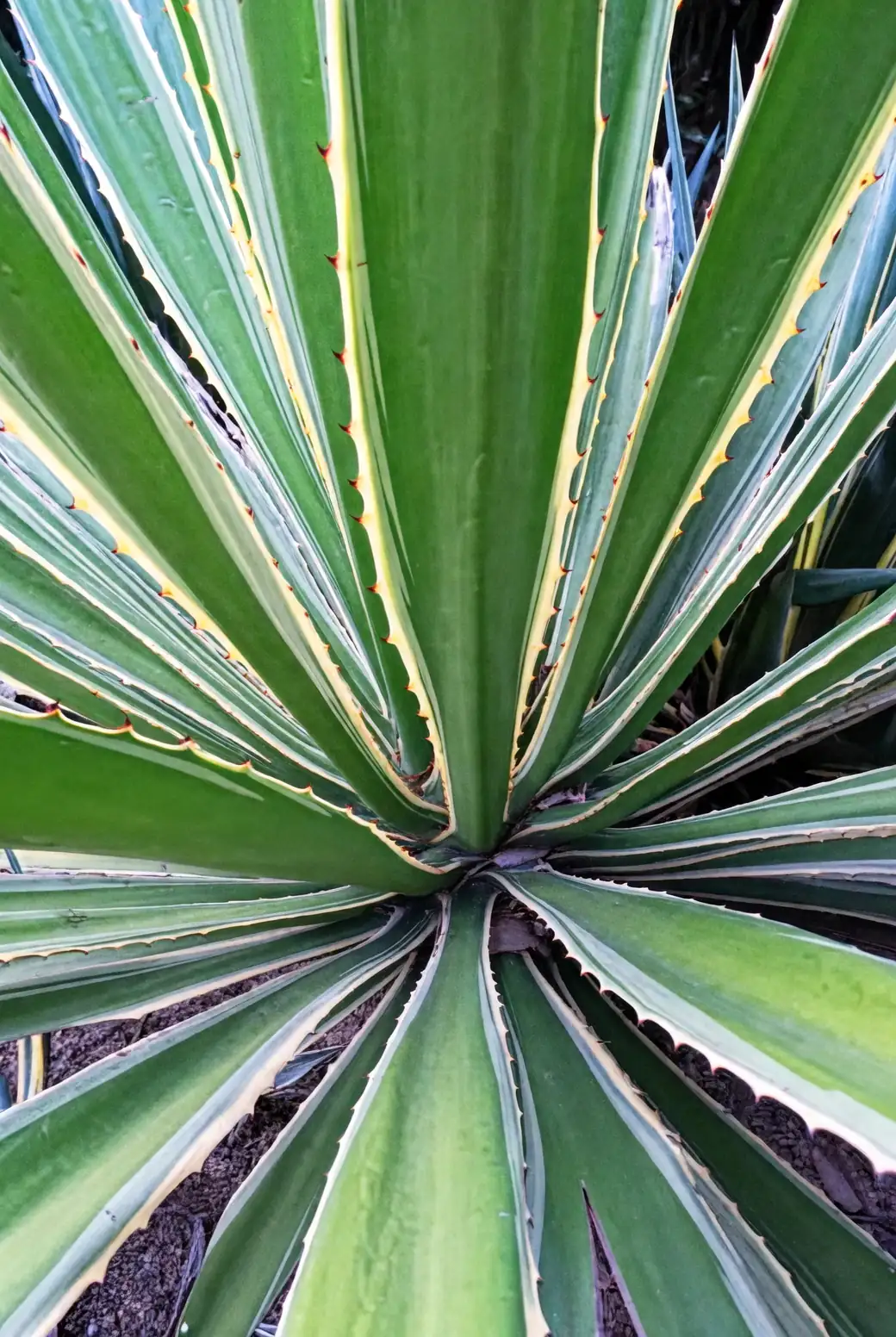
Agave americana, the Century Plant, is the kind of botanical sculpture that asks for a stage—and a cast—worthy of its presence. Build that stage with sharp-silhouetted foils, soft billows, and nectar engines that keep pollinators fed year-round. The secret? Fast drainage from thoughtful soil mounding, generous sun, and a design that choreographs color and texture like a living art piece.
Meet the Star: Agave americana at a Glance
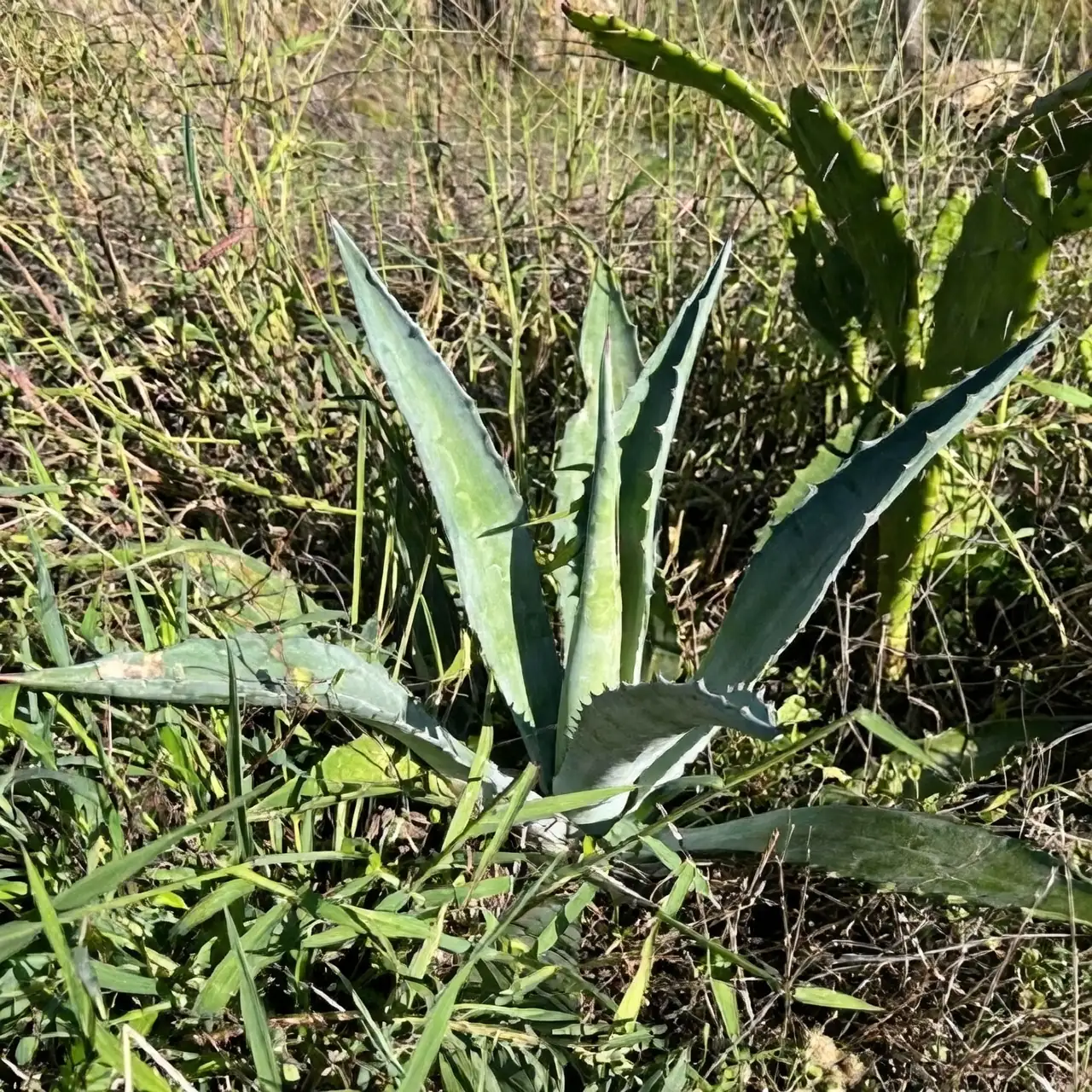
- Look and form: A bold evergreen rosette of thick, blue‑gray to gray‑green, sword-shaped leaves with sharp marginal teeth and a needle tip. Architectural, graphic, unmissable.
- Size: In-ground rosettes commonly 1–2 m (3.3–6.6 ft) across; in containers, typically to about 90 × 90 cm (35 × 35 in). When it finally flowers, the stalk can rocket to 7–8 m (23–26 ft).
- Light and climate: Full sun (aim for 6–8 hours). Suited to USDA Zones 8–11; protect from prolonged freezes.
- Soil: Very fast-draining, gritty mix. Never let water sit in the rosette.
- Life cycle: Monocarpic—blooms once after many years (often 10–25+), then the flowering rosette declines. Offsets (“pups”) usually carry on.
- Pollinators: Yellow‑green, nectar-rich flowers draw night visitors like bats and moths in native ranges; in gardens, you’ll also see hummingbirds and a host of insects.
- Safety: Serious spines and potentially irritating sap—give it space from paths and play areas and wear gloves and eye protection when handling.
Site, Soil, and the Art of Mounding
Think “high and dry.” A raised bed or berm keeps the crown above trouble, shedding water fast and guarding against rot.
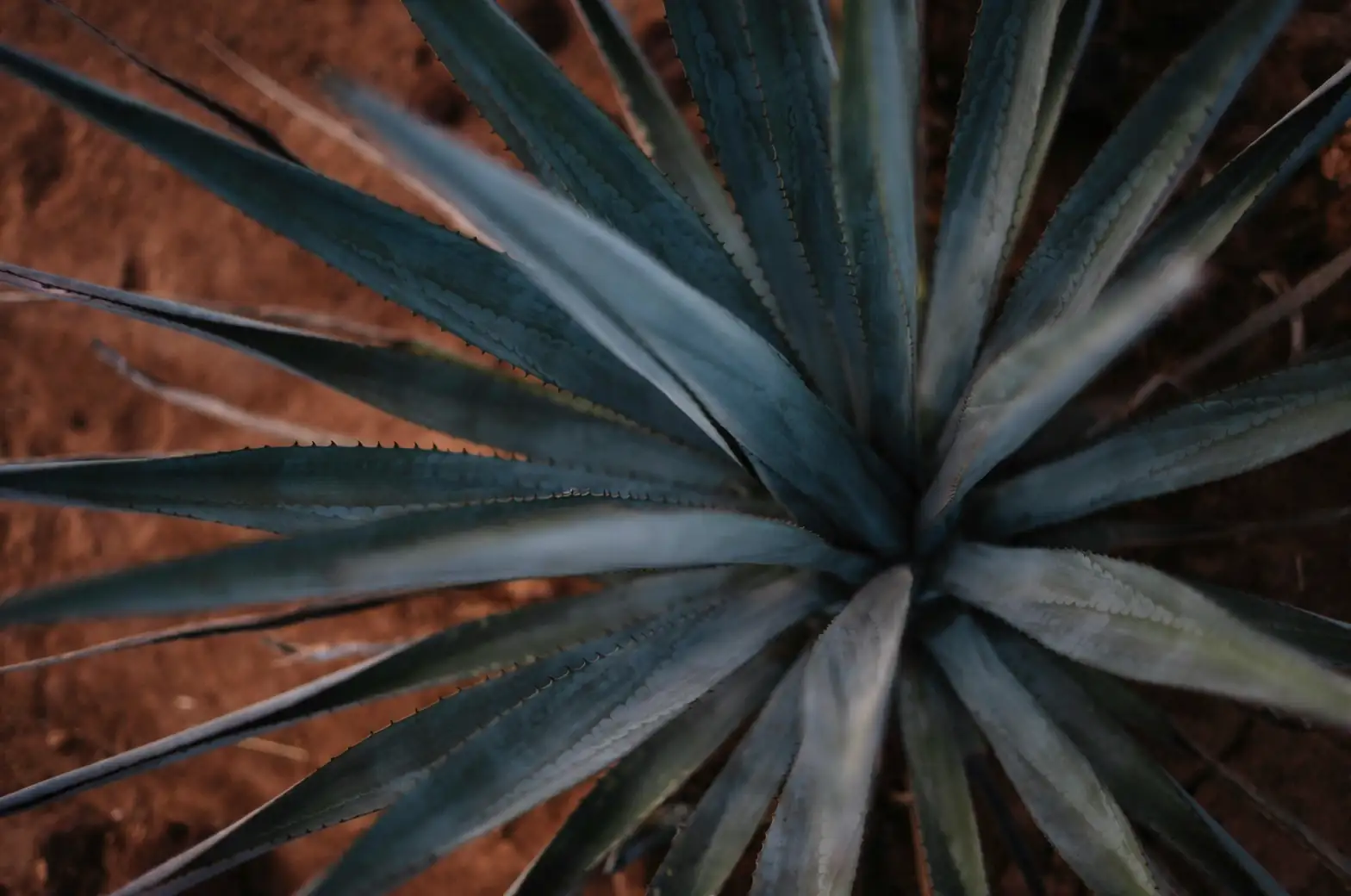
How to Build a Fast-Draining Berm
- Shape and slope:
- Height: 20–30 cm (8–12 in) above grade, with a gentle 3–5% slope away from the crown.
- Form: A low crescent or oval that frames a path or patio view.
- Recipe (blend on a tarp):
- 40% native mineral soil (not heavy clay)
- 30% coarse sand or decomposed granite
- 30% pumice or perlite
- Optional: a light sprinkle of crushed gravel on top as mulch
- Planting tips:
- Set the agave so the rosette sits slightly above the berm’s apex.
- Keep a dry “moat” around the crown; do not bury the lower leaves.
- Irrigate with a drip ring beyond the drip line; avoid overhead watering.
Companion Cast: Contrast, Support, and Ecology
Pair the agave’s assertive geometry with plants that offer bloom succession, wildlife value, and a play of textures—spikes, ribbons, and plumes.
Spiky Foils that Echo Without Competing
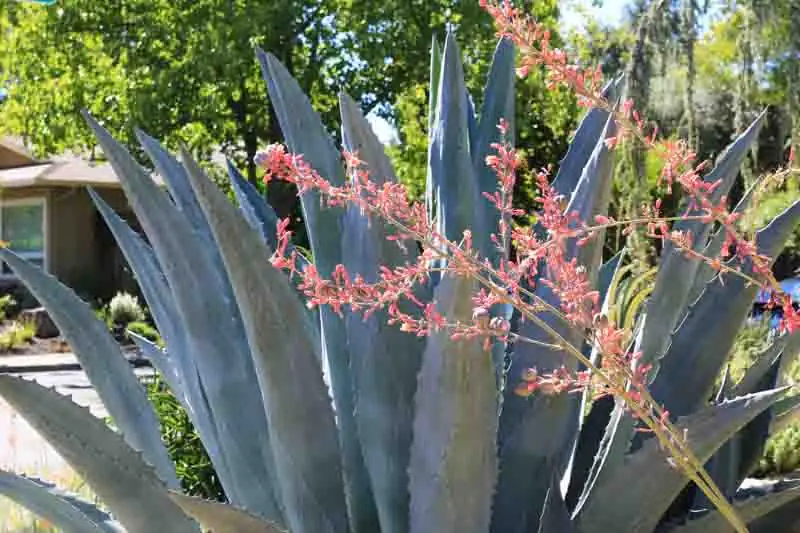
- Hesperaloe parviflora (Red yucca)
- Arching, strappy leaves; coral-red to yellow bloom wands late spring through summer.
- Ecological bonus: Nectar magnet for hummingbirds and bees during the dry season.
- Dasylirion wheeleri (Sotol)
- Fine, radiating blades with a sunburst silhouette; tall summer inflorescences.
- Ecological bonus: Upright flower spikes draw insects; birds perch and forage.
- Hardy cacti (Opuntia, Echinocereus, Ferocactus)
- Contrasting pads and ribs; vivid spring blossoms; architectural winter form.
- Ecological bonus: Flowers feed native bees; fruits (on some species) for birds and wildlife.
Nectar Engines and Aromatic Understudies
- Salvias for a long bloom runway
- Salvia greggii and S. microphylla: spring to fall color; frequent hummingbird visits.
- Salvia clevelandii: silver foliage, heady fragrance, and summer bloom for bees.
- Ecological bonus: Provides consistent nectar before and after the agave’s once‑in‑a‑lifetime show.
The Soft Chorus: Ornamental Grasses
Feathery textures make the agave’s armor look even more striking.
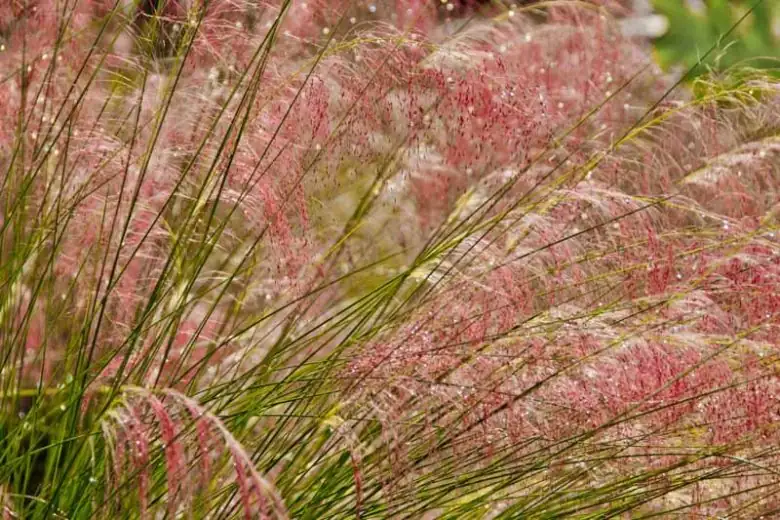
- Festuca glauca ‘Elijah Blue’: icy-blue cushions that rhyme with the agave’s glaucous tone.
- Muhlenbergia capillaris (Pink muhly): fall clouds of pink that glow at sunset.
- Muhlenbergia rigens (Deergrass): upright fountains for scale and movement.
- Design note: Keep grasses an arm’s length from the rosette to prevent crowding and to preserve the agave’s negative space.
Color and Texture Choreography
- Palette ideas:
- Cool core: blue‑gray Agave americana, blue fescue, silvery salvias.
- Warm accents: pink muhly plumes, coral hesperaloe spikes, tawny seedheads.
- Consider a variegated accent like Agave americana ‘Mediopicta Alba’ nearby (not touching) to echo light tones.
- Form and rhythm:
- Lead with one hero (the agave), then repeat medium and fine textures in threes.
- Use boulders or chunky gravel to anchor compositions and mirror leaf serrations.
- Light play:
- Backlight hesperaloe wands and muhly plumes for evening drama.
- Let the agave’s leaf margins catch morning or late-day sun for a luminous edge.
A Living Buffet: Bloom Timing Through the Seasons
- Spring:
- Cacti open with saturated flowers; salvias kick off; early pollinators abound.
- Summer:
- Hesperaloe and salvias peak; dasylirion sends dramatic spires; bees and hummingbirds feast.
- Fall:
- Pink muhly steals the scene; salvias encore. Agave may bloom in warm seasons after many years—its night-scented flowers entice moths and bats.
- Winter:
- Structure sings: agave form, seedheads for birds, and evergreen rosettes hold the garden’s bones.
Layout Recipe: A Compact 10 × 12 ft Drought‑Tolerant Vignette
Right-sized spacing ensures longevity and low maintenance.
- Centerpiece:
- 1 × Agave americana set at the berm’s crown; allow a 1.5–2 m (5–6.5 ft) future diameter with at least 1 m (3+ ft) of clear “no‑plant” radius for access and safety.
- Mid-tier structure (place in a loose triangle outside the agave’s mature spread):
- 1 × Dasylirion wheeleri (rear corner, to frame height)
- 1 × Opuntia (prickly pear) or Echinocereus clump (sunny side, offset by 1–1.5 m / 3–5 ft)
- Color and nectar threads:
- 3–5 × Hesperaloe parviflora, staggered so bloom wands weave through sightlines
- 5–7 × Salvias (mix S. greggii and S. clevelandii), dotted along the berm’s front and sides
- Texture grounders:
- 7–11 × Festuca glauca ‘Elijah Blue’ to stitch edges
- 3 × Muhlenbergia capillaris or 2 × M. rigens as rhythmic plumes
- Hardscape and mulch:
- Two boulders set half-buried to look native; 3–5 cm (1–2 in) gravel mulch to deter weeds and splash.
Watering, Care, and Safety
- Watering:
- Water deeply, then let soil dry fully—especially in cool seasons. In summer heat, established plants may need water every 1–2 weeks in containers; in-ground needs are typically less frequent. Never leave water sitting in the rosette.
- Feeding:
- Light feeding spring through summer: either a low‑nitrogen cactus fertilizer every 4–6 weeks or a balanced liquid at half strength every ~2 weeks. Stop in winter.
- Pruning and renewal:
- Remove dead outer leaves carefully. After the agave blooms, cut back the spent stalk; the flowering rosette will decline, but pups often remain to continue the display.
- Pests and pitfalls:
- Watch for mealybugs and scale in leaf axils; outdoors, beware agave snout weevil (sudden collapse). Most serious issue: root/crown rot from poor drainage—mounding and restraint with water prevent it.
- Safety first:
- Spines and sap can injure and irritate skin. Keep clear of walkways and play zones; use thick gloves, sleeves, and eye protection when moving or pruning.
Symbolism: The Drama of Patience and Protection
The Century Plant embodies resilience and guardianship—its armored leaves a visible shield. Because it spends years storing energy for a single, sky‑high bloom, it’s also a living emblem of patience and devotion: a final, generous flourish that feeds the night and seeds the future. Romantic tales say it waits a century to flower; the truth is just as compelling—most bloom after a decade or two, right on time for a memorable garden milestone.
—
Design your vignette like a conversation between opposites—spikes and feathers, cool blues and warm glows, quiet structure and sudden bloom. With a well-built berm, savvy companions, and a thoughtful bloom calendar, Agave americana becomes more than a specimen. It becomes the anchor of an ecological, drought-wise stage that dazzles year‑round.


