

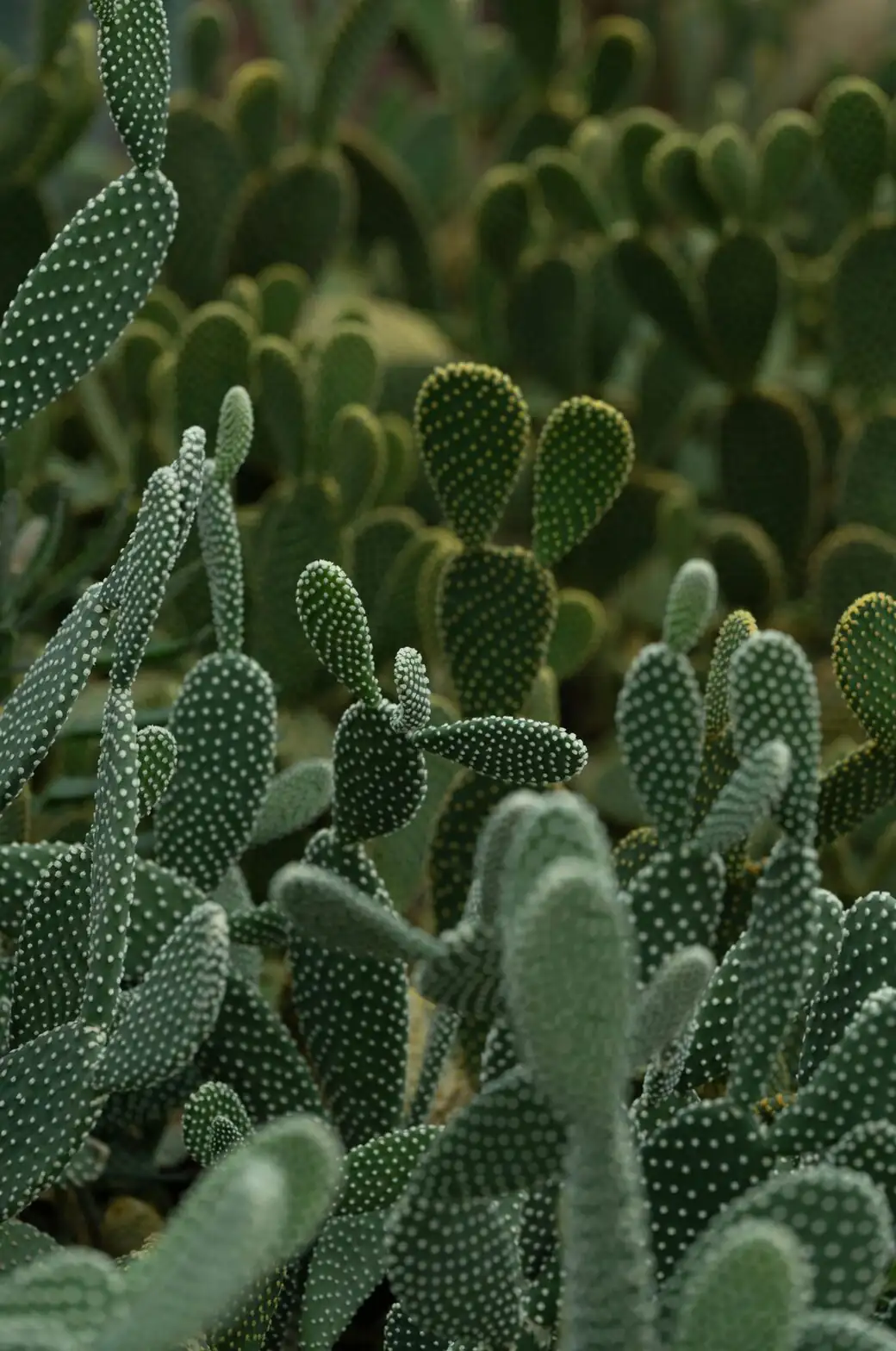
Sunlight hitting the paddles, a shock of yellow blooms, and a silhouette with attitude—Opuntia dillenii (Ker Gawl.) Haw. brings sculptural drama to dry gardens with almost no fuss. Pair it cleverly with agaves, wispy grasses, and nectar-rich salvias and you’ll get a garden that feels both designed and alive—thrumming with bees and hummingbirds—while staying safe to walk through and easy to maintain.
Meet Opuntia dillenii: character, color, and climate sense
- Identity: A prickly pear in the cactus family (Cactaceae), native to the Americas and famous for flat, fleshy pads that store water. Spines and tiny glochids protect the plant and reduce moisture loss—a perfect desert strategy.
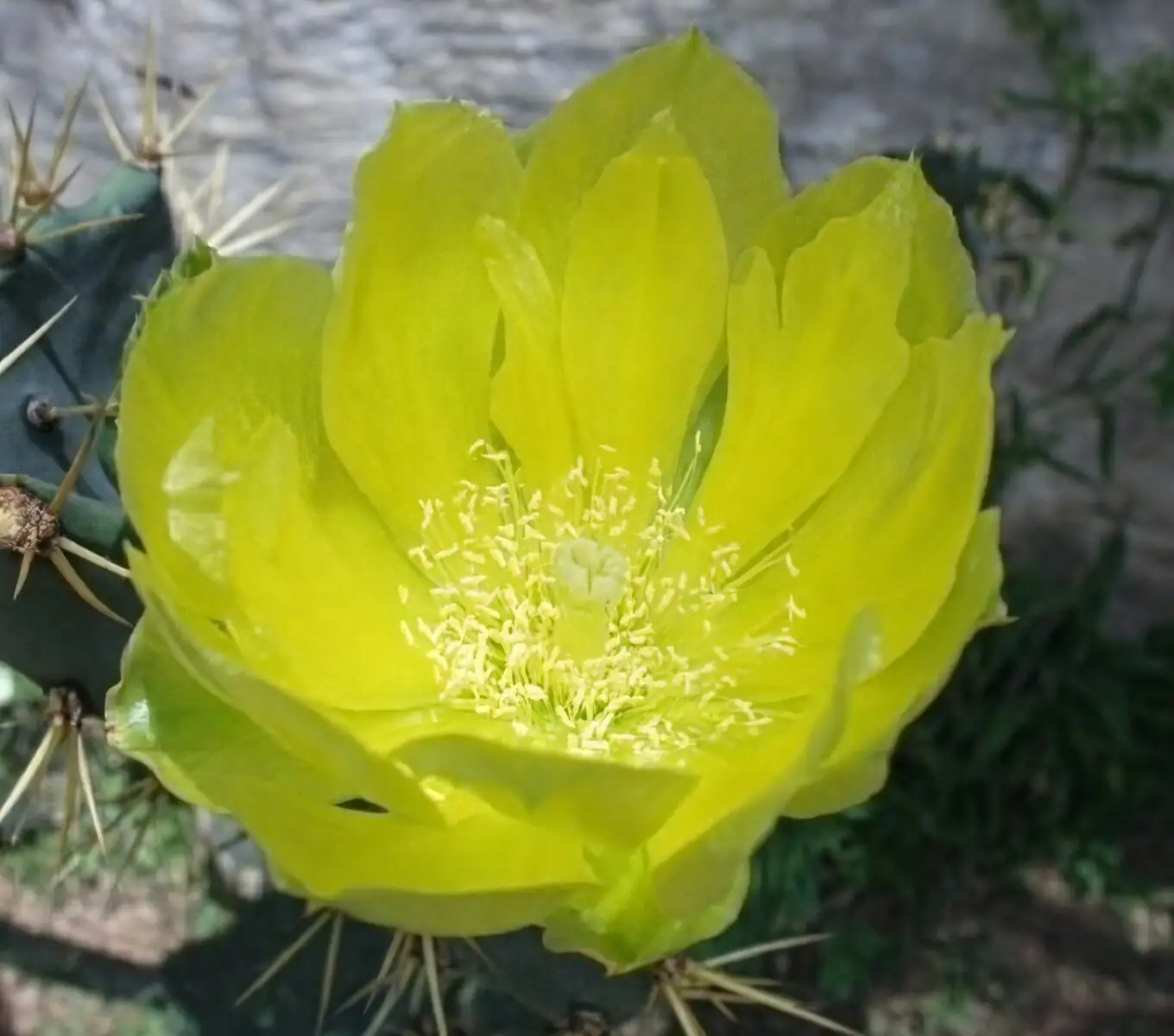
- Bloom: Bowl-like, vivid flowers in spring to summer (primarily March–July). The show is short-lived but spectacular, with silky petals that glow in bright light.
- Habit: Upright to clumping, slow-growing, and deeply drought-tolerant—built for bright, direct sun.
- Climate & hardiness: Best outdoors in warm, dry regions (generally USDA Zones 9–11). Protect from frost. Ideal daytime growth temperatures are around 20–30°C (68–86°F), tolerating hotter days if nights cool off.
- Soil: Fast-draining, sandy or gritty cactus mix. Water should never linger at the roots.
Tip: In regions where some Opuntia can spread aggressively, source responsibly and check local guidelines before planting.
The design playbook: smart pairings for texture and bloom
Think of Opuntia dillenii as your architectural anchor—broad pads, bold presence, and spring-summer blooms. Then layer contrast and continuity.
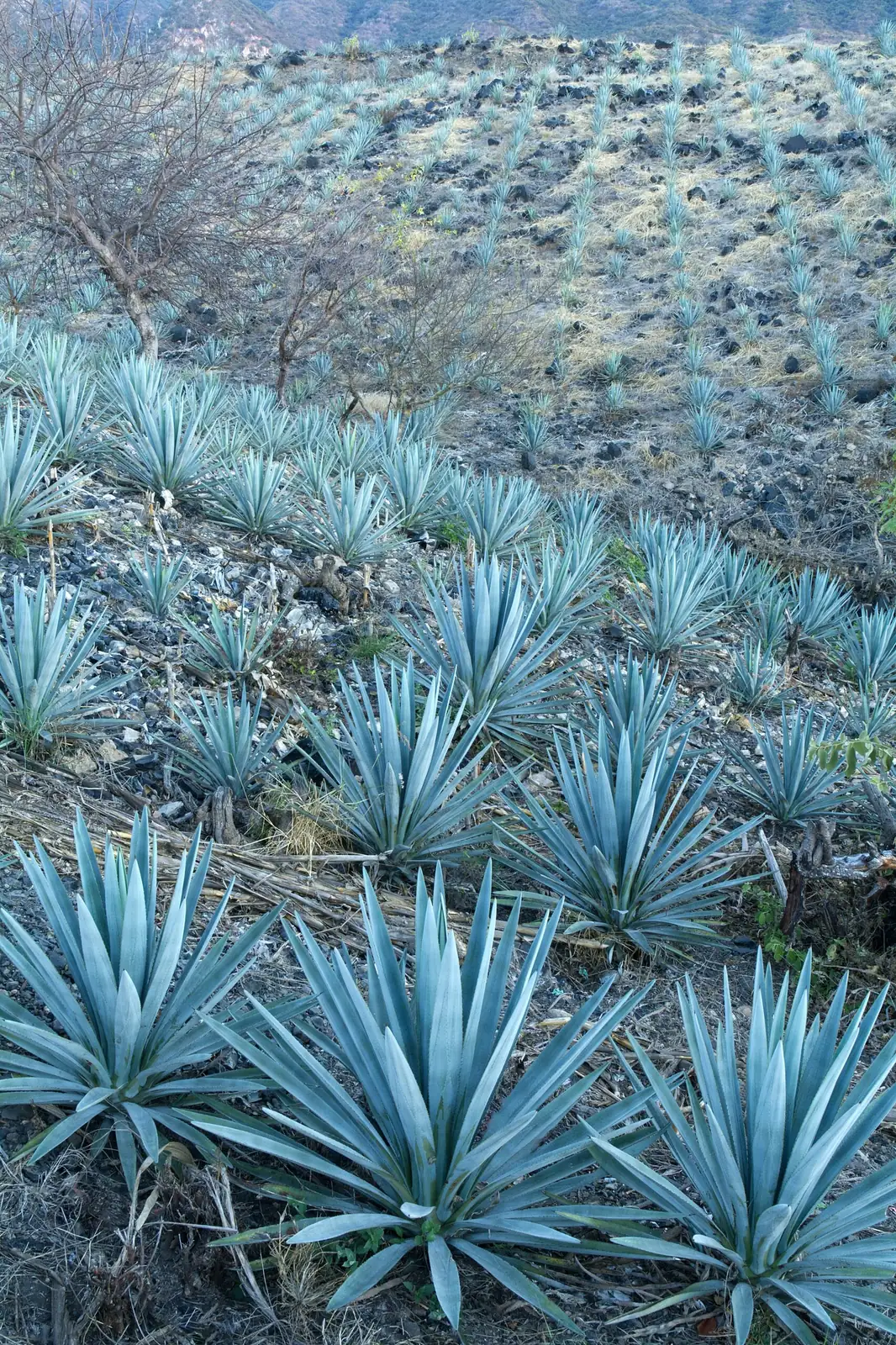
Agave + Opuntia: the sculptural duet
- Why it works: Agave’s tight, geometric rosettes sharpen the broad paddles of O. dillenii. The pairing reads like a modern sculpture garden.
- Try this:
- Place one medium agave as a focal point, then “echo” it with a small drift of O. dillenii offset by 1–2 meters for depth.
- Repeat the form: two or three groupings down a sunny slope or along a warm wall to create rhythm.
- Design note: Mix sizes—one large “hero” specimen plus smaller companions—for a natural, non-symmetrical scene.
Grasses + Opuntia: movement softens muscle
- Why it works: Upright or arching clumps of drought-tolerant grasses add motion and a fine-textured foil to the cactus’s structured mass.
- Try this:
- Plant bunchgrasses in a crescent just upwind of the cactus to let their blades brush and frame the pads without crowding.
- Choose species suited to your region and lean soils; warm-season grasses provide late-summer plumes that persist into winter.
- Wildlife bonus: Grass seedheads feed birds; clumping forms offer cover.
Salvias + Opuntia: the nectar engine
- Why it works: Salvias bring long, humming color runs—purple, blue, fuchsia—that play brilliantly against O. dillenii’s spring-summer blooms.
- Try this:
- Flank O. dillenii with drought-tolerant salvias spaced to allow airflow and easy maintenance access.
- Stagger bloom times so salvias take over when cactus flowers fade, keeping pollinators supplied for months.
- Wildlife bonus: Salvias are pollinator magnets, supporting native bees, butterflies, and hummingbirds.
Three foolproof combos
- Modern desert border:
- O. dillenii as anchor
- A compact agave for symmetry
- One or two clumps of drought-tolerant bunchgrass for movement
- A ribbon of salvias for season-long color
- Coastal dry garden:
- O. dillenii against a warm stucco wall
- Tough grasses in front for wind-play
- Salvias tucked at the edges for hummingbird traffic
- Big-pot terrace trio:
- One large terra-cotta with O. dillenii
- One medium pot with a compact agave
- One wide, shallow bowl planted with low salvias or a fine-textured grass
Pollinators, birds, and the living garden
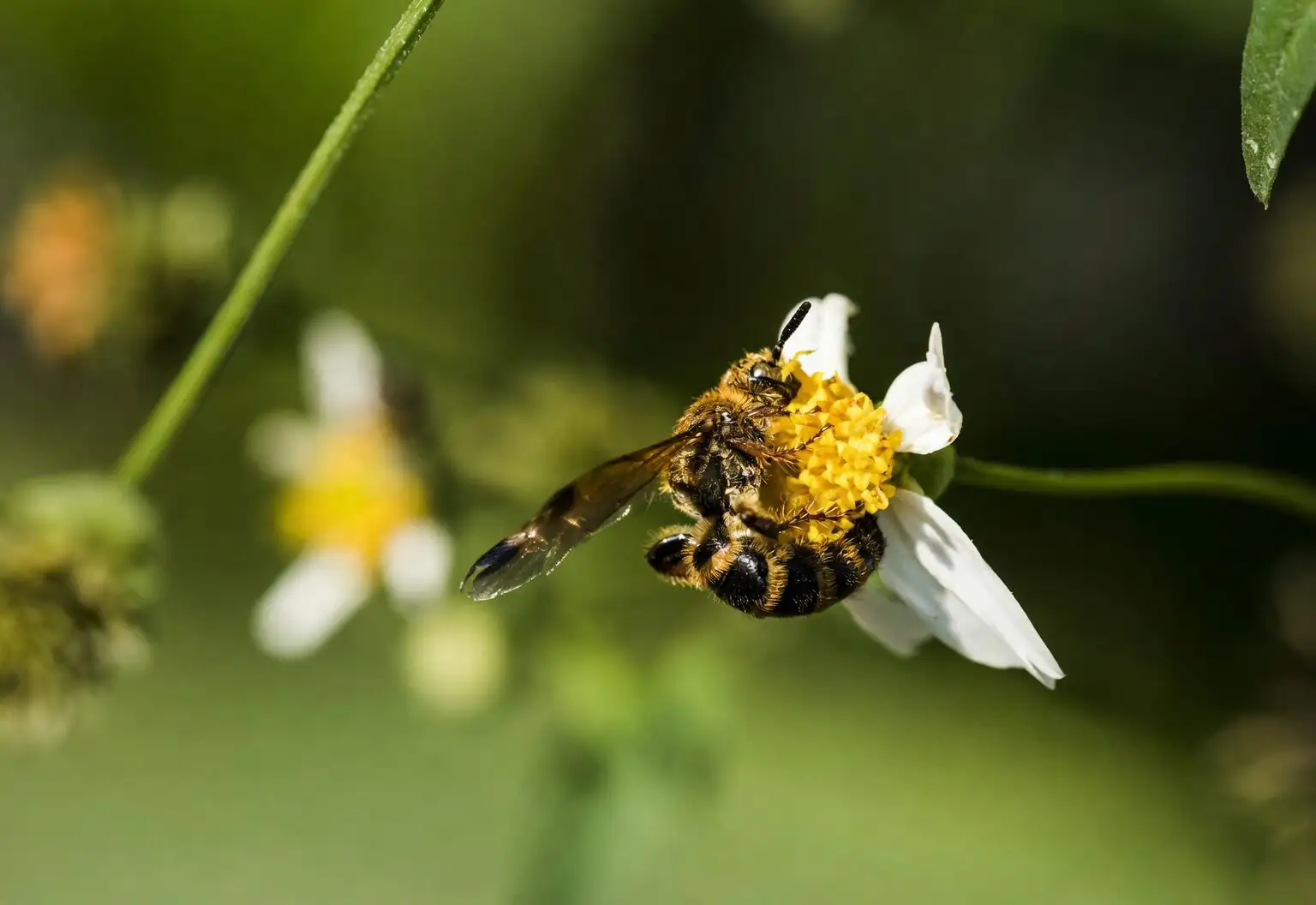
Opuntia flowers are a pollen party—day-blooming, open, and easy for insects to access. In a water-wise garden, O. dillenii supports wildlife well beyond its bloom week.
- Pollinator support:
- Flowers offer abundant pollen and accessible nectar for native bees, honey bees, beetles, and butterflies.
- Pairing with salvias extends the food supply, while grasses provide nesting habitat and cover.
- Keep the buffet clean: avoid systemic insecticides and garden with organic, pollinator-friendly methods.
- Birds and other wildlife:
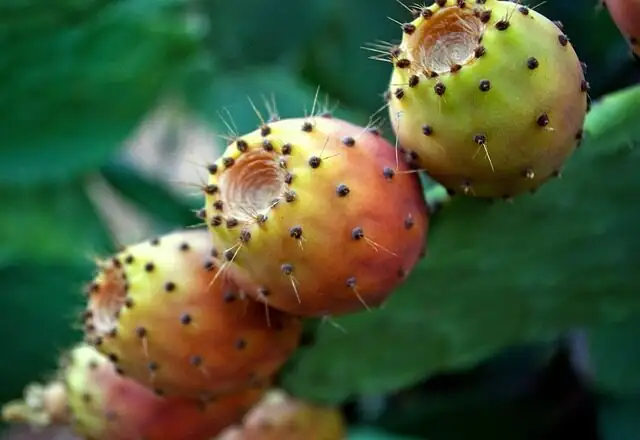
- Fruits of prickly pears feed birds and small mammals where edible and accessible.
- The spiny pads offer perching and safe cover—nature’s built-in “thorn fence” against predators.
- Habitat strategy:
- Grow a diversity of region-appropriate plants to support a wider cast of beneficial insects and pollinators. Regional native plant lists from conservation groups are excellent guides to what thrives locally.
Beauty with safety: smart placement that works
Prickly pears are charismatic, but those spines demand respect. Put design and safety in the same sentence.
- Choose the right spot:
- Full sun with excellent drainage—berms, gravelly mounds, and raised planters shine.
- Keep at least 1–1.5 m (3–5 ft) from paths, driveways, doorways, mailboxes, and hose bibs.
- Create buffers:
- Edge beds with boulders or low walls to cue a “look, don’t touch” boundary.
- Plant fluffy grasses in front to soften the line without blocking airflow or your maintenance reach.
- Containers and balconies:
- Use heavy, stable pots with drainage; set back from seating and railings. Rotate carefully with gloves.
- Family- and pet-aware design:
- Avoid tight spaces and children’s play zones. Label thorny zones or use subtle signage for guests.
- Maintain clear sightlines near corners and gates so no one brushes past unexpectedly.
Care, the easy way
Opuntia dillenii thrives on neglect—just nail the soil and sun.
- Light: Bright, direct sun; at least 4–6 hours daily (more is better).
- Water: Soak and dry. Water thoroughly, then wait until the mix is completely dry before watering again.
- Spring/fall: every 2–4 weeks
- Summer heat: possibly weekly if the mix dries fast
- Winter: every 4–6 weeks or even less
- Soil: Gritty, fast-draining cactus mix; amend with sand or perlite for airflow.
- Feeding: Spring–summer only, 1–2× monthly at 1/4–1/2 strength (cactus fertilizer or diluted liquid feed).
- Temperature: Best around 20–30°C (68–86°F); keep above ~5°C (41°F) in winter.
- Pruning: Minimal—remove only dead, damaged, or rotting sections with sterilized tools; let wounds callus before moisture exposure.
Seasonal rhythm:
- Spring: Resume watering and start feeding; best time to repot or propagate.
- Summer: Peak sun and airflow; consider light afternoon shade in extreme heat to prevent sunburn.
- Fall: Taper watering; stop feeding.
- Winter: Bright light, minimal water, no fertilizer.
Propagation and handling
- Pads/cuttings:
- Take a healthy pad in late spring to early summer.
- Let the cut end callus for 2–3 days.
- Set into dry, fast-draining mix; begin light watering after 10–14 days once roots start.
- Offsets and seed: Offsets are straightforward; seed is slower but rewarding.
- Safety first: Wear thick gloves and long sleeves; use tongs for handling pads and fruits.
Note: Some Opuntia provide edible pads (nopales) and fruits. If you plan to harvest, confirm edibility locally and learn safe de-spining techniques.
Troubleshooting
- Mushy pads or blackened bases: Classic overwatering/rot. Unpot, remove affected tissue, and replant healthy parts into fresh, dry mix with excellent drainage.
- Pests: Mealybugs, scale, spider mites. Dab with isopropyl alcohol on a cotton swab or use insecticidal soap. Improve airflow and avoid overfeeding.
Cultural notes and the deeper meaning
Across the Americas—especially in Mexico—cacti are entwined with history, sustenance, and symbolism. A famous legend of an eagle perched on a cactus guided the Aztecs to found Tenochtitlan, an image still emblazoned on Mexico’s flag. In everyday gardens, cacti embody resilience and guardianship: they endure where others falter and protect themselves—beautifully.
About “flower language” (花语): Victorian-era floriography assigned coded meanings to blooms for secret messages. While that tradition didn’t form around desert plants, many modern gardeners read cacti—Opuntia included—as symbols of endurance, protection, and steadfast love. It’s not a historical code so much as a lived truth: a plant that thrives on little, gives much to wildlife, and stands firm through heat and drought.
Quick placement recipes to copy
- Sun-bathed entry island:
- Center: O. dillenii
- Flank: One compact agave each side
- Foreground: Two clumps of drought-tolerant grass
- Thread: A drift of salvias for color continuity
- Warm wall showcase:
- Back: O. dillenii staggered for depth
- Mid: Grasses to soften and sway
- Front: Salvias for pollinators and a color pop from spring to fall
- Low-water mini meadow:
- Anchor points: Three O. dillenii placed in a triangle
- Matrix: Bunchgrasses
- Accents: Salvias sprinkled to pull pollinators across the whole bed
Design with texture, plan for bloom succession, and mind the safe distances. Do that, and Opuntia dillenii turns a sunny space into a resilient, wildlife-rich scene you can enjoy year-round—with zero apologies for having both style and spines.