Guarding Your Saffron Fortress: Battling Pests and Diseases of Crocus sativus
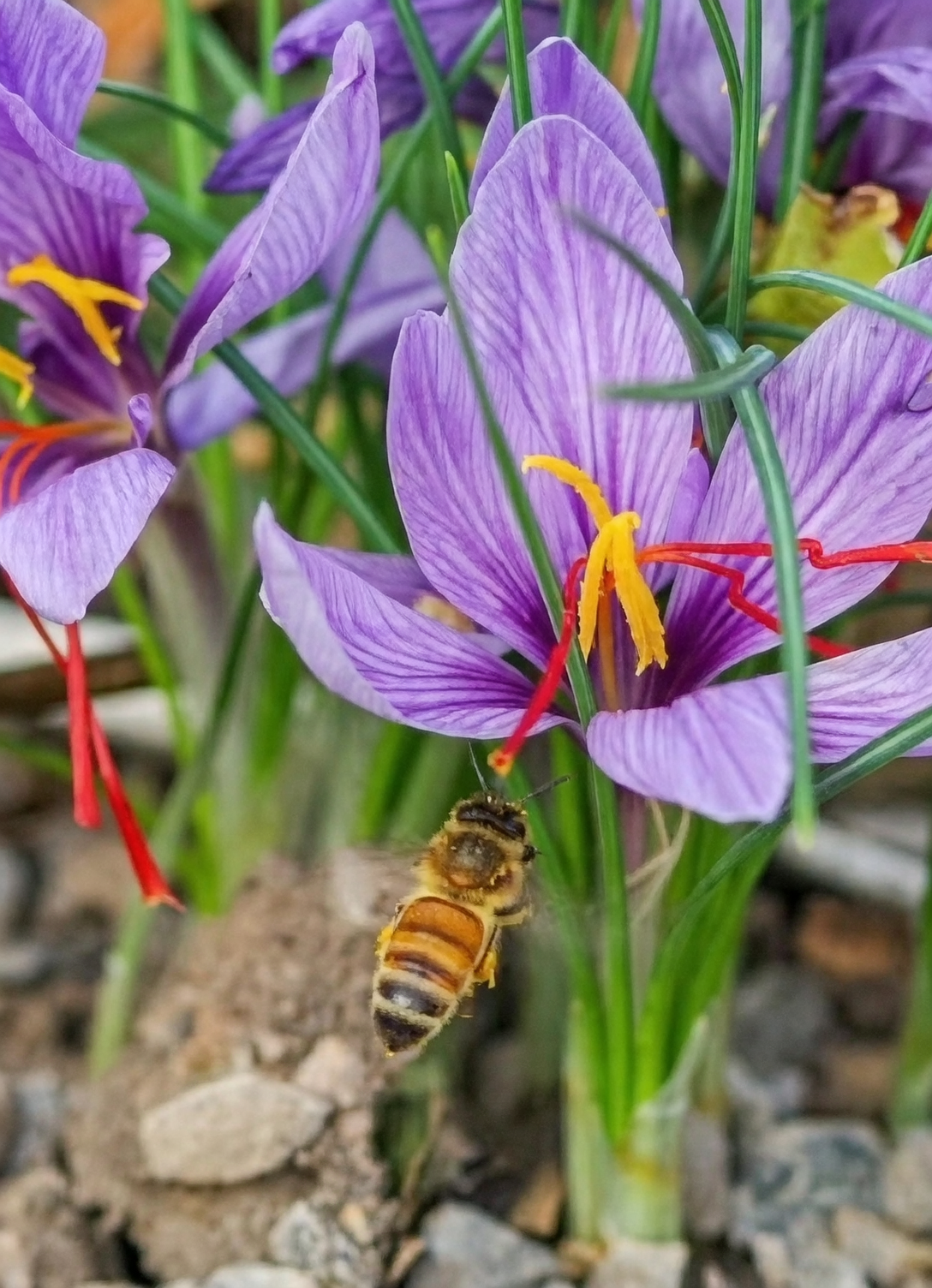
If you’ve decided to embark on the rewarding adventure of growing Crocus sativus, better known as the saffron crocus, you’re in for a treat. These delicate, lilac-to-purple blossoms not only beautify your garden in the fall but also promise the bounty of saffron, the world’s most luxurious spice. However, like any prized treasure, your saffron corms and flowers need protection from certain marauding pests and sneaky diseases. Let’s dive into the world of saffron defense, exploring natural strategies to keep your crocus fortress standing strong.
The Rodent Menace: Guarding the Corms
Imagine planting your saffron corms with dreams of golden threads only to have them swiped by nocturnal nibblers like mice, voles, or squirrels. These little critters have a knack for sniffing out your precious corms and treating them as a gourmet meal.
Defense Tips:
- Physical Barriers: Employ fine mesh or hardware cloth barriers around your planting area. Raised beds can also act as a physical deterrent.
- Natural Repellents: Consider using natural repellents like peppermint oil-soaked cotton balls strategically placed in your garden.
- Companion Planting: Plant rodent-deterring companions like garlic or daffodils nearby to ward off these unwelcome guests.
Nematodes and Soil Insects: Silent Saboteurs
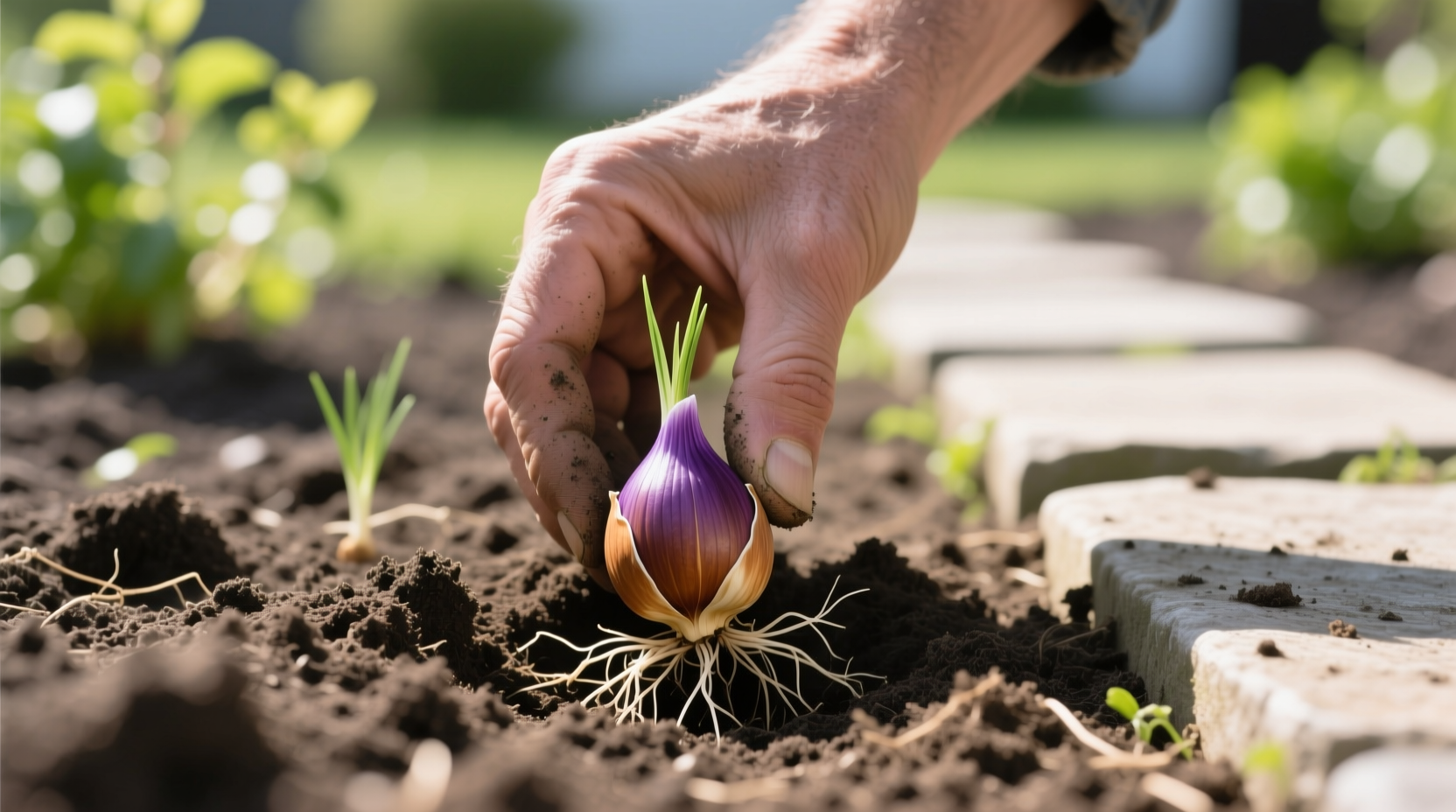
Beneath the soil, tiny nematodes and soil-dwelling insects like wireworms and grubs might be plotting against your saffron success. These pests can weaken the plant by feeding on roots and corms, leaving them vulnerable to diseases.
Defense Tips:
- Certified Bulbs: Always start with certified nematode-free bulbs. Prevention begins with quality planting materials.
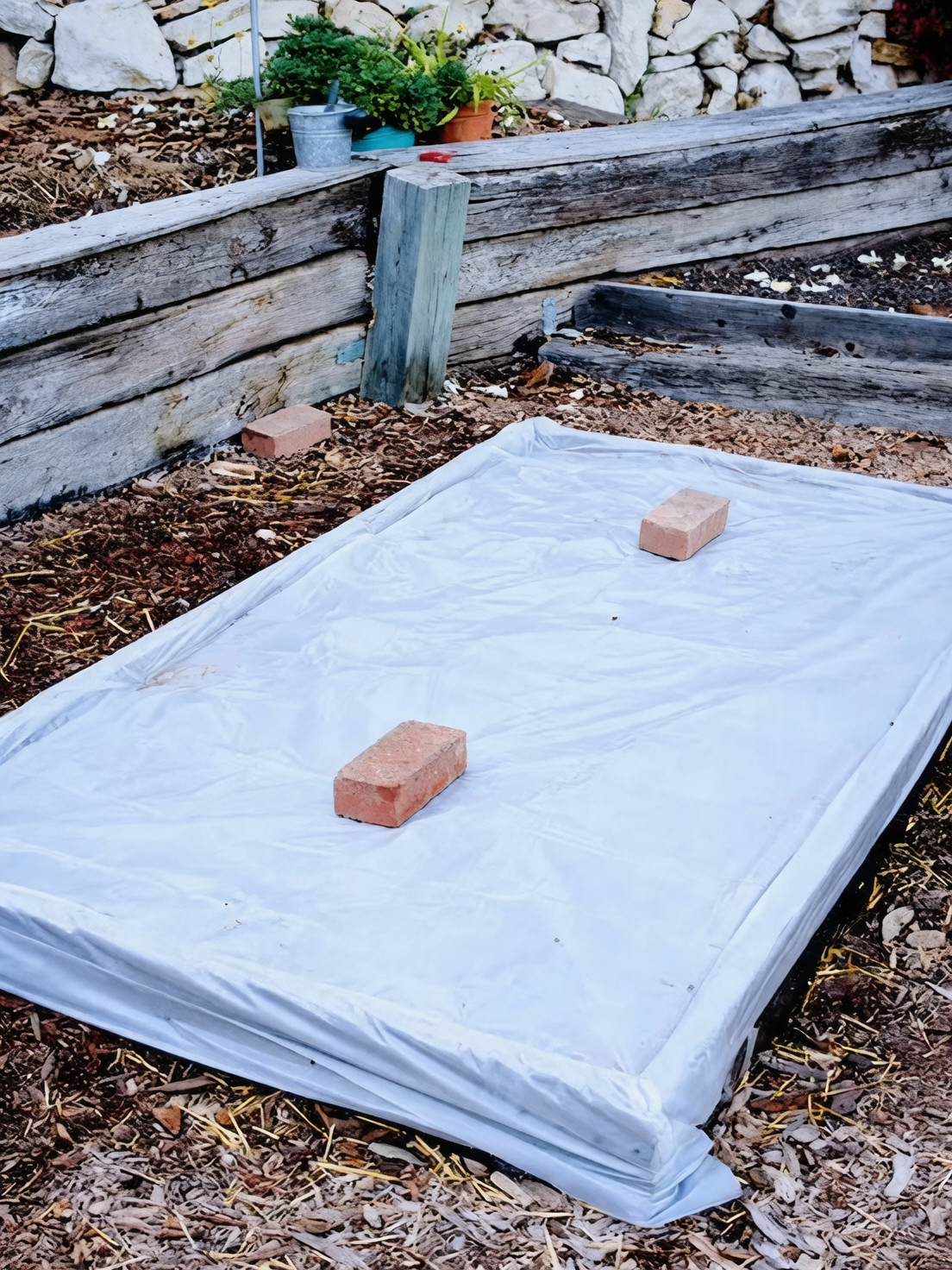
- Soil Solarization: Use this technique to naturally sterilize soil by trapping solar heat under clear plastic, effectively reducing nematode populations.
- Predatory Allies: Encourage beneficial insects such as ground beetles to patrol your garden for these underground invaders.
Fungal Foes: Battling Corm Rot
If you’ve ever experienced the heartbreak of corm rot, you know it can turn your saffron dreams into a soggy mess. Corm rot, often caused by Fusarium fungi, thrives in warm, wet conditions and can swiftly devastate a crop.
Defense Tips:
- Drainage is Key: Ensure your soil is well-draining, and avoid overwatering, particularly during the summer dormancy.
- Hygienic Practices: Disinfect planting tools regularly and remove any diseased plants swiftly to prevent spread.
- Proper Storage: Store corms in a dry, cool, and well-ventilated area to avoid conditions that encourage mold growth.

Crafting a Preventive Plan
The best medicine is prevention, and your saffron crocus deserves a proactive approach. By understanding the rhythm of Crocus sativus—dormant in summer, blooming in fall, and growing through winter—you can tailor your care practices to bolster their natural defenses.
General Tips:
- Crop Rotation: Regularly move your planting areas to prevent pest build-up in the soil.
- Clean Habits: Keep your garden tidy and free of debris where pests might hide.
- Inspect Regularly: Early detection of any issues can save your saffron crop from larger problems down the road.
The Symbolic Saffron: A Legacy of Prosperity
As you nurture your saffron crocus, remember that this plant carries a rich tapestry of symbolism and history. In various cultures, saffron is a symbol of happiness and devotion, often associated with prosperity and nobility. In Persian culture, for instance, saffron’s golden hue is linked to wealth and status, while in Hindu traditions, it signifies purity and sacrifice.
Conclusion: Your Saffron Success Story
By employing these natural defense strategies, you’re well on your way to a successful saffron harvest. Crocus sativus may be the world’s most luxurious spice, but with the right care and attention, it doesn’t have to be elusive. So roll up your sleeves, put on your gardening gloves, and let your saffron crocus thrive against all odds. Your garden—and your future saffron-infused dishes—will thank you!