


Snapdragons, or Antirrhinum majus, are a gardener’s delight, bringing vibrant colors and whimsical “dragon mouth” blooms to gardens worldwide. Their charm can, however, be compromised by a host of pests and diseases that target these lively plants. Let’s dive into the common issues snapdragons face and explore effective solutions to keep them healthy and thriving, all while ensuring your garden stays a beacon of beauty.
Common Pests: Tiny Troublemakers
Snapdragons, much like any plant, aren’t immune to the attention of insects. Here are some common pests and how to tackle them:
Aphids
These sap-sucking insects are the bane of many gardeners. They gather on new growth and undersides of leaves, causing leaves to curl and stunting plant growth. To control them:
- Blast them away: A strong spray of water can dislodge aphids from the plant.
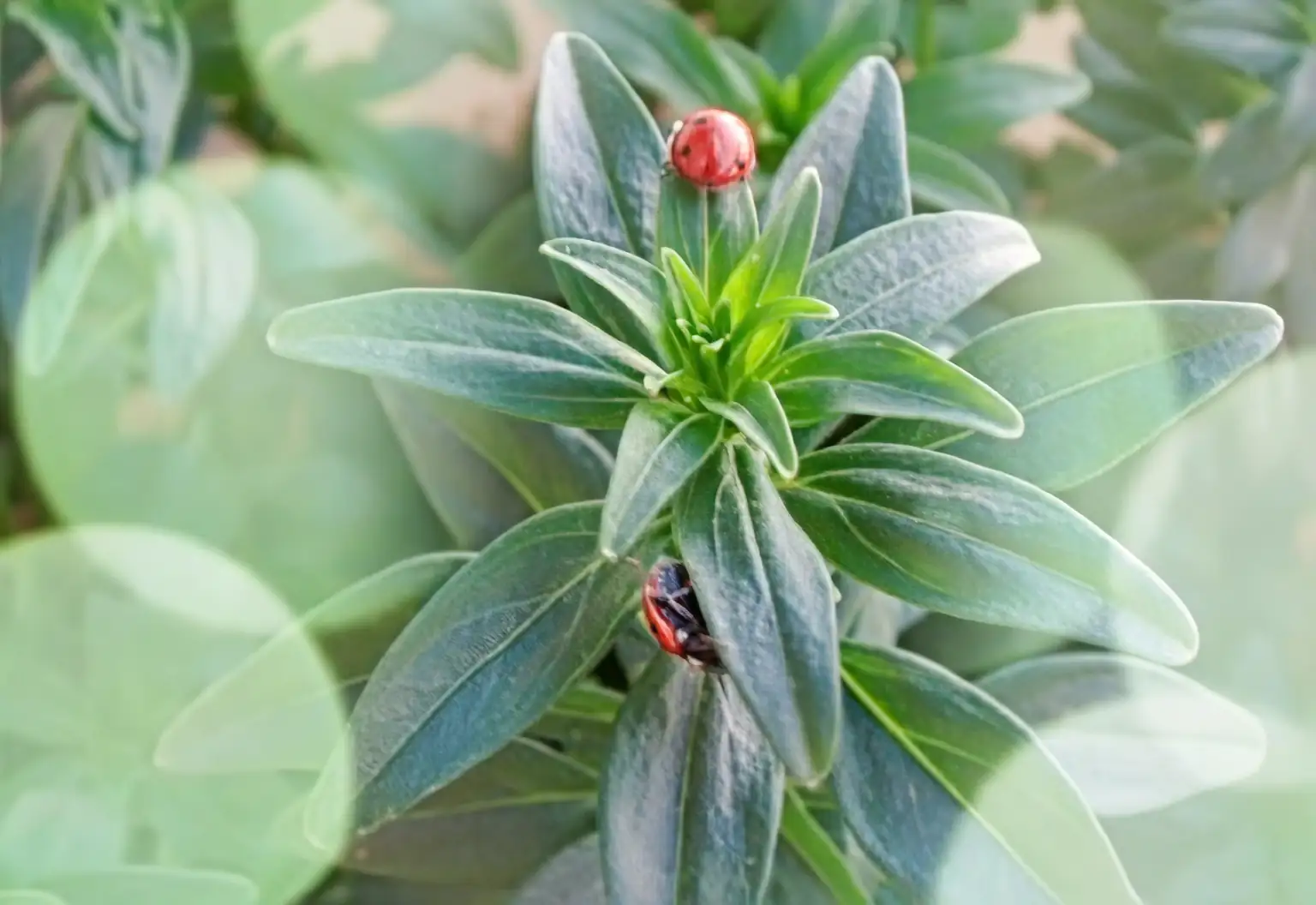
- Introduce beneficial insects: Ladybugs and lacewings love to feast on aphids.
- Use insecticidal soap: Apply it directly to affected areas, ensuring thorough coverage.
Spider Mites
These tiny pests thrive in hot, dry conditions and can cause significant damage by feeding on the plant’s tissues. Manage them by:
- Increasing humidity: Misting plants can deter spider mites since they prefer dry environments.
- Using miticides: Apply these specifically if infestations become severe.
Thrips
These slender insects can distort flowers and leaves by feeding on their juices. To reduce their impact:
- Set up sticky traps: Blue sticky traps are particularly effective for capturing thrips.
- Encourage predator insects: Minute pirate bugs naturally keep thrip populations in check.
Diseases: Sneaky Saboteurs
Snapdragons can also fall prey to a variety of diseases, often exacerbated by wet, humid conditions. Here’s what to watch for:
Rust (Puccinia antirrhini)
Rust appears as orange pustules on leaves and stems, leading to weakened, unsightly plants. Combat rust with the following:
- Choose resistant varieties: Some snapdragons are bred to resist rust.
- Improve air circulation: Space plants properly and avoid overhead watering to reduce humidity.
- Fungicides: Apply copper-based fungicides to slow the spread of this fungal disease.

Powdery Mildew
This fungal issue manifests as a white, powdery coating on leaves, which can limit photosynthesis. Mitigate its effects by:
- Ensuring good airflow: Keep plants well-spaced.
- Using milk sprays: A mixture of milk and water can act as a natural fungicide.
Botrytis Blight (Gray Mold)
Characterized by gray, fuzzy growth on flowers and stems, botrytis thrives in damp conditions. To prevent it:
- Practice good sanitation: Remove and destroy infected plant parts.
- Water wisely: Focus on watering the soil, not the foliage, and do so in the morning to allow drying.
Maintaining Healthy Snapdragons: Best Practices
Beyond tackling pests and diseases, there are general care practices to ensure your snapdragons remain robust and colorful:
Sunlight and Soil
Snapdragons flourish in full sun but can tolerate partial shade, especially in hot climates. Plant them in fertile, well-drained soil enriched with organic matter, targeting a near-neutral pH.

Watering and Fertilization
Keep the soil consistently moist, watering at the base of the plants to avoid foliage wetness. A balanced fertilizer every 2-4 weeks during active growth will keep them blooming profusely.
Pruning and Deadheading
Regularly snip spent blooms to encourage continuous flowering and pinch young plants to promote bushy growth. This not only enhances aesthetics but also improves airflow around the plant.
Seasonal Care
In mild climates, snapdragons can be perennial, offering blooms even in winter. In colder regions, treat them as annuals, replanting each spring after the last frost.
Snapdragons are more than just a colorful addition to your garden—they’re a testament to resilience and beauty, capable of overcoming challenges with a little help from their human caretakers. By being proactive in managing pests and diseases, and adhering to sound horticultural practices, you can ensure these “dragon flowers” continue to roar with color and vitality. So, are you ready to let these charming flowers snap their way into your heart?


