

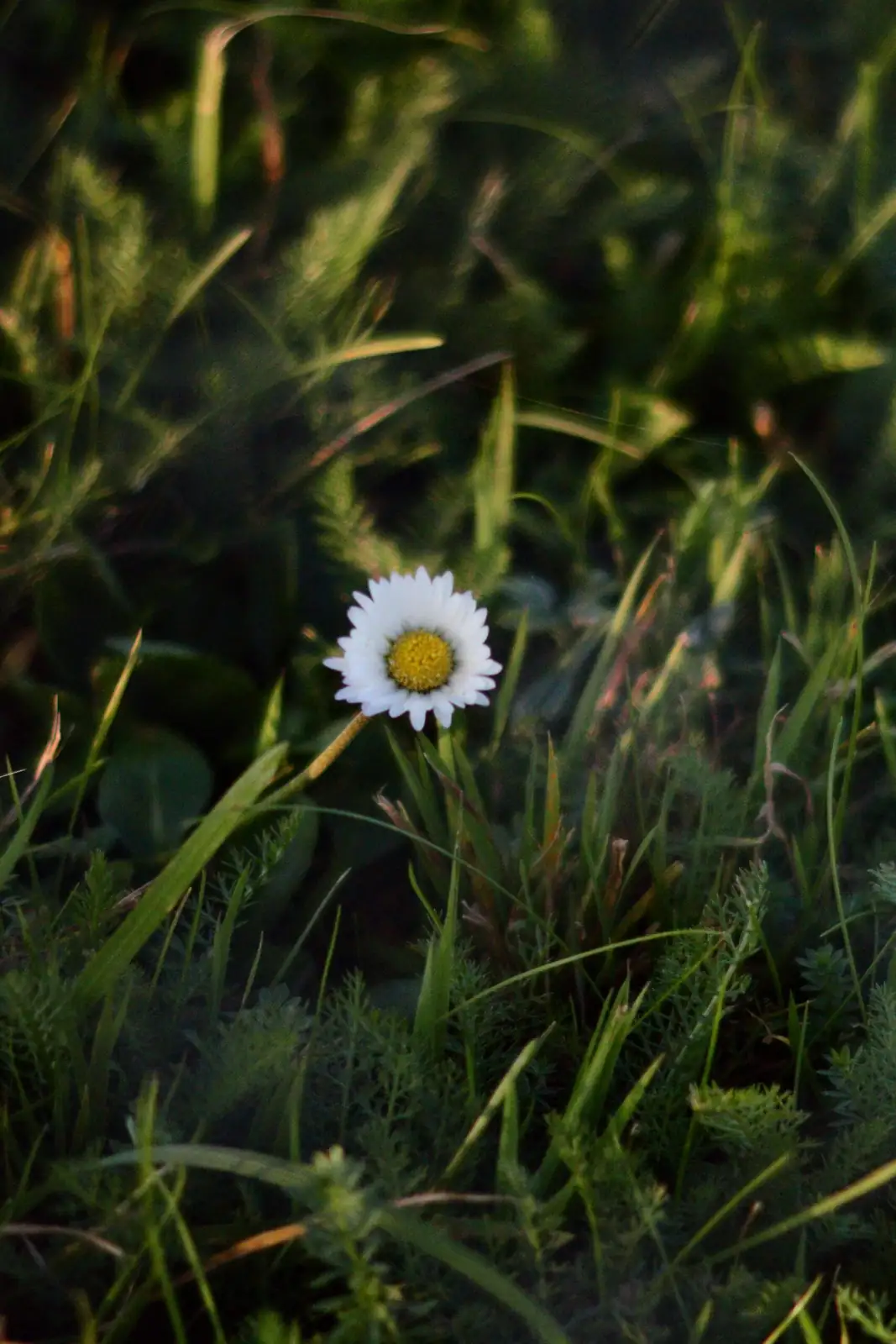
The Delightfully Ditsy Daisy: Unraveling the Quirks of Bellis perennis
Imagine stepping onto a lush green lawn dotted with perky little daisies, their bright eyes gazing up at the sun. These charming blooms, scientifically named Bellis perennis, might seem like simple, cheerful flowers, but they secretly harbor a wealth of intriguing traits and whimsical behaviors. Let’s dive into the delightful world of the common daisy and discover what makes them tick.
A Flower with a Personality: The Day’s Eye
Did you know that daisies are called the “day’s eye” because they open with the sun and close at night? This quirky behavior is more than just a cute trick. It’s a protective mechanism known as nyctinasty. By closing up shop during the darkness of night, daisies shield their pollen from the cold and damp, ensuring that their chances of reproduction are as sunny as their disposition.
Daisy Dynamics: Growing Habits and Environment
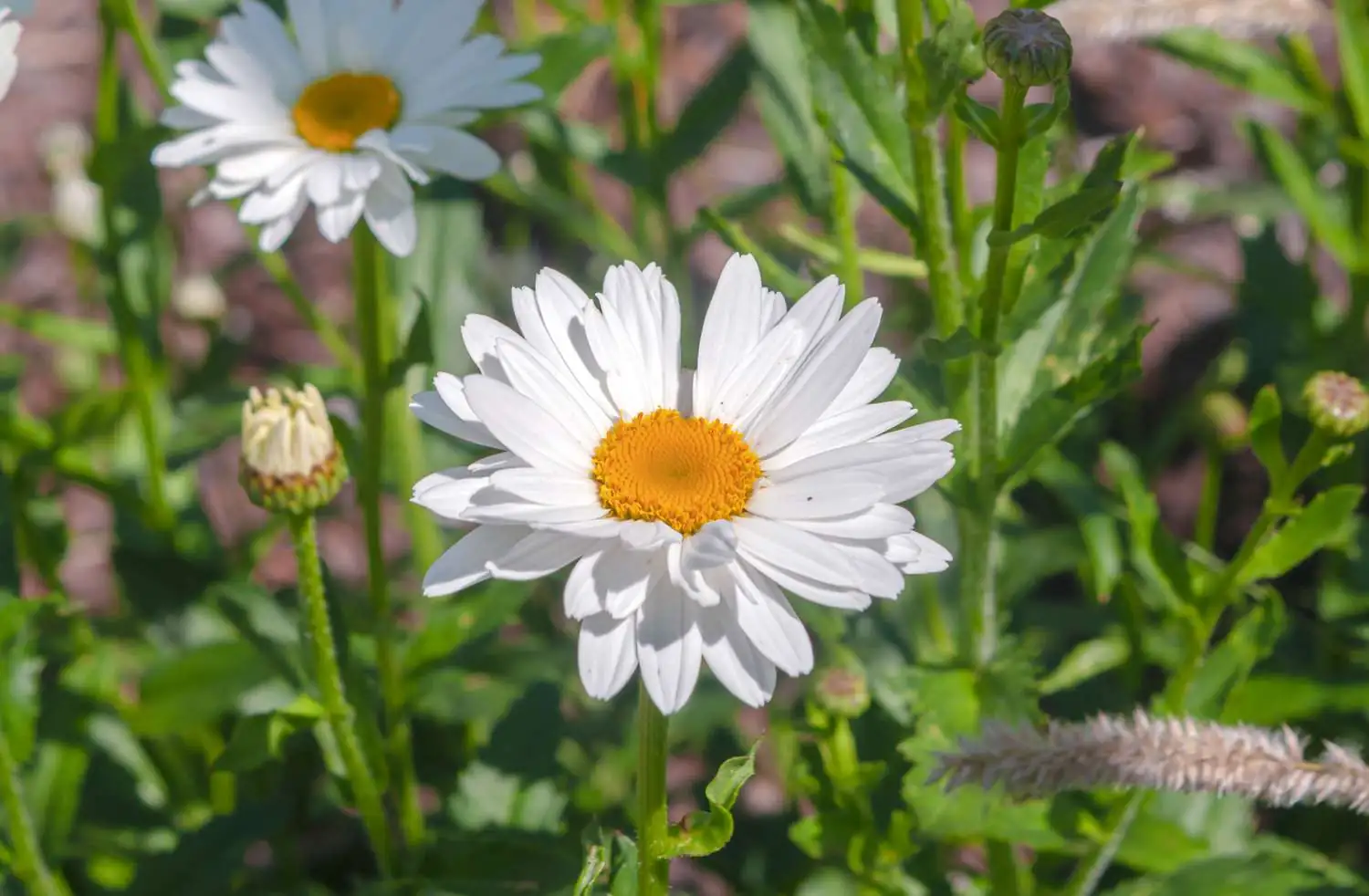
Bellis perennis is a master of adaptation—this low-growing perennial thrives in cool, temperate climates, cheerfully colonizing lawns and gardens. They love basking in the sun but appreciate a bit of afternoon shade when the summer gets too hot. If you’re planning to invite these little guests into your garden, make sure to provide them with well-drained soil and steady moisture. This dainty flower is hardy in USDA Zones 4-8, relishing temperatures that mimic a refreshing spring morning.
From Seed to Splendor: Cultivation Tips
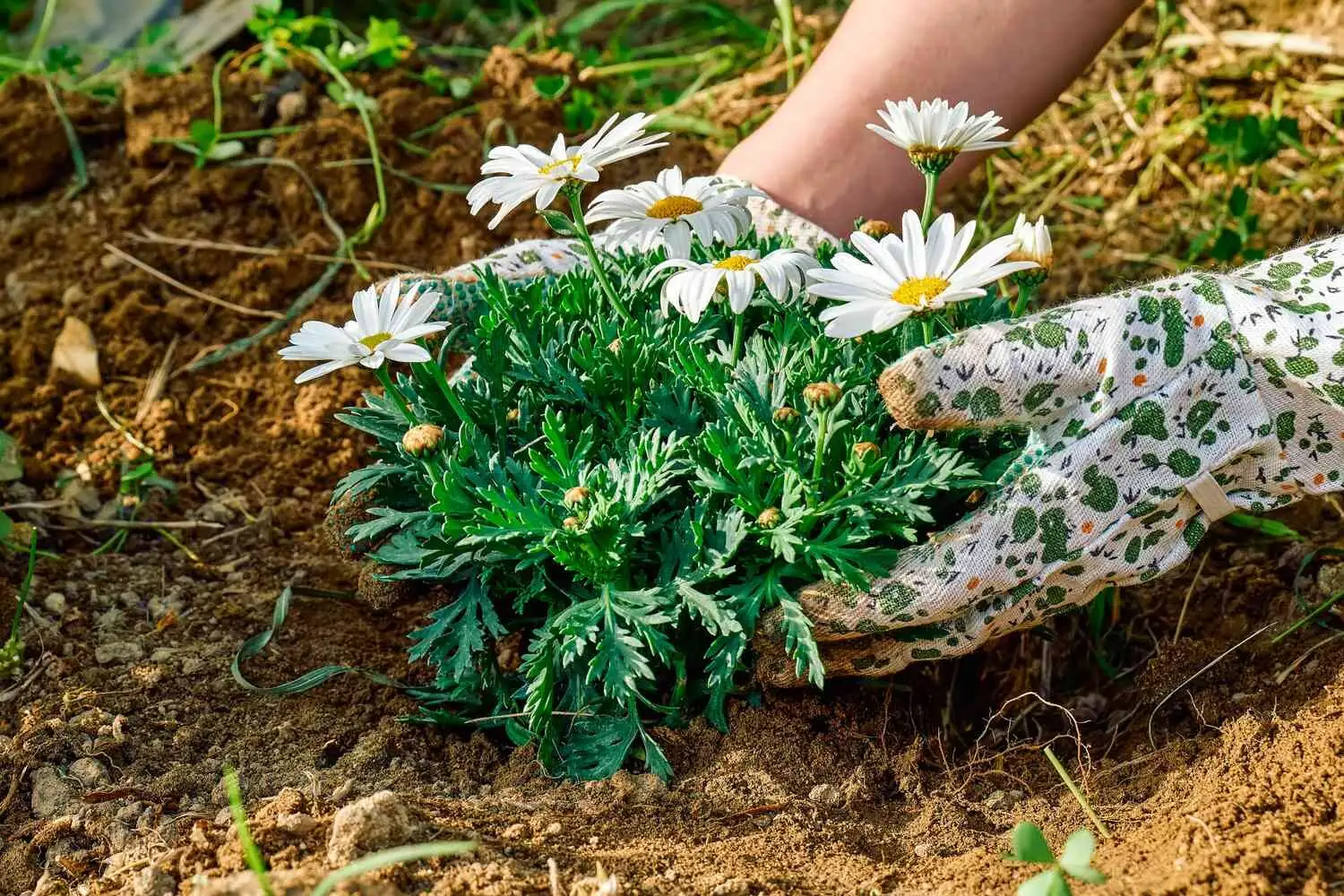
Growing daisies is as easy as pie. They can self-seed, spreading their charm naturally across your garden. However, if you’re the hands-on type, you can start them from seed or divide existing clumps. Just sprinkle the seeds on the soil’s surface and let the light do the rest. For a more orderly garden, deadhead the flowers regularly to prevent excessive self-seeding.
A Culinary and Cultural Delight
Beyond their visual appeal, daisies have been historically cherished in folk medicine and culinary traditions. Young leaves and petals have been used as salad greens, adding a dash of whimsy to dishes. Remember, though, only nibble on those grown without pesticides!
And in the language of flowers, daisies symbolize innocence and purity. This symbolism has deep roots, tracing back to medieval times when these flowers were known as “Mary’s Rose.” Their playful role in petal-plucking love divinations—“he loves me, he loves me not”—adds another layer to their storied past.
The Daisy’s Little Helpers: Ecological Importance
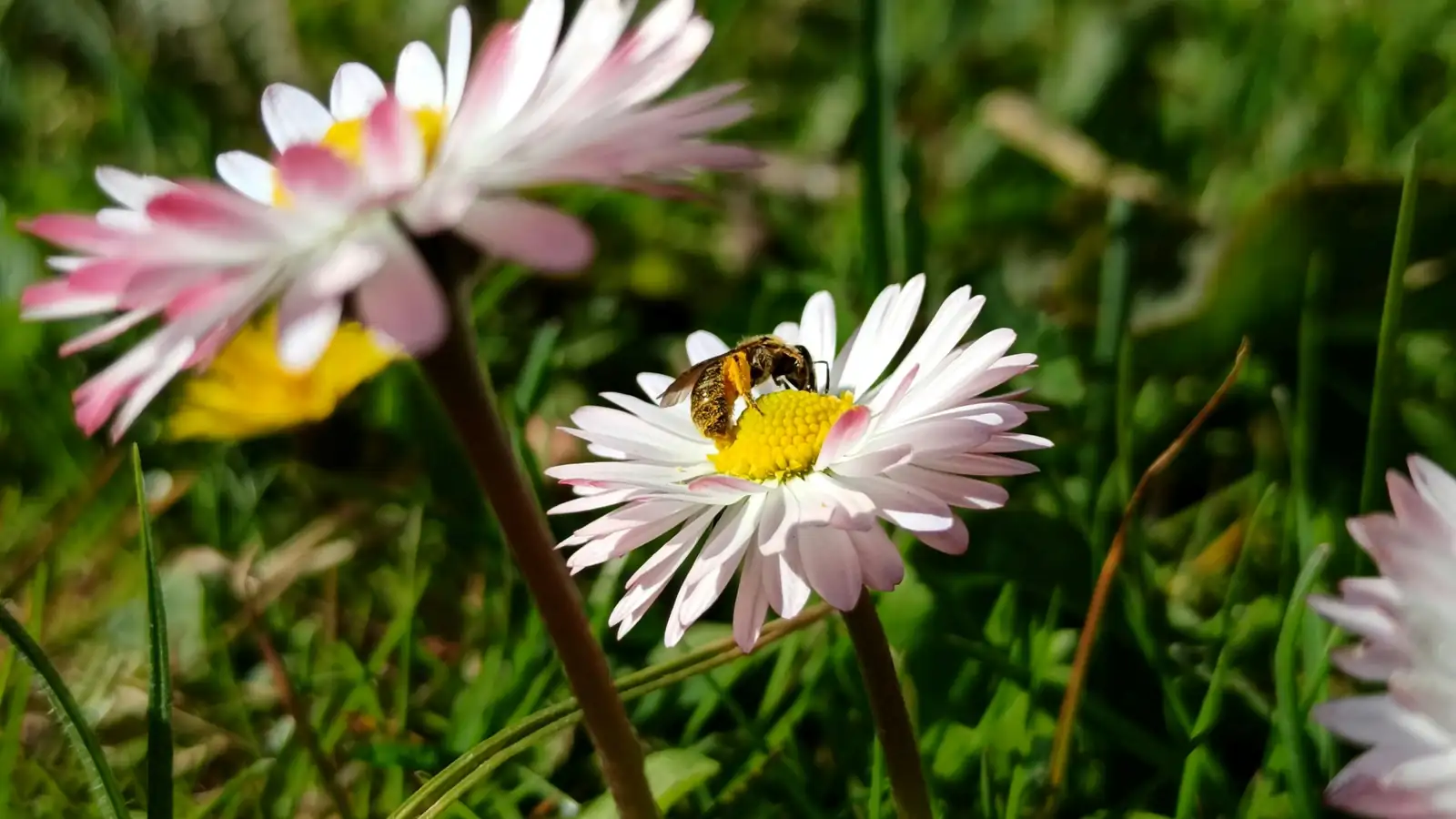
While daisies might be small, they pack a punch in the ecosystem. As early bloomers, they provide essential nectar and pollen for pollinators awakening in spring. Their ability to thrive in less-than-ideal conditions makes them a steadfast companion to bees and butterflies, ensuring that our gardens buzz with life.
Fun Facts to Ponder
- A daisy’s “flower” is actually a composite of many tiny flowers, with white ray florets encircling a bunch of yellow disc florets—a bouquet in miniature!
- Young daisies exhibit heliotropic behavior, tracking the sun as it moves across the sky.
- This plant is a paradox: a wildflower in one gardener’s eyes, a pesky weed in another’s.
In conclusion, the common daisy is anything but ordinary. With their sunny demeanor, tenacity, and hidden talents, they add a sprinkle of joy to any setting. So next time you spot these little wonders, pause and appreciate their lively spirit and the subtle complexity they bring to the garden stage.


