


If you’ve ever admired the poised, glossy calm of a Buddhist pine on a desk or by a bright window, you’ve probably also thought: I want more of these. Good news—Podocarpus macrophyllus is wonderfully cooperative when you get the timing right. Below you’ll find a hands-on, field-tested guide to multiplying this refined evergreen by semi-ripe cuttings in early summer and by seed that’s handled fresh (or kept in moist sand) for reliable, 50–70% germination.
Before we start: a quick portrait. Buddhist pine (Podocarpus macrophyllus), native to China and Japan, is an evergreen shrub to small tree in the Podocarpaceae family. Indoors it stays sleek and tidy with deep-green, glossy leaves, thriving in bright, gentle light and a free-draining, airy mix. It’s sold under names like Japanese Yew and Yew Plum Pine—and yes, it’s often marketed as a “lucky” plant.
Propagation path 1: Semi-ripe cuttings (early summer)
Think of semi-ripe cuttings as the sweet spot: not floppy spring tips, not stubborn winter wood—just-firm young shoots that root with confidence.
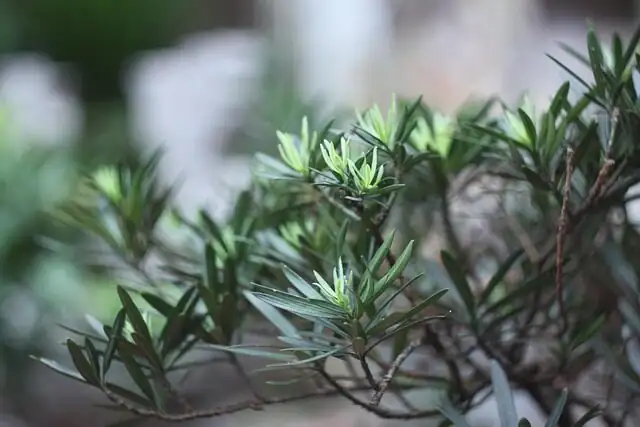
When and what to cut
- Best timing: Early summer, when new growth has firmed to semi-ripe.
- Choose material: Take tip cuttings from young, vigorous shoots (this year’s growth). Younger wood roots more readily than older wood.
- Length: 8–12 cm (3–5 in) is ideal, with at least 2–3 nodes.
How to prepare the cuttings
1) Sanitize tools: Dip pruners or a razor in 70% alcohol (or 1:9 bleach:water).
2) Make the cut: Snip just below a node. If you can, make a “heel” cutting by pulling a side shoot off with a sliver of older stem attached—this can boost success.
3) Leaf prep: Strip leaves from the lower half. Halve the remaining leaf blades to cut transpiration without stopping photosynthesis.
4) Lightly wound the base: A shallow slice on one side of the stem near the basal node can stimulate rooting.
5) Hormone: Dip in rooting hormone (IBA) gel or powder. Practical range: 0.3–0.8% talc, or a 1,000–3,000 ppm quick-dip.
Rooting medium, light, and temperature
- Medium: Sterile, airy, and fast-draining—e.g., 1:1 perlite:coarse sand, or perlite:pine bark fines. Pre-moisten so it’s evenly damp, never soggy.
- Containers: Cell trays or small pots. Space cuttings so leaves don’t touch.
- Light: Bright, indirect light (think east window or filtered south). Avoid harsh sun.
- Temperature: Aim for 18–26°C (64–79°F) air; gently warm media (20–24°C / 68–75°F) speeds rooting.
Humidity tactics that work
- Cover, don’t smother: Tent cuttings with a clear dome, plastic bag on stakes, or a lidded propagation box. Maintain high humidity (85–95%) but vent daily.
- Intermittent mist: If you have a mist system, keep foliage just dewy, not dripping. Stop misting late in the day; clammy nights invite leaf spot.
- Micro-fan: A tiny fan on low, indirect flow keeps air fresh and Botrytis at bay.
- Moist, not wet: The medium should feel barely damp to the touch. Overwet media = blackened bases and losses.
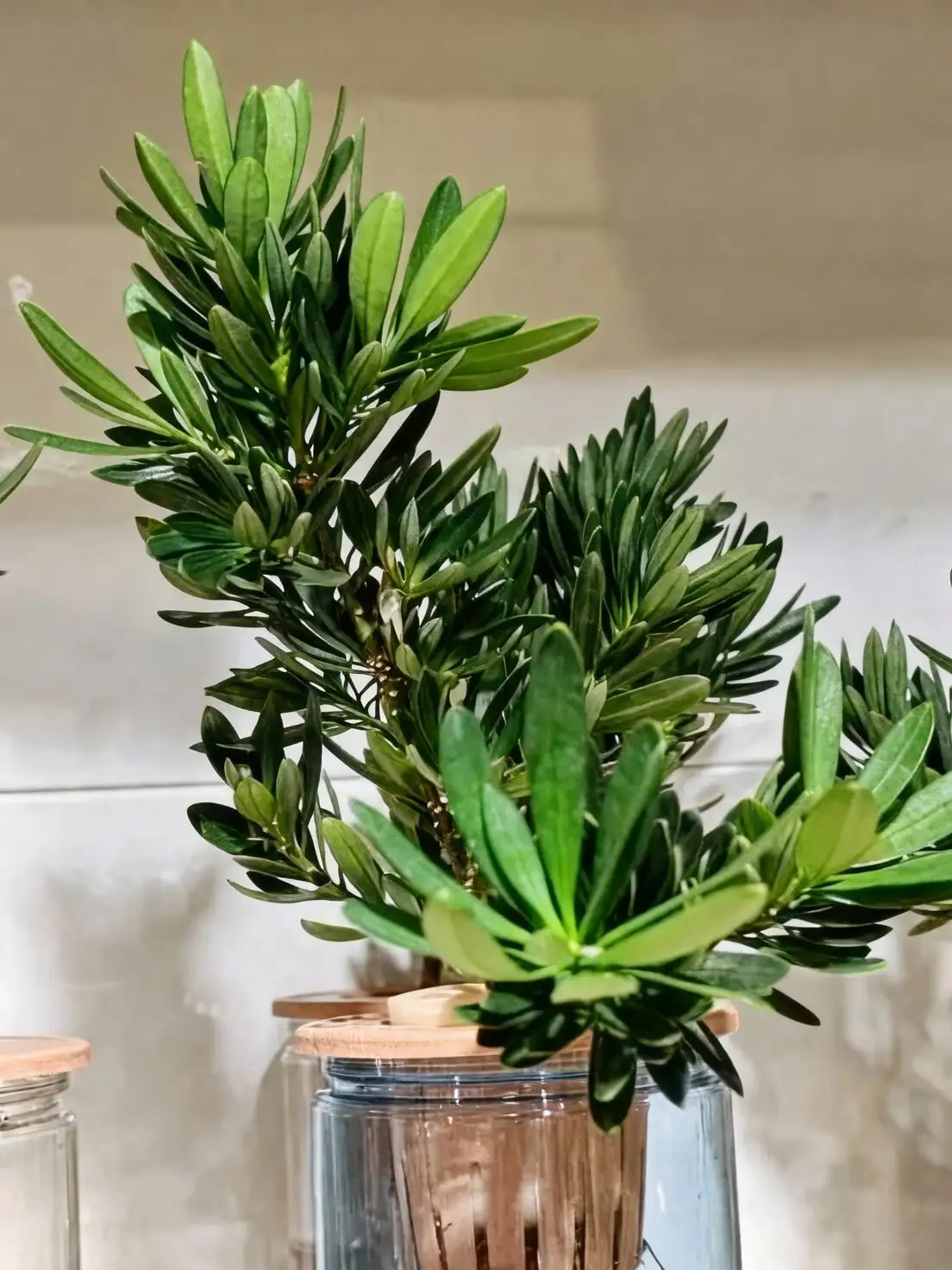
How long to root—and how to know
- Expect 10–12 weeks for good rooting. Resist tugging; instead, watch for new leaf growth and feel for gentle resistance.
- If you see callus at 4–6 weeks, you’re on track.
Weaning and potting on
1) Harden off: Over 7–10 days, open vents wider each day until the cuttings live uncovered with no wilt.
2) Pot individually: Use a free-draining, airy mix: leaf mold/compost + garden loam + coarse sand. Add a gritty drainage layer at the pot base.
3) Early care: Keep between 13–25°C (55–77°F). Water to keep evenly moist—never bone-dry, never soggy. Bright, filtered light.
4) First feed: Once you see fresh growth, feed lightly in spring and autumn (monthly, balanced fertilizer such as 20-20-20). Pause feeding in winter.
Common pitfalls and fixes
- Base rot: Too-wet media or stale air. Correct by improving drainage, warming the medium slightly, and increasing ventilation.
- Leaf spot: Avoid late-day wet foliage; improve airflow; remove affected leaves.
- Scale insects: Wipe off and treat with horticultural oil or insecticidal soap; repeat as needed.
Propagation path 2: Seeds (fresh, or stored in moist sand)
Podocarpus seeds are fussy about freshness. They lose viability quickly if they dry out—handle them like delicate berries, not marbles.
Why freshness matters (and what moist sand does)
- Fresh seed = higher viability. Drying and warm storage slash germination.
- Moist-sand storage keeps seeds hydrated and cool so they remain alive until sowing. It’s the next-best thing to sowing right away.
Collecting and prepping seed
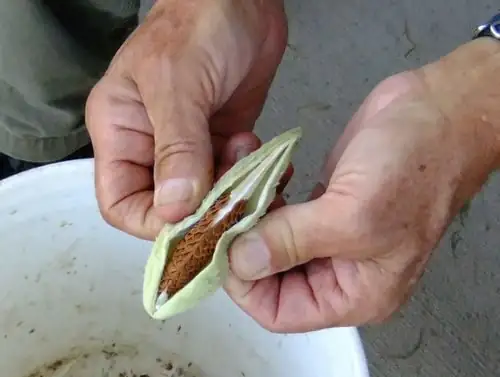
- Sex matters: Female plants produce the fleshy, berry-like arils (males make small pollen cones).
- Extract and clean: Remove the fleshy aril and any scales; rinse seeds thoroughly. This reduces fungal pressure and potential germination inhibitors.
- Optional float test: Discard persistent floaters; sow sinkers first.
Two sowing routes
A) Sow fresh, right after cleaning
- Medium: Sterile, free-draining mix—leaf mold/compost + loam + coarse sand works well.
- Depth: Just covered (about 5–10 mm / 0.2–0.4 in).
- Conditions: Bright, indirect light; steady moisture; 18–24°C (64–75°F). Use a clear cover for even humidity; vent daily.
B) Store, then sow next spring (moist sand)
- Method: Mix seeds into barely moist, clean sand (or moist long-fiber sphagnum). Seal in a labeled bag/box.
- Temperature: Keep cool—not freezing—in the refrigerator.
- Check monthly: If you spot mold, rinse seeds, refresh the sand, and reseal. Never let seeds dry.
- Spring: Sow as above.
Humidity and hygiene for strong germination
- Aim for evenly moist media—think wrung-out sponge.
- Use a dome or clear tote to curb evaporation; open daily for airflow.
- Keep the seed tray in bright shade; avoid direct, hot sun.
- Cleanliness counts: sterilize tools and trays; consider a light dusting of a seed-safe fungicide if damping-off has been an issue.
How to reach 50–70% germination
- Prioritize freshness (or correct moist-sand storage).
- Clean seeds thoroughly and discard poor-quality floaters.
- Keep consistent moisture and warmth (around 20–24°C / 68–75°F).
- Vent covers daily to reduce fungal issues.
- Be patient: germination can be staggered over weeks to several months. With good handling, 50–70% is a realistic, repeatable target.
Seedling aftercare
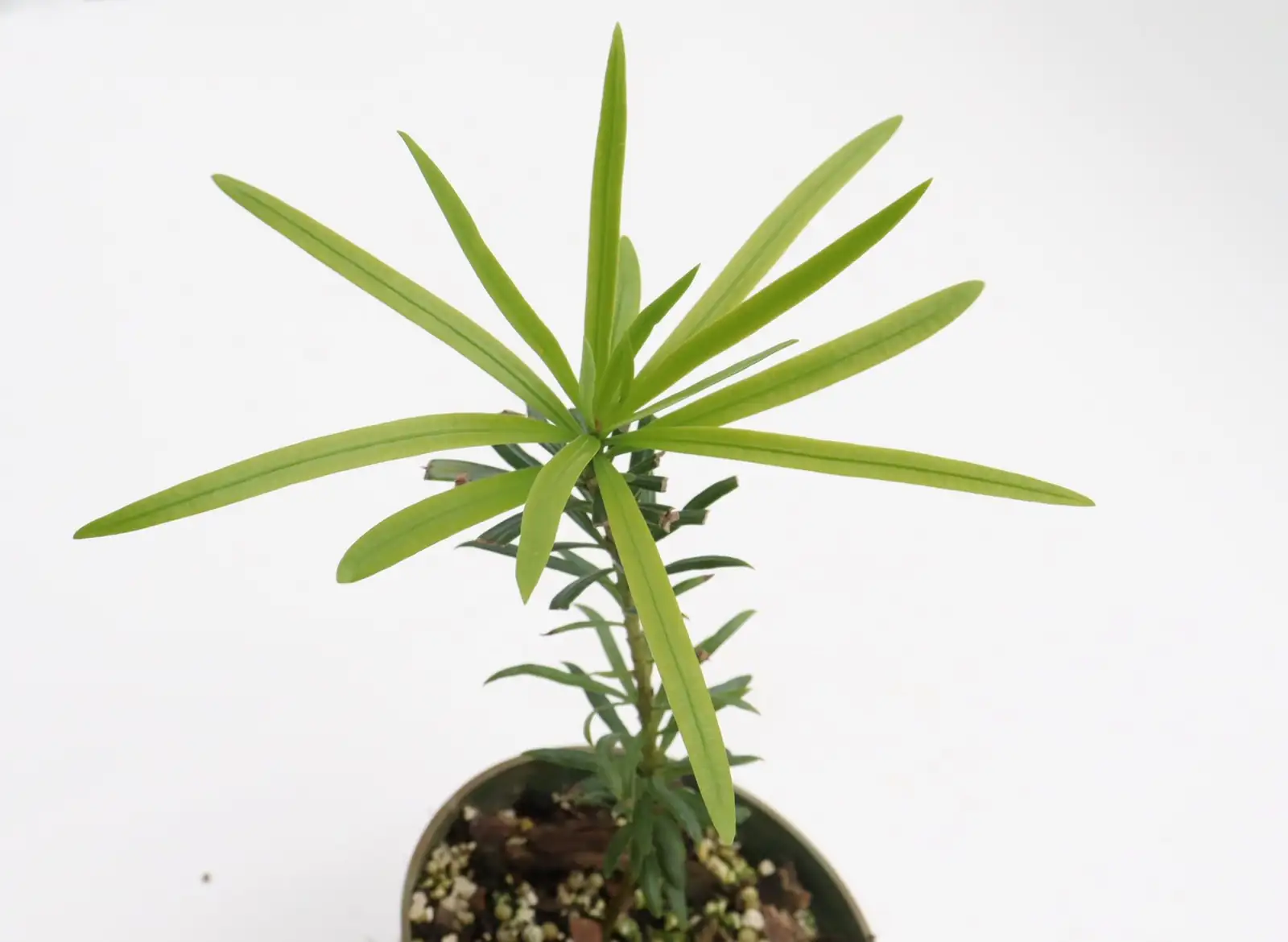
- Pot on when roots hold the plug and the first true leaves are firm.
- Use the same airy mix (leaf mold/compost + loam + coarse sand) and a small pot (7–9 cm / 3–3.5 in).
- Light: Bright, indirect light.
- Temperature: Keep above 10°C (50°F) for the best foliage; protect young plants below 5°C (41°F).
- Feeding: Very light, monthly feeding in active growth; none in winter.
Environment checklist for happy young plants
- Light: Bright, indirect to partial shade; an east-facing window is ideal.
- Temperature: 13–25°C (55–77°F) is the comfort zone.
- Humidity: Prefers moderate humidity (about 60–70%). Indoors, 50–60% keeps leaves pristine; occasional misting helps in dry air.
- Watering: Evenly moist, never waterlogged. Empty saucers.
- Potting mix: Airy and free-draining; add a gritty drainage layer to containers.
Season-by-season propagation snapshot
- Late spring to early summer: Take semi-ripe cuttings; root under high humidity with bright, filtered light.
- As seed ripens: Clean and sow immediately, or store in moist sand and sow the following spring.
- Autumn: Light feeding; avoid heavy pruning of new propagules going into winter.
- Winter: Keep above 10°C (50°F), pause fertilizing, and water sparingly but consistently.
Quick safety note
Podocarpus species are widely reported as toxic if ingested (especially to pets). Keep seeds and cuttings out of reach, and wash hands after handling.
A brief word on “luck” and symbolism
Buddhist pine is often sold as a “lucky” plant in markets—more a nod to its composed, evergreen grace and auspicious marketing than to ancient lore. Its long-lived, steady nature has made it a symbol of endurance and prosperity in modern houseplant culture—an elegant reminder that patience (in propagation and in life) pays off.
Troubleshooting FAQ
- My cuttings keep wilting under the dome.
Raise humidity further (add a shallow warm water tray), trim leaf blades by half, and reduce light intensity slightly. Check that the medium is damp, not wet.
- Callus formed but no roots after 8 weeks.
Warm the rooting zone to 20–24°C, refresh the hormone on a freshly recut base, and ensure the cutting wood is semi-ripe, not fully hardened.
- Seeds molded in storage.
Rinse in clean water, surface-dry, and repack in fresh, barely moist sand. Keep cool and ventilate briefly during monthly checks.
With well-timed semi-ripe cuttings and careful seed handling, Podocarpus macrophyllus rewards patience with elegant, resilient young plants. Start a small batch this early summer—and by autumn, you’ll be potting up a new generation of glossy, deep-green calm.