

Think of Belgian azalea (Rhododendron Simsii Group) as a cool-climate athlete with fine, shallow roots and a taste for soft light and acidic footing. Get those conditions right and it will root from semi-ripe cuttings like a pro. This masterclass walks you through May–June tip cuttings (12–15 cm), humidity finesse, rooting media that actually works, plus reliable air-layering timelines and professional grafting insights.
Know your plant, set your stage
Belgian/European florist azaleas were bred for heavy winter-to-spring bloom in containers. They’re compact, evergreen, and thrive with:
- Bright light with gentle sun (morning sun or bright shade)
- Cool to mild temperatures, ideally 12–25°C (54–77°F)
- High humidity and an acidic, airy mix
- Even moisture without waterlogging (their fine, shallow roots love oxygen)
The same preferences apply to successful propagation: cool, bright, humid, acidic, and impeccably drained.
Semi-ripe cuttings (May–June): the play-by-play
Late spring to early summer is prime time as new growth begins to firm. Rooting typically takes about 8–10 weeks (some batches linger a bit longer), so timing now gives you well-rooted liners by late summer.
Choose and prep stock plants (1–2 weeks ahead)
- Select healthy, well-branched, pest-free plants. Avoid heat-stressed or nutrient-starved stock.
- Maintain steady moisture in an acidic mix; keep them cool and bright.
- Light feeding with an azalea/rhododendron fertilizer is fine—avoid heavy salts.
- If foliage shows lime-induced yellowing, correct with chelated iron. Robust, green tops root better.
Cutting specs and preparation
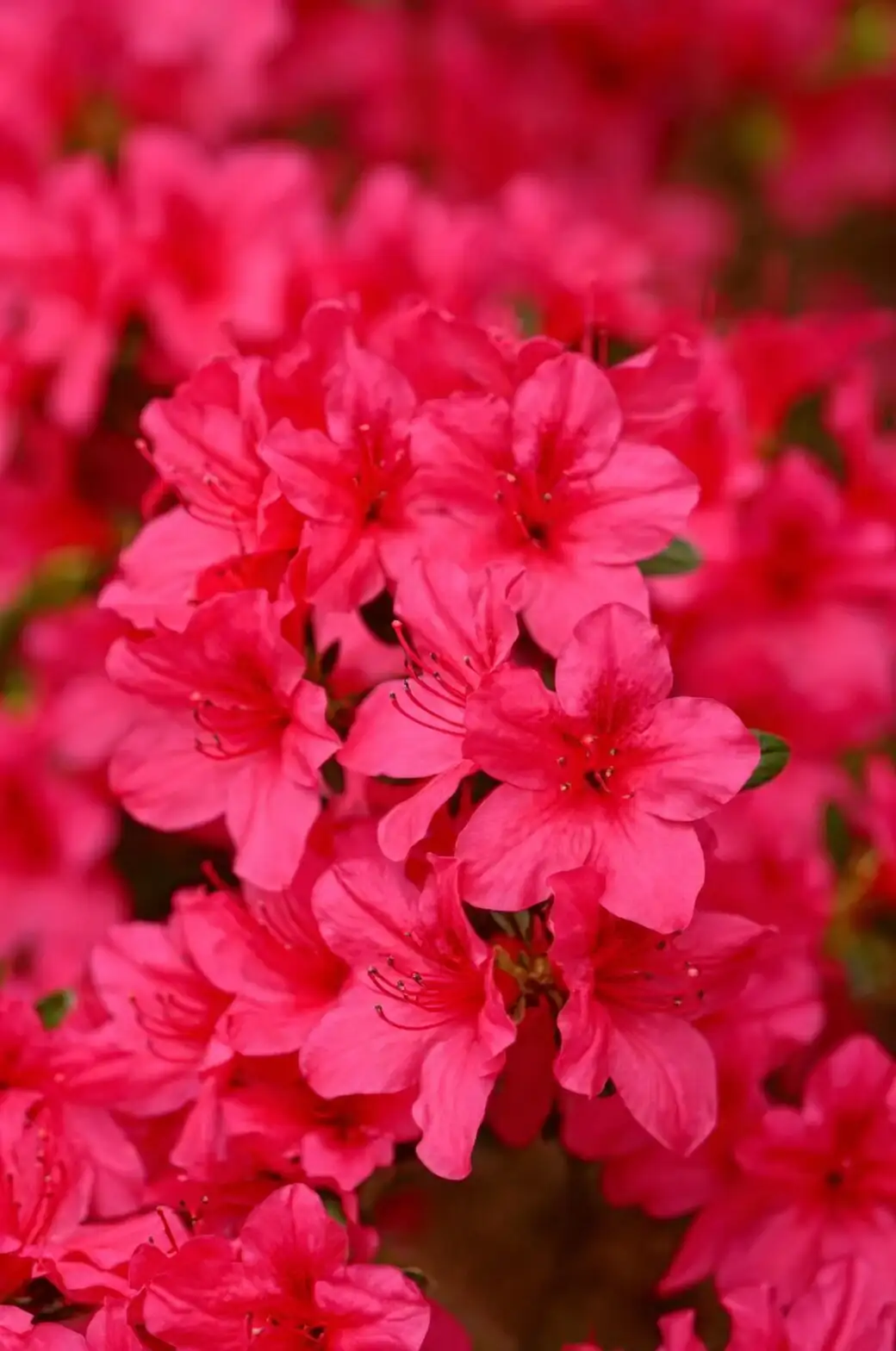
- Cutting type: semi-ripe tip cuttings, 12–15 cm (4.7–5.9 in).
- Where to cut: just below a node; include at least 2–3 nodes on the cutting.
- De-bud: remove any flower buds immediately.
- Leafing: strip lower leaves; keep 2–4 upper leaves. Trim large leaves by half to reduce transpiration.
- Optional “heel” or wounding: take a thin sliver from one side of the base or lightly scrape two opposing slits (5–10 mm) to expose cambium—this often boosts rooting.
- Hygiene: use a sanitized blade and clean trays. Azalea cuttings are unforgiving of grime.
Rooting hormone
- IBA works extremely well. Practical ranges:
- Talc: 0.6–0.8% IBA (6,000–8,000 ppm).
- Quick-dip in alcohol: 3,000–8,000 ppm IBA for 3–5 seconds.
- Tap off excess and stick promptly.
Rooting media that actually works
Aim for air, acidity, and even moisture—not slop.
- Top recipes (by volume):
- 1:1 fine perlite : peat (or fine, washed coco coir adjusted slightly acidic)
- 1:1 coarse sand : peat
- pH target: 4.5–5.5
- Pre-wet thoroughly with low-lime water; let drain so it’s moist, not dripping.
Sticking depth and spacing
- Insert deep enough to bury one to two nodes (about 2.5–4 cm), firming the media around the stem.
- Space cuttings so leaves barely touch; crowding invites Botrytis and mites.
Humidity control and environment
Azalea cuttings need high humidity but also air. Strive for “leaf comfort,” not wet blankets.
Light and temperature
- Light: bright shade; think morning sun or bright indirect. Indoors, bright window with sheer or under LEDs 12–14 hours/day.
- Soil/bottom heat: 21–24°C (70–75°F) is a sweet spot.
- Air temperature: keep cool to mild, roughly 18–23°C (64–73°F). Avoid hot, stagnant rooms.
Humidity tactics
- Intermittent mist bench (advanced): short pulses as needed to prevent wilting; taper in late afternoon to keep leaves drier overnight.
- Home setup: clear dome/prop case with adjustable vents, or a humidity tent with gentle airflow.
- Aim for 85–95% RH without condensation constantly dripping on leaves.
- Vent daily for fresh air; wipe excess condensation.
- Airflow: a small fan on low, indirectly moving air, helps curb disease and mite flare-ups.
Night moisture management
Cool, wet foliage invites Botrytis. If using mist, reduce or stop cycles by late afternoon. In domes, vent in the evening so leaves aren’t soaked overnight in cool rooms.
The timeline: what to expect
- Days 0–10: cuttings hydrate, minor callus may form. Keep cool, bright, and steadily humid.
- Weeks 3–6: root initials begin. Very gentle tug may feel subtle anchoring.
- Weeks 8–10: most cuttings ready. Look for new leaf growth and firm resistance to a tug.
- Root quality: aim for several white roots ~2–4 cm before potting.
Success rates vary by cultivar and conditions; 60–85% is a realistic goal with good hygiene and environment.
Potting on and weaning
- Potting mix: a fertile, airy ericaceous blend—peat/leaf mold with added perlite or coarse sand.
- Pot size: start small (7–9 cm/3–3.5 in), firm lightly, and water in.
- Humidity wean: crack the dome or increase venting over 7–10 days. Keep bright shade and gentle airflow.
- Temperature: cool-mild (15–22°C).
- Feeding: very light, dilute azalea feed after 2–3 weeks; avoid salt build-up.
- Pinch: once established, pinch soft tips to promote branching and a compact habit.
Air-layering: slow, sure, and elegant
Great for thicker, mature shoots or hard-to-root cultivars. Done in spring to early summer, layers typically root in about 4–5 months.
How to air-layer Belgian azalea
- Select a healthy, pencil-thick shoot in bright shade.
- Make a ring-bark: remove a 1–1.5 cm band of bark just below a node; scrape to disrupt the cambium so it can’t bridge.
- Optional: dust the exposed zone with powdered IBA.
- Wrap with pre-moistened long-fiber sphagnum moss (squeeze so it’s damp, not dripping); you can mix in a little perlite for air.
- Enclose with clear plastic film; seal both ends snugly. Add a layer of foil to shade roots and keep cool.
- Maintain: check monthly; re-moisten if needed. Keep the plant in bright shade, evenly watered, and cool.
- Rooting window: expect visible roots in 4–5 months. Sever below the root ball, pot into an acidic mix, and harden off in bright shade. Protect from heat and drying winds.
Tip: Time the final cut so the newly potted layer has several mild weeks to settle before cold weather.
Professional grafting notes
Commercial growers sometimes graft for vigor, uniformity, or root rot tolerance.
- Rootstocks: R. ponticum has been widely used in trade; choose disease-free, compatible stock. Remove any rootstock suckers promptly—they can overtake the scion.
- Methods: side-veneer, splice/whip, or approach grafting are common for small-diameter azalea material.
- Environment:
- Warm, humid callusing zone: roughly 22–24°C (72–75°F) with high humidity and low light.
- Shaded, airy bench post-graft to prevent scion wilt.
- Maintain cleanliness; keep ties snug but not strangling; seal exposed cuts.
- Aftercare: once the union knits, gently increase light. Pinch the scion to branch. Vigilantly rub off any growth from the stock below the union.
Troubleshooting: fast fixes
- Wilting cuttings midday:
- Increase humidity slightly, improve shading, or shorten vent time. Ensure media is moist but not soggy.
- Blackened leaf edges or Botrytis flecks:
- Reduce leaf wetness late day; increase airflow; space cuttings; remove infected tissue.
- No roots after 10–12 weeks:
- Check temperature (aim for 21–24°C at the base), refresh hormone, lightly wound cut bases, and ensure media acidity and drainage are on point.
- Sudden leaf drop or speckling:
- Suspect hot, dry air and spider mites. Cool the room, raise humidity, and treat early with insecticidal soap/horticultural oil. Keep plants out of harsh afternoon sun.
Safety and seasonal sanity checks
- Toxicity: all parts are toxic if ingested (grayanotoxins). Keep away from kids and pets.
- Climate note: florist azaleas are generally frost-tender. Grow in containers and protect from freezing. Avoid prolonged heat above 30°C (86°F)—it stalls rooting and stresses stock plants.
A brief note on symbolism
Gifted for winter brightness, florist azaleas picked up meanings of tender affection, elegance, and “take care of yourself”—reflecting their long, careful cultivation and cool-season bloom. Like most flower “languages,” these meanings are cultural traditions rather than strict rules; feel free to make your own message with color and timing.
Your propagation checklist
- Semi-ripe tips, 12–15 cm, May–June
- Bright shade, cool air, 21–24°C bottom heat
- Acidic, airy media (perlite:peat 1:1 or sand:peat 1:1)
- High humidity with airflow; leaves not soaked overnight
- IBA hormone (talc 0.6–0.8% or 3,000–8,000 ppm quick-dip)
- Root in ~8–10 weeks; air-layers in ~4–5 months
- Pot into ericaceous mix; wean humidity; pinch to shape
Keep it cool, keep it airy, keep it acidic—and your Belgian azalea cuttings will reward you with sturdy, compact plants ready to dazzle when winter light grows thin.