

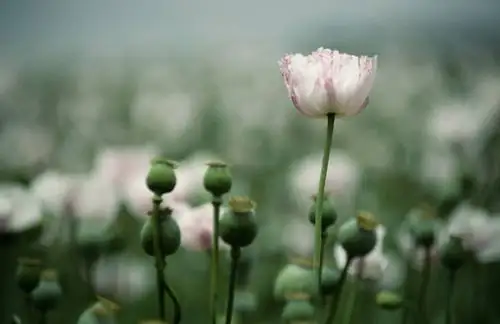
The opium poppy, scientifically known as Papaver somniferum, is a plant of many facets, weaving its way through the tapestry of human history with threads of beauty, utility, and complexity. Known for its large, crinkled petals that flutter in hues from soft pinks and whites to vibrant reds and purples, this plant is as versatile as it is captivating. But beyond its ornamental charm lies a rich narrative that spans centuries and continents. Let’s delve into the world of poppy seeds, exploring their culinary delights, historical significance, and cultural impact.
Culinary Marvels: The Taste and Texture of Poppy Seeds
Poppy seeds have long been a cherished ingredient in kitchens around the world. Tiny and crescent-shaped, these seeds carry a subtle nutty flavor that makes them a perfect addition to a variety of dishes. Whether sprinkled over a crusty loaf of bread, stirred into a buttery pastry, or enhancing the crunch of a classic bagel, poppy seeds add a delightful texture and taste that elevate culinary creations.
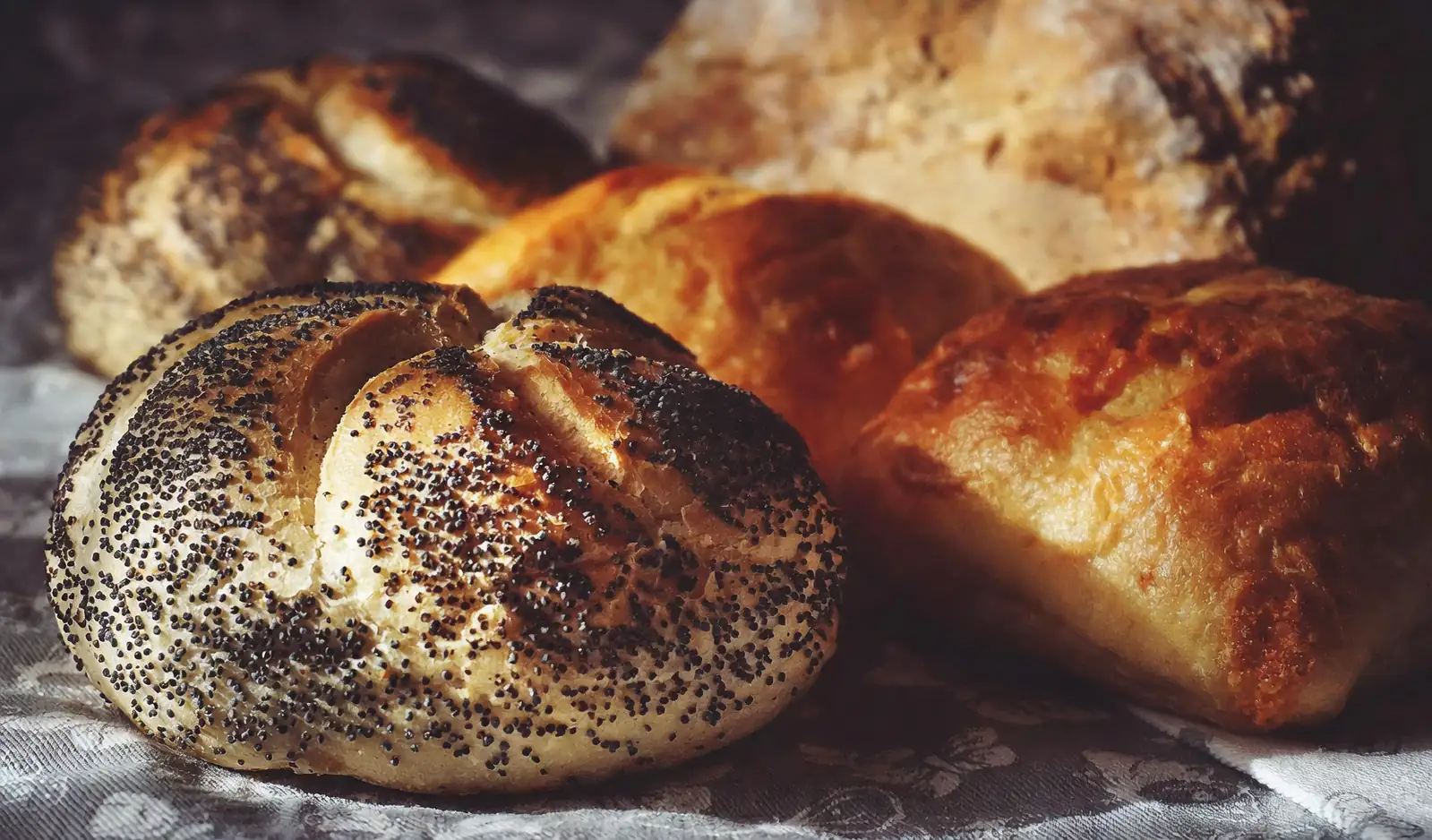
Beyond their taste, poppy seeds are also a source of poppyseed oil, which is used in salads and cooking, offering a light, nutty flavor that complements many dishes. This oil isn’t just a culinary treasure; it also finds its way into cosmetics, adding a touch of luxury to skincare products.
A Plant Steeped in History
The opium poppy’s history is as colorful as its petals. Originating in regions like Asia Minor and the Mediterranean, it has been cultivated since ancient times. The Sumerians called it Hul Gil, the “joy plant,” due to its mood-enhancing properties. Over millennia, its derivatives—morphine, codeine, and thebaine—have been used for their medicinal properties, offering pain relief and sedation. However, these same properties have also led to its role in the production of narcotics, making it a plant of both immense value and significant controversy.
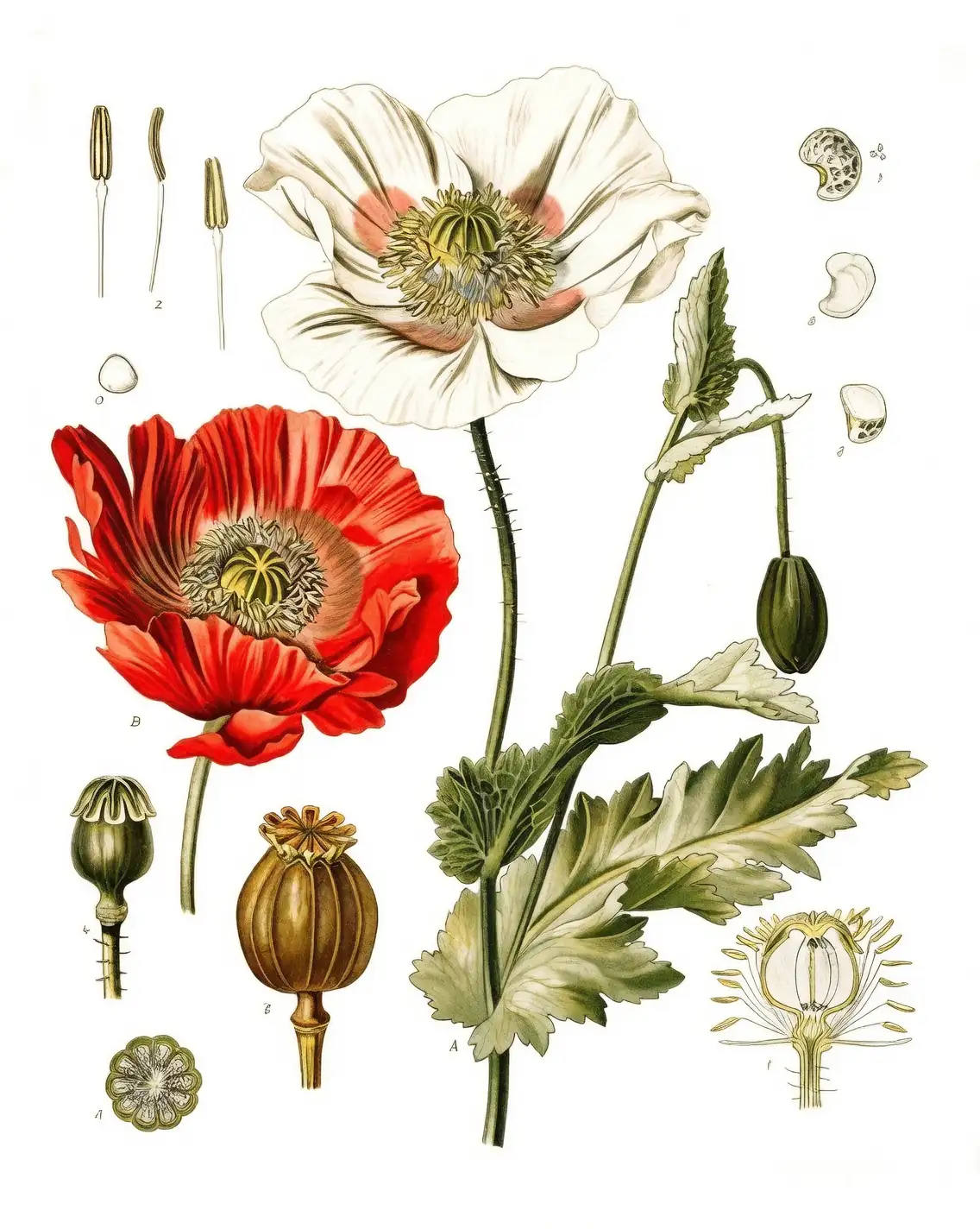
In the cultural tapestry, the opium poppy holds a place of honor and remembrance. Most notably, the red poppy became a symbol of remembrance for soldiers who died in war, inspired by the fields of poppies that bloomed on the battlefields of World War I, immortalized in the poem “In Flanders Fields.”
Navigating the Legal Landscape
Despite their benign culinary uses, growing opium poppies can be legally complicated. The plant’s association with narcotics has led to stringent regulations in many countries. In some regions, cultivating Papaver somniferum is restricted or outright illegal without proper permits. This legal complexity reflects the delicate balance between appreciating the plant’s beauty and utility and acknowledging its potential for misuse.
The Science of Growth and Harvest
For those in regions where growing opium poppy is permissible, understanding its growth needs is crucial. This annual plant thrives in well-drained soil and full sunlight, with cool conditions enhancing its flowering. Its seeds are best sown directly into the soil in fall or early spring, as the plants dislike transplanting due to their deep taproots.
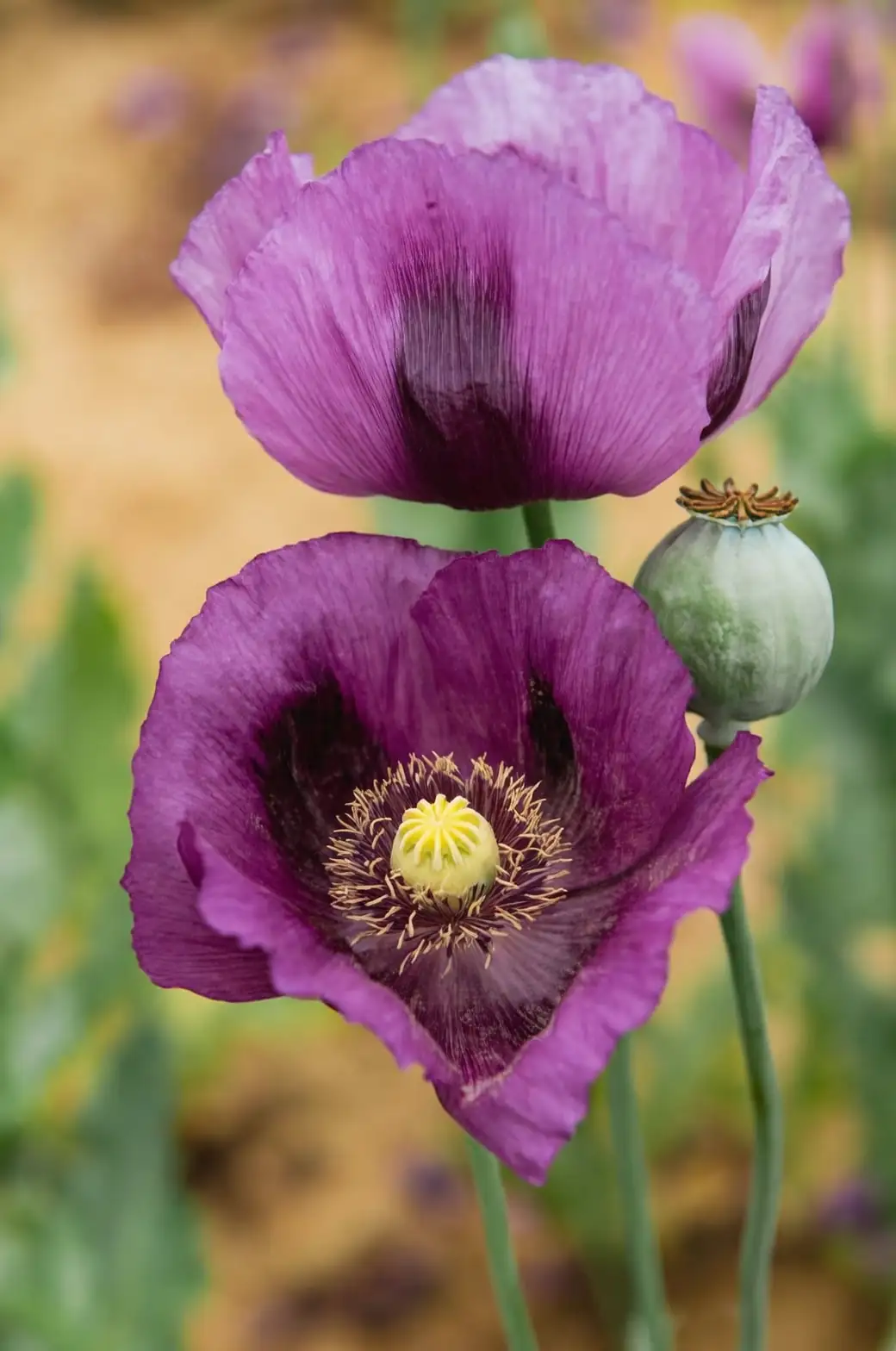
When it comes to harvesting poppy seeds, patience is key. The pods should be allowed to dry on the plant, turning a tan-brown before harvest. Once dry, the seeds can be shaken out and stored in cool, dry conditions, ready to add a nutty crunch to your next baking project.
Poppy Seeds in the Modern World
Today, poppy seeds continue to be celebrated for their versatility. In the Czech Republic, a leading producer of culinary poppy seeds, they remain a staple in local cuisine. However, caution is advised when dealing with unwashed seeds, as they may contain residues of opium alkaloids. While washed seeds are safe for consumption, the unwashed variants can pose a risk if used improperly.
In conclusion, the opium poppy is a plant of contrasts. It offers beauty and flavor, yet carries a legacy of caution and respect. Its seeds, a testament to human ingenuity, show how we can harness nature’s gifts for culinary delight while navigating the complexities of its other uses. As we continue to explore this plant, we are reminded of the delicate dance between nature’s offerings and human responsibility.


