

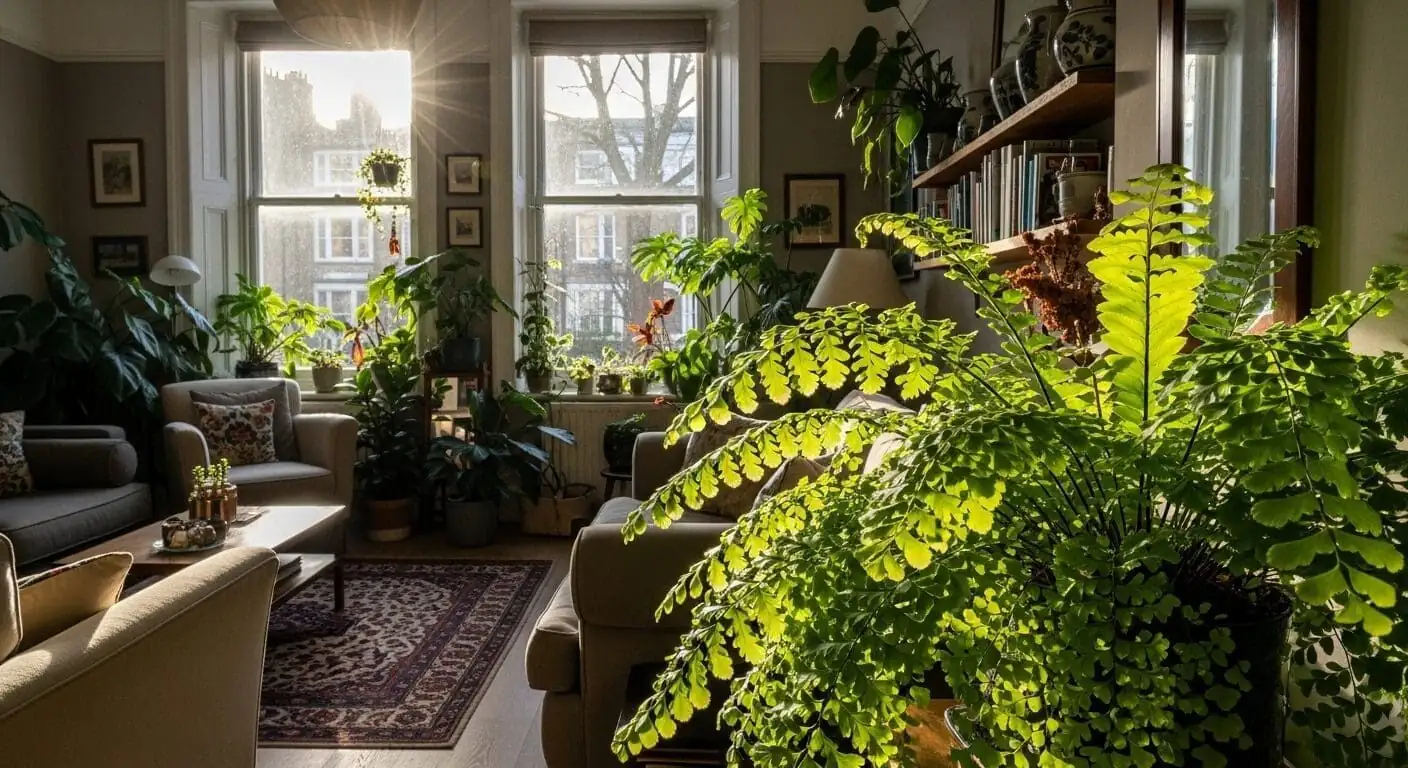
Think of a fern as a living green fountain: fronds unfurling, arching, and misting the air with freshness. When something goes wrong, though, your once-feathery Polypodiopsida can suddenly look speckled, sticky, or wilted. This guide gives you a fast, symptoms-to-causes triage for the most common fern villains—scale, aphids, spider mites, leaf spot, anthracnose, and root rot—plus gentle, effective fixes and everyday habits that keep those lacy fronds lush.
Quick triage: what are your fern’s fronds telling you?
- Sticky leaves, shine, or sooty mold; sometimes ants nearby
Likely sap-suckers: aphids or scale.
- Tiny pinprick speckles (stippling), dulling/bronzing, fine webbing—especially in dry rooms or near heat vents
Spider mites.
- Distinct brown/black spots, sometimes with yellow halos; tends to follow episodes of wet foliage or crowding
Leaf spot (fungal).
- Irregular, dark, expanding lesions that may track along veins or cause tip blight; often in warm, humid, low-airflow conditions
Anthracnose (fungal).
- Sudden wilt or yellowing even though soil is wet; sour smell; roots turn brown/mushy
Root rot (overwatering/poor drainage).
- Crispy edges/tips, paling, or fronds scorching only on the sunniest side
Light or humidity stress rather than pests/disease.
Tip: A quick “paper tap test” helps with mites and aphids. Hold white paper under a frond and tap—tiny moving dots = pests.
—
Pests on ferns: gentle fixes that work
Ferns are humidity-loving softies; harsh chemicals and hot, direct sun can stress them more than the pests do. Start with the least disruptive remedy and repeat consistently.
Aphids
- Signs
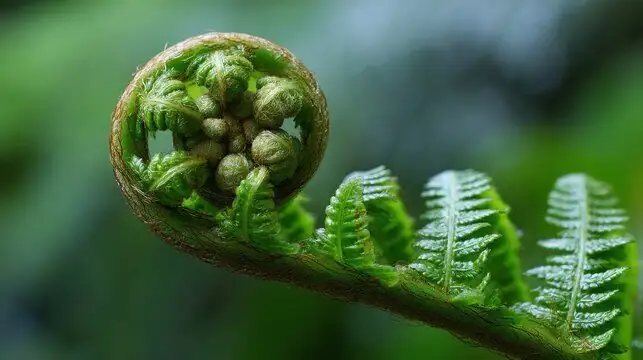
- Clusters of soft, pear-shaped insects on tender fiddleheads and frond tips
- Sticky honeydew; distorted new growth
- Why they appear
- Lush, soft growth from heavy feeding or low airflow is a magnet.
- Gentle treatment (stepwise)
1) Isolate the plant. Give it a tepid shower, aiming under fronds to dislodge aphids.
2) Follow with insecticidal soap or a light horticultural oil (including neem) labeled for houseplants. Thorough coverage—especially undersides—is key.
3) Wipe off honeydew to prevent sooty mold.
4) Repeat every 5–7 days for 3–4 cycles to catch new hatchlings.
- Prevention
- Avoid overfertilizing; provide bright, indirect light and mild airflow.
- Inspect new plants for three weeks before they join your collection.
Scale
- Signs
- Hard, dome-like bumps on fronds and stems; they don’t move when prodded
- Honeydew and the occasional sooty mold
- Why they appear
- Hitchhikers on new plants; thrive on still, sheltered foliage.
- Gentle treatment (stepwise)
1) Gently scrape adults off with a fingernail or cotton swab dipped in alcohol (test first—ferns are tender).
2) Spray with horticultural oil to smother remaining “crawlers” and missed adults. Keep out of direct sun until dry.
3) Spot-prune heavily infested fronds.
4) Repeat oil applications every 7–10 days for 2–3 rounds.
- Prevention
- Quarantine new arrivals; keep fronds dust-free so you can spot issues early.
Spider mites
- Signs
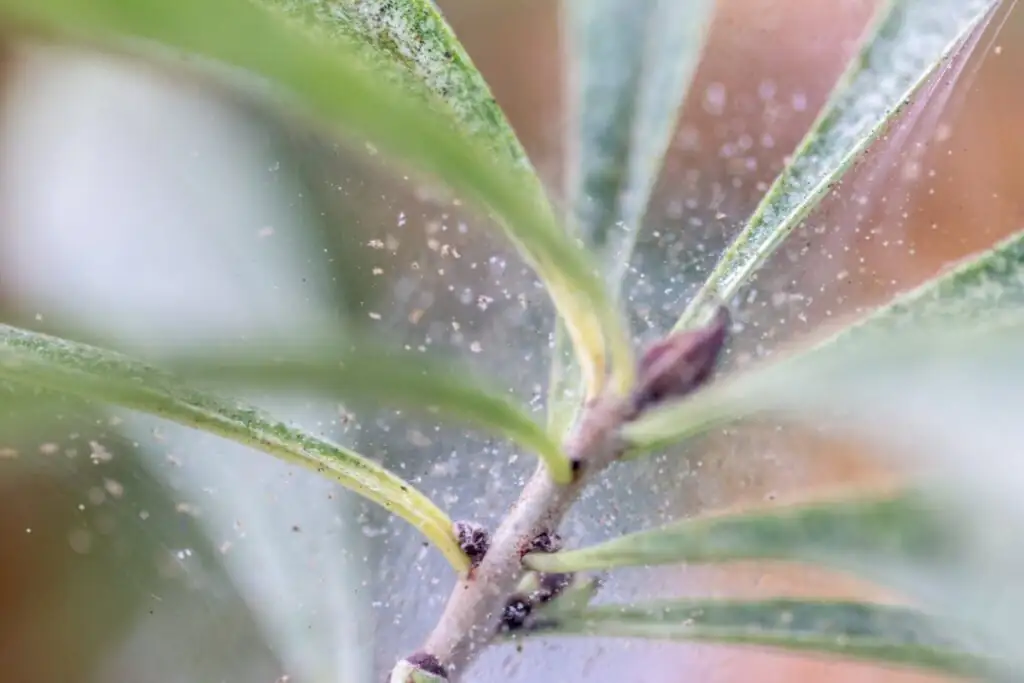
- Silky webbing in frond crooks; fine stippling and a dull, gray-bronze cast
- Worst in hot, dry rooms or near heaters
- Why they appear
- Low humidity and stagnant, warm air.
- Gentle treatment (stepwise)
1) Raise humidity to 50%+ with a humidifier or pebble tray and move away from heat vents.
2) Rinse the plant thoroughly, especially undersides.
3) Apply insecticidal soap or a miticide labeled safe for houseplants; full coverage is essential.
4) Repeat weekly for 3–4 weeks.
- Prevention
- Keep steady humidity and mild air movement. Group plants or place in bathrooms/kitchens with naturally higher humidity.
Note: Maintaining good humidity makes spider mites much less common on ferns.
—
Diseases in ferns: identify and respond quickly
Avoid chronically wet foliage, crowding, and soggy soil—those are the big three drivers of fern diseases indoors.
Leaf spot (fungal)
- What you’ll see
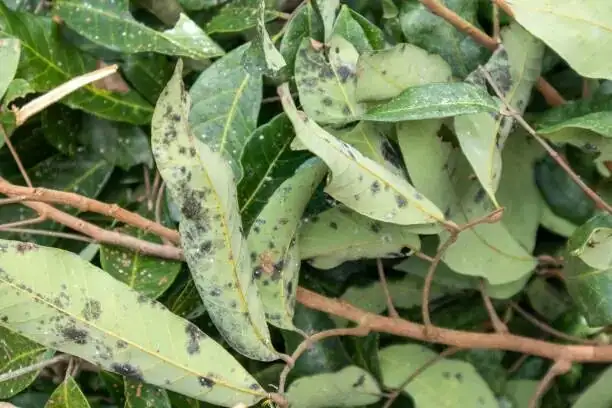
- Round to irregular brown/black spots, sometimes with yellow margins; can coalesce in humid, crowded settings.
- What to do
- Trim off affected fronds with clean scissors and discard.
- Water at soil level; avoid misting late in the day.
- Improve airflow and reduce crowding.
- If it continues to spread, use a houseplant-safe fungicide per label (e.g., copper-based), and repeat as directed.
Anthracnose (fungal)
- What you’ll see
- Irregular, dark lesions that may follow veins or cause tip dieback; thrives in warm, humid, low-airflow conditions.
- What to do
- Same sanitation and watering changes as leaf spot.
- Improve light (bright, indirect) and airflow.
- Consider a labeled fungicide if new lesions continue after you correct care.
Root rot (overwatering/poor drainage)
- What you’ll see
- Yellowing, wilting, and a pot that stays wet; roots/rhizomes brown and mushy with a sour smell.
- What to do (gentle rescue)
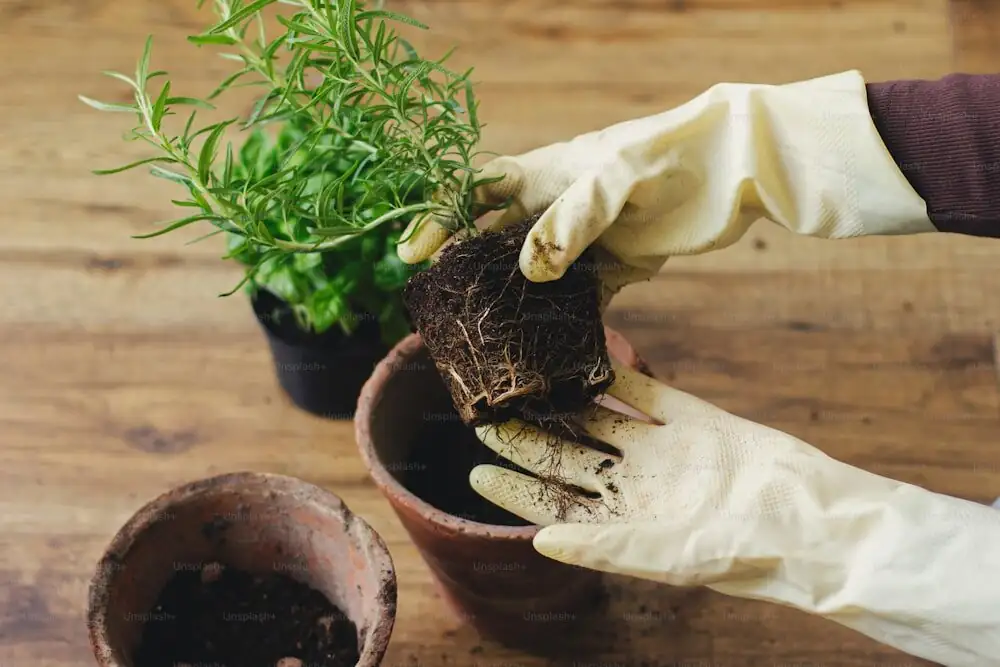
1) Unpot and rinse roots. Trim all brown, mushy tissue.
2) Repot in a shallow container with fresh, loose, organic-rich, slightly acidic, well-draining mix (e.g., peat or leaf mold + perlite/coarse sand; a bit of fine bark for aeration).
3) Water once to settle, then keep evenly moist—not soggy—in bright, indirect light and warm temps (60–80°F / 15–27°C).
4) Hold fertilizer until you see new growth.
- Prevention
- Water when the top 2–3 cm (about 1 in) feels slightly dry; never let the root ball bake to dust, but don’t let it sit in saucers of water.
- Ensure the pot has drainage and avoid oversize containers.
—
The fern-friendly habits that prevent problems
- Light
- Partial shade to bright, indirect light; shield from harsh midday sun that crisps frond tips.
- Temperature
- Keep comfortably warm (60–80°F / 15–27°C) and avoid cold drafts or sudden swings.
- Humidity
- Aim for 50%+ RH. Use a humidifier, pebble tray, or plant grouping. Maintain airflow so foliage doesn’t stay wet for hours.
- Watering
- Consistently moist, never soggy. Use room-temperature water; rainwater is excellent if available. Direct water to the soil surface rather than drenching fronds.
- Feeding
- Lightly, about monthly in spring/summer at half strength; skip in fall/winter. Overfeeding invites aphids and weak, sappy growth.
- Grooming and pruning
- Remove yellowed or damaged fronds at the base with clean tools; keep frond undersides dust-free.
- Quarantine and monitoring
- Isolate new plants for ~3 weeks. Inspect undersides of fronds weekly for bumps (scale), clusters (aphids), stippling/webbing (mites), or early spotting.
- Air circulation
- Gentle, not gusty. A small fan on low across the room helps deter fungal issues without desiccating fronds.
Safety note: Most commonly grown house ferns are non-toxic to people and pets. A few species (like bracken fern) can be harmful if eaten in quantity. Spores may mildly irritate very sensitive individuals—good ventilation helps.
—
When to escalate—and when to relax
- If after three weeks of consistent treatment you still see active pests or expanding lesions, step up to a labeled horticultural oil/fungicide and ensure you’re repeating on schedule.
- If root rot has consumed most roots or the crown is mushy, it’s often kinder (and safer for nearby plants) to discard and start fresh.
- If the plant looks rough but new fiddleheads are emerging, you’re winning—ferns rejuvenate steadily once conditions suit them.
—
A quick note on symbolism (and the “flower language” of a flowerless plant)
Ferns don’t bloom or set seeds—they reproduce by spores tucked into sori on the undersides of fronds—yet they’ve long carried meaning in the old language of flowers. Across cultures and centuries, ferns symbolize new life, resilience, protection, and even quiet mystery. Victorian “Pteridomania” turned ferns into icons of refinement and renewal, while European folklore’s mythical “fern flower” (which doesn’t exist) promised luck to the rare soul who found it on Midsummer’s Eve. In other words: your fern’s strength is subtle, enduring, and quietly protective—fitting for a plant lineage that’s thrived for more than 300 million years.
—
At-a-glance weekly health check
- Feel the soil: water when the top 2–3 cm (about 1 in) is slightly dry.
- Scan undersides: look for honeydew, bumps, stippling, or webbing.
- Spot-check fronds: remove any with fresh fungal spots; clean scissors before/after.
- Wipe and watch: dust off fronds; keep air gently moving and humidity steady.
- Adjust light: keep bright, indirect; rotate the pot for even growth.
Give your fern steady moisture, soft light, and generous humidity—and handle problems early with gentle hands. Those lacy fronds will repay you with fresh, green grace all year long.