When envisioning a garden that exudes tranquility and natural beauty, incorporating Nelumbo nucifera, commonly known as the lotus, can transform your space into a serene sanctuary. Revered for its stunning, fragrant blooms and cultural symbolism, the lotus offers more than just an aesthetic appeal—it’s a botanical marvel that thrives in aquatic landscapes. Let’s explore how you can seamlessly integrate this captivating plant into your garden, along with some ideal companions to create a harmonious pond habitat.
Designing with Lotus: Aesthetic Inspirations
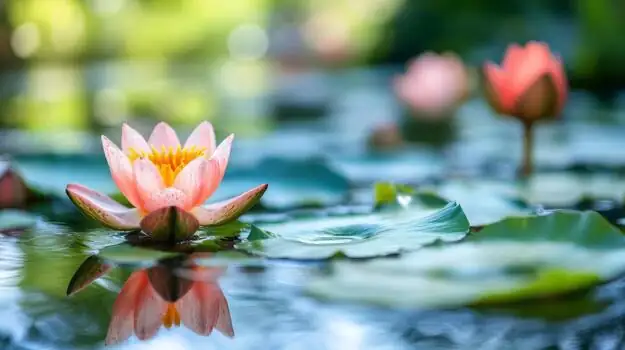
Lotus plants are not merely aquatic ornaments; they are the statement pieces of the water garden. Imagine a single lotus flower, its petals unfurling like a delicate origami masterpiece, reaching above the water’s surface. It’s a scene that evokes peace and contemplation, perfect for a meditation garden. With its large, circular leaves—emblematic of serenity and purity—the lotus provides a striking contrast to the water’s reflective surface, creating a dynamic visual feast.
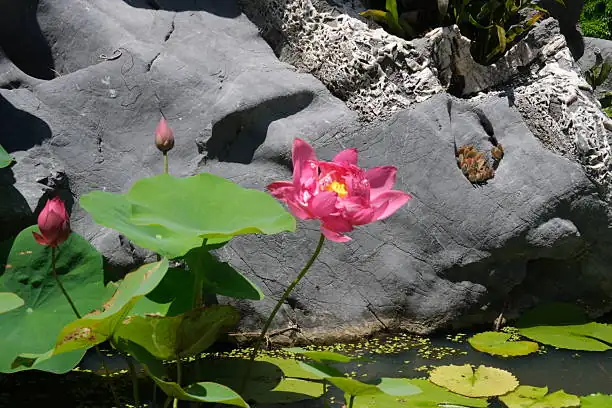
To maximize its impact, consider positioning the lotus in the center of a pond, where its towering blooms and leaves can command attention. The lotus thrives in full sunlight, needing at least 6-8 hours of direct exposure each day to flourish. This need for sunshine aligns perfectly with the open, sunlit spaces of a traditional garden pond.
Companion Planting: Enhancing the Lotus Landscape
When it comes to companion plants, the lotus pairs beautifully with other aquatic species that complement its grandeur without overshadowing it. Dwarf water lilies, with their smaller blooms and floating leaves, provide a lovely lower layer of interest in the pond. Water chestnuts or aquatic grasses can add texture and depth, while duckweed offers a subtle, green backdrop that enhances the lotus’s vibrant colors.
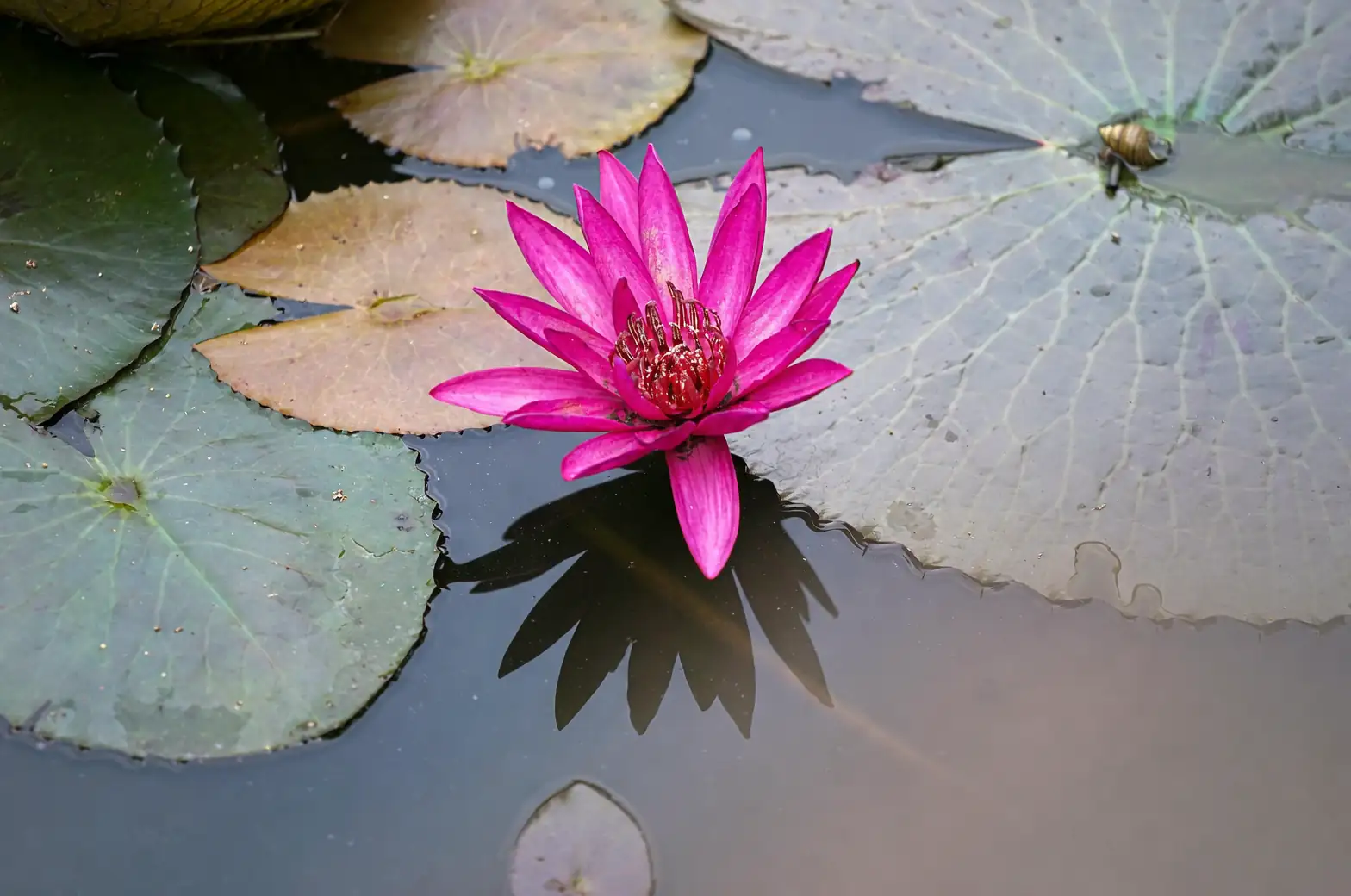
These companions not only enhance the visual appeal but also contribute to a balanced pond ecosystem. They help maintain water quality by absorbing nutrients, which can prevent algal blooms—keeping your lotus pond clear and inviting.
Creating Serene Pond Habitats
The lotus’s unique growth habit, with its roots anchored in muddy soil and leaves rising elegantly above the water, makes it an ideal candidate for both natural and artificial pond settings. When establishing a lotus habitat, ensure that the pond has a stable, calm water level. The plant prefers shallow to moderate depths—typically 15-45 cm (6-18 inches) of water above the soil for standard varieties, with shallow options available for dwarf species.
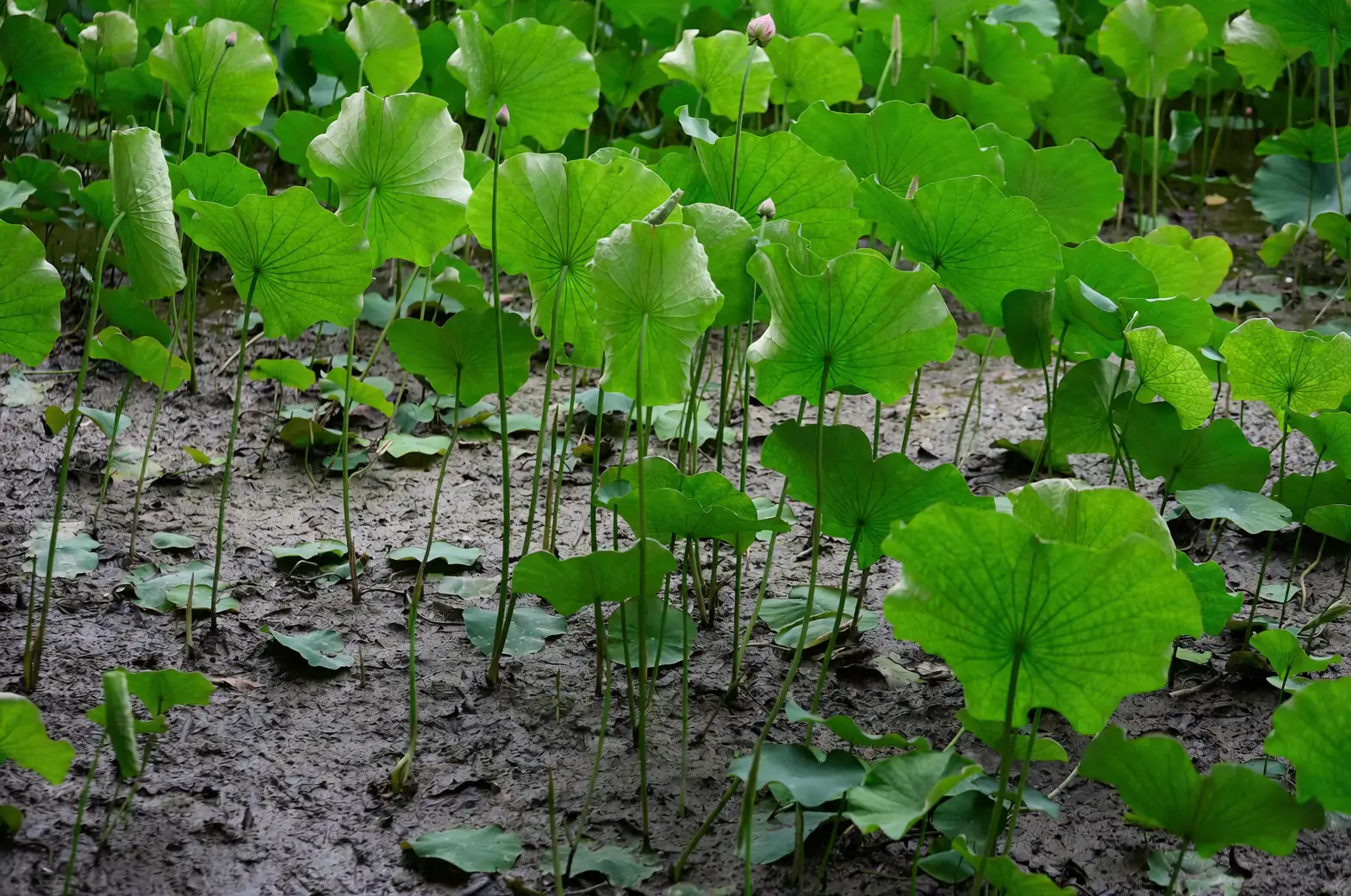
For those lacking a natural pond, a large patio tub or container can serve as a mini oasis. Choose a wide, stable container without drainage holes to accommodate the lotus’s rhizomes and maintain consistent water levels. Heavy, clay-rich soil is best for anchoring the plant, and it’s crucial to keep the water surface undisturbed by wind or turbulence, as this can damage the delicate leaves.
Lotus Care: Nurturing Your Aquatic Jewel
Caring for lotus involves a few key practices. Regular feeding with a phosphorus-leaning aquatic fertilizer during the growing season can enhance flowering. Pruning involves removing spent blooms and yellowed leaves to maintain the plant’s health and aesthetics, but avoid cutting stems below the waterline to preserve oxygen flow to the rhizomes.
As for overwintering, the lotus is hardy when rhizomes are protected from freezing. In colder climates, sinking the container deeper in the pond or storing it in a frost-free location can safeguard the plant through winter dormancy.
Embracing the Lotus’s Symbolism
Beyond its physical beauty, the lotus is steeped in cultural significance. It symbolizes purity and enlightenment, rising clean and beautiful from muddy waters—an analogy for spiritual awakening and resilience. This makes the lotus not just a plant, but a living testament to nature’s ability to inspire and uplift.
Incorporating Nelumbo nucifera into your garden landscape is an invitation to witness nature’s artistry in full bloom. Whether you’re creating a peaceful retreat or a vibrant focal point, the lotus, with its enchanting flowers and rich symbolism, promises to transform your garden into a haven of beauty and tranquility.