

Embrace the Charm of Common Mallow in Your Cottage Garden
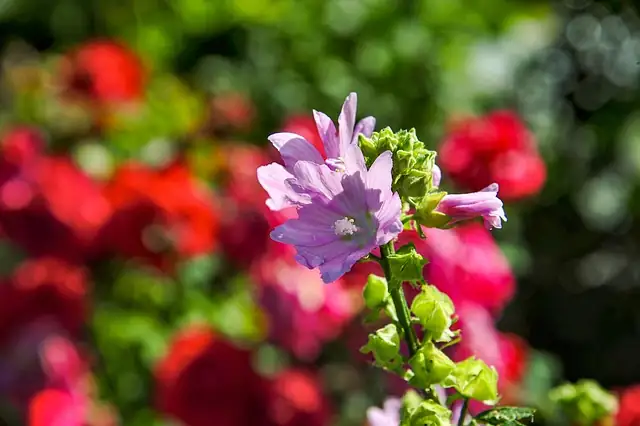
Imagine stepping into a garden that feels like a scene from a romantic novel—a riot of colors, textures, and scents that whisk you away from the mundane. At the heart of such a garden lies a hidden gem: the Common Mallow (Malva sylvestris). With its vibrant rose-purple blooms and easygoing nature, this enchanting plant is a cottage garden staple. Let’s explore how to use this versatile beauty to create a stunning garden retreat of your own.
The Aesthetic Allure of the Common Mallow
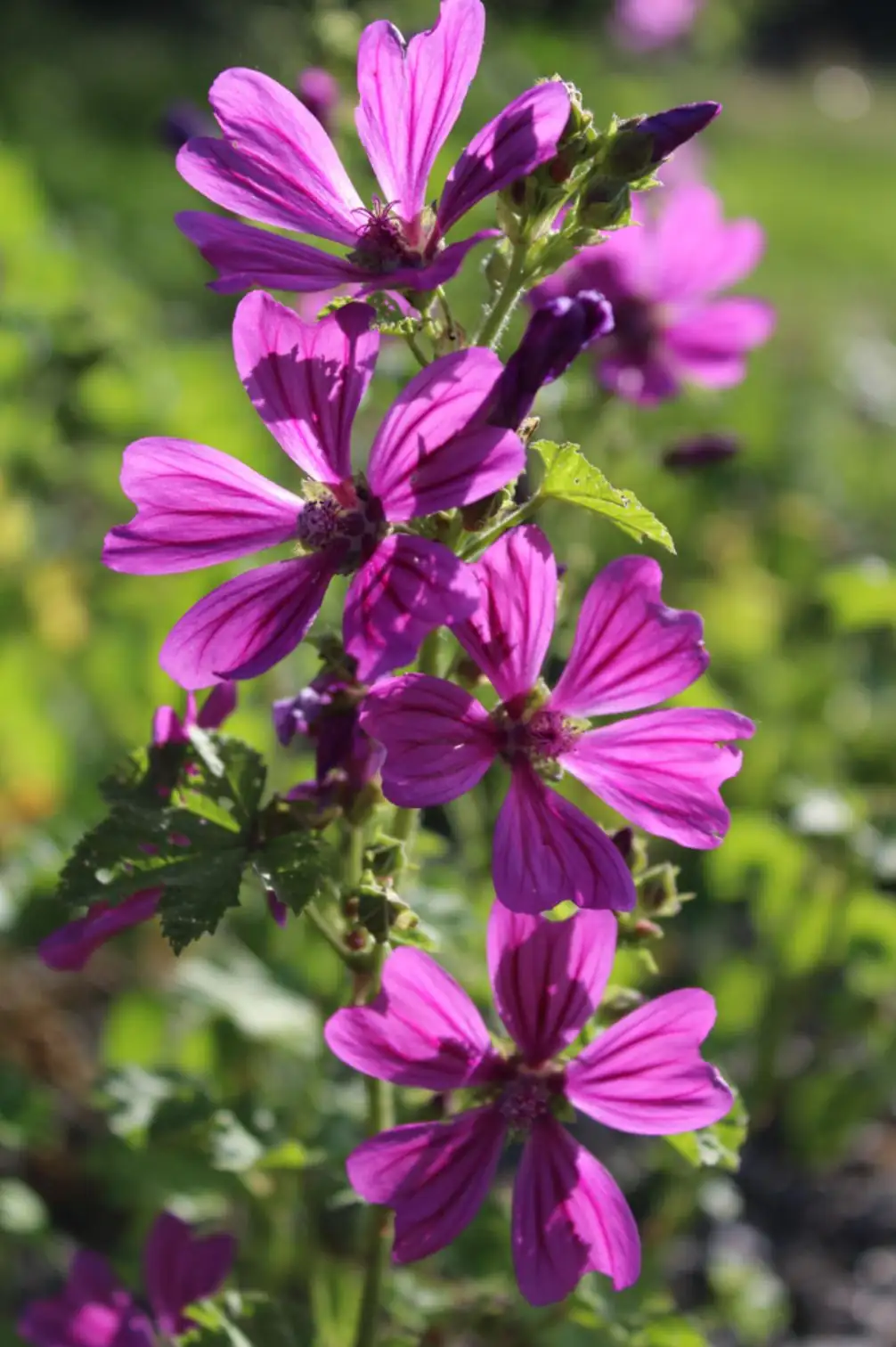
Common Mallow is no ordinary flower. Its silky, five-petaled blooms sport a dramatic burst of rose-purple hues, etched with darker veins that add depth and intrigue. These flowers, measuring about 5 cm across, appear in small clusters, dancing along the plant’s upright, bushy stems. Picture them swaying gently in the breeze, their lush, medium-green leaves providing a soft backdrop—a perfect picture of pastoral beauty.
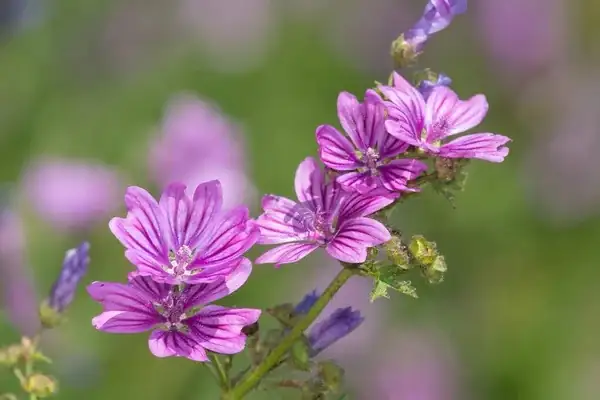
But the appeal of Common Mallow extends beyond its looks. It embodies the spirit of a true cottage garden plant: easy to grow, resilient, and self-sufficient. As a biennial or short-lived perennial, it joyfully self-seeds, ensuring its charming presence year after year, from late spring through autumn.
Pairing Mallow with Other Cottage Garden Favorites
Designing a garden is much like composing a symphony; each plant plays its part in creating a harmonious whole. Here’s how you can incorporate Common Mallow into your cottage garden:
- Mix with Meadow Cranesbill (Geranium pratense): The delicate, violet-blue flowers of Meadow Cranesbill complement the bold hues of Common Mallow, creating a delightful contrast.
- Blend with Sweet William (Dianthus barbatus): The sweet fragrance and vibrant colors of Sweet William add a nostalgic touch, enhancing the romantic feel of your garden.
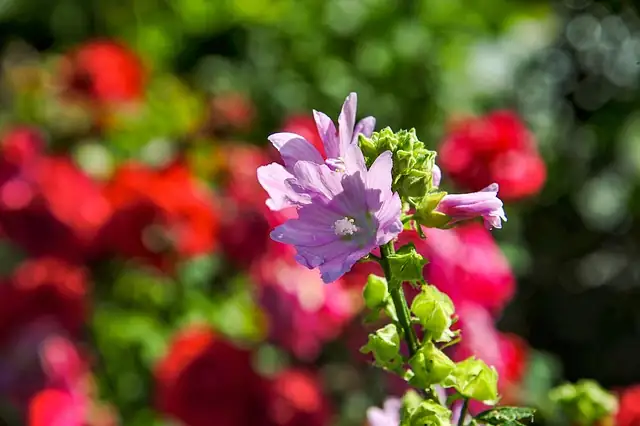
- Intersperse with Rambling Roses: Let the roses climb and weave through your Mallow plants, creating layers of color and texture. The soft pinks and whites of roses like ‘Dorothy Perkins’ can echo the subtle tones in the Mallow’s blooms.
- Add Helichrysum Petiolare (Licorice Plant): Its silver foliage provides a striking contrast to the rich greens of Mallow’s leaves, adding a touch of elegance.
Creating the Perfect Environment
To ensure your Common Mallow thrives, plant it in a spot that receives full sun or partial shade. Full sun will reward you with the richest colors and most prolific blooms. This plant is unfussy about soil, as long as it drains well. It’s cold hardy and drought-tolerant, making it ideal for a wide range of climates, particularly USDA Zones 3–8.
Caring for Your Common Mallow
Mallow is a gardener’s dream—easy to care for and mostly self-sufficient. Here’s a quick care guide to keep your plants flourishing:
- Watering: Keep the soil evenly moist when the plants are young. Once established, water deeply but less frequently, allowing the topsoil to dry out between waterings.
- Fertilization: A light feeding with a balanced, slow-release fertilizer in early spring is sufficient. Over-fertilizing can result in more leaves than flowers.
- Pruning: Deadhead spent blooms to encourage further flowering and reduce self-seeding if desired. Trim old stems in early spring to refresh growth.
- Pest Management: Mallow is generally pest-free but keep an eye out for Japanese beetles and hollyhock rust. Improve airflow and avoid overhead watering to prevent rust issues.
The Cultural and Historical Tapestry of Mallow
The Common Mallow is steeped in history and symbolism. In the language of flowers, it often represents love, protection, and healing. This symbolism traces back to ancient times when it was revered for its soothing properties. Used as a traditional remedy for ailments and as a famine food, Mallow was highly valued in medieval Europe and beyond. Its seeds, known as “cheese wheels,” add a whimsical touch to its storied past.
Conclusion
With its captivating blooms and carefree nature, Common Mallow is a must-have for any gardener aiming to create a dreamy, cottage-style landscape. Pair it with complementary plants, provide it with the right conditions, and let its timeless beauty transform your garden into a haven of tranquility and charm. Whether you’re a seasoned gardener or a novice, the Common Mallow offers a perfect blend of beauty, resilience, and historical richness that’s bound to enchant all who visit your garden.


