

An Exploration of Companion Planting with Sedum morganianum
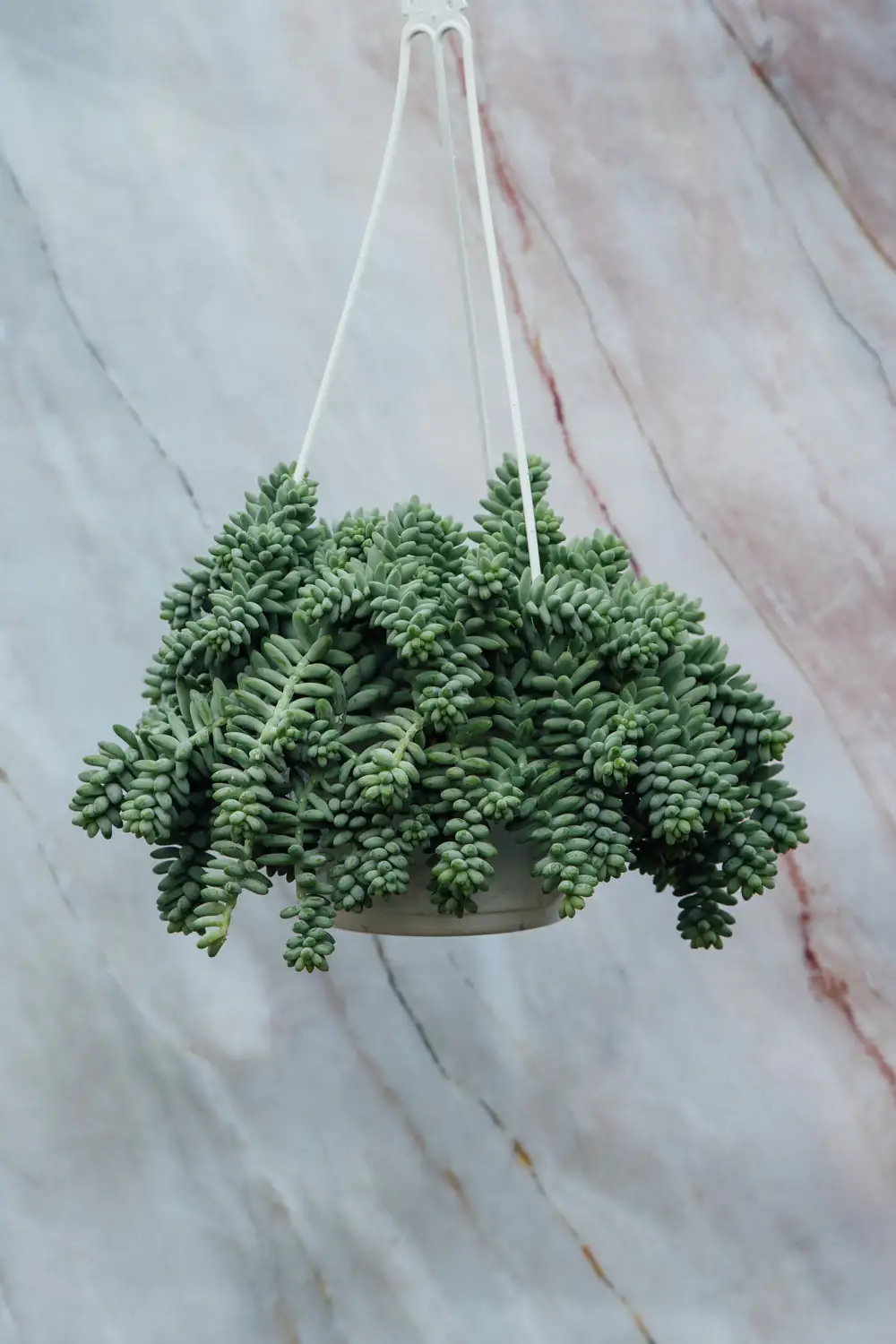
Imagine a verdant cascade of succulent pearls, each leaf a tiny jewel in a rope of green, trailing down from a pot like a living tapestry. This is the allure of Sedum morganianum, affectionately known as Burro’s Tail or Donkey’s Tail. Native to Mexico, this striking succulent is a beloved choice for anyone looking to add a touch of drama and texture to their plant collection. Yet, to truly appreciate the beauty of Burro’s Tail, it’s worth considering how it can be complemented by other plants through the art of companion planting.
Why Companion Planting?
Companion planting is like matchmaking in the plant world. The goal is to pair plants that enhance each other’s growth, aesthetics, and health. With Sedum morganianum, the right companions can elevate its natural beauty, creating a harmonious visual display and a thriving mini-ecosystem.
Characteristics of Sedum morganianum
Before diving into potential companions, let’s understand what makes Burro’s Tail tick:
- Light Needs: Thrives in bright light to full sun but needs protection from harsh midday rays, especially through glass.
- Watering: Prefers the ‘less is more’ approach, needing infrequent drinks once the soil dries out completely.
- Soil: Fast-draining soil is crucial to prevent rot, making a cactus or succulent mix ideal.
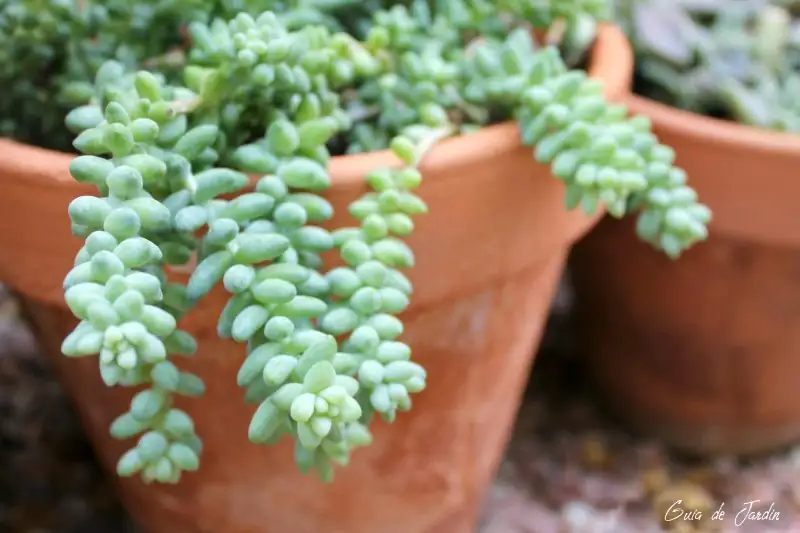
- Physical Traits: Trailing stems with densely packed, bead-like leaves that snap off easily when bumped.
Choosing the Right Companions
Given these traits, the best companions for Burro’s Tail are those that share similar care needs and can complement its cascading form without overshadowing it.
1. Echeveria
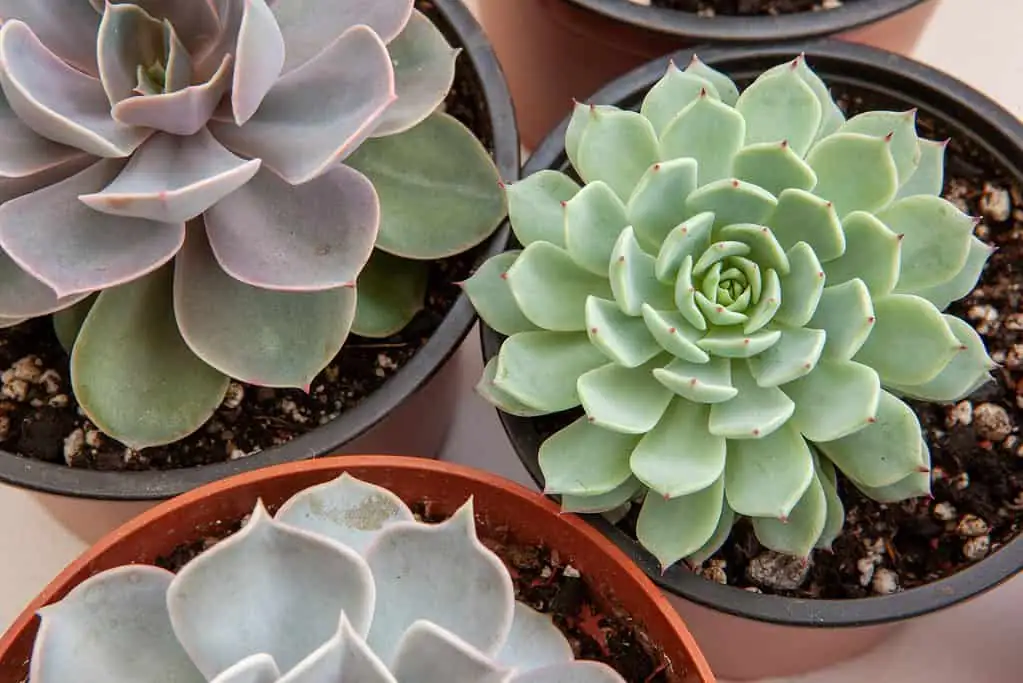
The rosette forms of Echeveria offer a delightful contrast to the trailing stems of Burro’s Tail. Their compact, symmetrical shapes can create a structured base from which the Sedum can spill over. Echeveria also thrives in similar light and soil conditions, making them perfect partners.
2. String of Pearls (Senecio rowleyanus)
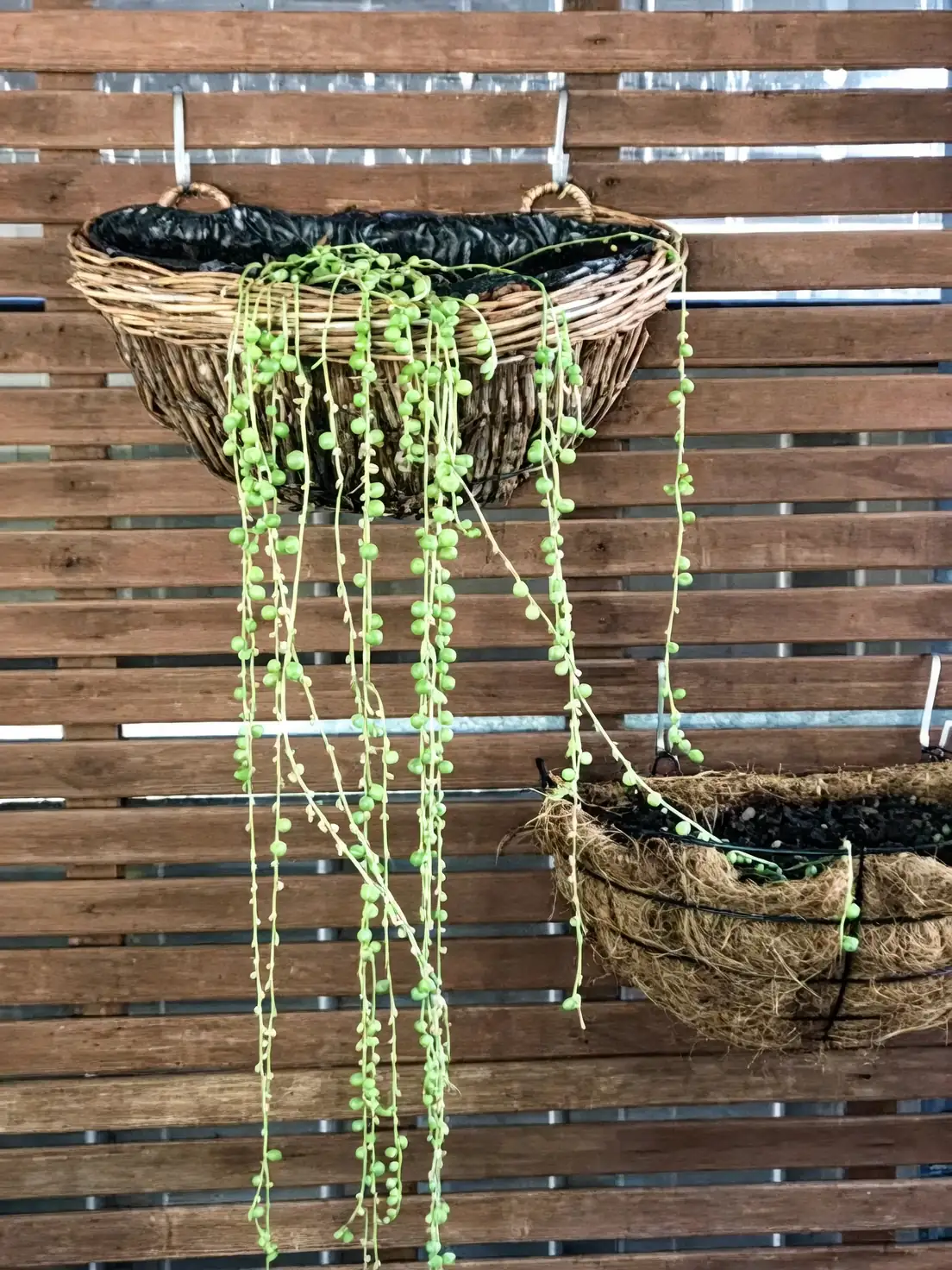
If you’re looking to double down on the trailing effect, String of Pearls is a fabulous choice. Its spherical leaves echo the beaded look of Burro’s Tail, and together they create a lush, cascading effect. Both plants enjoy similar sunlight and watering schedules, ensuring they live harmoniously.
3. Jade Plant (Crassula ovata)
For a robust companion, consider the Jade Plant. Its glossy, oval leaves provide a sturdy backdrop for the more delicate Burro’s Tail. The Jade Plant’s upright growth habit adds height and dimension, complementing the Sedum’s trailing nature.
4. Kalanchoe
With its vibrant, long-lasting blooms, Kalanchoe adds a splash of color against the green tapestry of Sedum morganianum. Its blooms can attract pollinators, bringing movement and life to your plant display. Plus, Kalanchoe’s drought tolerance and preference for bright light align well with Burro’s Tail.
Arranging Your Plant Display
When arranging these companions, consider varying heights and textures to create depth. Position Burro’s Tail in a hanging basket or on a high shelf to let its stems drape freely. Place Echeveria and Kalanchoe around its base in a shared container, or in nearby pots, to provide a colorful foundation. For a cascading effect, integrate String of Pearls alongside or beneath Burro’s Tail.
Final Thoughts
Companion planting with Sedum morganianum is not just about aesthetics; it’s about creating a balanced environment where each plant contributes to the others’ well-being. By selecting plants with similar needs and complementary forms, you can craft a living artwork that transforms any space into a lush, tranquil retreat.
So why not give your Burro’s Tail the companions it deserves? With a little planning and creativity, you can cultivate a dynamic plant display that showcases the unique beauty of each species, while enhancing the overall health and vibrancy of your indoor garden. Happy planting!


