

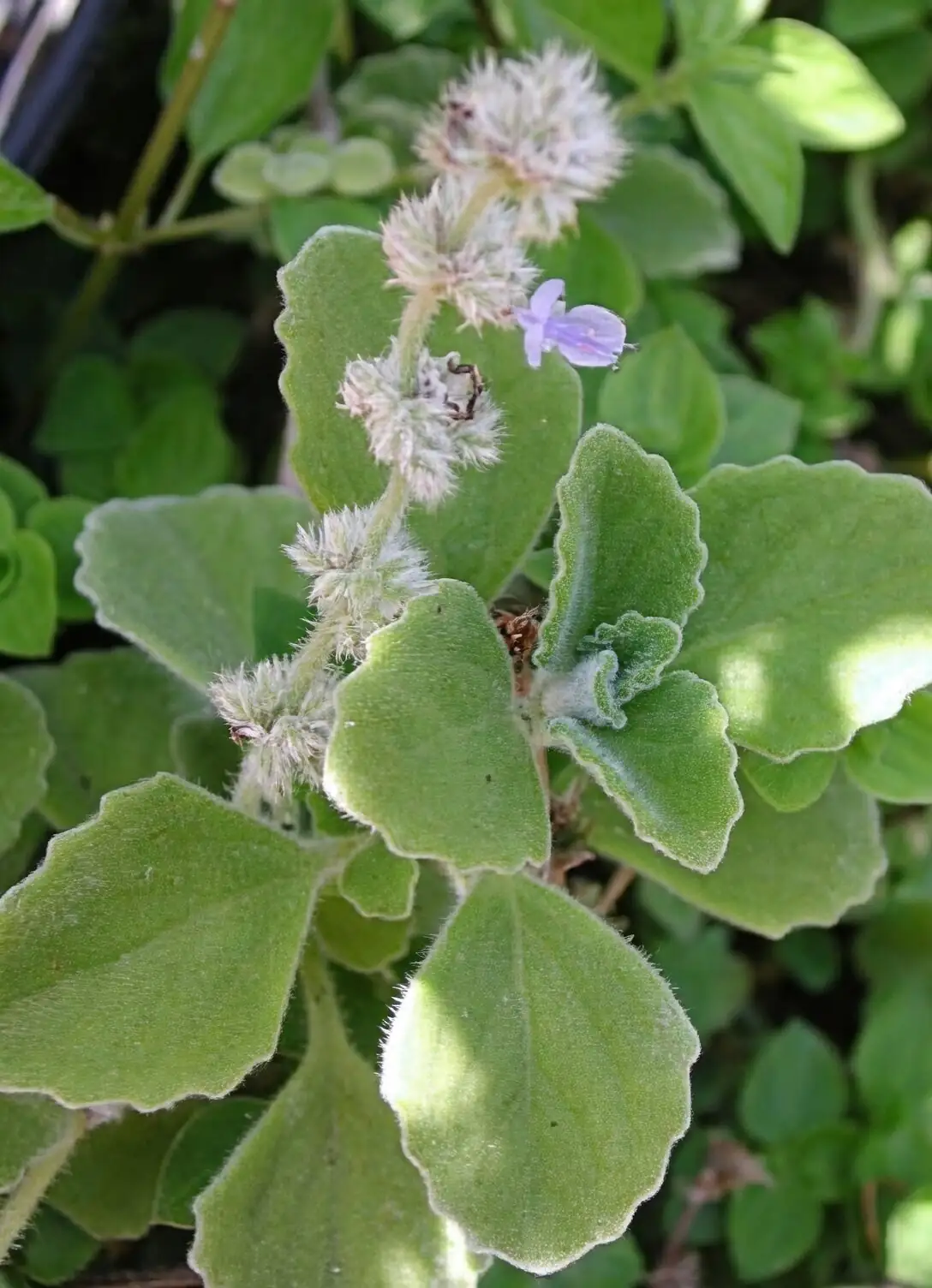
Imagine a small, velvety mound that invites you to brush it as you pass—releasing a cool, menthol-fresh whisper into the room. That’s the quiet magic of Plectranthus hadiensis var. tomentosus, widely known as Vicks Plant or Woolly Plectranthus. With thoughtful pot textures, strategic light, and a few well-chosen companions, you can turn an ordinary corner into a calm, fragrant retreat.
Meet the plant: soft, scented, and irresistibly touchable
- Family: Lamiaceae (the mint family)
- Origin: Southeastern Africa
- Look and feel: Fuzzy, gray‑green leaves that thicken in strong light; compact and naturally branching
- Size in pots: Typically 6–12 in (15–30 cm) tall and about as wide, mounding and slightly spilling over the rim with age
- Why it’s a design darling: The velvety, matte foliage reads like fabric—think mohair or brushed suede—so it pairs beautifully with matte ceramics, limewash walls, and natural woods. A gentle touch releases a clean menthol “Vicks” fragrance that makes the whole vignette feel fresh and composed.
The pot matters: textures and shapes that flatter
Think of the container as your plant’s tailored jacket—texture and cut change everything.
Best materials and finishes
- Unglazed terracotta or clay: Enhances the plant’s soft, chalky leaf color and quietly wicks moisture—great insurance against soggy soil.
- Matte ceramic or concrete: Sophisticated and calm; choose eggshell, putty, sand, stone, or soft charcoal.
- Ribbed or fluted finishes: Echo the fuzzy leaf texture and add gentle shadow play without stealing the spotlight.
- What to avoid: Heavy, glossy glazes in loud colors can compete with the plant’s subtle leaf tone and encourage overwatering if there’s no drainage.
Always use a pot with a generous drainage hole. Add low-profile pot feet or a stand to keep runoff from pooling in saucers.
Size and silhouette
- For a lush, single-container mound: Choose a 6–8 in (15–20 cm) wide pot.
- Low, wide bowls or squat cylinders: Perfect for showcasing its mounding habit and the slight spill over the rim.
Top-dressing for polish
- Pale pumice, pea gravel, or crushed shell chips keep fuzz away from damp soil, tidy the surface, and amplify the plant’s silvery tones.
Grow a lush mound: plant 3–5 together
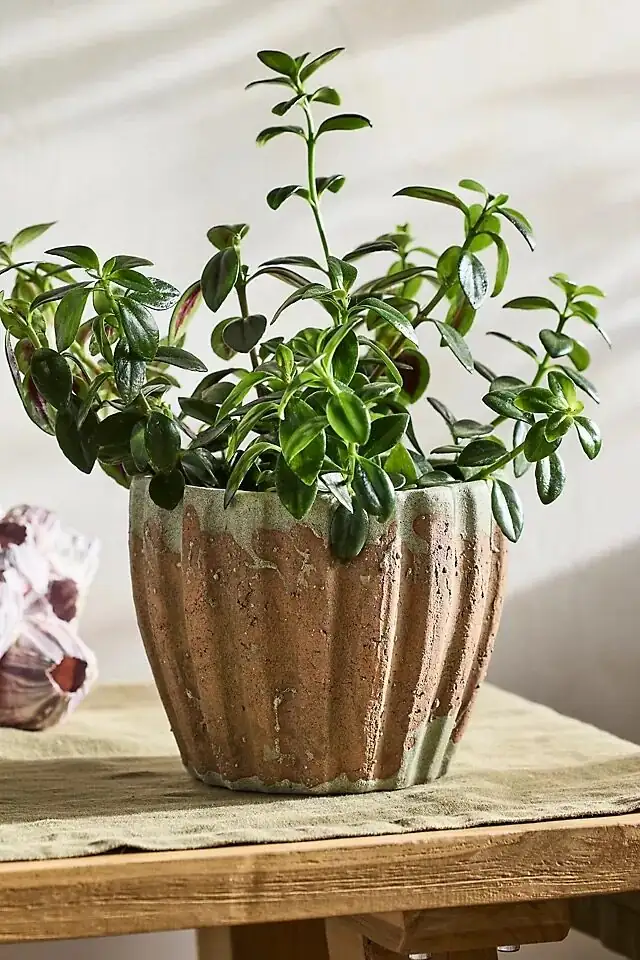
For maximum fullness, plant three (up to five) young Vicks Plants in one 6–8 in pot. They’ll knit into a plush, dome-like cushion within weeks.
- Pinch for density:
- At 3–4 in (8–10 cm) tall, pinch tips to nudge branching.
- Top young cuttings again at 5–6 in (12–15 cm) to keep the dome even.
- Refresh yearly in spring: Repot into a fertile, fast-draining mix with added perlite/pumice/coarse sand.
Shortcut: multiply fast with cuttings
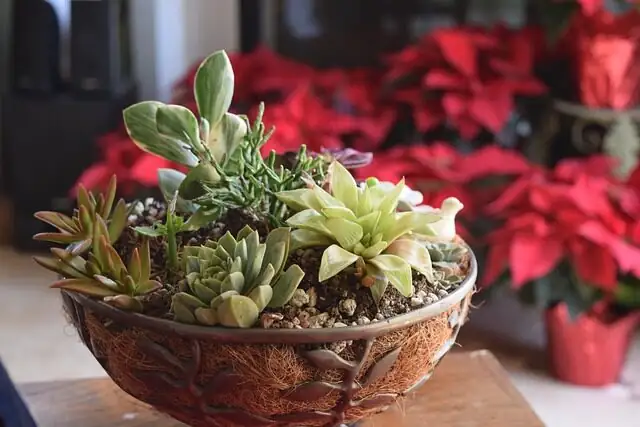
- Take 4 in (10 cm) soft tip cuttings and root in a light, peat/coco-based medium. In warm, bright conditions, roots often appear in 4–5 days; pot up in about a week.
- Fill gaps: Stagger new cuttings into bare spots to maintain that perfect mound.
Light it like a stylist
Woolly Plectranthus loves bright conditions and tolerates partial shade—but it truly shines with strong, gentle light.
Placement that flatters and protects
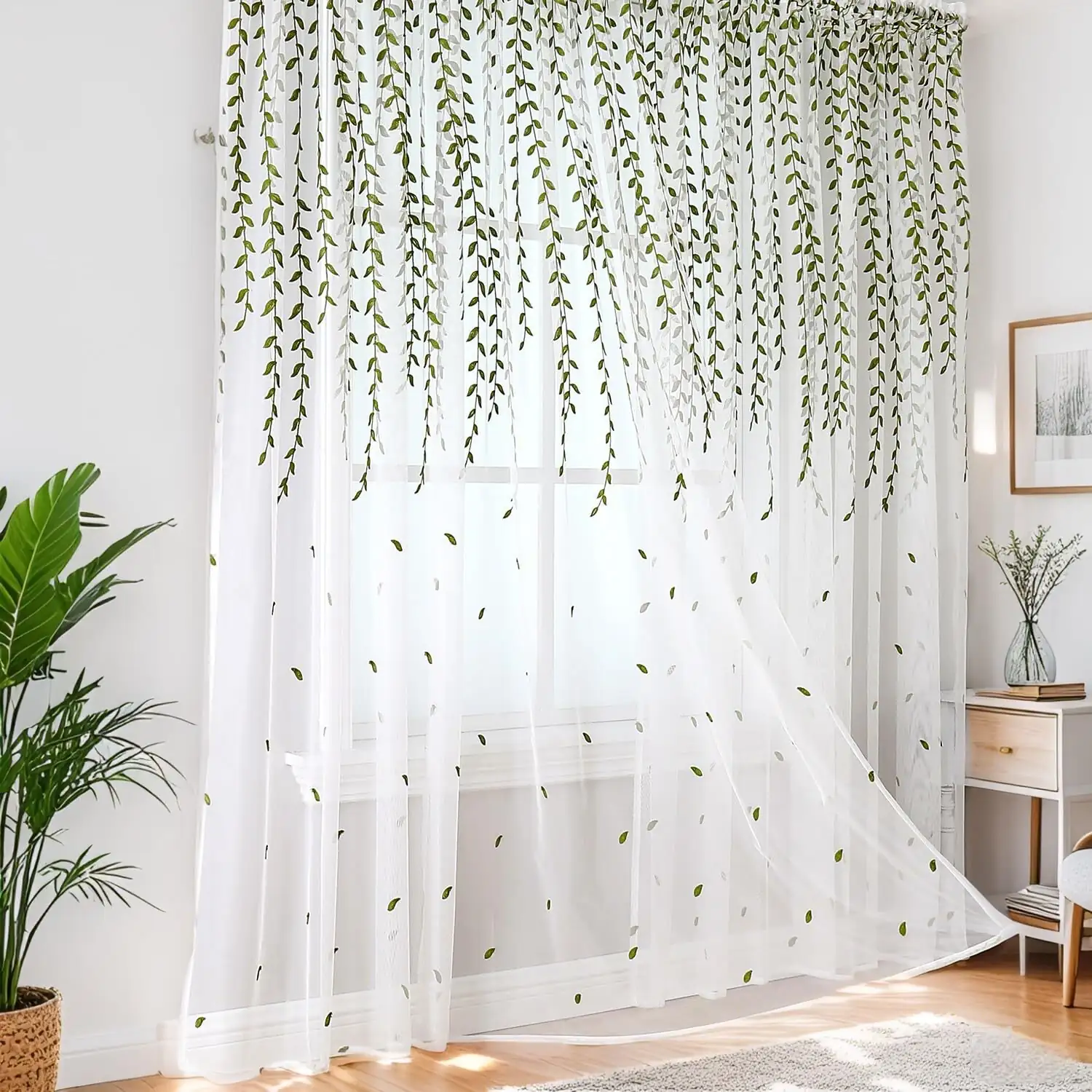
- Ideal: A bright east window, or south/southwest light softened by a sheer curtain.
- Avoid: Harsh midday sun magnified through glass (it can scorch the fuzzy leaves).
- Distance matters: 1–3 feet (30–90 cm) from the glass usually balances brightness with protection.
- Rotate weekly: A quarter-turn keeps the mound symmetrical and prevents leaning.
- Winter note: Keep it above 50°F (10°C) and away from cold drafts or icy panes.
Create a calm, fragrant corner
Layer textures, keep the palette quiet, and let the Vicks Plant be the sensorial anchor.
Palette and materials
- Colors: Chalk, stone, mushroom, oat, sage, and soft charcoal.
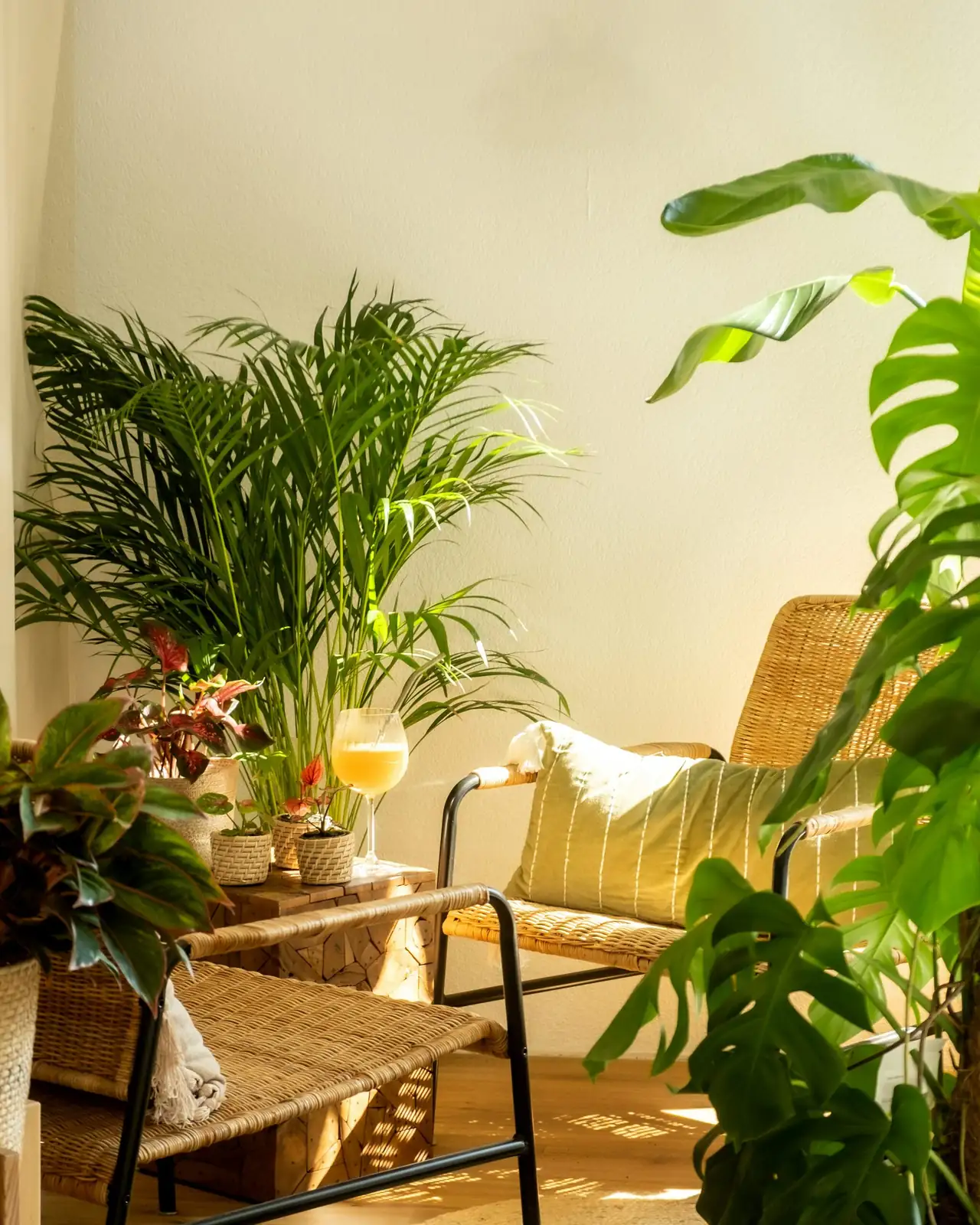
- Textures: Linen curtains, limewashed walls, brushed wood, matte ceramic, and knitted throws—everything soft and tactile to echo those velvety leaves.
Height play and odd-number magic
- Arrange in odd numbers: A trio looks relaxed and natural.
- Use levels: Pedestals, stacks of books, or a low stool create a gentle rise—mounding Vicks Plant at mid-height, a taller upright partner behind, and a trailing accent to one side.
Foolproof foliage pairings
Keep companions in their own pots so each plant gets the watering it prefers—then group them for a cohesive look.
Serene, soft-textured set (bright, indirect light)
- Vicks Plant (mounding, velvety gray‑green)
- Peperomia incana (felted leaves, round silhouettes; moderate watering)
- Tradescantia sillamontana (silvery, fuzzy leaves; enjoys bright light)
- Ceropegia woodii, String of Hearts (fine trailing threads for contrast; likes to dry slightly between waterings)
Modern, sculptural set (a touch more structure)
- Vicks Plant (mid-height anchor)
- Dracaena trifasciata, Snake Plant (upright “spires” in a slim, matte pot; low-maintenance)
- Pilea glauca (tiny, blue-gray cascades softening edges)
Seasonal flourish
- Plectranthus ‘Mona Lavender’ (a relative that adds purple flower spikes; keep in similar light; water moderately)
Bonus: The Vicks Plant’s fresh menthol aroma is popularly believed to help deter insects—handy near a door or reading chair where gentle brushing releases fragrance.
Care, styled for success
- Light: Bright with soft direct sun; tolerates partial shade; protect from scorching midday rays.
- Watering rhythm: Let the top of the mix dry, then water thoroughly until it drains. Empty the saucer. Avoid frequent sips and avoid wetting the leaves.
- If you find dry pockets and sudden droop, soak the whole pot to rehydrate evenly, then drain completely. In active growth, this full soak can be helpful 1–2 times per month if needed.
- Soil: Fertile, fast-draining mix with added perlite/pumice/coarse sand. Avoid heavy, waterlogged blends.
- Feeding: About monthly from April–October with a balanced liquid fertilizer; ease off in winter.
- Humidity and airflow: Average room humidity is fine; keep air moving and avoid persistently damp leaves.
- Temperature: Best at 50–77°F (10–25°C); protect from cold drafts and frost.
- Pruning: Regular pinching keeps the mound plush; remove yellowing leaves near the base.
Common pitfalls (and quick fixes)
- Soggy soil, collapsing stems: Improve drainage, let the surface dry between waterings, use a lighter mix, and empty saucers promptly.
- Thin, flat leaves and leggy growth: It needs more light—move closer to a bright window with a sheer.
- Winter sulks: Keep it warm and bright; water sparingly and never let it sit cold and wet.
- Pests: Generally resilient, but stressed plants can get mealybugs, aphids, or spider mites. Increase airflow and treat early.
A quick styling recipe for a “quiet corner”
- Container: 8 in low, matte, ribbed ceramic bowl with a drainage hole; pale pumice top-dress.
- Planting: Three young Vicks Plants, pinched after planting.
- Placement: East-facing window with a linen sheer; plant set on a low oak stool with a catch tray.
- Companions: A tall, slim snake plant in matte charcoal behind; a String of Hearts draping from a nearby shelf—group the three in a loose triangle.
- Finishing touch: Add a linen throw and a small reading lamp with a warm bulb; brush the Vicks leaves lightly before you sit down and enjoy the minty calm.
Symbolism and scent culture
In everyday plant culture, the Vicks Plant is linked with freshness, comfort, and an easygoing kind of good fortune—a “clean slate” feeling each time you brush the leaves and release that cool menthol fragrance. While not a traditional flower-language plant in the formal Victorian sense, its modern symbolism flows from how we experience it: a tidy, harmonious home that engages the senses without shouting. Think of it as a living exhale.
Safety note
Toxicity isn’t well documented. Treat it as a non-food ornamental: discourage chewing and keep it out of reach of pets and children. The aromatic oils may irritate sensitive skin or cause mild stomach upset if ingested.
—
Design it with touchable textures, light it like a portrait, and mound it like a soft hill—your Plectranthus hadiensis var. tomentosus will repay you with form, fragrance, and a corner that feels effortlessly serene.