

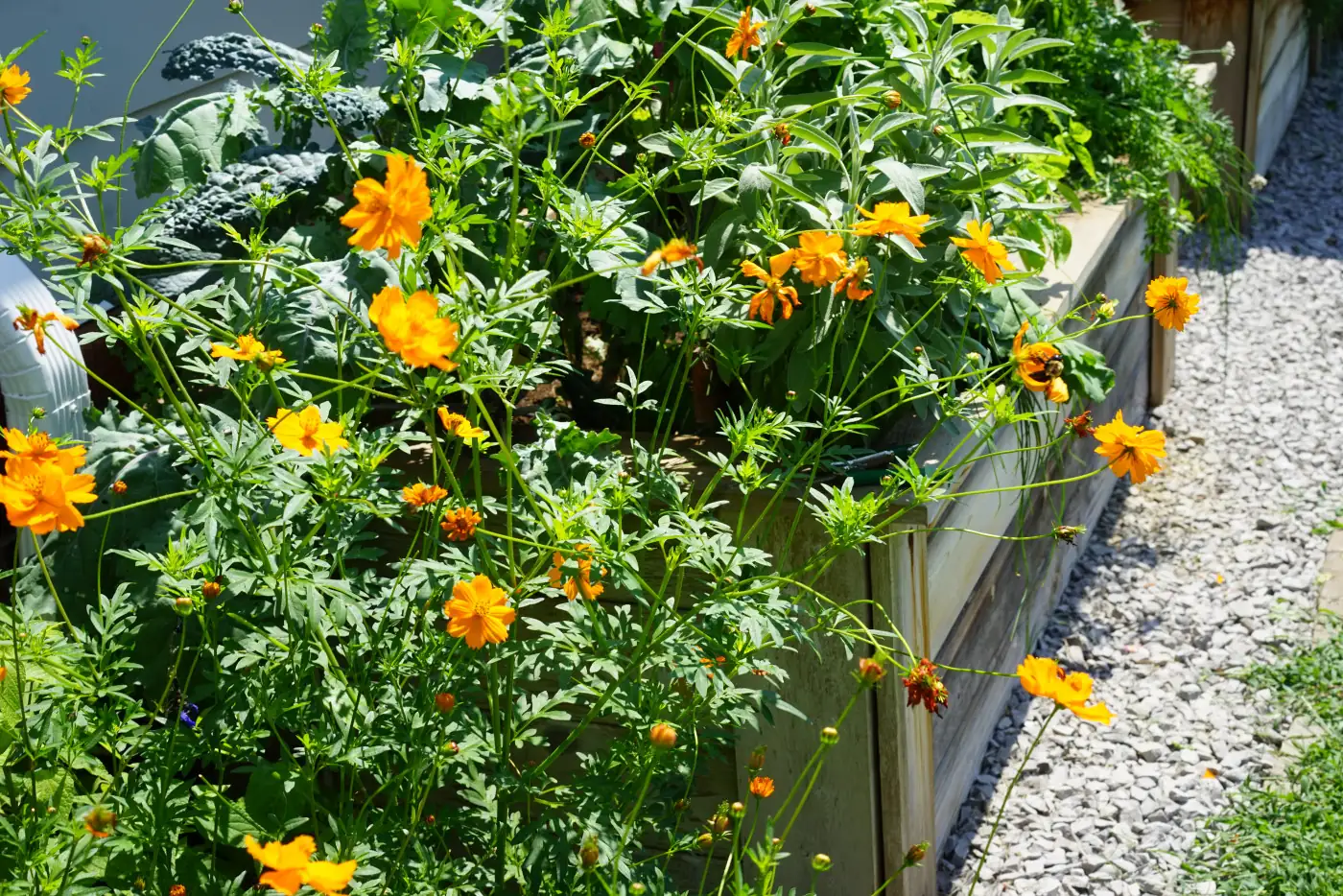
Cosmos bipinnatus Cav., commonly known as Garden Cosmos or Mexican Aster, is a beloved staple in gardens worldwide. With its delicate fern-like foliage and cheerful, daisy-like blooms, it offers not just aesthetic appeal but also ecological benefits. Whether you’re creating a cottage garden, a wildflower meadow, or a vibrant border, pairing cosmos with the right companions can elevate your garden’s beauty and functionality. But which plants make the best partners for these enchanting flowers? Let’s dive into the world of companion planting with cosmos and discover the magic of perfect pairings.
Why Companion Planting with Cosmos?
Companion planting is more than just a way to fill gaps in your garden beds—it’s a strategy that can enhance plant health, boost biodiversity, and even improve pest management. Cosmos are particularly valued for attracting pollinators like bees and butterflies. But these delicate beauties also have a hidden superpower: they can serve as a decoy for aphids, drawing them away from more vulnerable plants.
Perfect Companions for Cosmos
1. Marigolds (Tagetes spp.)
Marigolds and cosmos are the dynamic duo of the garden world. Their vibrant colors complement cosmos blooms beautifully, and marigolds are known for their pest-repelling properties. They help protect cosmos from nematodes and aphids, ensuring a thriving and vibrant garden.
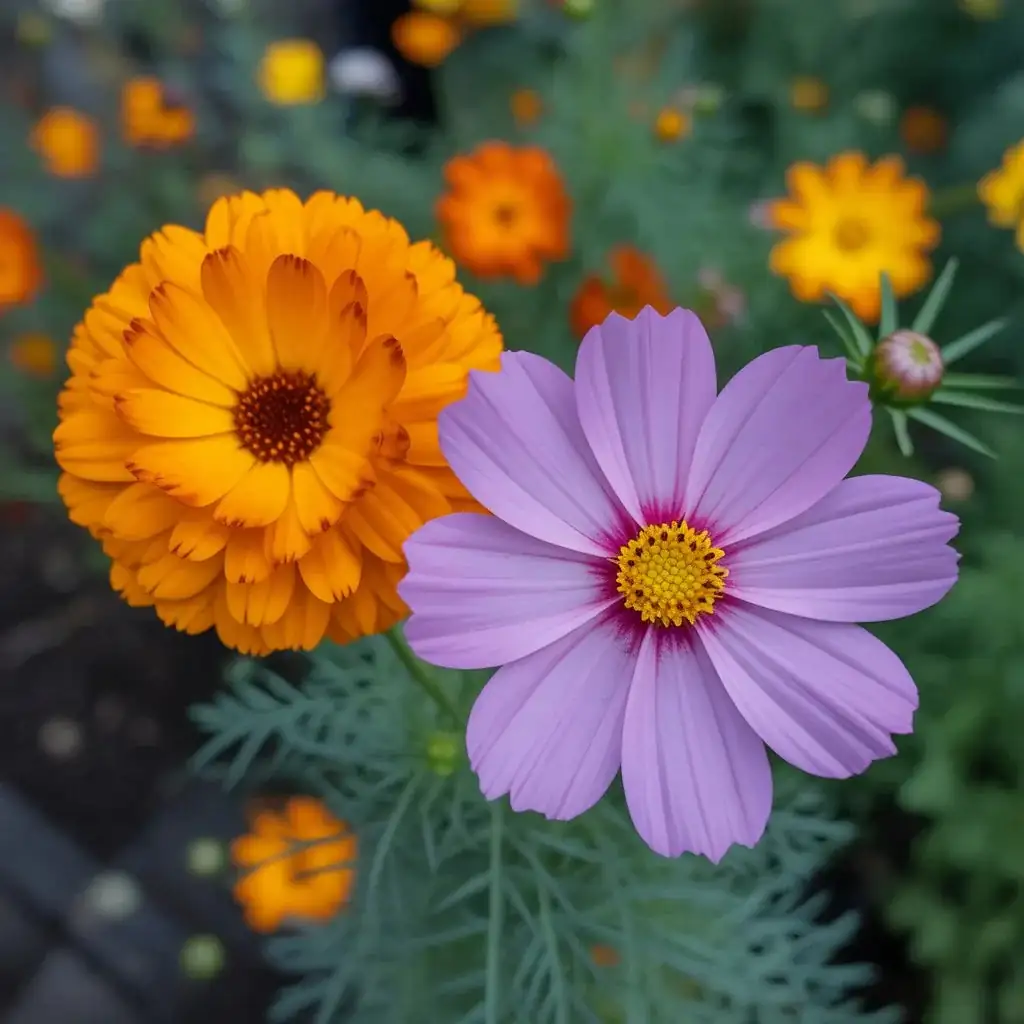
2. Zinnias (Zinnia elegans)
Zinnias share similar growing conditions with cosmos, thriving in full sun and well-drained soil. Their bright, bold colors add a spectacular contrast to cosmos, and they attract pollinators, enhancing the biodiversity of your garden.
3. Basil (Ocimum basilicum)
Not just a culinary delight, basil can help deter pests like flies and mosquitoes. Its aromatic leaves make it an excellent companion for cosmos, offering protection while also providing fresh flavors for your kitchen.

4. Nasturtiums (Tropaeolum majus)
Nasturtiums are a gardener’s secret weapon. They attract beneficial insects that prey on common garden pests, offering natural pest control. Plus, their edible flowers can add a peppery punch to your dishes.
5. Sunflowers (Helianthus annuus)
Sunflowers not only provide a stunning backdrop for cosmos with their towering height but also play a crucial role in attracting pollinators. Their sunny faces bring joy and support a healthy garden ecosystem.

Plants to Approach with Caution
While cosmos are generally easy-going, some plants can hinder their growth:
- Heavy Feeders: Plants like corn and large tomatoes can compete for nutrients, potentially stunting the growth of your cosmos.
- Pest Magnets: Be cautious of plants that attract pests which could spill over to your cosmos.
The Language of Cosmos
The name “cosmos” stems from the Greek word “kosmos,” meaning an ordered, harmonious world. This reflects the flower’s neat symmetry and the sense of joy and balance it brings to a garden. In the language of flowers, cosmos symbolize harmony and peace, with different colors carrying unique meanings—white for purity, pink for romance, and deep reds for passionate affection.
Cultivating Cosmos Joy
Cosmos bipinnatus is a warm-season, heat-tolerant annual, capable of thriving in poor soils and requiring minimal maintenance once established. They are not just a feast for the eyes but a delight for pollinators, making them indispensable in sustainable gardening.
By pairing cosmos with the right companions, you’re not only creating a visually stunning garden but also fostering a vibrant ecosystem. So, grab your gardening gloves and let cosmos lead you into a world of harmony, joy, and endless blooms. Who knew that such simple flowers could bring so much to the garden table?


