Discovering the Delightful Cornflower: More Than Just a Pretty Bloom
When wandering through the pastel-hued landscapes of a cottage garden, you might spot a flower that seems to channel the sky’s purest shade of blue—a hue so iconic it has its own name: cornflower blue. This captivating bloom belongs to the Centaurea cyanus, affectionately known as the cornflower or bachelor’s button. But these vibrant blossoms are much more than just eye candy. Join us as we explore the cornflower’s lesser-known quirks, fascinating history, and the surprising roles it has played in gardens and beyond.
The Splendor of Cornflower Blue
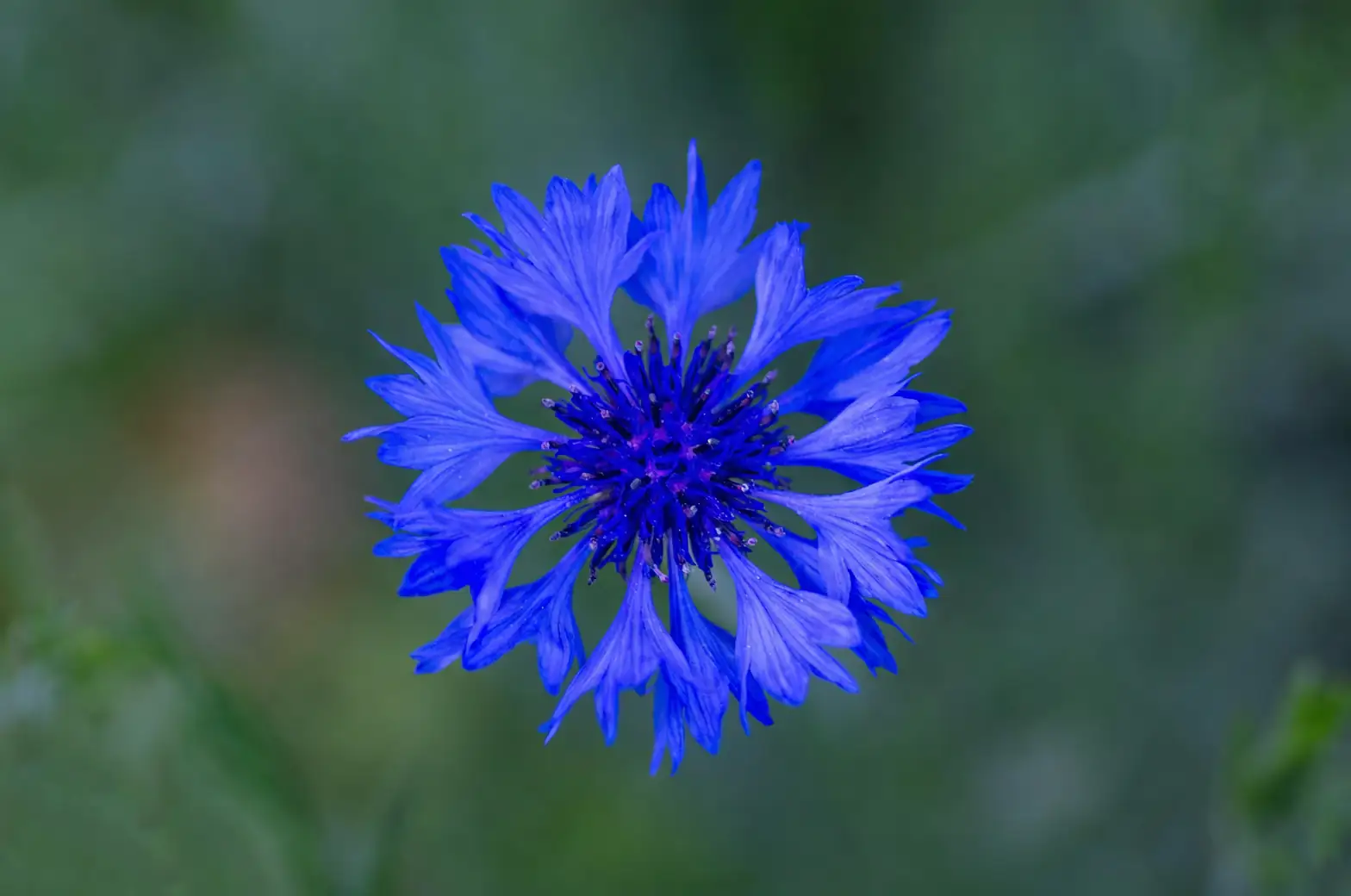
Did you know that the term “cornflower blue” is derived from this very plant? The intense blue of its blooms is not just a visual treat but a reflection of nature’s artistry. The color comes from a pigment called protocyanin, which, interestingly, appears red in roses. It’s as if the cornflower has taken a page from the sky’s playbook, capturing a piece of the heavens in its petals.
A Rich Tapestry of History and Symbolism
The cornflower’s story stretches back to European fields of grain where it was once as common as the crops themselves. In fact, its name is a nod to its tendency to pop up in cornfields across the continent. In Victorian times, young men would sport cornflowers in their buttonholes, a tradition that gave rise to the nickname “Bachelor’s Button.” If the bloom wilted too soon, it was a sign that their love was unreturned. Talk about floral fortune-telling!
Symbolically, cornflowers have been associated with love, hope, and delicacy. In folklore, they were believed to offer protection and healing, perhaps because of their vibrant, resilient nature. These associations have cemented the cornflower as a plant with both aesthetic and emotional appeal.
The Cornflower’s Versatile Uses
While its beauty is undeniable, the cornflower’s uses extend beyond ornamental. Gardeners cherish it for its ease of cultivation and ability to attract pollinators like bees and butterflies. The petals, which are edible, often find their way into salads and desserts, adding both color and a mild, cucumber-like flavor. Historically, cornflowers have been used in herbal remedies for their mild anti-inflammatory properties.
Growing Cornflowers: A Gardener’s Delight
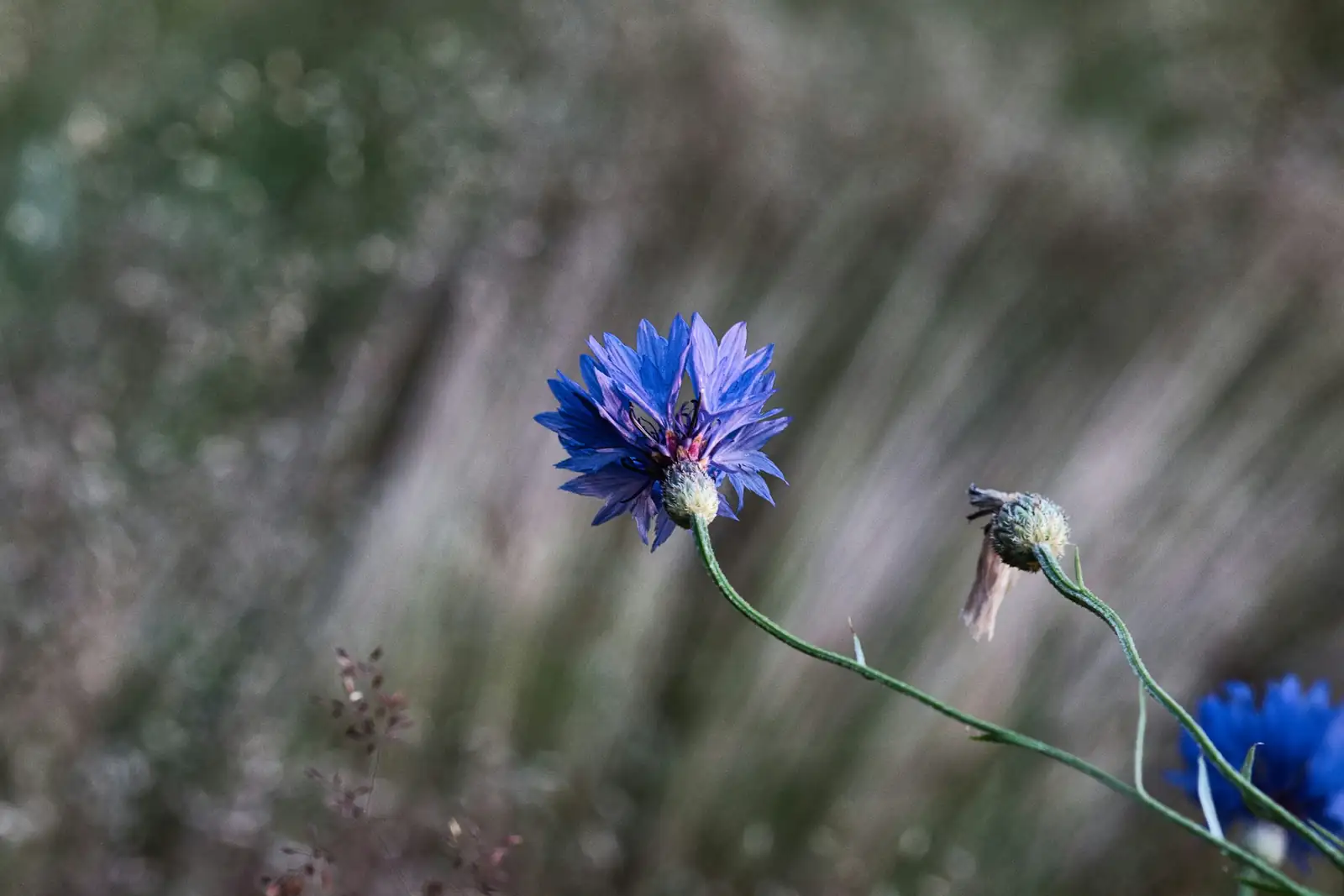
Cornflowers are a gardener’s dream, especially for those who love a low-maintenance plant that rewards with a profusion of blooms. Here’s a quick guide to growing them:
- Sunlight: They thrive in full sun but can benefit from some afternoon shade in hotter climates.
- Soil: Well-drained, slightly alkaline soils yield the best blooms, though they are quite forgiving and can handle poorer soils.
- Watering: Provide about an inch of water per week during active growth, letting the top soil dry between watering sessions.
- Care: Deadhead regularly to extend the flowering season. In warmer areas, sowing in the fall can lead to more robust plants the following spring.
Fun Cornflower Facts
- Cornflowers are annuals but often self-seed, meaning they might surprise you with a return appearance each year.
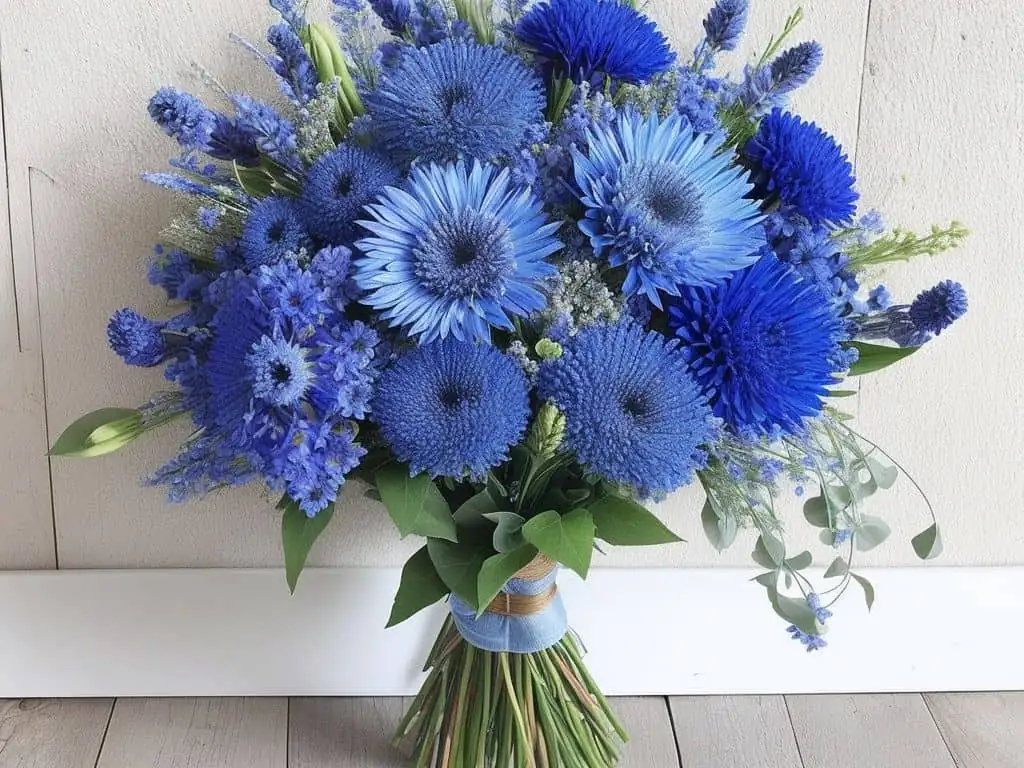
- They can last up to two weeks in a vase if cut at the right stage, making them perfect for long-lasting bouquets.
- Despite their delicate appearance, cornflowers are surprisingly hardy and can tolerate light frost, making them a versatile choice for various climates.
Embrace the Cornflower in Your Garden
Whether you’re drawn to its legendary blue flowers, its historical charm, or its garden-friendly nature, the cornflower is a plant that brings joy and symbolism to any space it graces. So why not plant some seeds and watch as these delightful blooms weave their magic into your garden tapestry? Whether standing alone or mingling with other cottage garden favorites, cornflowers are sure to captivate and inspire, season after season.