Cultivating the Enchanting Cornflower: A Gardener’s Guide to Growing Centaurea cyanus
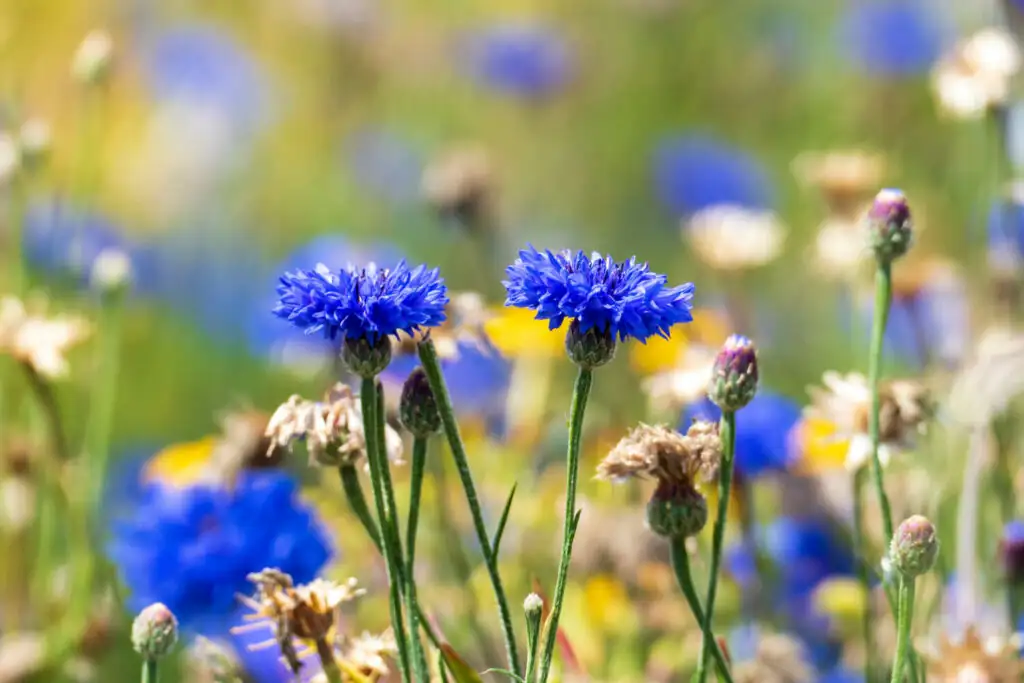
If you’re dreaming of a garden adorned with captivating blue blooms, look no further than the charming cornflower, scientifically known as Centaurea cyanus. This hardy annual, also affectionately called “Bachelor’s Button,” is a beloved addition to any garden, offering not only stunning visuals but also a habitat for pollinators. Here, we’ll explore how to grow cornflowers from seed, ensuring a vibrant display in your garden, whether you’re in a cool northern climate or basking in a warm southern sun.
Understanding Cornflower Characteristics
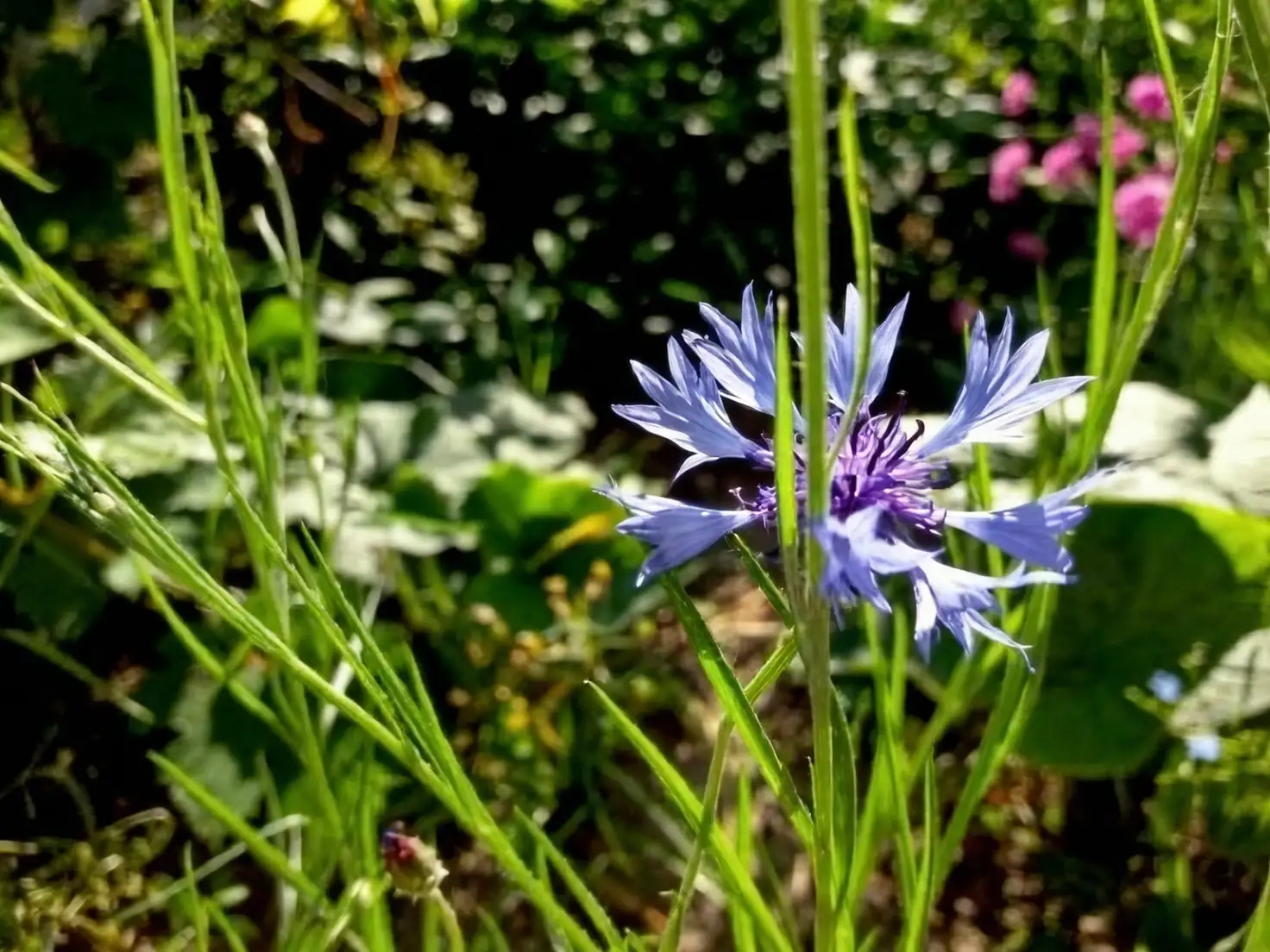
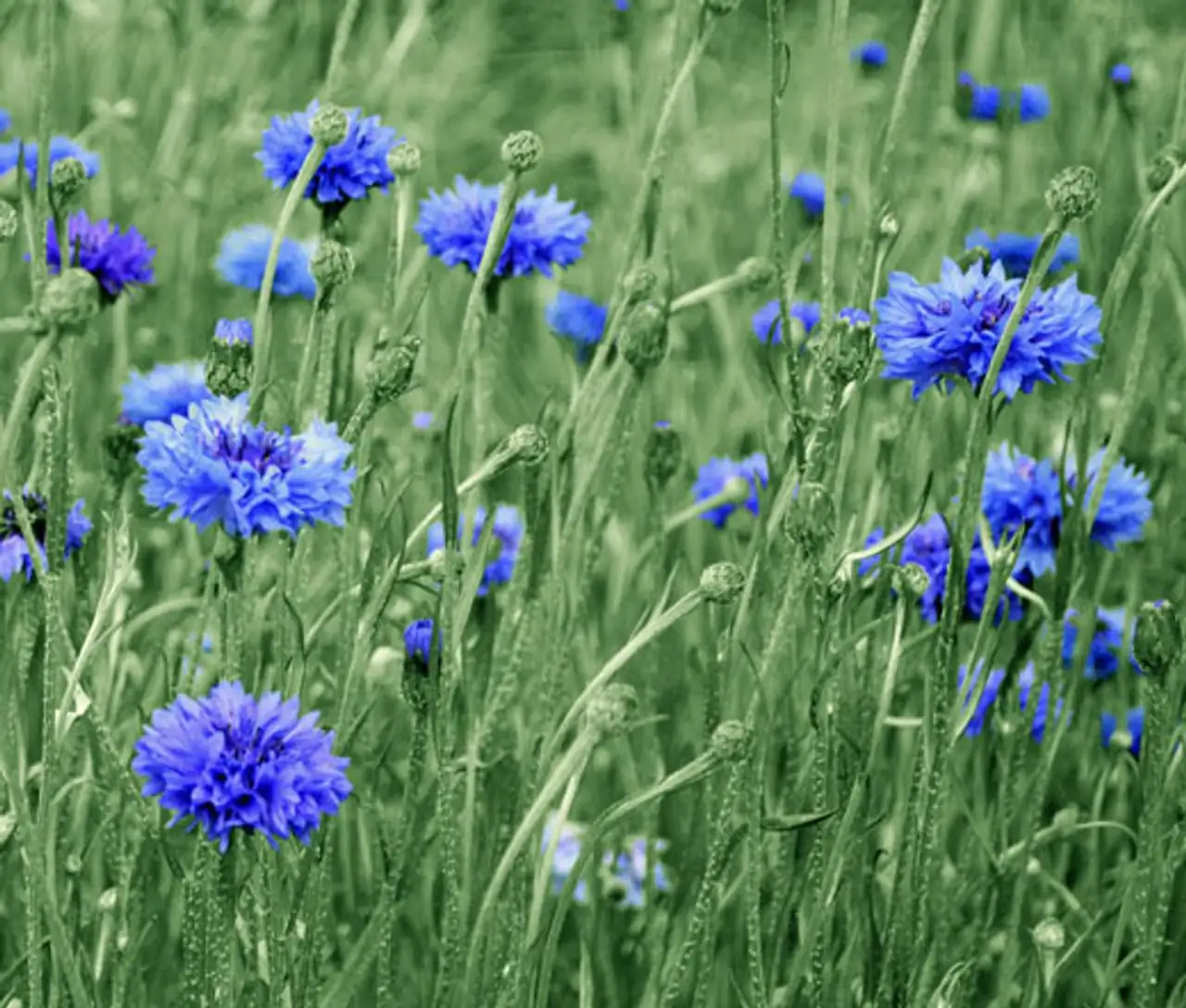
Before diving into the planting process, it’s vital to understand what makes cornflowers so special. Originating from European grain fields, these flowers are celebrated for their iconic “cornflower blue” color, though modern cultivars also bring hues of pink, purple, white, and burgundy to the table. Their delicate, fringed blooms and slender stems create an airy texture, making them perfect for cutting gardens, cottage borders, and even vegetable patches.
Preparing for Planting: The Essentials
Sunlight and Temperature
Cornflowers thrive in full sun, needing at least six hours of sunlight daily. However, if you’re in a particularly hot climate, some afternoon shade can help prevent wilting and keep your plants looking fresh. Ideal temperatures range from 16–27°C (60–80°F). While cornflowers are resilient and can handle light frost, they may struggle in prolonged heat exceeding 35°C (95°F).
Soil and Watering
These flowers are not fussy about soil, flourishing even in relatively poor conditions. However, they do best in well-drained, slightly alkaline soils with a pH of 7.2–7.8. Regular watering, about 2.5 cm (1 inch) per week, helps maintain bloom quality, especially during active growth phases. Allow the topsoil to dry slightly between waterings to avoid soggy roots.
Planting Cornflower Seeds
Direct Sowing
The most straightforward method to grow cornflowers is by direct sowing. As soon as the soil can be worked in spring, plant the seeds about 6 mm (1/4 inch) deep. Sow them lightly, then thin the seedlings to approximately 30 cm (12 inches) apart once they sprout. This spacing helps ensure good airflow and reduces the risk of fungal diseases.
Indoor Starting
If you’re eager to get a head start, you can sow seeds indoors 4–6 weeks before the last expected frost. Use seed trays and maintain humidity with a plastic cover until germination occurs. Once the seedlings are robust enough, transplant them to their outdoor home.
Caring for Cornflowers: Tips for Success
Fertilization and Pruning
Incorporate compost into your planting beds before sowing. For nutrient-poor soils, a monthly feeding with a diluted organic fertilizer can enhance flowering. Remember, excessive fertilizing can lead to floppy growth—a little goes a long way.
Deadheading, or removing spent blooms, is crucial to encourage continual flowering. For a second blooming wave, cut the plants back by about one-third after the first major bloom period.
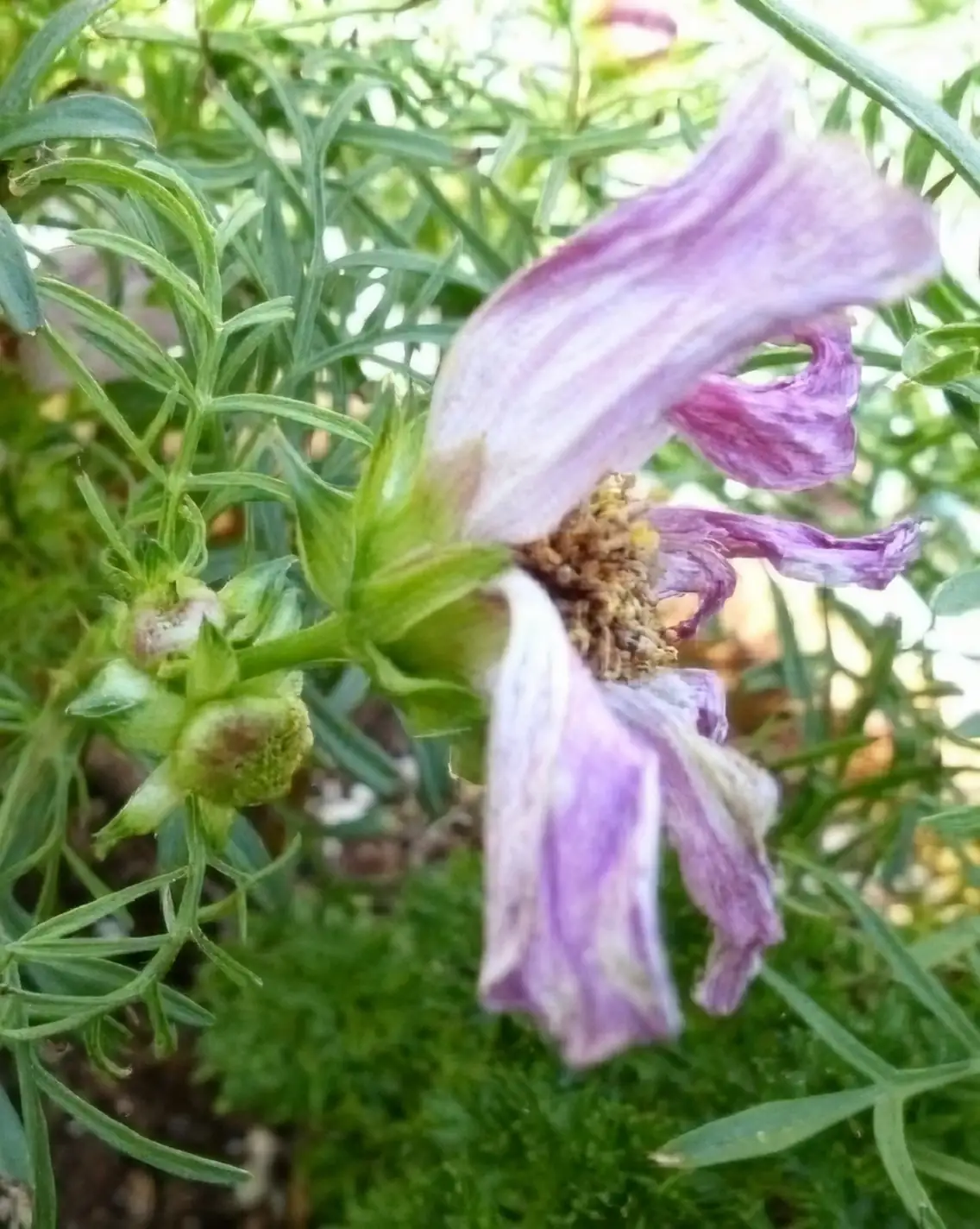
Pests and Diseases
Cornflowers are generally trouble-free, but occasional aphids or mealybugs may appear. These can be managed with a strong spray of water or insecticidal soap. Powdery mildew might develop in humid conditions, so ensure your plants have adequate spacing and airflow.
Propagation and Self-Seeding
Cornflowers are prolific self-seeders. Allow some flowers to mature and drop seeds, and you’ll likely see new plants popping up the following year. In warmer zones (7 and above), consider fall sowing for earlier blooming and more vigorous growth in the spring.
Cornflower Symbolism: More Than Just a Pretty Face
In the world of flower language, cornflowers symbolize love, hope, and delicacy. Historically, they have been associated with the Victorian tradition where young men would wear them to express romantic intent. If the flower wilted quickly, it was a sign of unrequited love, a tradition that birthed the nickname “Bachelor’s Button.”
Conclusion: Your Garden of Blue Awaits
With their easy-going nature and vibrant blooms, cornflowers are an excellent choice for gardeners of all skill levels. Whether you’re looking to fill a sunny border, attract pollinators, or simply enjoy their historic beauty, these flowers won’t disappoint. So, grab some seeds, roll up your sleeves, and let the enchantment of cornflowers transform your garden into a blue-hued paradise. Happy planting!