

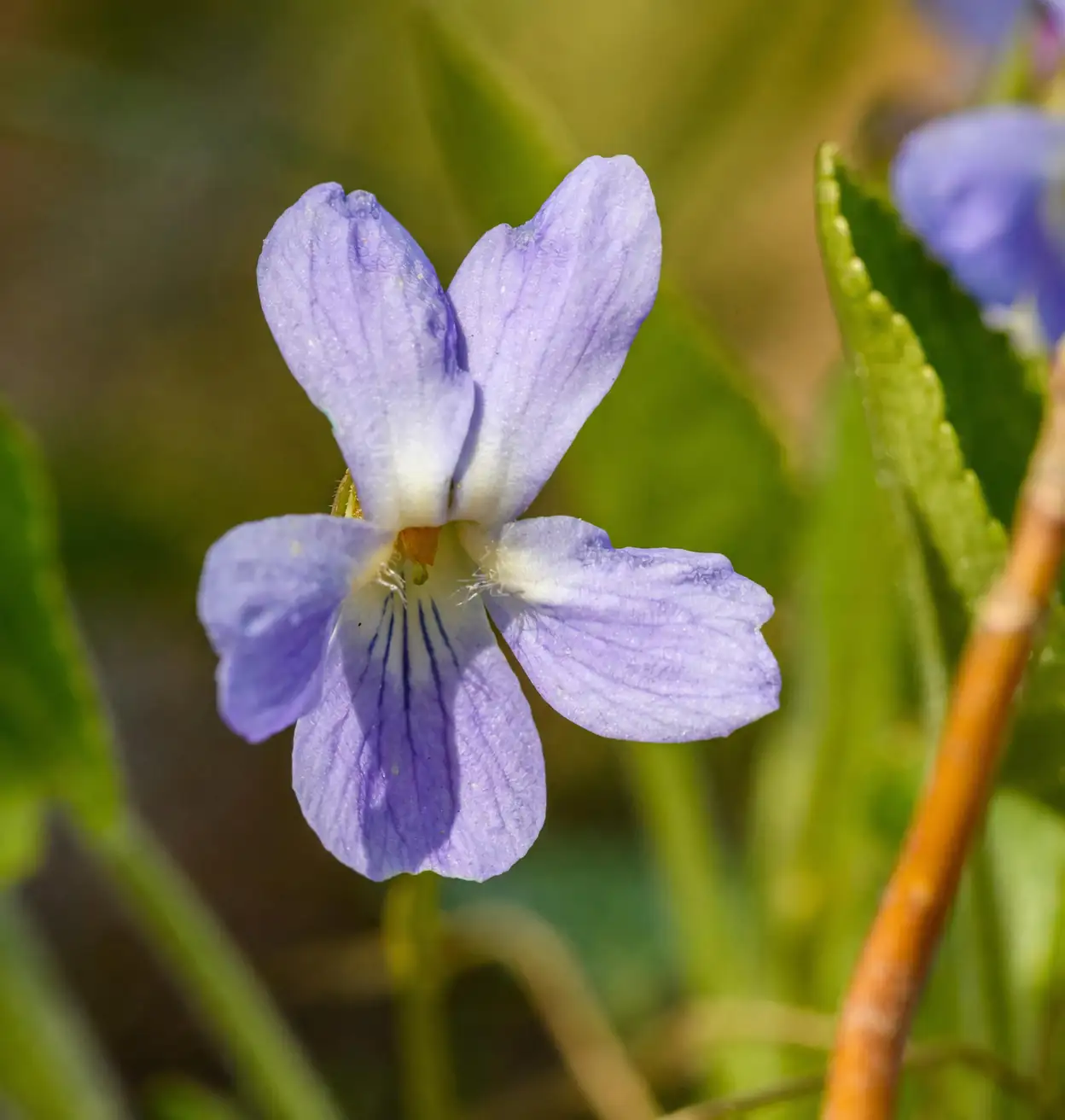
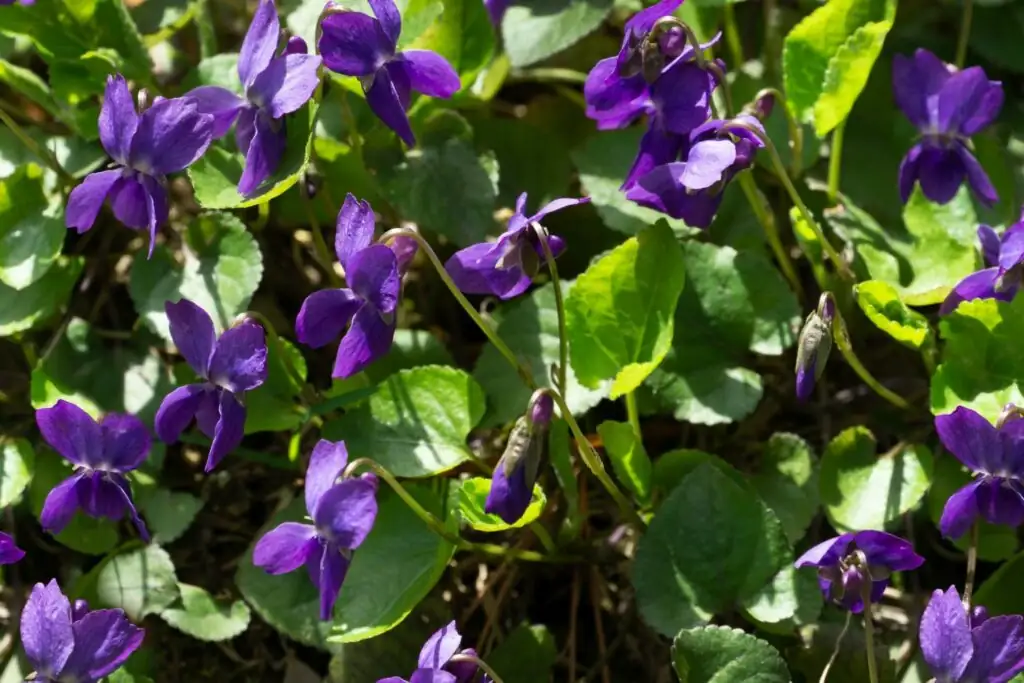
Meet Sweet Violet (Viola odorata): a perfume-swirled charmer that carpets cool, shady corners with heart-shaped leaves and dainty early-spring blooms. If you’ve ever wished your garden had a woodland nook that smells like old-fashioned candy, this is your plant. And caring for it is blissfully simple—especially when you nail four things: watering rhythm, dappled light, soil and mulch, and what to do when summer heat nudges it into a light nap so it can encore in autumn.
Here’s your friendly, step-by-step playbook.
Step 1: Find the dappled-light sweet spot
Sweet violet is a shade lover that thrives in cool conditions.
- Best light:
- Partial shade to full shade, ideally with gentle, shifting “woodland” light.
- Morning sun is usually fine in cool climates, but avoid harsh, hot midday or afternoon sun.
- Great placements:
- Under open-branched shrubs and small trees
- On the north or east side of a building or fence
- Along shaded borders and in rock garden pockets that never bake
- The quick “hand-shadow” test:
- Dappled/bright shade (soft, blurred hand shadow) is perfect.
- Strong sun (crisp, dark shadow) in warm months is too intense.
- What the plant tells you:
- Too much sun: leaves scorch or curl, soil dries fast, flowers fade quickly.
- Too little light: foliage stays lush but flowers are sparse. Try shifting to brighter shade (not sun).
Tip for containers: as summer intensifies, slide pots a few feet deeper into shade or beneath taller companions. Tiny moves matter.

Step 2: Build the right bed (and the right potting mix)
Think “woodland floor”: fertile, springy, and never waterlogged.
- Soil preferences:
- Fertile, humus-rich, and well-draining
- pH around 6.0–7.0 (neutral to slightly acidic)
- In-ground recipe (blend into the top 6–8 inches):
- 2 parts leaf mold or finished compost
- 1 part loam or garden soil
- 1 part sharp sand or fine bark to keep drainage snappy
- Container mix (light and moisture-retentive without getting soggy):
- 50% high-quality potting mix
- 30% fine bark or coco coir
- 20% compost, with a small handful of perlite if your climate is humid
- Drainage check:
- Water should disappear from the surface within a minute and not pool. If you squeeze a handful of moistened soil and it makes a sticky brick, add more bark or grit.
Step 3: Watering made wonderfully easy
Your mantra: consistently moist, never soggy. Let the top surface dry slightly between waterings, and try to keep water off the leaves and flowers.
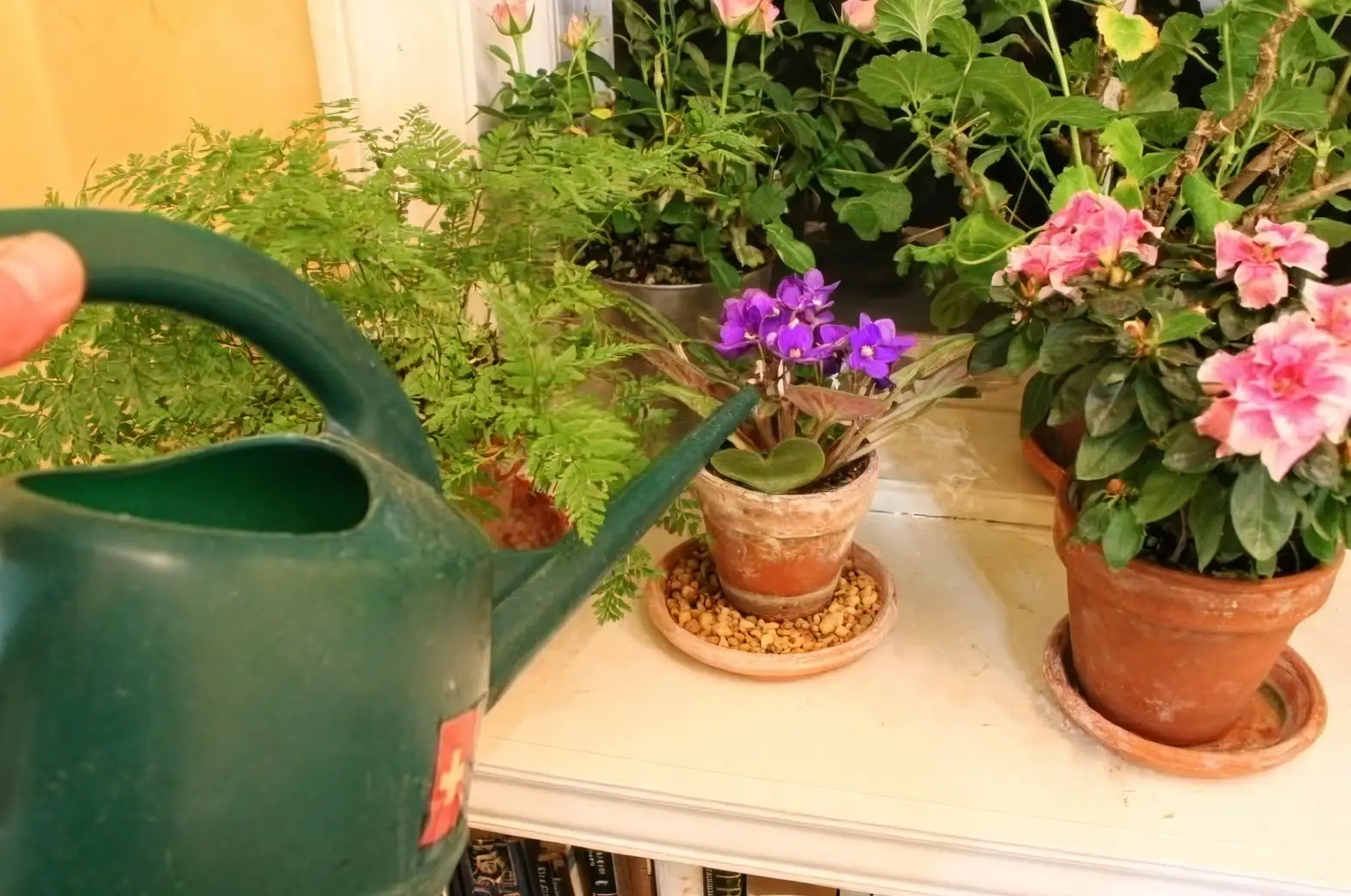
- How to water:
- Water at the soil line (or bottom-water containers) to reduce mildew risk.
- Water in the morning so foliage dries fast if it gets splashed.
- In-ground, during active growth (spring and fall):
- Aim for roughly 1 inch of water per week from rain + irrigation.
- One deep soak per week is better than frequent sips—wet the root zone 4–6 inches down.
- Containers, during active growth:
- Check soil with your finger daily in spring; water when the top 0.5–1 inch feels dry.
- In cool, shaded settings this might be every 2–4 days; in warmer spells, possibly every other day. Use pot weight as your guide—light pot means time to water.
- Winter:
- In mild climates, water sparingly but don’t let pots bone-dry. In colder regions where top growth dies back, natural precipitation often suffices.
- Red flags:
- Overwatered: limp leaves with wet soil, algae on soil surface, sour smell.
- Underwatered: leaves lose gloss, edges crisp, buds stall.
Quick reference
- Spring: keep evenly moist; steady, deep weekly soak in the ground; as-needed in pots.
- Summer heat: see Step 5 (semi-dormancy adjustments).
- Autumn: resume spring rhythm to encourage rebloom.
- Winter: minimal, just prevent complete desiccation (especially in pots).
Step 4: Mulch like a woodland floor
Mulch is your moisture manager and temperature buffer.
- Best mulches:
- Shredded leaves, leaf mold, fine bark, or composted wood chips
- Depth:
- 1–2 inches (2.5–5 cm) around plants; keep a small mulch-free donut around the crowns to prevent rot and discourage slugs.
- Upkeep:
- Top up lightly in spring. In containers, use a very thin layer (¼–½ inch) so the mix still breathes.
Step 5: Summer semi-dormancy—how to help, and how to set up a fall encore
When heat hits, sweet violet often slows down. That’s normal—and manageable.
- What semi-dormancy looks like:
- Fewer flowers, leaves may yellow or look “tired,” growth stalls in hot spells.
- Your summer game plan:
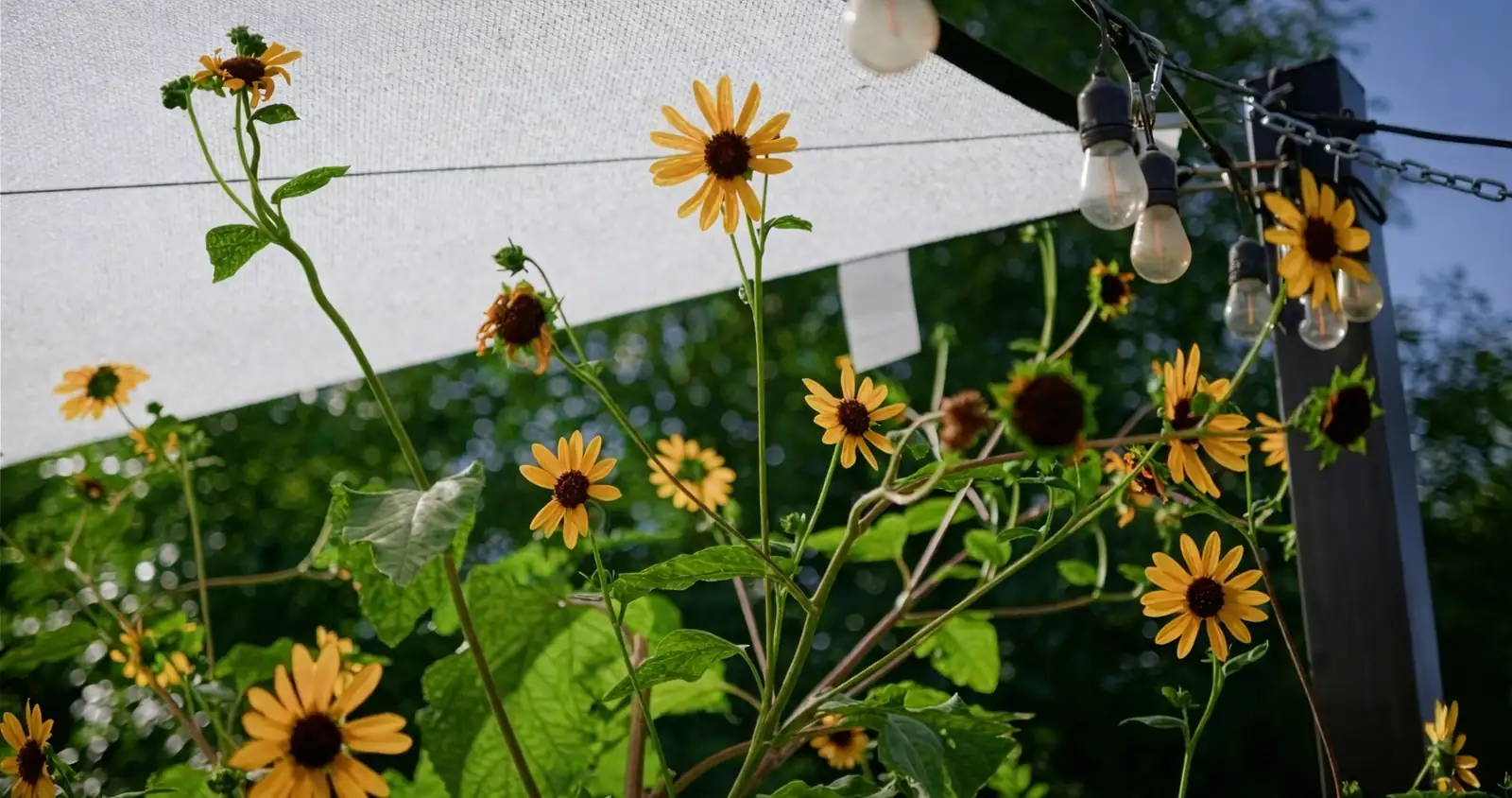
- Move pots to deeper shade or under taller plants; in-ground plants may benefit from a shade cloth (30–40%) where heat is severe.
- Reduce watering frequency but water more deeply when you do. Keep roots lightly moist—never bone-dry, never swampy.
- Pause fertilizers during peak heat.
- Groom: remove spent flower stems and shabby leaves to improve airflow.
- Keep mulch in place to buffer roots.
- The fall encore setup (late summer to early fall):
- Give a gentle soak-and-dry rhythm (surface dries slightly, roots stay moist).
- Feed lightly: top-dress with compost or apply a balanced, diluted liquid feed; a touch more phosphorus/potassium during budding can encourage bloom.
- Deadhead consistently to channel energy into fresh flowers.
- If clumps are crowded, divide in early autumn and replant into refreshed soil.
With this rhythm, many plants reward you with a sweet-smelling autumn reprise once temperatures ease.
Step 6: Easy feeding and grooming for more bloom
- Spring feed:
- Top-dress with compost or use a balanced slow-release fertilizer.
- During active growth, a diluted liquid feed every 10–15 days can boost vigor.
- Deadhead:
- Snip spent blooms to keep plants tidy and encourage repeat flowering.
- Thin and trim:
- In autumn, tidy old foliage and thin dense mats to improve airflow and reduce disease pressure.
Note: Sweet violet also makes tiny, closed (cleistogamous) flowers that set seed without opening. If you want to limit self-seeding, remove developing seed capsules.
Troubleshooting: what the leaves and blooms are saying
- Scorched or curled leaves:
- Too much sun or heat. Shift to deeper shade, add mulch, water deeply then allow slight surface dry-down.
- Few or no flowers:
- Light may be too dim, or plants are crowded. Move to brighter shade, divide clumps, and feed lightly.
- Powdery mildew or leaf spots:
- Improve airflow, avoid overhead watering, remove affected leaves. Use an appropriate fungicide or a gentle baking-soda-style spray if needed.
- Pests:
- Aphids and spider mites: rinse, then use insecticidal soap or neem.
- Slugs/snails: hand-pick, use barriers or traps, and keep mulch slightly back from crowns.
- Wilting at midday but perky morning/evening:
- Heat stress rather than true drought. Shade more; keep roots evenly moist.
A quick seasonal calendar
- Spring (Mar–May): Peak bloom; keep evenly moist, feed lightly, deadhead.
- Summer (Jun–Aug): Give shade and cooler conditions; plants may go semi-dormant. Reduce watering frequency but don’t let roots dry out completely. Pause feeding in extreme heat.
- Autumn (Sep–Nov): Prime time to divide, refresh soil, and encourage a rebloom with gentle feeding and steady moisture.
- Winter (Dec–Feb): Top growth may die back; mulch in very cold, exposed spots. Roots are hardy to about 5°F (-15°C) in the ground.
Safety, culinary notes, and a fragrant curiosity
- Edibility and safety:
- Flowers and young leaves are edible and generally non-toxic to people and pets. Avoid the roots (they can upset the stomach).
- Kitchen uses:
- Fresh or candied flowers on cakes, in salads and teas; young leaves as tender greens.
- The “now you smell it, now you don’t” trick:
- Sweet violet’s fragrance contains beta-ionone, which briefly “turns off” your scent receptors—so the perfume can seem to vanish, then reappear a few minutes later.
Flower language, softly unpacked
Across Europe since antiquity, violets have symbolized modesty, devotion, remembrance, and pure love. The Victorians codified these associations in floriography—gifting violets to suggest faithfulness and gentle affection. Myths layered on meaning: one tale casts violets among the spring flowers Persephone gathered before her abduction, tying them to return and renewal. Whether you embrace the lore or simply the scent, sweet violet’s symbolism beautifully matches its habit—low to the ground, quietly generous, and steadfast through cold.
Final nudge to success
- Give Viola odorata a cool, shaded nook with humus-rich soil.
- Water to keep roots consistently moist—especially in spring and fall—without letting pots or beds turn soppy.
- Mulch like a forest floor and let summer be a gentle rest.
- Come autumn, a little grooming, moisture, and a light feed cue that second, romantic flush.
With that, your sweet violets will settle in as a fragrant, edible, evergreen memory-maker in the garden—faithful, modest, and absolutely enchanting.


