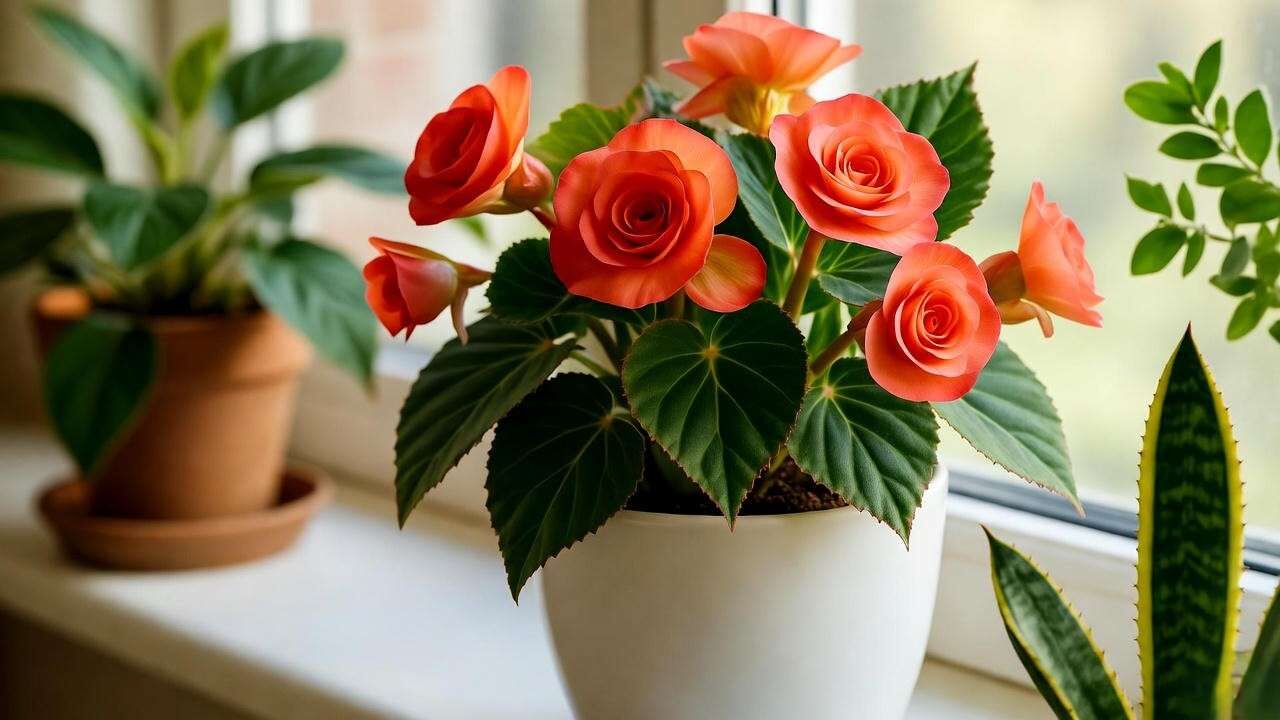
Picture a balcony or windowsill that never shouts, yet always glows: petals in citrus or blush tones floating over plush foliage, no mildew, no mush, and not a speck of frostbite. That’s the sweet spot for Begonia × hiemalis (Elatior Group)—the classic “Rieger begonia”—when paired thoughtfully with companions that share its love of bright shade and steady comfort. Here’s how to design color-harmonious, well‑ventilated plantings indoors and on sheltered balconies for long, clean displays from late autumn through spring.
Meet Begonia × hiemalis (Elatior Group): your color engine for bright shade
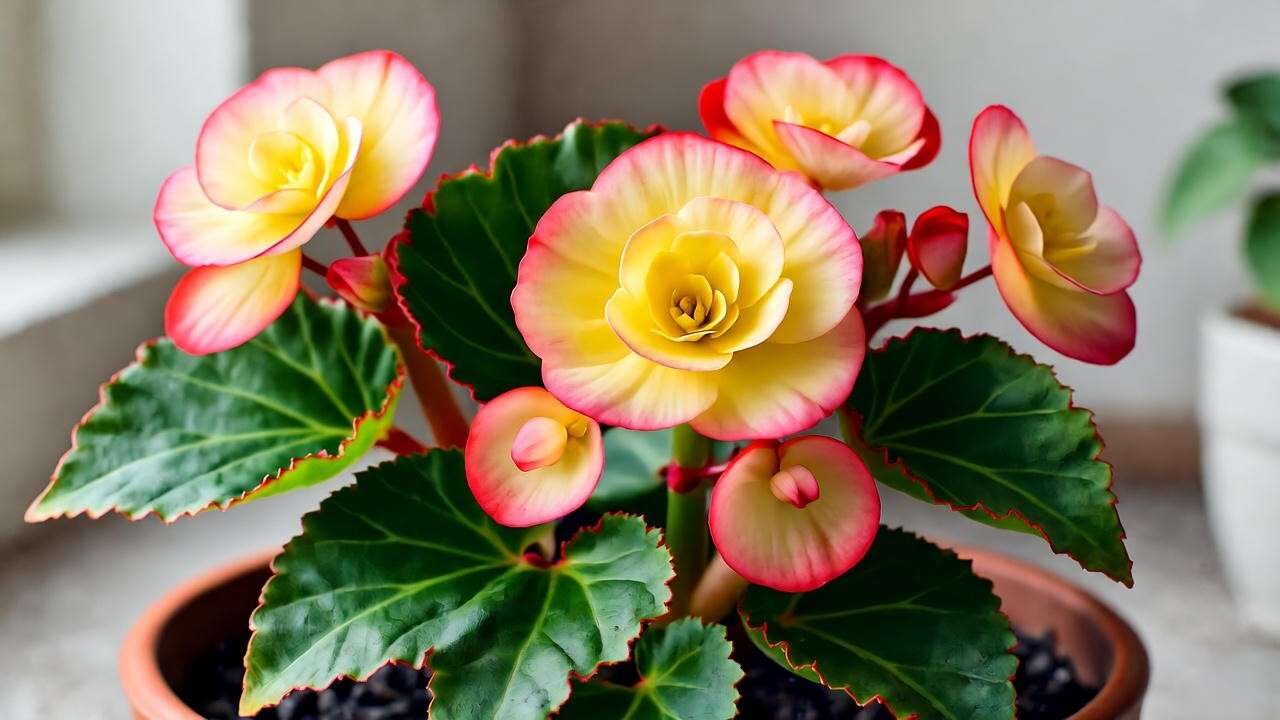
- Form and size: compact, upright-to-mounding fibrous-rooted begonia, typically 20–40 cm (8–16 in) tall and wide. Common pot sizes: 12–15 cm (4.7–5.9 in); hanging baskets: 15–18 cm (5.9–7.1 in).
- Light: bright filtered/indirect light or light partial shade. An east window is ideal; south with a sheer curtain is fine. Too little light = leggy growth and fewer, duller blooms.
- Temperature: happiest around 15–20°C (59–68°F). Keep above 10°C (50°F)—ideally above 12°C (54°F). Prolonged heat above 32°C (90°F) can cause wilting and bud drop.
- Water and humidity: evenly moist (never soggy); let the top of the mix dry slightly between waterings. Prefers moderate humidity with gentle ventilation—stagnant, damp air invites fungal issues.
- Flowering: winter through spring (often late autumn into early spring indoors). Deadheading and a post-flush light trim keep the show going.
- Not frost hardy: suitable outdoors only in frost‑free climates (approx. USDA Zone 10–11) or on sheltered balconies you can protect.
Color-forward companion ideas for bright shade
Indoors: palette recipes that pop without crowding
Aim for bright indirect light, airy soil in each pot, and a little “breathing room” between canopies.
- Blush + bronze calm
- Pink or coral Rieger begonia
- Peperomia caperata (burgundy or silver forms) for plush texture
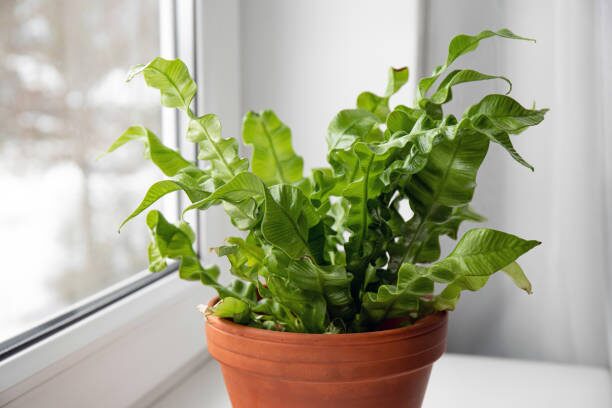
- Asplenium nidus (bird’s‑nest fern) for smooth, architectural fronds
- Tip: keep 5–8 cm (2–3 in) of space between foliage edges to discourage mildew.
- Citrus lift for gray days
- Yellow or apricot Rieger begonia
- Pilea cadierei (aluminum plant) for silvery flecks that echo pale petals
- Peperomia obtusifolia ‘Golden Gate’ (variegated) for a subtle chartreuse edge
- Tip: place the brightest foliage slightly behind the begonia so blooms stay “center stage.”
- Crisp white + green serenity
- White Rieger begonia
- Nephrolepis exaltata (Boston fern) for feathery volume
- Hypoestes phyllostachya (white polka-dot plant) as a gentle spot of pattern
- Tip: rotate the grouping weekly to keep growth even and avoid legginess.
- Jewel box reds
- Red Rieger begonia
- Peperomia argyreia (watermelon peperomia) for mirrored red petiole accents
- Trailing Pilea glauca for a cool blue-gray spill
- Tip: use pot feet or risers under back-row plants to layer height without smothering airspace.
Companion cautions indoors:
- English ivy and Tradescantia can be beautiful but may harbor spider mites in dry rooms—monitor closely.
- Avoid heavy misters; if you raise humidity, do it indirectly (humidifier across the room) plus light air movement.
Sheltered balconies: cool-season duos and trios
Design for bright shade, gentle airflow, and a quick “retreat plan” on cold nights.
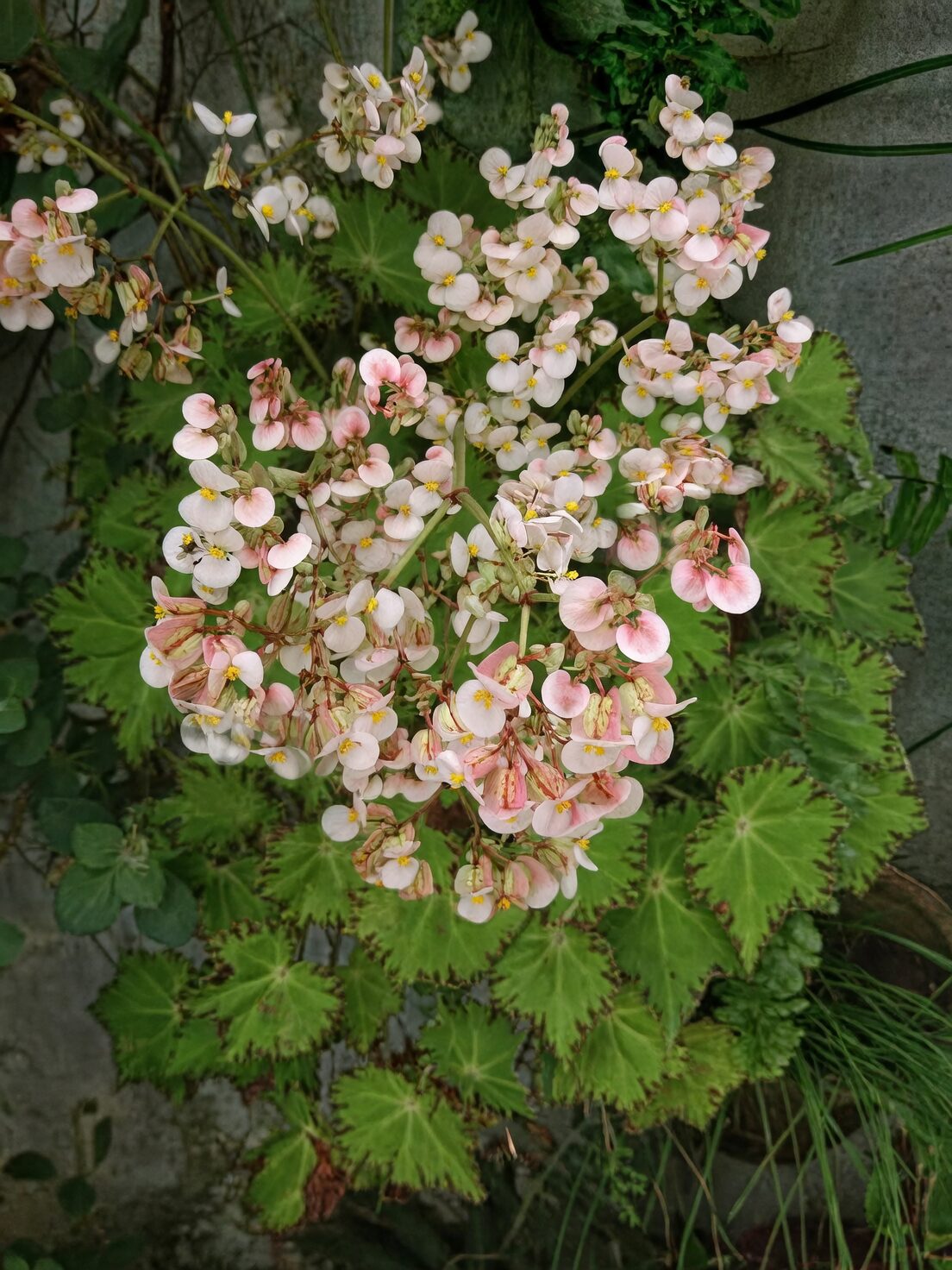
- Apricot glow + wine leaves
- Apricot/orange Rieger begonia
- Heuchera (deep burgundy cultivars) for glossy contrast
- Carex oshimensis ‘Evergold’ as a soft, variegated ribbon
- Note: Heuchera and Carex are hardy; the begonia is tender—move it indoors if temps dip.
- Snow-and-berry winter window
- White Rieger begonia
- Cyclamen persicum (florist’s cyclamen) in soft pinks or whites
- Trailing Hedera helix (ivy) for structure
- Airflow tip: let ivy spill forward; don’t let it climb into the begonia’s flower clusters.
- Cheerful spring edge
- Yellow Rieger begonia
- Primula (primrose) in blues/violets for complementary color play
- A compact fern (Asplenium scolopendrium) for vertical blades
- Watering tip: morning watering only; avoid splashing blooms to minimize Botrytis.
- Coral cascade basket
- Coral or salmon Rieger begonia in a 15–18 cm hanging basket
- Helichrysum petiolare ‘Limelight’ (licorice plant) for chartreuse spill
- Plectranthus (shade-tolerant types) as a soft gray companion
- Basket rule: limit to 3 plants in an 18 cm basket so air can move through the canopy.
Airflow-first design: spacing that keeps blooms clean
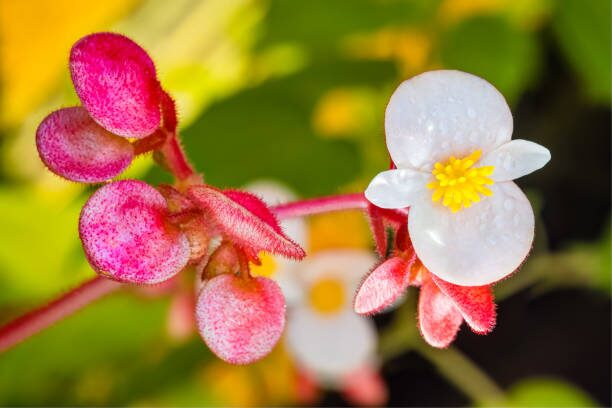
- Respect the spread: an individual Rieger begonia wants roughly 20–40 cm (8–16 in) of its own airspace. In mixed planters, arrange companions so leaf edges don’t press into the begonia’s flower trusses.
- The “ventilation lane”: leave a visible gap (about two fingers wide) around the begonia’s crown; stagger companions high/back and low/front.
- Gentle movement: a low-setting fan for 30–60 minutes daily indoors reduces powdery mildew/Botrytis risk without desiccating the plant.
- Less is luxe: in 12–15 cm pots, grow the begonia solo for the cleanest displays; use neighboring pots for companions instead of cramming everything together.
- Deadhead daily: remove spent blooms and fallen petals promptly—these are magnets for gray mold in still air.
Frost-avoidance playbook for balconies
- Temperature line in the sand: bring begonias in when forecasts hit 10–12°C (50–54°F) or lower; aim to overwinter above 12°C (54°F).
- Microclimate magic: tuck pots against a warm wall and under an overhang; avoid open railings where cold sinks.
- Mobility matters: use lightweight containers or rolling caddies for fast “in‑and‑out” moves during shoulder seasons.
- Insulate the root zone: pot-in-pot with dry mulch between, or wrap the outer pot with burlap/bubble wrap on cold snaps (remove once temps rise).
- Cover smartly: a breathable frost cloth at night can add a few degrees but vent by mid‑morning to prevent trapped humidity.
- Water timing: water in the morning before a chilly day; avoid saturating soil at dusk on cold nights.
- Pause the push: avoid high‑nitrogen feeding before a cold spell; soft new growth chills easily.
Care rhythm that keeps combos blooming
- Light: bright indirect indoors; bright shade outdoors. East windows excel; south windows need a sheer.
- Water: soak thoroughly, then allow the top of the mix to dry slightly before watering again. Never leave water in saucers.
- Soil: rich but airy, slightly acidic potting mix with perlite/coarse sand for drainage.
- Feeding: every 2 weeks in active growth with a balanced liquid feed; give 1–2 bloom‑boost applications (e.g., 15‑15‑30) as buds develop. Pause feeding during heat stress.
- Pruning: deadhead promptly; after a major flush, lightly cut back older flowering stems, leaving about 4–5 nodes to encourage fresh basal shoots. Pinch tips 2 weeks after potting to promote branching.
- Repotting: refresh mix and step up only one size when roots fill the pot; avoid oversized containers that stay wet too long.
Smart shopping and setup
- Choose compact, balanced plants with deep‑green leaves and many buds plus a few open blooms.
- Hang or stage where petals won’t brush curtains or walls—constant contact traps moisture.
- For hanging baskets (15–18 cm), keep the begonia as the focal “thriller”; let spillers trail away from flowers to maintain airflow.
Health check: keep diseases and pests at bay
- Common culprits: powdery mildew, leaf spot, and Botrytis (gray mold) in still, humid air.
- Prevention:
- Water at soil level; avoid wetting foliage late in the day.
- Thin companions for air movement; run a gentle fan indoors.
- Remove spent flowers and any mushy tissue immediately.
- Don’t overfeed with nitrogen.
- Pests: spider mites and aphids—inspect undersides of leaves, especially on susceptible companions. Treat early with insecticidal soap or horticultural oil and repeat as needed.
- Bud drop triggers: inconsistent watering, very dry air, cold drafts, heat spikes, and low light.
Safety and a quick note on symbolism
- Toxicity: begonias can cause mouth irritation and gastrointestinal upset if ingested by people or pets; keep out of reach.
- Symbolism: often associated with gentle affection and tender regard—one reason they’re beloved winter gifts when many plants rest. This “flower language” is a cultural tradition rather than a botanical trait; the meaning persists because these compact plants deliver warmth and generosity of bloom right when we need it most.
Quick palettes to copy this weekend
- Warm blush: coral begonia + burgundy peperomia + bird’s‑nest fern (indoors).
- Snow and ink: white begonia + dark heuchera + ‘Evergold’ carex (sheltered balcony).
- Lemon sorbet: yellow begonia + aluminum plant + trailing Pilea glauca (indoors).
- Holiday hush: red begonia + white cyclamen + soft ivy spill (sheltered balcony; monitor mites, protect from cold).
Design with color, leave room for air, and outmaneuver frost—and your Begonia × hiemalis will reward you with a long, immaculate performance when bright shade is at its best.