
Imagine a spring bed or container where every bloom arrives right on cue, every stem sits at the perfect height, and nothing sulks after a rain. That’s the magic of designing around Persian buttercup (Ranunculus asiaticus)—a cool-season, tuber-grown diva with peony-like petals—when you sync bloom windows, height, and drainage like a pro.
Why Persian buttercups make brilliant anchors
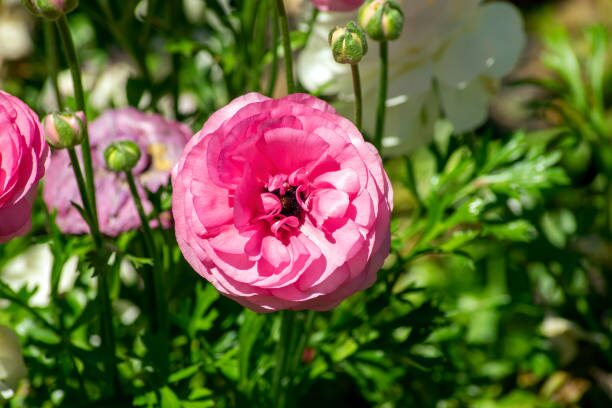
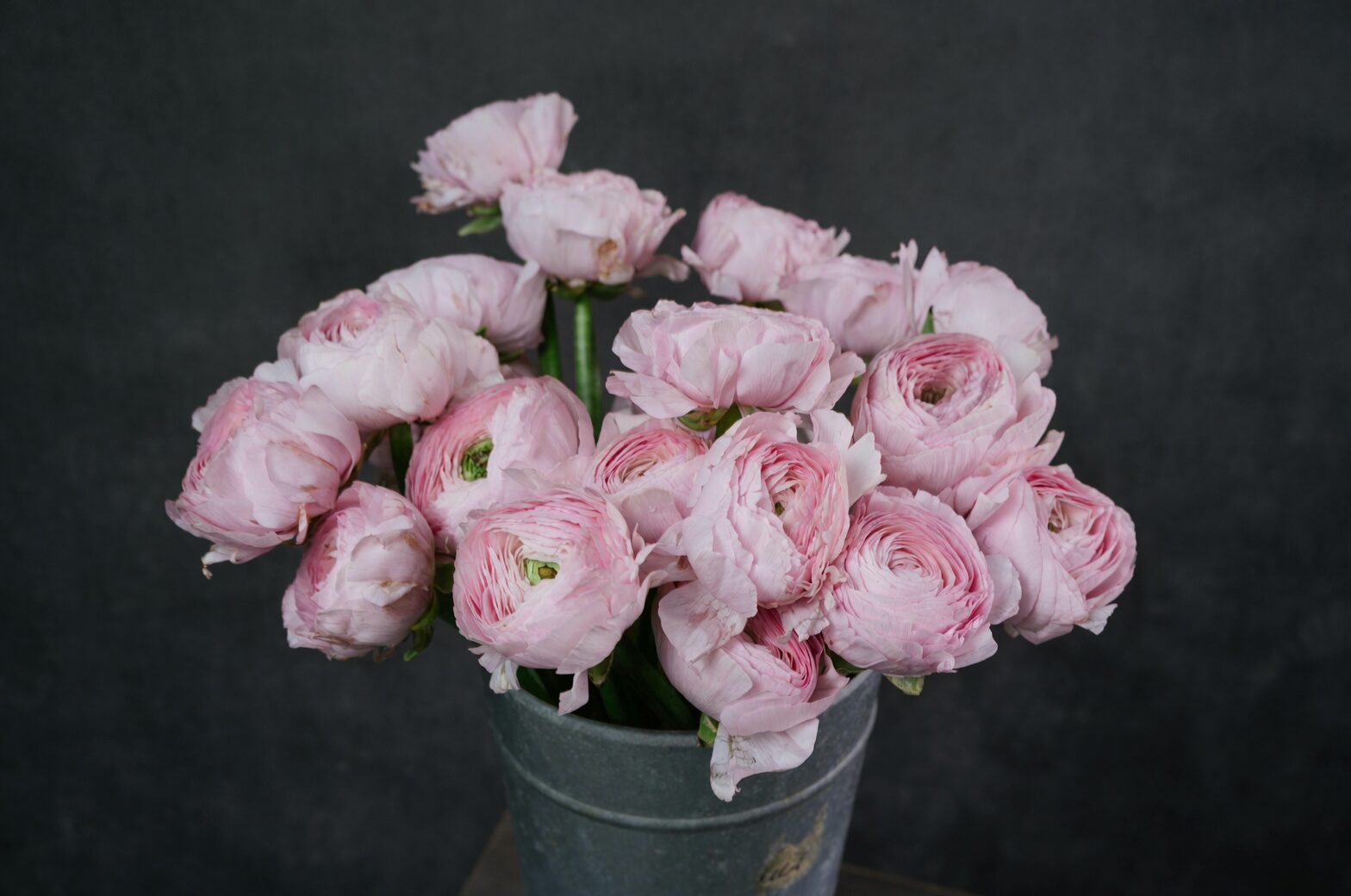
- Sculptural flowers: Densely layered, rose- or peony-like blooms in white, yellow, pink, red, orange, purple, and striking bicolors; many shimmer with a satin sheen.
- Cool-season performance: Thrives in bright light and cool air; flowers in spring to early summer, then gracefully slips into summer dormancy as heat arrives (totally normal).
- Manageable scale: Typically 20–45 cm (8–18 in) tall with a 15–30 cm (6–12 in) spread—easy to layer with companions.
- Container-friendly: Compact cultivars under 30 cm (12 in) are ideal for pots and window boxes. A 12 cm (4.7 in) pot commonly fits about 3 tubers.
Design principle 1: Choreograph the bloom window
Overlap early, peak, and late cool-season players so your display builds, crescendos, and lingers.
- Early overture (just before or with first buds)
- Anemone coronaria (poppy anemones): Similar drainage needs; often bloom slightly earlier to set the stage.
- Violas and pansies: Color carpeting that starts early and keeps going.
- Muscari (grape hyacinths) and miniature daffodils: Low, bulbous accents that tuck between ranunculus crowns.
- Peak ensemble (ranunculus front and center)
- Stock (Matthiola), snapdragons (compact types), nemesia: All cool-season, lightly scented, and height-compatible.
- Primroses (Primula) and Iberis (candytuft): Soft mounds that frame buttercups and carry bloom into late spring.
- Closing act and cover-up
- “Socks and shoes” companions to hide foliage as it yellows with dormancy: hardy geranium (low, lacy mounds), lady’s mantle, heuchera, and dwarf ornamental grasses like blue fescue. These knit the planting together and keep it handsome as the ranunculus rests.
Design principle 2: Layer heights for texture and balance
- Foreground (10–20 cm / 4–8 in): Violas, alyssum, muscari, dwarf anemones—create a color runway.
- Mid-tier (20–45 cm / 8–18 in): Ranunculus, compact stock, short snapdragons, nemesia—your star layer.
- Backdrop (45–75 cm / 18–30 in, used sparingly): Hellebores, dwarf spirea, or a low spring-blooming shrub (e.g., daphne) to frame without casting too much shade.
Design principle 3: Engineer flawless drainage
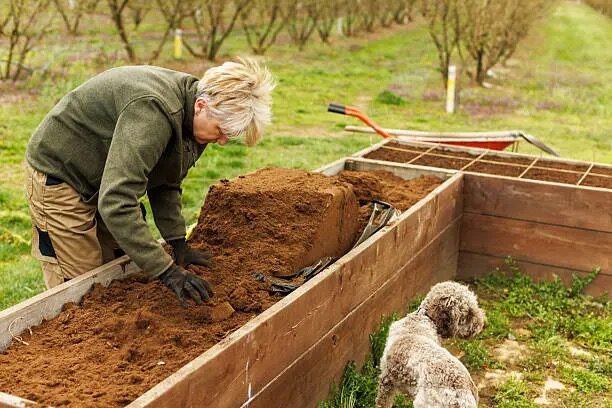
Persian buttercups demand rich but fast-draining soil. Build the bed like a layer cake:
- Base: Native soil relieved with grit—coarse sand or fine gravel—in heavier soils.
- Body: Loam-based compost plus leaf mold for nutrition and moisture balance.
- Structure: Perlite or horticultural grit for air pockets and quick runoff—absolutely essential in rainy springs.
- Planting depth: Set claw-like tubers 2–3 cm (0.8–1.2 in) deep; don’t bury deeply. In containers, a free-draining mix is non-negotiable.
- Pro move: In wet climates, plant on slight mounds or raised beds so tubers never sit in winter-wet.
Container recipes that sing
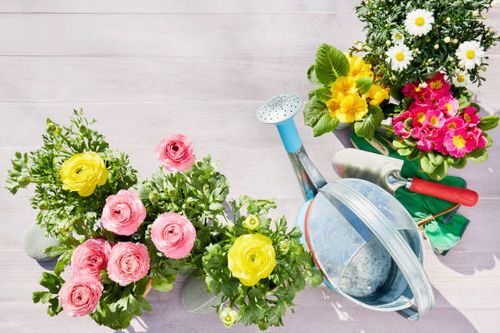
Use ranunculus as your “thriller,” then mix cool-season “fillers” and “spillers” that like the same crisp, bright conditions and brisk drainage.
- Pastel sorbet bowl (romantic, soft)
- Ranunculus in blush/pale apricot
- Fillers: Primroses in butter yellow, white stock
- Spillers: Trailing lobelia, silver alyssum
- Tip: Morning sun, dappled afternoon shade to prolong bloom.
- Citrus pop window box (high-contrast, modern)
- Ranunculus in tangerine or lemon
- Fillers: White nemesia, lime heuchera
- Spillers: Silver dusty miller tips or trailing thyme for texture
- Tip: Tight deadheading keeps the look graphic and clean.
- Moody jewel mix (rich, saturated)
- Ranunculus in raspberry and deep violet
- Fillers: Pansies in inky purples, black-flowered violas
- Spillers: Creeping Jenny (gold) for a pop, or trailing ivy for elegance
- Tip: Balance dark tones with plenty of green foliage to avoid visual heaviness.
For small pots: A 12 cm (4.7 in) pot commonly fits about 3 tubers—group in odd numbers for natural rhythm. Scale up with repeating clusters rather than solid masses to avoid waterlogging in the center.
Climate-smart placements
- Light: Bright light to full sun; in warm regions, shield from burning midday sun to extend bloom.
- Temperature: Sweet spot is about 15–20°C (59–68°F) days, 7–10°C (45–50°F) nights. Heat pushes dormancy.
- Hardiness: Best outdoors in mild-winter areas roughly USDA 8–10 with protection from winter wet and severe frost. In colder regions, treat as a cool-season annual in beds or use containers you can shelter.
Color palettes to try
- Modern creams + lime: White ranunculus, greenish primroses, lady’s mantle, silver foliage.
- Sunset brights: Orange and coral ranunculus, apricot stock, buttery pansies—irresistible in evening light.
- Antique tones: Bicolors with brownish/rose tints, dusky purple violas, bronze heuchera.
Watering and feeding for lush displays
- Water: Keep evenly moist during growth and bloom—never bone-dry, never soggy. Reduce gradually as foliage yellows; stop during dormancy.
- Fertilizer: Light, steady feeding. Apply 1–2 times before flowering and once after with a balanced-to-bloom formula (e.g., higher potassium such as NPK 15-15-30) or a well-diluted organic feed. A pinch of slow-release flowering fertilizer at planting helps.
Planting and seasonal rhythm

- Tubers: Firm, plump “claws” are best; many gardeners briefly soak them to rehydrate before planting. Plant in early autumn in mild climates, or late winter/early spring in cold climates under protection.
- Depth: 2–3 cm (0.8–1.2 in), claws pointing downward; avoid deep planting.
- Spring care: Cool, bright, and evenly moist with good airflow. Deadhead to keep plants tidy and to channel energy into tuber strength.
- Summer: Expect natural yellowing and dieback—this is the dormancy phase. Keep tubers dryish and well-aerated.
- Autumn: Divide and replant tubers; sow seed in cool conditions if growing special strains.
Companion choices that respect drainage
- Excellent matches: Anemone coronaria, pansies/violas, nemesia, stock, compact snapdragons, primroses (in fast-draining yet moisture-retentive mixes), candytuft, dusty miller, low bulbs like muscari and crocus.
- Use with care: Thirsty, water-loving perennials or heavy mulches that hold cold moisture around tubers—modify soil first or keep them to the margins.
Cut-flower bonus
Persian buttercups are premium cuts thanks to long, straight stems and blooms that open gradually from tight rosettes to full cups—so arrangements evolve beautifully day by day. Harvest when buds are colored and just loosening for the longest vase life.
Troubleshooting
- Gray mold (Botrytis): Cool, damp, still air is the culprit. Increase airflow, water at soil level, remove affected flowers/leaves promptly; use an appropriate fungicide if needed.
- Aphids: Rinse off or use insecticidal soap; check tender buds often.
- Slugs/snails: Barriers, traps, and tidying hiding spots keep them from nibbling your show.
Safety note
Mildly toxic if ingested; sap may irritate sensitive skin. Keep out of reach of pets and children; wear gloves if you’re prone to irritation.
Flower language and meaning
In Victorian floriography, ranunculus came to symbolize radiant charm—“you are dazzling”—a nod to those many-petaled, light-catching blooms. Today, their joyful abundance still reads as celebration and admiration, which is why they’re beloved in spring bouquets and gift pots.
Quick checklist for design-forward success
- Site: Bright light, excellent drainage, cool air.
- Soil: Rich yet fast-draining; add grit/perlite.
- Depth: Plant tubers 2–3 cm deep; don’t bury deeply.
- Partners: Choose cool-season companions that share drainage needs and bloom in overlapping waves.
- Layering: Foreground carpets, ranunculus mid-tier, airy backdrop.
- Care: Even moisture during growth; deadhead; ease into dormancy as foliage yellows.
Build your planting like a symphony: set the tempo with early bloomers, hit the lush crescendo with Persian buttercups, then let graceful companions carry the tune as the stars take their well-deserved summer rest. With smart drainage and thoughtful height and timing, spring becomes a standing ovation.