

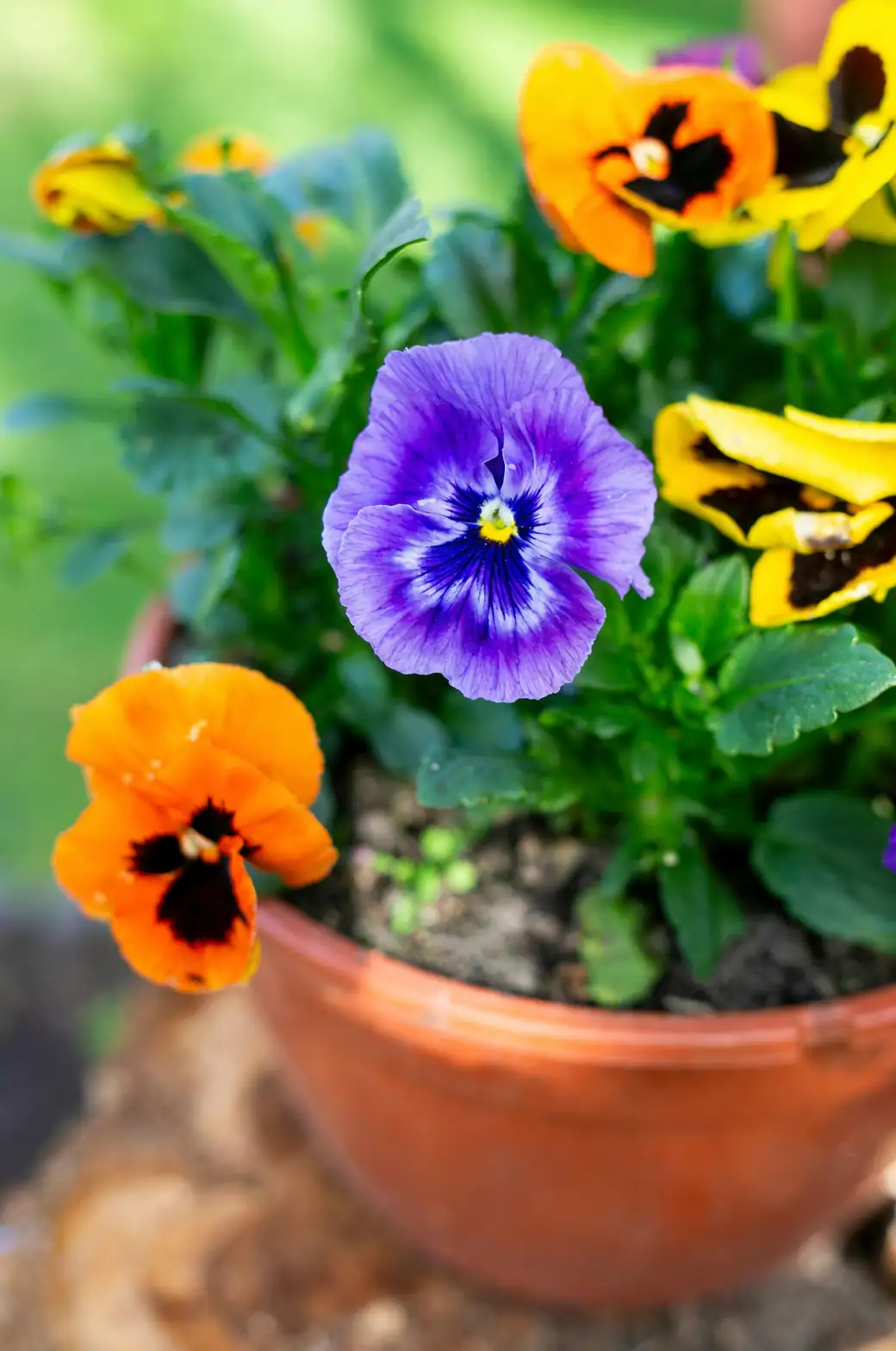
Think of pansies as the playmakers of cool-season color—nimble, generous bloomers that tie an entire bed together while taller teammates set the rhythm and slower perennials carry the melody. With a smart companion-planting plan, Viola × wittrockiana (garden pansy) can keep borders lively from early spring to late fall, bridging seasonal gaps with its cheerful “faces,” velvet petals, and easy charm.
Meet the star: Viola × wittrockiana (Garden Pansy)
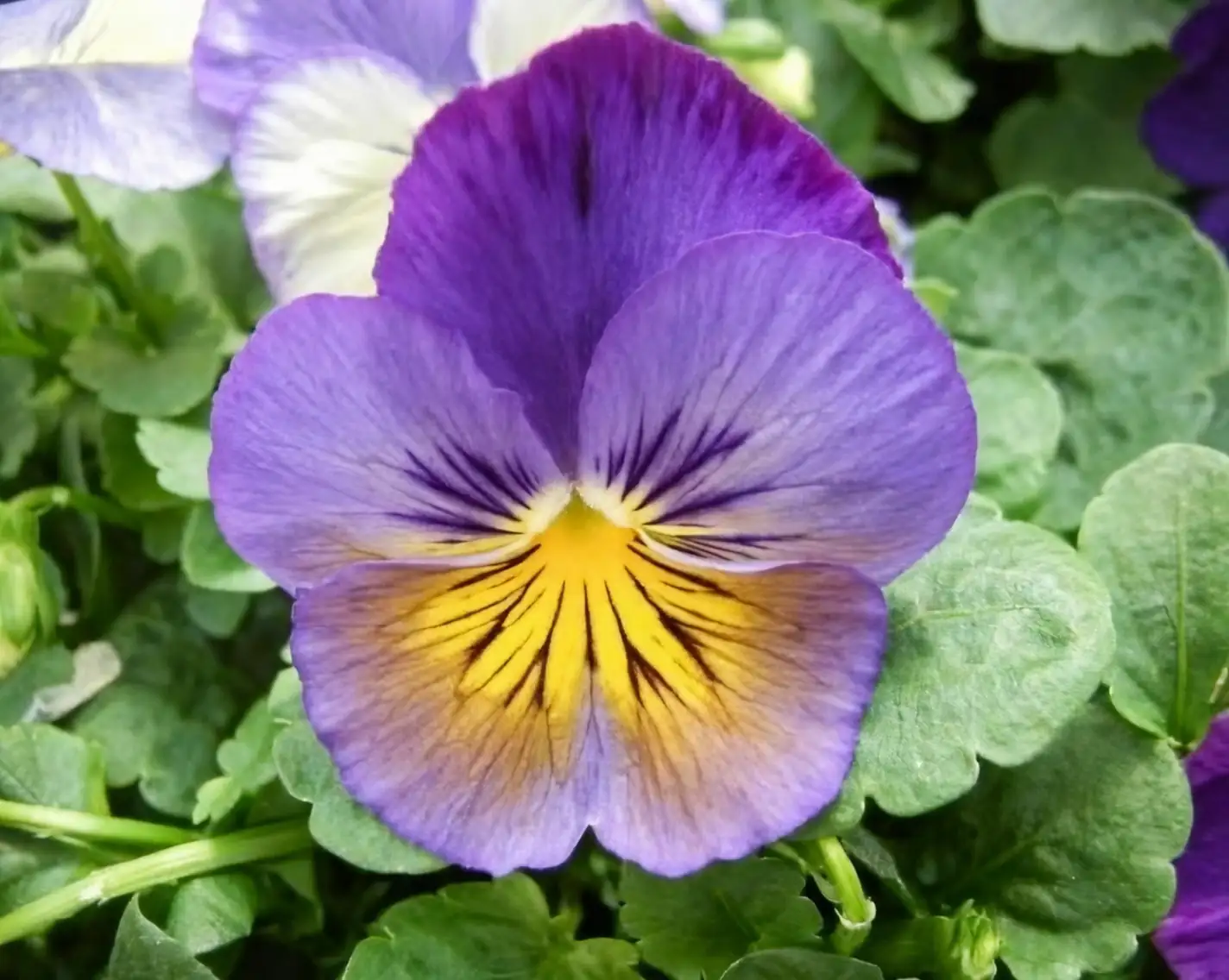
- Habit and size: Compact, mounding plants about 15–25 cm tall and 15–30 cm wide (6–10 in tall, 6–12 in wide); perfect ground-level color blocks and edging.
- Flowers: 4–6.5 cm (1.5–2.5 in) blooms in a sweeping palette—bicolors, tricolors, veined faces in purple, yellow, white, blue, and more. Deadhead to keep the show nonstop.
- Season: Peak in spring to early summer and again in fall; in mild climates, they’ll carry on through parts of winter.
- Best conditions: Full sun to partial shade; bright light with afternoon shade in warm regions helps. They thrive in cool temperatures (roughly 7–15°C / 45–59°F; blooming often best around 10–20°C / 50–68°F). Sustained heat above about 25°C (77°F) curbs bud set.
- Soil and moisture: Fertile, humus-rich, consistently moist but well-drained soil (slightly acidic is ideal). Water at soil level—never soggy.
- Edible note: Flowers are commonly used as edible garnishes when grown without pesticides; moderation is key.
The companion-planting mindset: layers, textures, and timing
To keep beds vibrant across three main seasons, think in layers and succession.
- Heights that harmonize:
- Canopy (60–180+ cm / 2–6+ ft): Light, airy shrubs or small trees give gentle shade in heat and structure in winter.
- Midstory (25–60 cm / 10–24 in): Perennials and foliage accents to contrast pansies’ small leaves and soft mounds.
- Ground (under 25 cm / under 10 in): Pansies and low edgers weave color at your feet.
- Textural balance:
- Pair pansies’ soft mounds with frilly, toothed, or bold foliage (e.g., dusty miller, heuchera, ornamental kale/cabbage).
- Add fine textures (grasses, ferns) for movement and to make large pansy blocks feel light.
- Staggered bloom times:
- Early spring: Bulbs and cool perennials kick-start the show with pansies.
- Late spring/early summer: Transitional bloomers keep the bridge as temperatures rise.
- Fall: Replant pansies and layer in foliage workhorses that color up as nights cool.
- For containers: Use the “thriller, filler, spiller” formula.
- Thriller: A structural evergreen or dwarf shrub.
- Filler: Pansies plus leafy companions for texture.
- Spiller: Trailing violas, ivy, creeping thyme to soften edges.
Season-by-season blueprint
Early Spring: Fast color with bulbs and cool greens
Pansies love this window; lean in.
- Canopy/structure:
- Evergreen boxwood, dwarf conifers, or rosemary topiary for winter backbone and gentle spring presence.
- Midstory companions:
- Hellebores and early-blooming wallflower (Erysimum) add nectar and perfume.
- Heuchera (coral bells) for glossy, bronzy, or lime foliage all season.
- Dusty miller for a silver rim to your pansy blocks.
- Ground and edging:
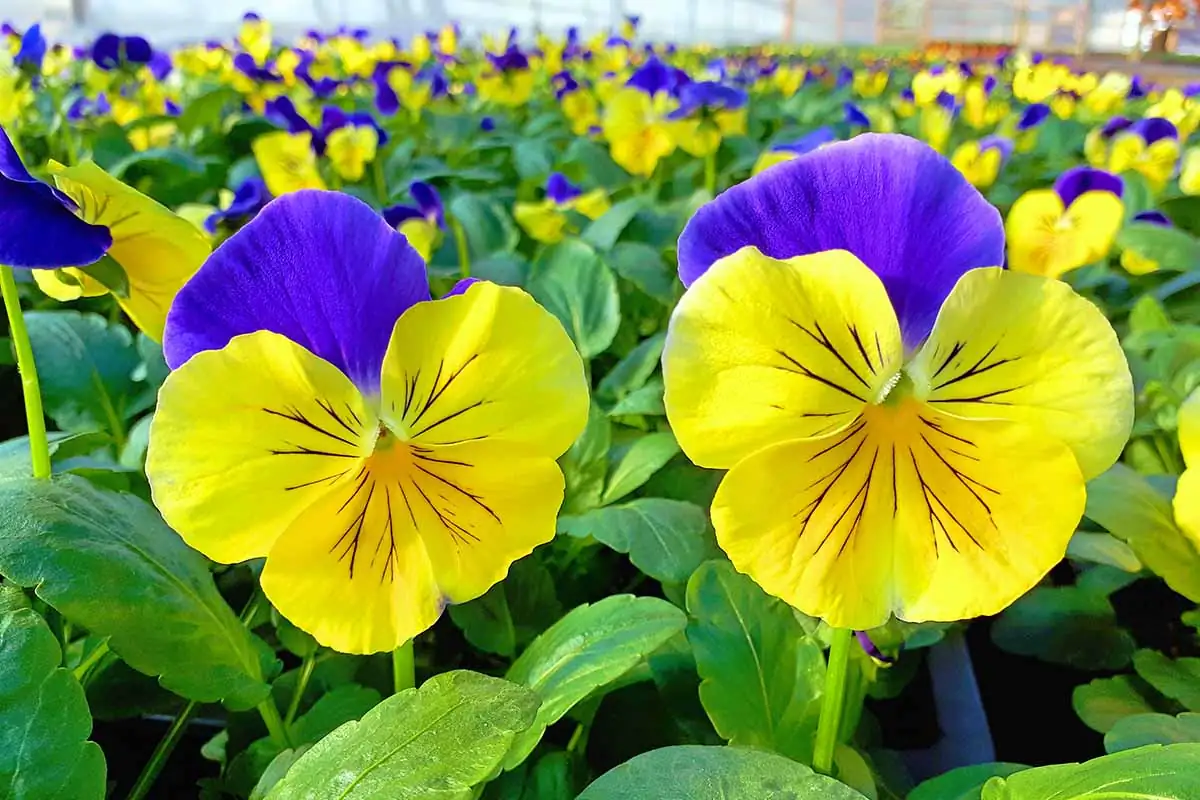
- Pansies massed in drifts with primroses and sweet alyssum.
- Spring bulbs threaded through: crocus, miniature daffodils, hyacinths, and mid-season tulips. Their stems rise through pansy foliage without crowding.
- Design tip: Plant bulbs in clumps behind or within pansy drifts to create height “waves” as different bulb types open in sequence.
Late Spring to Early Summer: Transition without the slump
As days warm, pansies may slow, so let companions do more lifting.
- Midstory bloomers:
- Dianthus, snapdragons, and Erysimum keep color flowing in cool-to-mild conditions.
- Foliage stabilizers:
- Heuchera, Japanese forest grass (in part shade), evergreen ferns for steady texture.
- Shade assist:
- Where summers run warm, position taller plants to cast gentle afternoon shade across pansy colonies; shear pansies back to 7.5–10 cm (3–4 in) after a flush to refresh growth.
- Swap strategy:
- In hot-summer regions, plan a “summer switch”: lift spent pansies as heat settles in and slot warm-season annuals into the same pockets. Your shrubs and perennials hold the framework, so the swap looks seamless.
High Summer: Let the backbone carry the bed (and keep roots cool)
Pansies pause when it’s hot; don’t water harder—design smarter.
- Structural color:
- Silver foliage (dusty miller), dark-leaf heuchera, and variegated grasses keep interest when blooms wane.
- Culinary companions:
- Creeping thyme or oregano as fragrant, heat-loving groundcovers; parsley or chives as upright tufts amid the foliage tapestry.
- Care cue:
- Maintain even moisture, mulch lightly, and give afternoon shade where possible. Avoid soggy soil.
Fall: The grand return—with foliage fireworks
Cool nights flip the pansy switch back on.
- Canopy/structure:
- Dwarf conifers, boxwood balls, and rosemary standards for architecture.
- Midstory foliage stars:
- Ornamental kale and cabbage in white, pink, purple rosettes; colors intensify as air chills.
- Swiss chard and parsley for rich greens and stems.
- Autumn ferns; late perennials like asters add dots of bloom.
- Ground and edging:
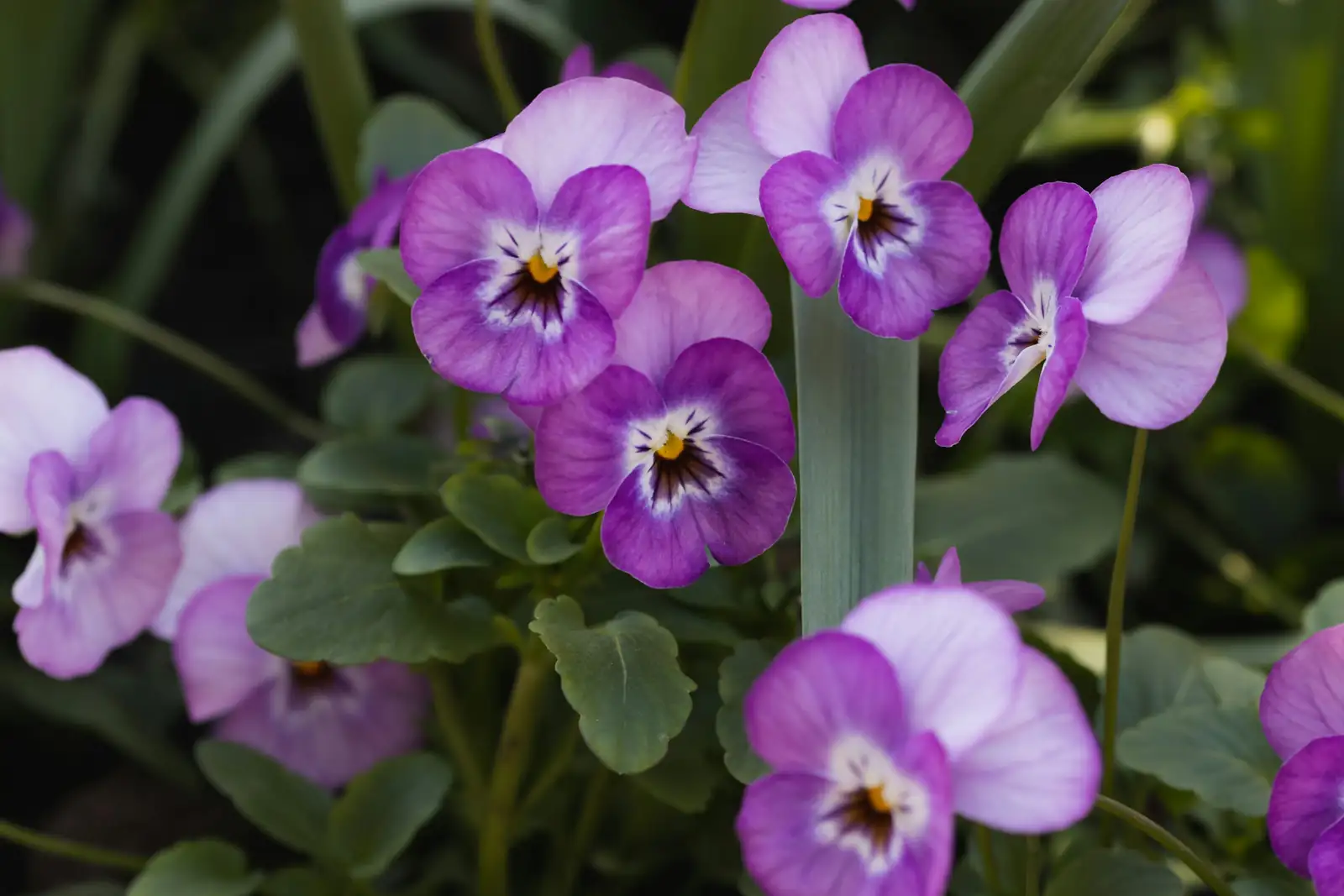
- Replant pansies densely along paths and bed fronts; thread violas and trailing forms in containers.
- Color choreography:
- Go “cool” (purple, blue, white) with silver foliage for crisp light; or “warm” (gold, orange, red-violet) with burgundy heuchera and plum kale for harvest drama.
Mild Winter (where applicable): Quiet sparkle
- Many pansies ride out light frosts and keep popping buds in milder climates.
- Protect from prolonged hard freezes, especially in containers; good airflow and base watering help avoid mildew and botrytis.
Three ready-to-plant recipes
1) Sunny front border (3 × 3 m / 10 × 10 ft)
- Canopy/structure:
- 3 dwarf conifers or boxwood domes, staggered.
- Midstory (25–60 cm / 10–24 in):
- 5 hellebores, 7 heuchera (mixed leaf colors), 9 dianthus for spring carry.
- Ground (under 25 cm / under 10 in):
- 60–80 pansies in two harmonizing colors, 25–30 cm-wide drifts.
- Bulb ribbons: 50 mini daffodils, 40 hyacinths threaded through pansy drifts.
- Fall refresh:
- Tuck in 9–12 ornamental kale/cabbage rosettes between heuchera clumps; replant pansies at edges.
2) Part-shade woodland edge
- Canopy/structure:
- Japanese maple (small cultivar) for dappled light.
- Midstory:
- Hellebores, autumn fern, and heuchera create a lush, layered carpet.
- Ground:
- Pansies in cool palettes (blue/violet/white) marking path curves; crocus and snowdrops emerge through.
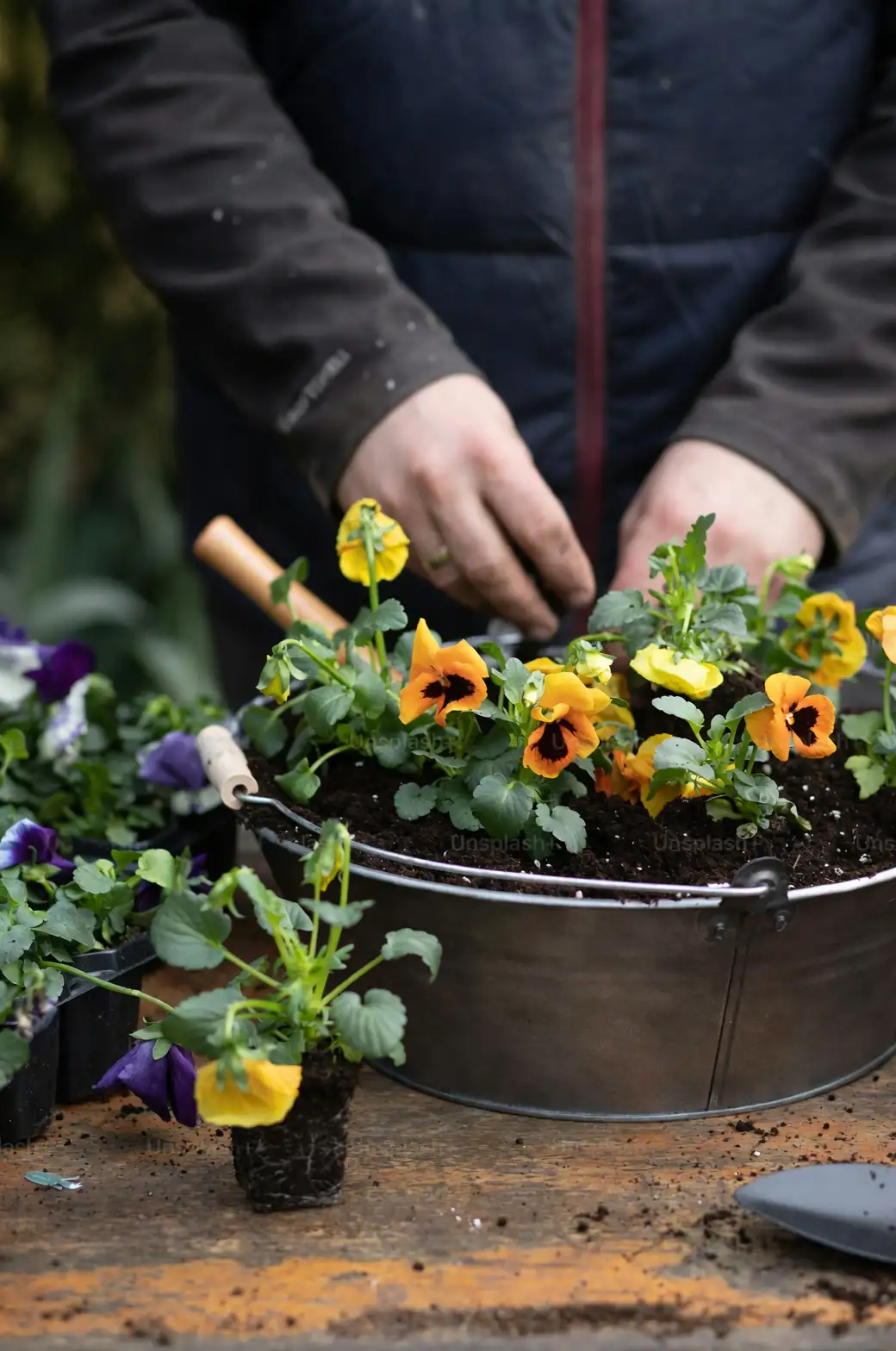
3) Four-season container (45–50 cm / 18–20 in pot)
- Thriller:
- Rosemary standard or dwarf conifer.
- Fillers:
- 6–8 pansies, 2 heuchera, 1 dusty miller for silver.
- Spillers:
- Trailing viola and creeping thyme.
- Fall swap-in:
- Replace summer-tired pieces with 2 ornamental kale rosettes; refresh pansies.
Care that keeps the color coming
- Planting and spacing:
- Use fertile, humus-rich soil or a peat-based potting mix with excellent drainage. Space pansies about 15–20 cm (6–8 in) apart; give trailing forms a bit more room.
- Raised or mounded beds improve visibility and drainage.
- Light and temperature:
- Aim for ~6 hours of light; in warm climates, provide afternoon shade. Expect a lull in sustained heat above about 25°C (77°F).
- Watering:
- Keep evenly moist but never waterlogged. Water at soil level, not over blooms; never let pots sit in saucers of water.
- Feeding:
- Light slow-release at planting; during active growth, feed monthly with a balanced fertilizer or every 2 weeks at half strength. Shift to bloom-leaning feeds as buds form; avoid excess nitrogen.
- Grooming:
- Deadhead regularly, removing the spent bloom and its stem. Shear lightly if plants get leggy to trigger fresh growth.
- Pests and diseases:
- Watch for aphids, spider mites, and slugs/snails; rabbits may nibble. Prevent fungal issues (powdery/downy mildew, leaf spots, rust, botrytis, root rot) with spacing, airflow, morning watering at the base, and spotless hygiene.
- Overwintering:
- Cold tolerance varies; many cultivars handle light frosts, but prolonged deep freezes (around -5°C / 23°F or lower) can damage plants—containers are most vulnerable. Protect or replant as needed.
Grow your own: quick propagation notes
- From seed:
- Sow 8–12 weeks before transplanting or in early autumn for fall color. Germinate in darkness at about 13–16°C (55–61°F); expect ~2 weeks to sprout, and roughly 14–16 weeks to bloom.
- From cuttings or division:
- Short softwood shoots root in a peat-based medium in late spring/early summer; some side shoots with roots can be gently separated after flowering.
Color play that sings with pansies
- Cool harmonies:
- Blue and violet pansies with white accents, silver dusty miller, and hellebores for a crisp, moonlit look.
- Warm contrasts:
- Golden-yellow and deep-purple pansies with burgundy heuchera and pink ornamental kale for autumn richness.
- Monochrome magic:
- One pansy color in mass—say, inky violet—against emerald parsley and lime heuchera for modern drama.
Flower language: why pansies speak to the heart
The very name “pansy” comes from the French pensée—“thought”—which is why they’ve long symbolized remembrance and affectionate consideration. In Victorian floriography, gifting a pansy could whisper “I’m thinking of you,” sometimes hinting at quiet or forbidden affection. Their folklore aura deepened through Shakespeare’s “love-in-idleness,” the wild pansy kin that inspired tales of transformative love. Today, those face-like blooms still read as a friendly nudge: someone cares.
Quick fixes to common hiccups
- No buds forming? Heat is likely. Add afternoon shade, improve airflow, and keep soil evenly moist with excellent drainage.
- Plants look lanky? Shear back to 7.5–10 cm (3–4 in) and resume light feeding.
- Mushy crowns or yellowing leaves? Back off watering, improve drainage, and avoid overhead splashing.
- Chewed flowers or holes in leaves? Slug/snail bait or barriers; check undersides for aphids and treat with insecticidal soap.
A simple calendar for non-stop bed appeal
- Early spring: Mass pansies; thread bulbs and primroses; feed lightly; deadhead weekly.
- Late spring: Add dianthus/snapdragons; shear pansies after flush; maintain airflow.
- Summer: Let structure and foliage companions carry the design; keep pansies cool and evenly moist, or swap to warm-season annuals.
- Early fall: Replant pansies; add ornamental kale/cabbage, parsley, and heuchera; feed lightly.
- Late fall into mild winter: Keep blooms tidy, water at base, protect from hard freezes, and enjoy the glow.
With thoughtful layers, textural counterpoints, and a few well-timed swaps, pansies become the steady heartbeat of a four-season border—bright in spring, resilient in fall, and always ready to make the plants around them look their best.


