
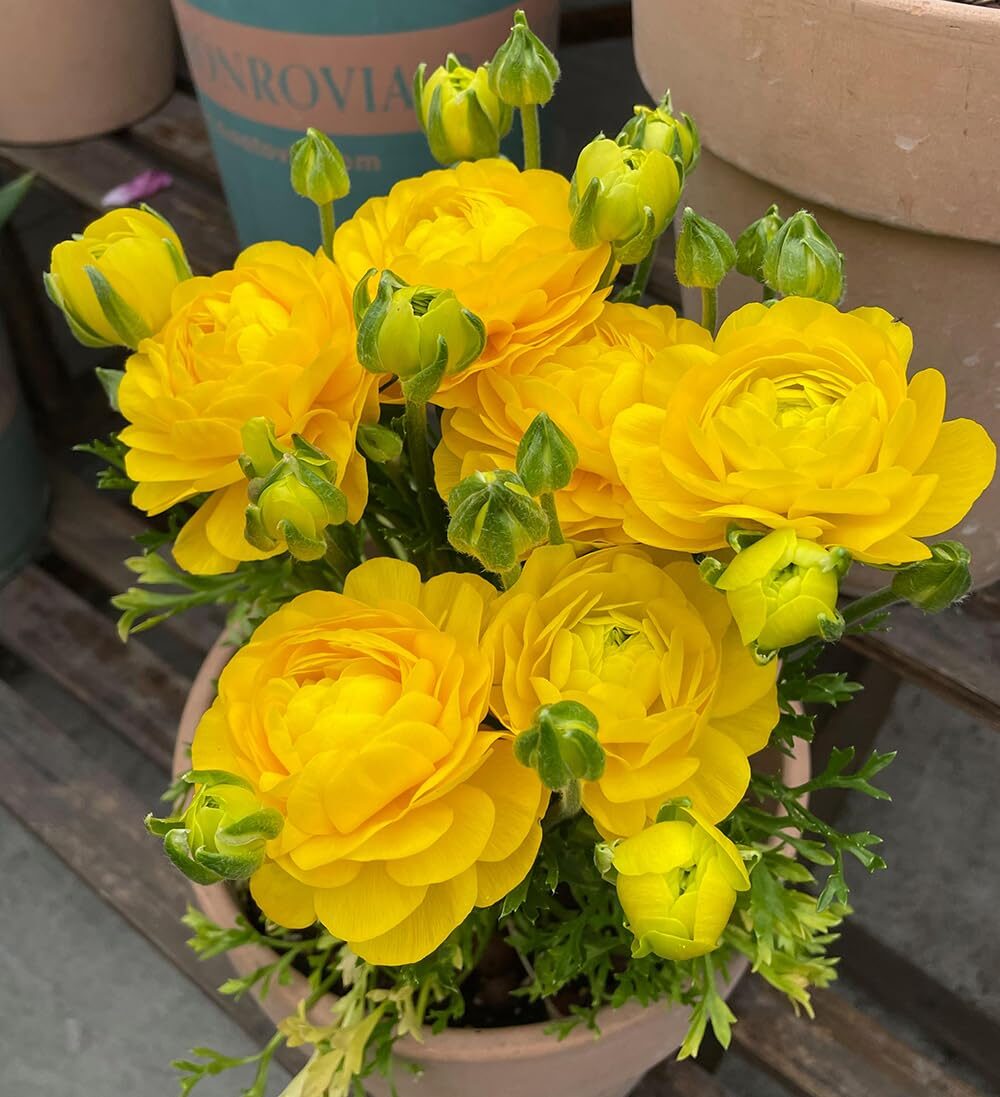
Think of Persian buttercups as tiny peonies that love cool air, brilliant light, and a steady sip of water—not a gulp. Nail those three, then help them rest naturally after bloom, and your Ranunculus asiaticus will reward you with an even better show next season.
Below is your friendly, step-by-step playbook.
Meet the Persian Buttercup (Ranunculus asiaticus)
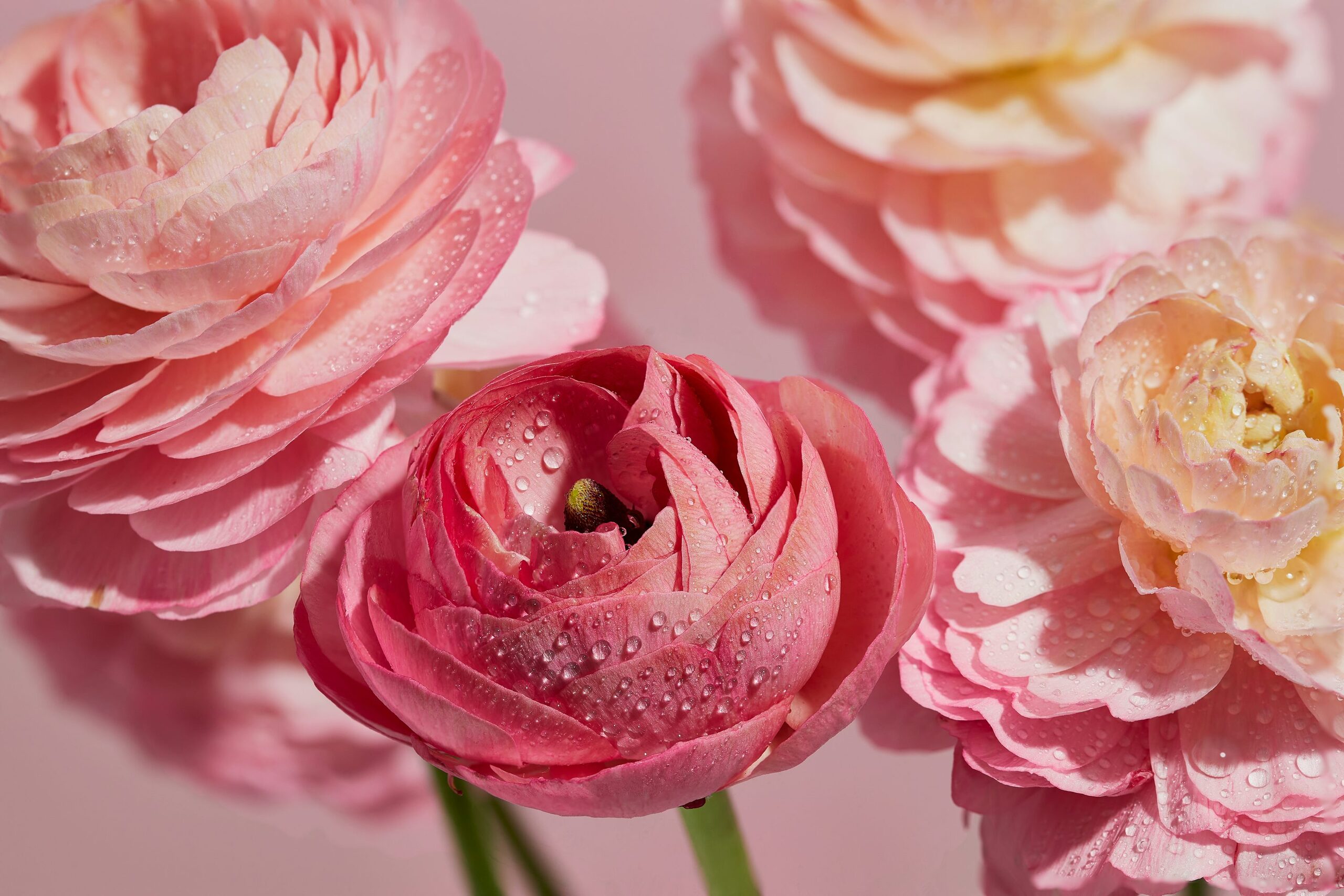
- What it is: A cool-season, tuber-grown perennial with rose- or peony-like, satin-petaled blooms in a dazzling range of colors and bicolors.
- Best for: Spring patio pots, window boxes, borders, and premium cut flowers.
- Natural rhythm: Grows and blooms in cool weather; as heat arrives, foliage yellows and the plant slips into summer dormancy. That’s normal—and key to next year’s success.
The Three Keys to Success
1) Bright Light (without scorch)
- Outdoors: Give bright light to full sun with protection from harsh midday sun in warm climates. Morning sun + light afternoon shade stretches bloom time.
- Indoors: Park them at an east- or south-facing window where it’s bright and cool. Turn the pot weekly for even growth.
- Temperature sweet spot: Days around 15–20°C (59–68°F), nights 7–10°C (45–50°F). Heat speeds up dormancy; cool keeps the show going.

2) Even Moisture (never waterlogged)
- Goal: Keep soil evenly moist during active growth and bloom; avoid “bone-dry” and avoid “soggy.”
- Drainage is non-negotiable: Use a fast-draining mix and containers with generous drainage holes. In beds, ensure water runs off freely after rain.
- Simple test: The top 2–3 cm (about an inch) of mix should dry slightly between waterings. Water thoroughly, let excess drain, then wait for that slight surface dry-down again.
3) Respect the Rest (natural dormancy)
- After flowering, rising temperatures trigger yellowing foliage. Don’t panic—this signals dormancy.
- Your move: Gradually reduce watering as leaves fade; stop watering when top growth is fully dry. Keep the tubers dry and protected during their summer rest.
Planting Ranunculus Right (Containers or Beds)
These grow from odd, claw-like tubers (often mislabeled as “bulbs”). Treat them gently and plant shallowly.
Potting mix and setup
- Use a rich but fast-draining blend: quality potting compost + a bit of leaf mold/compost + coarse sand or perlite.
- Pot size: A 12 cm (4.7 in) pot commonly fits about 3 tubers.
- Depth: Set tubers 2–3 cm (0.8–1.2 in) deep, claws pointing down. Do not bury deeply.
Optional pre-plant rehydration
- Many gardeners give tubers a brief soak to rehydrate before planting. Pat dry before potting into a free-draining mix. Avoid prolonged soaking.
Spacing in beds
- Choose a sunny, well-drained site. Improve heavy soil with grit/perlite and organic matter until water drains well.
- Plant shallowly (2–3 cm deep), spacing to allow airflow between plants.
Watering, Simplified: How to Keep It Even
- During growth and bloom:
- Water when the top 2–3 cm of soil is slightly dry.
- Water early in the day at soil level; keep foliage dry where possible to deter gray mold.
- As the show slows:
- When flowers fade and leaves begin to yellow, taper watering over a couple of weeks.
- Stop watering once the foliage has fully dried down for dormancy.
Pro tip: In containers, learn the pot’s “weight” when well watered vs. nearly time to water again. This fast-tracks your intuition for even moisture.
Feeding for Flowers Now and Stronger Tubers Later
- Light but regular feeding in the cool growing season works best.
- Timing:
- 1–2 light feeds before flowering.
- 1 feed after the main flush to support tuber development.
- What to use: A bloom-leaning balanced fertilizer (e.g., NPK around 15-15-30) or a well-diluted organic liquid feed. You can mix a small amount of slow-release flowering fertilizer into the potting mix at planting.
Deadheading and Light Grooming
- Deadhead spent blooms to keep plants tidy and direct energy into tubers.
- On very double, heavy-blooming types, thinning to 2–3 strong buds per plant can improve flower size and overall performance.
After the Show: Dormancy Done Right (So They Return Stronger)
- Let the plant tell you when it’s tired: as heat builds, leaves yellow naturally.
- Step-down watering, then stop once foliage is fully dry.
- Storage options:
- Mild climates (roughly USDA 8–10): With excellent drainage and protection from winter-wet and severe frost, tubers can often remain in the ground.
- Colder regions: Lift once the top growth is dry. Clean gently, allow to dry, and store the tubers in a cool, dry, airy, frost-free place. Replant in early autumn, or start in containers for spring displays.
- Division time: After summer dormancy, you can divide healthy tubers and replant in early autumn. Many growers disinfect tubers with an appropriate fungicide before planting if rot has been an issue.
Light and Temperature Tactics by Setting
Outdoors in warm regions
- Full sun with light midday protection extends bloom.
- Prioritize airflow; avoid cramped, humid corners.
Outdoors in cool or mild regions
- Full sun is your friend. Aim for that 15–20°C day range if possible.
Indoors
- Brightest cool window (east or south). Avoid nearby heat vents.
- Rotate weekly; ensure pots never sit in saucers of water.
Quick Calendar
- Late winter–spring: Active growth. Keep cool, bright, and evenly moist. Feed lightly. Great time for cut flowers.
- Flowering: Maintain steady moisture, deadhead, and monitor for aphids and gray mold.
- Late spring–summer: Foliage yellows; taper water, then stop once dry. Store or keep tubers dry for dormancy.
- Early autumn (Sep–Oct): Replant/divide tubers; sow seed in cool conditions.
- Winter: In cold regions, protect plants/tubers from hard freezes and from winter-wet. Aim to keep any overwintered plants above about -5°C (23°F).
Buying Guide (What to Look For)
- Potted plants: Compact (≤30 cm/12 in), sturdy stems, bright green leaves, and buds just showing color.
- Tubers: Firm, plump “claws” with fresh appearance; larger circumference (around 7 cm/2.8 in or more) often indicates better quality.
- Seed: Fresh, heavier seed from reliable sources. Double and bicolor strains are favorites for showy containers.
Propagation Options
- Seed: Collect in late spring to early summer; sow in autumn at about 10–18°C (50–64°F). Germination in 2–3 weeks is typical. Seedlings usually bloom the following spring.
- Tuber division: Divide after summer dormancy; replant in early autumn. Consider disinfecting divisions if rot has been a past problem.
Common Problems (and Easy Fixes)
- Gray mold (Botrytis): Loves cool, stagnant, damp conditions. Improve airflow, avoid late-day overhead watering, remove affected tissue, and use an appropriate fungicide if needed.
- Aphids: Cluster on tender growth and buds. Rinse off or use insecticidal soap or targeted controls.
- Slugs/snails: Chew leaves and flowers. Use traps, barriers, baits, and reduce hiding spots.
- Leggy, weak stems: Usually not enough light or too-warm conditions. Move to brighter, cooler exposure.
- Buds aborting or short bloom: Often due to heat spikes or uneven moisture. Increase airflow, provide midday protection in warm climates, and tighten up your watering rhythm.
Safety Note
- Persian buttercup is mildly toxic if ingested, and sap can irritate sensitive skin. Keep away from pets and small children; wear gloves if you’re prone to irritation.
Cut-Flower Tip
- Harvest when blooms are in the “marshmallow” stage (not fully open, petals soft and layered). Their gradual opening makes for long, dynamic vase displays.
Flower Language and Meaning
- Symbolism: Often associated with charm, radiant beauty, and joyful celebration—perfectly fitting for their exuberant, layered petals.
- Where it comes from: The “language of flowers” trend surged in 18th–19th century Europe, weaving cultural stories and aesthetics into floral meaning. While not a scientific tradition, it reflects how people respond to a plant’s look and seasonal timing. With Persian buttercups, the lush, rose-like form and brilliant colors naturally read as happiness and admiration.
Your 5-Minute Success Checklist
- Light: Bright to full sun; shield from harsh midday rays in heat.
- Temperature: Cool is king—aim for 15–20°C days.
- Soil: Rich but fast-draining; never heavy or water-retentive.
- Water: Evenly moist during growth, never soggy; reduce as foliage yellows; stop when fully dry.
- Aftercare: Let them rest dry in summer; replant or refresh in early autumn for an even better spring show.
Do these simple things with confidence, and your Persian buttercups will come back not just again—but better.