
If winter ever needed a confetti cannon, Polyanthus primrose (Primula × polyantha) would be it—compact rosettes of rich green leaves topped by clusters of brilliantly colored blooms right when the year is at its grayest. This is your cool-season color specialist. Treat it to bright light, a crisp 13–18°C (55–64°F), even moisture without ever soaking the crown, and a gentle flow of fresh air, and it will answer with lush trusses from late winter into spring.
The quick-start playbook
- Light: Bright with gentle sun; avoid harsh midday rays.
- Temperature: Keep it cool—ideally 13–18°C (55–64°F); above ~12°C (54°F) to sustain flowers; protect from <5°C (41°F).
- Moisture: Evenly moist, never waterlogged; keep water off the leaves and crown.
- Airflow: Fresh, steady ventilation to deter leaf spot and gray mold; no stuffy corners or blasts from heaters.
- Bonus bloom boost: Deadhead promptly, feed lightly and regularly, and minimize moving the plant while in flower.
Light: Bright and gentle makes color pop

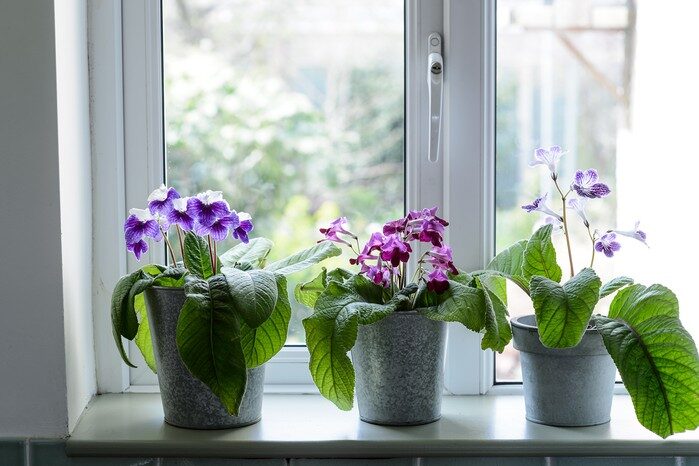
- Best spots: An east-facing window or a bright south-facing sill with filtered midday sun. Gentle morning sun is welcome; harsh afternoon sun as temperatures rise is not.
- What you’ll see if it’s too dim: Stretched leaf stalks, long flower stems, and washed-out flower color.
- Do this now:
- Pull curtains or add a sheer during bright, warm midday hours.
- Rotate the pot weekly so stems stay compact and upright.
Temperature: Cool is the secret sauce
- Sweet spot: 13–18°C (55–64°F). Keep above ~12°C (54°F) for reliable winter bloom.
- Cold caution: Below ~5°C (41°F) can damage leaves and flowers, especially in containers.
- Heat hazard: Heat is its nemesis—near radiators, in stuffy rooms, or during warm spells, plants sulk or decline quickly.
- Microclimate hacks:
- Move away from heaters and electronics.
- Crack a window for fresh, cool air without chilling the plant.
- Group with other cool-season plants to buffer temperature swings.
Moisture mastery without crown wetting
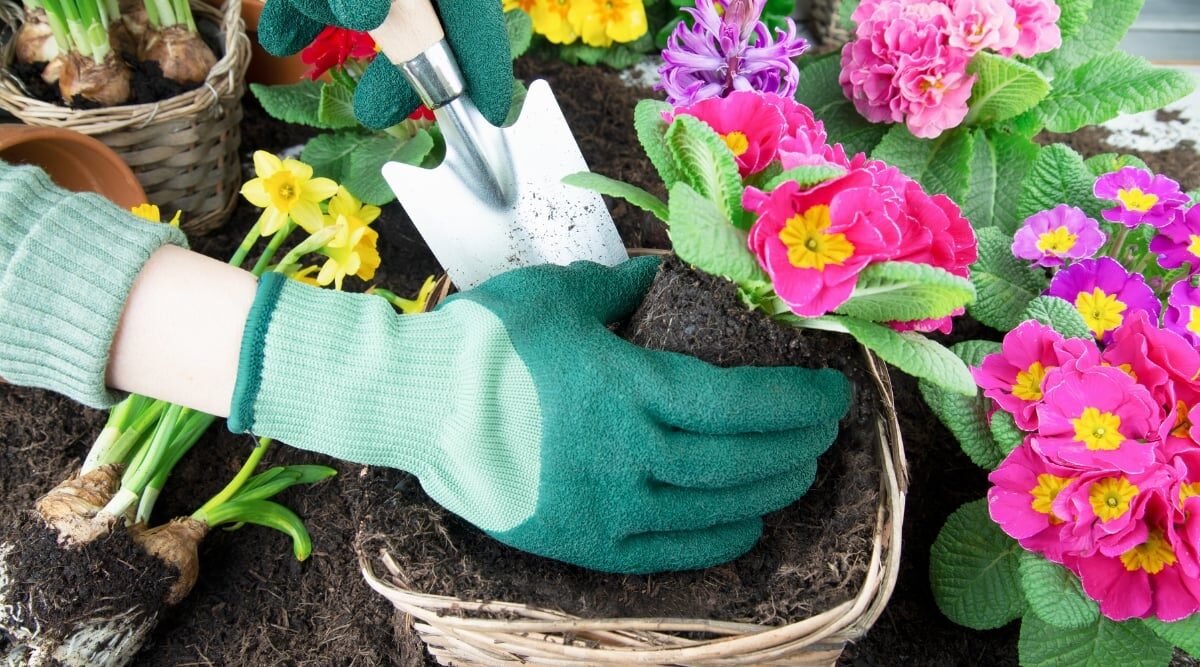
- Goal: Consistently moist, springy potting mix—never bone-dry and never soggy.
- How to water:
- Deliver water to the potting mix (not into the rosette center). Bottom-watering or a slow side-pour works well.
- Drain thoroughly—don’t let the pot sit in runoff.
- Keep the crown at or slightly above the soil surface to reduce rot risk.
- Seasonal rhythm (adjust to your conditions):
- Winter (peak bloom): Typically 2–3 times per week indoors.
- Spring (active growth): Often 3–4 times per week.
- Autumn (buds initiating): About 2–3 times per week.
- Summer/after bloom: Reduce frequency; keep roots cool and mix free-draining. Prioritize shade and airflow over constant watering.
- Pro tip: Water early in the day so any incidental splash dries fast—though aim to keep foliage dry every time.
Airflow: Your built-in disease deterrent
- Why it matters: Damp foliage + stagnant air invites leaf spot and gray mold (Botrytis).
- Create a gentle breeze:
- Crack a nearby window for a soft cross-draft on cool days.
- Run a small fan on low aimed past (not directly at) the plant.
- Space plants so leaves don’t touch.
- Avoid: Overly humid, stagnant corners and any location within a few feet of a heater.
Soil and pot setup
- Mix: Fertile yet airy—peat or leaf-mold–rich base with sand/perlite for drainage.
- Pot size: Commonly 12–15 cm (4.7–5.9 in) for flowering plants; ensure ample drainage holes.
- Key rule: Never bury the crown. Set it at or just above the mix line.
Feeding for fuller trusses
- During active growth and bloom: Feed roughly every 10 days (about every 1–2 weeks) with a balanced soluble fertilizer.
- As buds form and flowers open: Continue regular feeding and consider 1–2 “bloom-boost” applications higher in phosphorus/potassium early in flowering.
- Keep fertilizer solution off leaves and flowers to prevent scorch.
Grooming that prolongs the show
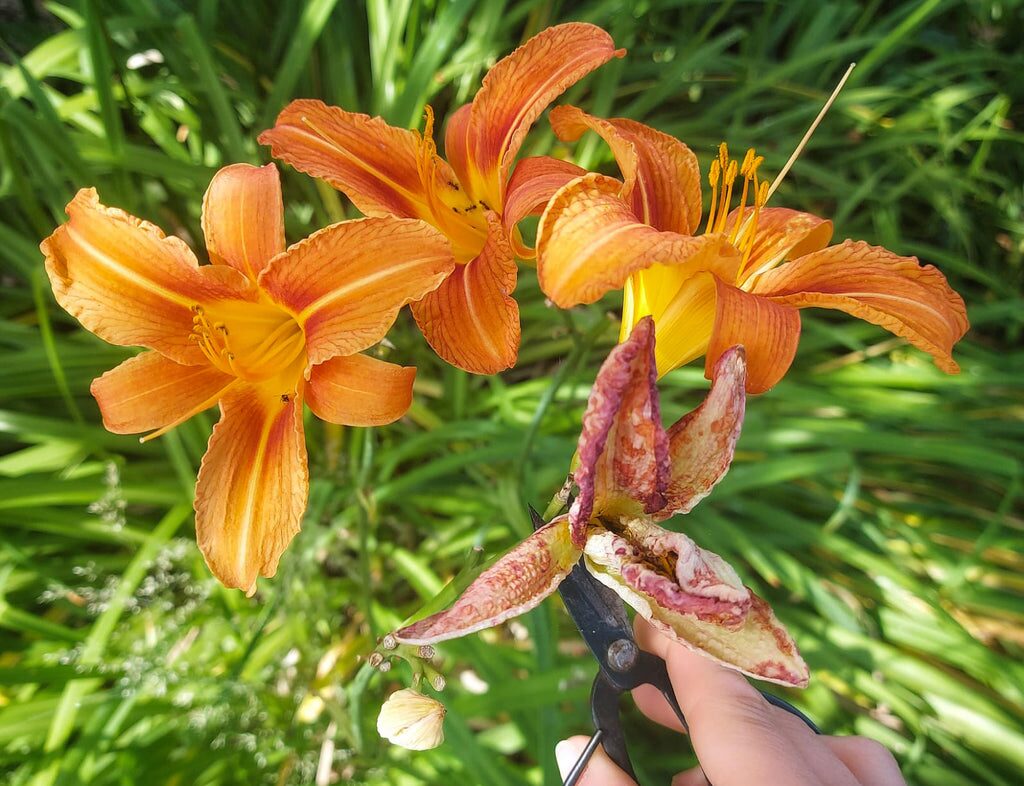
- Deadhead decisively: Remove spent flower stalks at the base to channel energy into new buds.
- Leaf care: Pinch away yellowing or dead leaves promptly to keep the crown clean and reduce disease pressure.
- Handle gently: Avoid frequent moving—bumping or repositioning breaks stems and can cause flower drop.
Your seasonal game plan
- Winter (spotlight season):
- Light: Bright with gentle sun.
- Temp: Aim for 13–18°C (55–64°F), above ~12°C (54°F).
- Water: 2–3 times per week as needed; never wet the crown.
- Feed: Light, regular feeding; keep foliage dry.
- Spring:
- Maintain bright light and even moisture (often 3–4 times per week).
- Continue deadheading for a longer flush.
- Summer (off-season care):
- Shield from heat. Shift to a cooler, airy, lightly shaded place.
- Reduce watering compared with peak bloom; avoid waterlogging.
- Raise local humidity around the plant (mist the air nearby or set a tray with damp pebbles) but keep water off leaves and crown.
- Autumn (reset and prep):
- Repot and/or divide if needed.
- Resume steady moisture as growth builds and flower stalks initiate.
- Keep the crown at the soil surface during any repot.
Buying and placement cheat sheet
- Choose: A compact, sturdy rosette with deep green leaves, a firm crown, and thick buds just opening; petals should be vivid and intact.
- After purchase:
- Park it in bright light with gentle sun (east/south exposure).
- Keep it away from heaters and hot drafts.
- Minimize moving during bloom.
Troubleshooting—fast fixes
- Long stems, faded color: Not enough light. Move to a brighter spot with gentle sun.
- Mushy crown or gray fuzz (Botrytis): Over-wet foliage + stagnant air. Remove affected parts, improve airflow, stop overhead watering.
- Crispy leaf edges or sudden collapse: Heat stress or dry air near heaters. Relocate to a cooler, airy perch.
- Droop with heavy pot: Waterlogged mix. Let drain thoroughly; improve drainage and airflow.
- Aphids or spider mites: Rinse gently, improve humidity/airflow balance, use insecticidal soap/horticultural oil if needed.
- No blooms indoors: Too warm or too dim. Cool it to 13–18°C and increase light.
Propagation (for the keen grower)

- Division (easiest): In autumn, lift the clump and gently separate offsets with roots. Trim old debris, then pot 1–3 divisions per 12–15 cm pot. Keep bright-shaded and evenly moist until established.
- Seed (finicky but possible):
- Timing: Around May indoors.
- Medium: Sterilized peat-based mix with perlite.
- Method: Surface-sow (do not cover). Keep at 15–18°C (59–64°F). Germination in 1–2 weeks is common with very fresh seed.
- Transplant: Prick out at 2–3 leaves, then again at ~4 true leaves. Always keep the crown at soil level.
Outdoor and hardiness notes
- In containers: Treat as not frost-hardy; protect from freezing and from temperatures below ~5°C (41°F).
- In the ground: Hardiness varies by cultivar and parentage. Many garden polyanthus types settle into mild-to-cool temperate climates (often roughly USDA Zone 4–8) if kept cool and evenly moist. Shade from hot sun and ensure excellent drainage.
Safety and sensitivities
- Not usually highly poisonous, but some Primula can cause skin irritation or allergic contact dermatitis (notably from compounds like primin) in sensitive people. Wear gloves if you’re reactive.
- Discourage pets and children from chewing on the plant.
What the blooms “say”
- Symbolism: Often associated with youth and renewal—an early herald of brighter days.
- Why that fits: The plant’s natural rhythm—peaking from late winter into spring—maps perfectly to fresh starts. It’s a classic, good-spirited gift for wishing happiness and a bright season ahead.
Size and look at a glance
- Habit: Compact, clump-forming rosette.
- Size: Typically 15–30 cm (6–12 in) tall in bloom, spreading 15–25 cm (6–10 in).
- Flowers: Dense, bouquet-like clusters in vivid solids and bicolors.
One last nudge for lush late-winter blooms
- Keep it bright, cool, and evenly moist.
- Ventilate lightly every day.
- Never wet the crown.
- Deadhead often, feed lightly, and resist the urge to fuss or move it.
Do those four things, and your Polyanthus primrose will repay you with a showy, morale-boosting display just when you need it most.