
Cymbidiums are honest plants: give them bright light, cool nights, steady moisture, and sharp airflow, and they’ll repay you with stately spikes that last for weeks. Miss that balance—especially while buds are swelling—and you’ll see it in stalled spikes and bud blast. Here’s your results-first game plan to keep the balance right and the blooms coming.
The 60‑second game plan (how to get spikes and keep buds on)
- Light: Bright to bright‑filtered sun; a splash of gentle morning direct sun is great. Provide about 50–60% shade in summer heat; move to a brighter, airy spot in autumn to drive spike initiation.
- Temperatures: Aim for cool to mild—roughly 10–25°C (50–77°F). Cool nights are your bloom trigger; avoid hot, stuffy rooms.
- Watering: Keep the mix evenly moist and airy, never soggy. Water rhythm:
- Spring/autumn: about 2×/week
- Summer heat: thoroughly in the morning (and again in evening if media dries fast)
- Winter: slightly moist, typically every 4–5 days
- Feeding: Use a dilute orchid fertilizer.
- Active growth: weekly
- Spike/bud initiation: continue light feeding (often weekly; reduce toward monthly if growth slows)
- Swelling bulbs/flowering: light feed about weekly; stop in winter or whenever growth markedly slows
- Airflow & humidity: High humidity (around 70–80%) paired with constant, gentle airflow. This combo prevents bud blast and fungal spotting.
—
Meet the Cymbidium Orchid
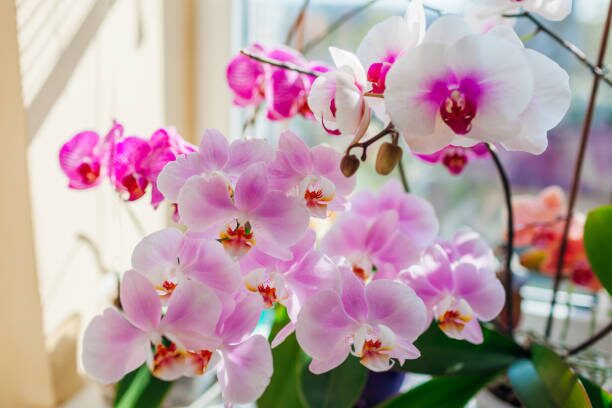
Evergreen, clump-forming orchids with arching, strap-like leaves and water‑storing pseudobulbs, Cymbidiums send up upright to arching flower spikes from mature growths, usually in late winter to spring. Blooms are waxy, long‑lasting, often fragrant, and come in a sweeping palette from greens and whites to pinks, yellows, reds, and browns. Originating from the Himalayas across Southeast Asia to Australia and New Guinea, they’re classic “cool‑growing” orchids made for bright, fresh air.
Light: Bright enough to spark spikes
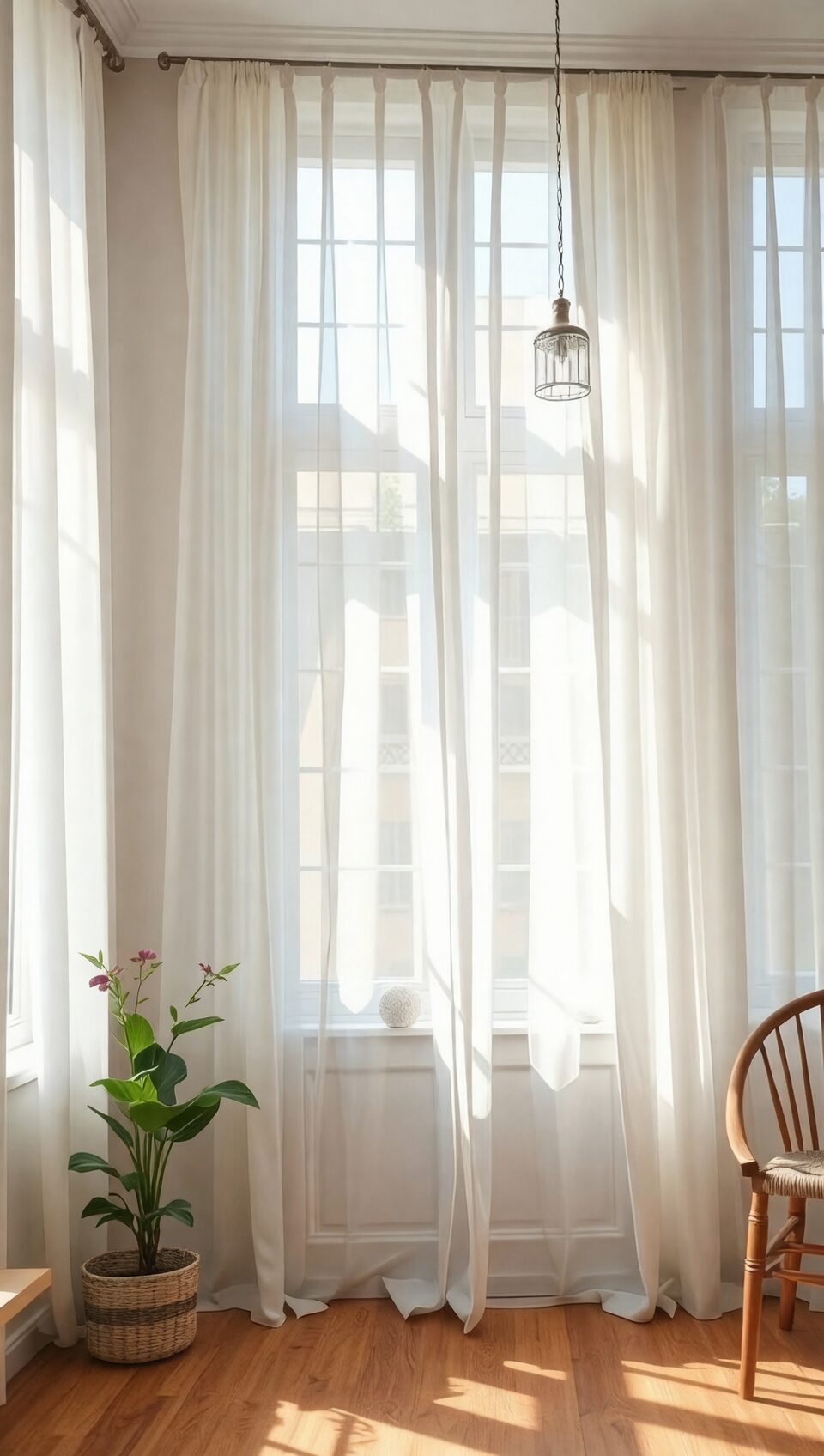
- What they want: Bright light to bright filtered sun. Gentle morning sun is welcome; protect from scorching midday rays.
- Summer: Provide about 50–60% shade so leaves don’t overheat; keep air moving.
- Autumn: Shift to a brighter, breezy position—this is prime time for spike initiation.
- Indoors: East or bright south exposure behind a sheer is ideal; keep the air fresh.
Tip: Leaves should read medium to slightly golden green. Deep, dark green foliage often signals not enough light for flowering.
Temperature: Cool nights flip the bloom switch
- Ideal range: About 10–25°C (50–77°F)
- Bloom help: Cool nights are especially helpful for setting spikes in late summer through fall.
- Winter: Keep above 10°C (50°F). Avoid hot, stagnant rooms—fresh, cool air is your friend.
- New arrivals: Many settle beautifully around 15°C (59°F) near a bright window with a sheer curtain.
Consistency matters most when buds are swelling: maintain cool-to-mild temperatures and steady airflow to prevent bud blast.
Watering rhythm you can memorize
Cymbidiums love “evenly moist” but never waterlogged media. Think sponge, not swamp.
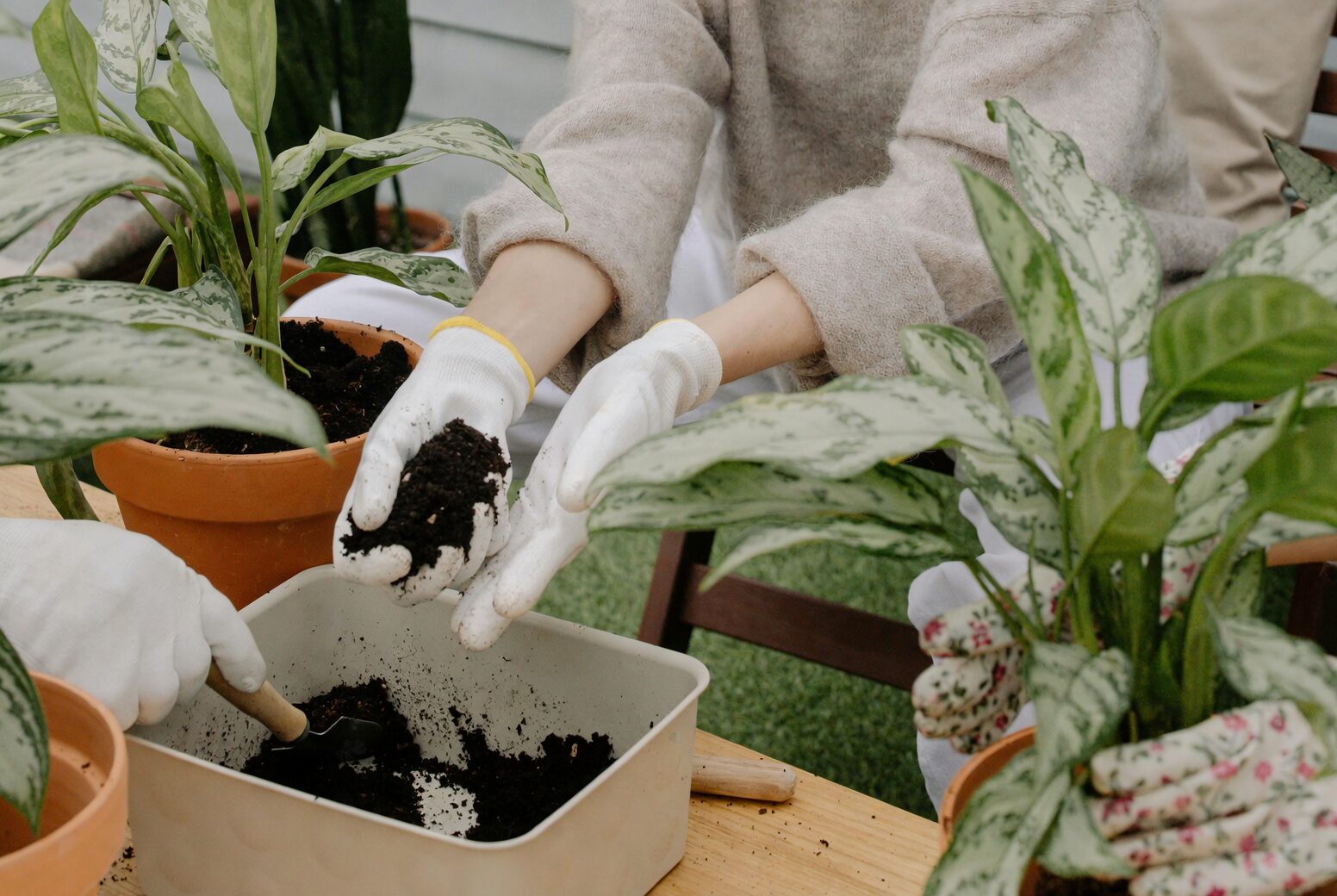
- Spring & autumn: Water about twice per week. Soak thoroughly, then let excess drain fast.
- Summer: In hot, bright weather, water deeply in the morning. If the mix dries rapidly, a light evening top‑up helps. Shade 50–60% and ventilate to keep roots cool.
- Winter: Keep slightly moist—typically every 4–5 days. Never leave the mix soggy.
- Humidity helpers: Mist the surrounding air/foliage lightly 1–2 times daily if indoor air is dry—but avoid letting water pool in the crown or sit on leaves. Always pair humidity with airflow.
Pro move: Water early in the day so foliage dries quickly, reducing disease pressure.
Feeding that fattens pseudobulbs (and powers flowers)
- Active new growth: Weekly dilute orchid fertilizer. Strong new leaves and swelling pseudobulbs bank energy for spikes.
- Spike/bud initiation: Continue light feeding. Many growers keep it weekly; if growth slows, reduce toward monthly.
- Swelling bulbs & flowering: A dilute liquid feed—sometimes as a light foliar spray—about once per week supports stamina.
- Winter or slow periods: Stop fertilizing.
Flush the pot monthly with plain water to prevent salt buildup in bark mixes.
Airflow + humidity: The anti–bud‑blast duo

- Target humidity: Around 70–80% if you can manage it. Use pebble trays, humidifiers, and light misting.
- Airflow: Keep gentle, constant movement—open windows (where safe), oscillating fans on low, or a breezy porch. Fresh air is the simplest way to prevent anthracnose, rust, and leaf spotting and to keep buds from stalling.
Potting mix, pots, and repot timing
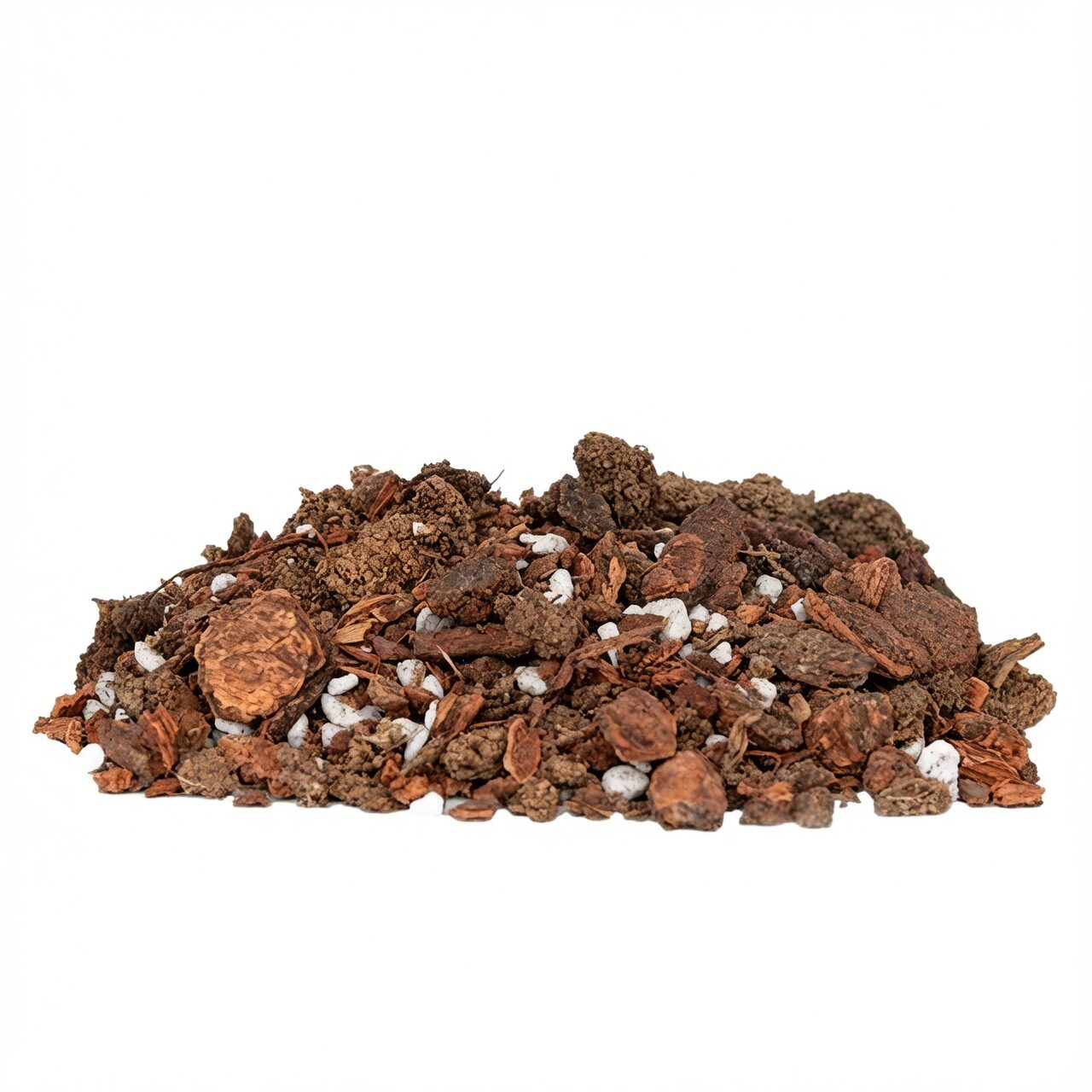
- Medium: A very free‑draining orchid mix—bark based with additions like a bit of sphagnum (in moderation), charcoal, fern fiber, and porous minerals such as zeolite or perlite. Avoid regular potting soil.
- Pot: Cymbidium roots like room in depth. Many growers favor a tall pot roughly 15 cm (6 in) wide and 20 cm (8 in) deep.
- When to repot: About once a year or when crowded—ideally right after flowering (often around April).
- How:
- Let the mix dry slightly so roots flex instead of snapping.
- Refresh media, remove yellow leaves, and trim dead or hollow roots with sterile tools.
- Water in, then resume your bright, cool, well‑ventilated placement.
Your year, simplified
- Spring
- Water ~2×/week; maintain humidity and airflow.
- Feed weekly during active growth.
- Enjoy blooms; cut spent spikes promptly.
- After flowering (often April)
- Prime time to repot and/or divide.
- Summer
- Provide 50–60% shade with strong airflow.
- Water more frequently (morning, and evening if needed).
- Mist to cool the air; prevent sogginess.
- Remove weak late‑summer shoots unlikely to mature.
- Autumn
- Move to a brighter, airy spot to support spike initiation.
- Water ~2×/week; continue light feeding.
- Winter
- Keep above 10°C (50°F).
- Stop feeding.
- Keep slightly moist (about every 4–5 days); avoid soggy media.
Troubleshooting: fast fixes
- Bud blast or stalled spikes
- Causes: Heat, stale air, low light, erratic watering.
- Fix: Brighter site, cool nights, steady moisture, and a small fan. Avoid sudden moves while buds are forming.
- Dark green, lush leaves but no flowers
- Cause: Not enough light.
- Fix: Increase brightness (especially autumn) with good airflow.
- Wrinkled pseudobulbs
- Causes: Under‑watering or root damage from soggy mix.
- Fix: Check roots; adjust watering to “evenly moist, airy” and repot if media is breaking down.
- Leaf spots (anthracnose, rust)
- Causes: Wet foliage + poor airflow.
- Fix: Improve ventilation, water early, remove affected tissue.
Smart buying
- Choose compact to medium cultivars for home spaces.
- Pick a plant with several open flowers (not mostly tight buds). Buds often drop when conditions change at home.
- Look for firm pseudobulbs and fresh, airy media.
Propagation by division (after flowering)
- Remove the spent spike.
- Unpot the clump and split with a sterile knife into divisions of 3–4 pseudobulbs each.
- Trim dead roots/leaves; pot into fresh, bark‑based mix.
- Keep bright, cool, and evenly moist; new roots establish quickly in fresh air.
Pests, diseases, and prevention
- Pests: Scale, whiteflies, aphids. Isolate, then treat with horticultural oil or insecticidal soap; repeat to catch hatchlings.
- Diseases: Anthracnose, black spot/leaf spot, rust—usually from wet leaves and stale air. Remove affected tissue, water early, and boost airflow.
Safety
Generally considered non‑toxic to people and pets. Still, chewing can cause mild stomach upset—keep out of reach of curious nibblers.
Meaning and a little history
Cymbidiums have long symbolized elegance, refinement, and good fortune—one reason they’re gifted so often in winter to spring. Cultivated for centuries in Asia, they later became a global star in the cut‑flower trade thanks to their travel‑tough, long‑lasting blooms and graceful sprays.
Fun facts
- Cool, bright windows and unheated conservatories suit many cymbidiums perfectly—cool nights help them flower.
- Pseudobulbs act like storage tanks, smoothing over short dry spells.
- With good care, one plant can carry multiple spikes at once.
- A tall pot—around 6 inches wide by 8 inches deep—fits their root habit nicely.
- Strong ventilation is one of the quickest wins against fungal leaf problems.
Wrap‑up: Keep your Cymbidium bright, cool at night, evenly moist, and breezy. That simple four‑part rhythm is the difference between leafy green and lavish spikes all season.