


Close your eyes and imagine stepping off a sunlit lawn into a green hush—fronds arching like cathedral ribs, paths softened with leaf litter, silvered variegation glinting in dappled light. This is the realm of ferns (Polypodiopsida), living time-capsules with feathery fronds that unfurl from coiled fiddleheads and reproduce by spores rather than flowers. In shade gardens, they’re the texture-makers and mood-setters, building serene woodland layers that feel cool, calm, and irresistibly walkable.
Below you’ll find a designer’s playbook: how to read your shade, pair ferns with flawless companions, craft soil mixes that stay airy and moist, fine-tune irrigation, and lay pathways that invite slow, meditative wandering.
Meet the stars: Ferns, the architecture of calm
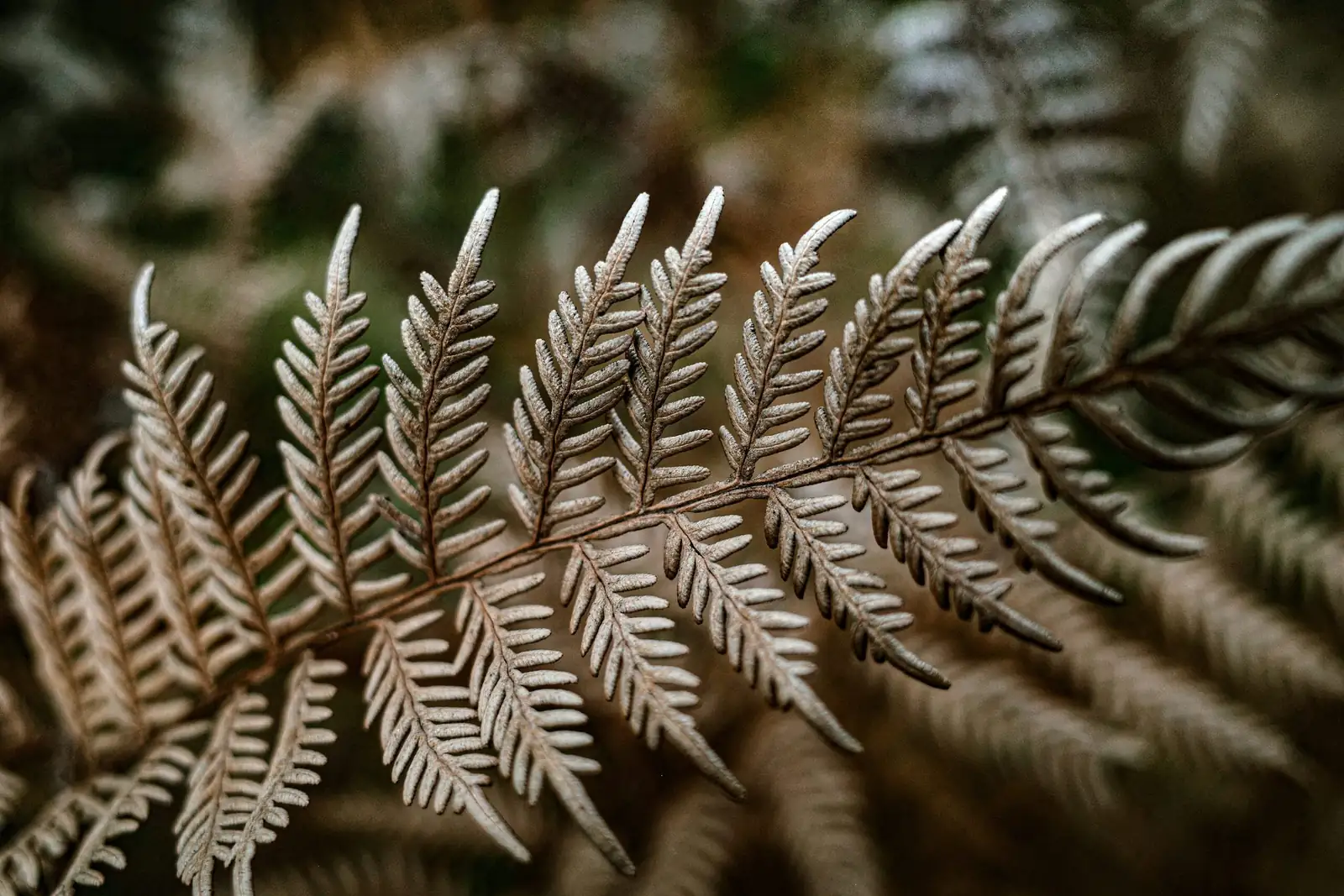
- Ancient lineage: Over 300 million years on Earth; no flowers or fruit—tiny spores form in sporangia on the undersides of mature fronds.
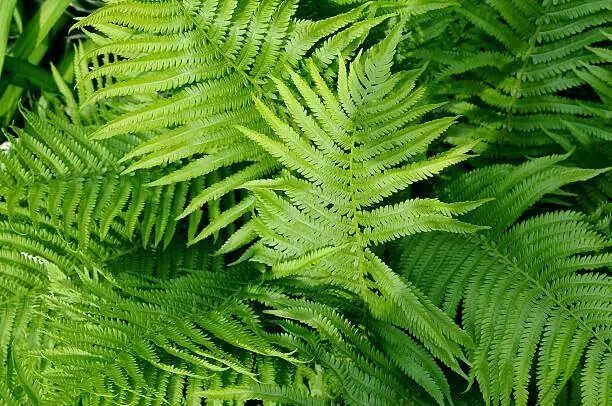
- Signature look: Delicate, often pinnate fronds with graceful arches; new fronds unfurl as “fiddleheads.”
- Growth habits: Tidy clumps or creeping rhizomes; some evergreen, some deciduous.
- Light and climate: Thrive in partial shade to bright indirect light; avoid harsh direct sun. Many enjoy cool to warm conditions, steady moisture, and high humidity.
- Soil: Loose, organic-rich, slightly acidic, and well-draining.
Designer-friendly fern genera for gardens:
- Dryopteris (wood ferns), Polystichum (shield ferns), and Athyrium (lady and Japanese painted ferns) for classic clumps and reliable texture.
- Matteuccia (ostrich fern) and Osmunda (royal fern) for bold, upright drama in moister spots.
- Adiantum (maidenhair) for fine filigree in consistently damp, sheltered nooks.
- Asplenium (hart’s tongue) for broad, glossy fronds that read beautifully in low light.
- Cyrtomium (holly fern) and Blechnum (deer and hard ferns) for evergreen structure where hardy.
Read the site: the light and water puzzle
Not all shade is the same. Spend a day watching the play of light and note moisture patterns:
- Part shade: 2–4 hours of gentle sun (often morning) or bright dappled light.
- Full shade: Less than 2 hours of direct sun with bright ambient light.
- Dry shade: Under eaves or dense trees where soil dries between rains.
- Moist shade: Low spots or near downspouts where soil stays evenly damp.
Right plant, right microclimate is everything. Put moisture-loving ferns in the low places and tougher clumpers under trees with improved soil and mulch.
The layered blueprint: serene woodland that thrives together
Build vertical depth so the garden looks composed from spring to frost.
- Canopy and understory
- Light, high-branching trees (e.g., serviceberry, dogwood) to create dappled light.
- Open-form shrubs (e.g., hydrangea in suitable climates) for four-season bones.
- Fern layer (the soft spine of the garden)
- Evergreen anchors: Polystichum munitum, Cyrtomium species.
- Color and pattern: Athyrium niponicum cultivars (Japanese painted ferns) thread silver, pewter, and burgundy through the shade.
- Bold height: Matteuccia struthiopteris, Osmunda regalis in the damper zones.
- Fine texture: Adiantum pedatum at path bends where you pass close.
- Groundcovers and companions
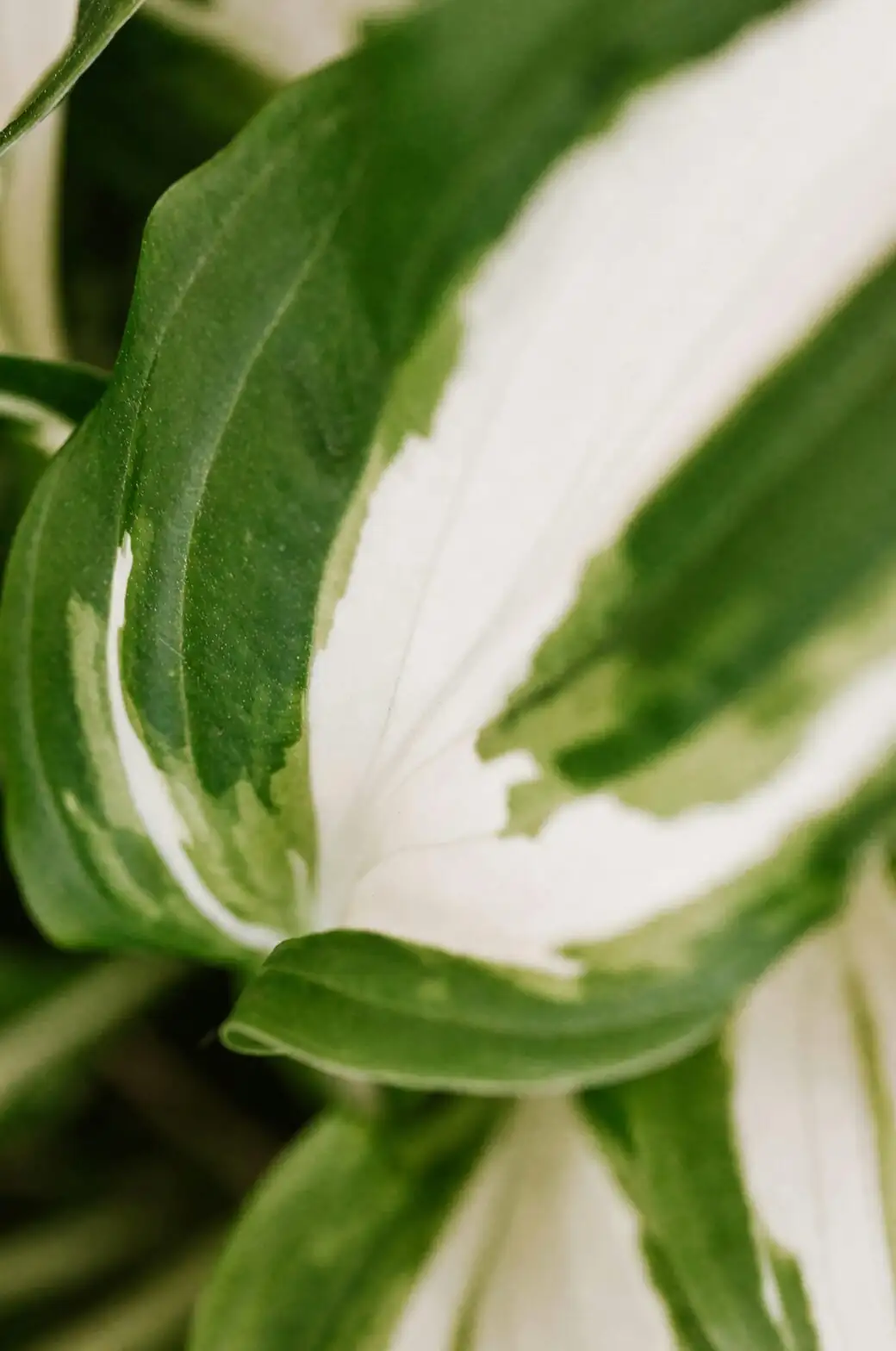
- Big leaves for contrast: Hosta cultivars (cool blues to chartreuse).
- Season-long color foliage: Heuchera (coral bells), Brunnera macrophylla (especially the silver-leaved forms), Pulmonaria (lungwort) for speckled leaves and spring bloom.
- Flowing grasses: Hakonechloa macra (Japanese forest grass) for luminous movement in part to full shade.
- Quiet carpets: Wild ginger (Asarum), sweet woodruff (Galium odoratum) in appropriate regions, or moss where conditions suit.
Tip: In shade, foliage is the headliner. Pair big, glossy leaves with lacy fronds, and thread silver or chartreuse through dark green to make the whole garden glow.
Companion plant pairings that make ferns sing
- With bold-leaf hostas
- Athyrium niponicum ‘Crested Surf’ or other Japanese painted ferns
- Hakonechloa macra ‘All Gold’ for a ribbon of light
- Pulmonaria ‘Twinkle Toes’ to sparkle in spring
- With silver and blue tones
- Brunnera ‘Jack of Diamonds’ or similar, backed by Asplenium scolopendrium for a glossy, upright counterpoint
- Dryopteris erythrosora (autumn fern) for coppery new fronds that age to green
- For damp woodland drama
- Matteuccia struthiopteris with Osmunda regalis and Adiantum pedatum near a swale or rain garden inlet
- Add spring ephemerals (where suitable): snowdrops and woodland anemones to bloom before the canopy fully leafs out
- For evergreen structure
- Polystichum setiferum cultivars and Cyrtomium falcatum flanking a path, with low Heuchera edging to read all winter in mild regions
Soil recipes: airy, organic, and slightly acidic
Ferns love soils that hold moisture without going soupy. Blend structure with sponge.
Base woodland bed mix (by volume):
- 40% leaf mold or peat moss (for moisture retention and slight acidity)
- 30% fine compost (well-aged; not hot)
- 20% pine bark fines or small orchid bark (air and long-term structure)
- 10% perlite or coarse sand (drainage)
Enhancements:
- A handful of fern fiber or shredded, rotted wood for extra tilth.
- Worm castings at 5% of total mix for a gentle nutrient boost.
For dry shade under trees:
- Broadfork or gently loosen the top 10–15 cm to avoid root damage.
- Top-dress 5–8 cm of leaf mold + bark fines and let earthworms do the mixing.
- Mulch annually with leaf litter to maintain a living sponge.
For moist shade or rain-garden edges:
- Add extra bark fines and coarse sand/perlite to prevent stagnation.
- Slightly mound planting areas so crowns sit just above grade.
For containers and baskets in bright shade:
- Use the base mix, emphasizing bark and perlite for fast drainage.
- Shallow, wide pots suit many ferns with shallow root systems.
planting note: Set crowns at their natural depth—never bury them. Water in with room-temperature water; rainwater is excellent if available.
Moisture management without mud
Ferns want “evenly damp,” not “soggy.”
- Watering rhythm
- In the growing season, water when the top 2–3 cm feels slightly dry. Outdoors, a slow, deep soak beats frequent sprinkles.
- Aim irrigation at soil level to avoid chronically wet foliage and leaf spot.
- Irrigation tips
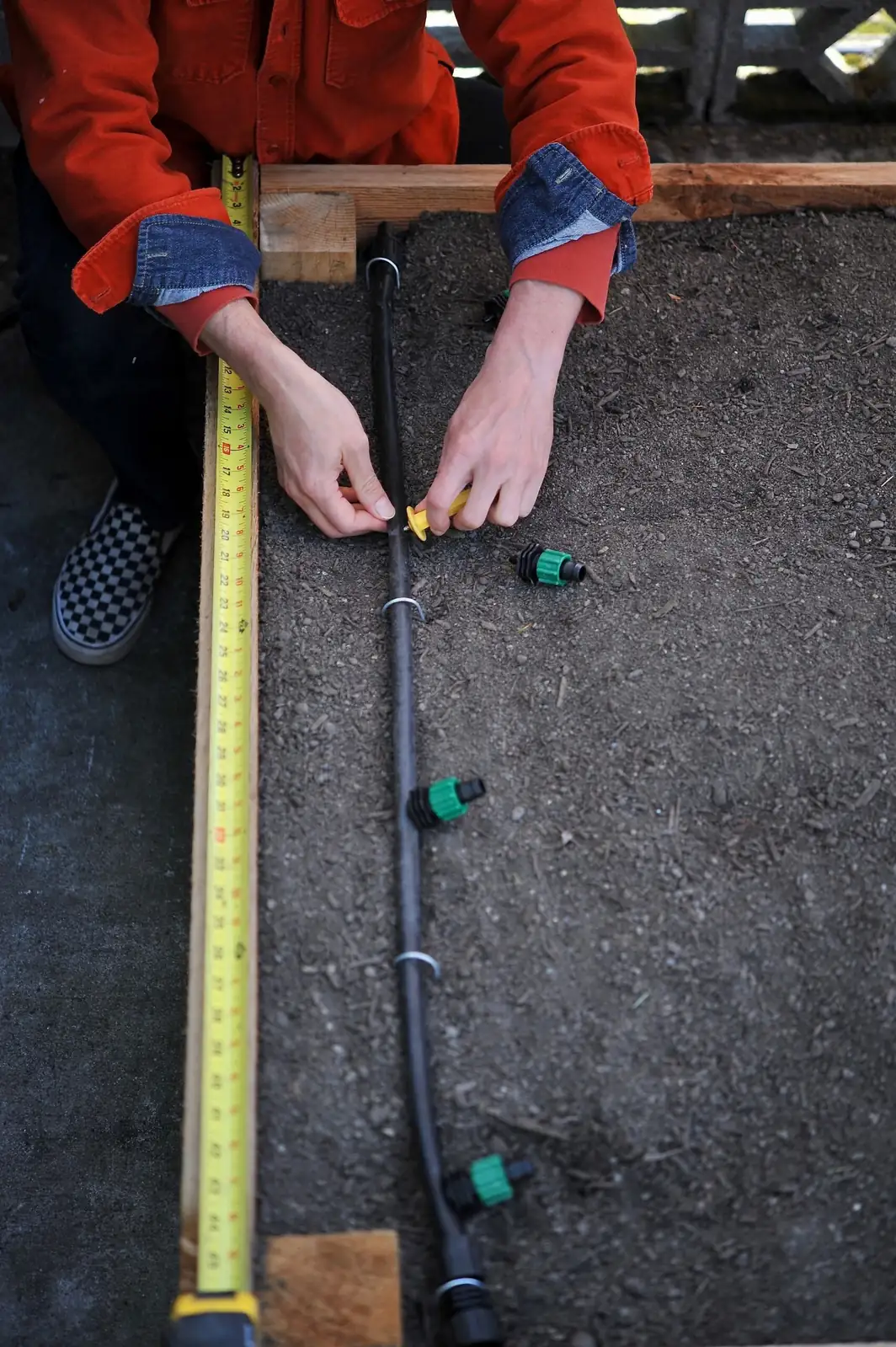
- Use drip lines (0.5–1 gph emitters) tucked beneath fronds; run longer but less often.
- “Pulse watering” on hot days: two shorter cycles an hour apart to reduce runoff.
- Capture roof runoff into a shallow swale that overflows into fern beds—grade so water spreads, lingers, then infiltrates.
- Mulch smart
- 5–8 cm of leaf mold or shredded bark; keep mulch a few centimeters off crowns.
- Refresh annually; this is your moisture blanket and soil-builder.
- Air movement
- Gentle airflow helps prevent fungal issues; avoid sealing fern beds behind solid hedging.
Pathways and edges: walking the quiet way
Make paths permeable so water feeds the garden, not the gutter.
- Materials that complement ferns
- Shredded bark or pine needle paths for softness and sound-dampening.
- Flagstone or stepping-stones set among fines; allow moss or low groundcovers to stitch between.
- Crushed gravel with a firmed, permeable base for ADA-friendly routes.
- Root-friendly building
- Weave paths around major roots; use shallow excavation and geotextile where needed.
- Lift stones slightly proud of grade near damp zones so they don’t become slippery.
- Plant the edges
- Low Athyrium, Polystichum setiferum ‘Divisilobum’, Adiantum pedatum in sheltered bends.
- Thread Hakonechloa along curves for movement; tuck in wild ginger or sweet woodruff to quilt the edges.
- Places to pause
- A simple bench or a log seat set where fronds arch overhead turns a path into a ritual.
Woodland vignette “recipe cards”
1) Dappled dry shade under a high canopy
- Backbone: Polystichum munitum (evergreen clumps, 3–5 plants in a drift)
- Contrast: Hosta (large-leaf, blue or chartreuse)
- Accent: Athyrium niponicum for silver and burgundy notes
- Flow: Hakonechloa macra ‘All Gold’ along the path edge
- Soil: Top-dress with leaf mold + bark; drip once a week in summer as needed
- Mulch: 5–6 cm leaf litter, renewed each fall
2) Cool, moist shade near a downspout splash zone
- Backbone: Matteuccia struthiopteris (ostrich fern) in a crescent around the wettest point
- Companion: Osmunda regalis (royal fern) for regal height and plume
- Filigree: Adiantum pedatum where splash is reduced and airflow is gentle
- Ground plane: Brunnera with silver leaves to reflect light
- Grading: A shallow, stone-edged swale to spread water, not pool it
3) Bright, even shade by a north-facing wall
- Backbone: Dryopteris erythrosora (coppery new growth)
- Evergreen: Cyrtomium falcatum flanking a bench
- Color carpet: Heuchera (deep plum or caramel tones) and Pulmonaria for spring flowers
- Threading light: Hakonechloa ‘Aureola’ weaving through
- Irrigation: Low, slow drip; keep foliage relatively dry
Care and seasonal rhythm
- Water
- Keep soil consistently moist but never sodden. Focus water at soil level; use room-temperature or rainwater if possible.
- Feeding
- Light, monthly feeding in spring and summer with diluted liquid fertilizer (half strength). Skip in fall and winter.
- Grooming
- Snip browned or damaged fronds at the base with clean scissors. Avoid tearing fronds or disturbing the crown.
- Division and repotting
- Divide clumps in spring; each division should carry roots and a few fronds.
- Containers: Refresh soil and repot every 1–2 years in spring; many ferns like shallower pots.
- Seasonal notes
- Spring: Strong growth; begin feeding; divide/repot.
- Summer: Guard against hot sun; maintain humidity and even moisture.
- Fall: Reduce watering; stop feeding.
- Winter: Water sparingly but don’t let roots fully dry; protect from drafts and severe cold as species require.
Health and safety
- Pests and diseases
- Watch for scale, aphids, and spider mites (less common with good humidity). Treat early with insecticidal soap or horticultural oil.
- Leaf spot/anthracnose: Improve airflow, avoid chronically wet foliage, and use appropriate fungicides if needed.
- Root rot: Usually from overwatering or poor drainage—amend soil and adjust watering.
- Toxicity notes
- Most commonly grown house and garden ferns are considered non-toxic to people and pets.
- Bracken fern (Pteridium aquilinum) can be harmful if eaten; avoid ingestion.
- In very sensitive individuals, spores may mildly irritate airways; good ventilation helps.
Ferns, folklore, and the “flower” that never was
Ferns don’t bloom, yet cultures around the world wrapped them in myth. European tales speak of a fern “flowering” on Midsummer’s Eve, granting luck and hidden treasure to whoever finds it—a poetic way to honor plants that quietly thrive where others falter. In modern symbolism, ferns embody new life, resilience, fertility, and protection. The Victorian fern craze (“Pteridomania”) turned these motifs into art and fashion, while in New Zealand, the silver gleam on certain frond undersides inspired a national emblem of guidance and renewal.
If you come across “flower language” for ferns, treat it as metaphor: a cultural overlay on a plant that succeeds without blossoms—its beauty is in the architecture of its fronds and the hush it brings to a garden.
Bring the woodland closer
Whether you’re carving a ribbon of flagstone through a tapestry of Athyrium and hostas or tucking glossy Asplenium beside a bench, designing with ferns is about comfort—for plants and people. Read your light and moisture, build a living soil, water low and slow, and let lacy fronds do the rest. In the green hush, small details—footfalls on bark mulch, a silver leaf catching dusk—become the garden’s gentle heartbeat.