

You can smell spring before you see it when Hyacinthus orientalis is on the scene. Those tight, candy-colored spires and glossy green leaves deliver a room-filling perfume—and, with a little strategy, you can keep stems sturdy, flowers pristine, and the show going longer. Here’s a crisp, season-by-season roadmap that covers watering, light, temperature, and dormancy for fail-safe blooms indoors, in pots, or in the garden.
Meet the plant, quickly
- Botanical name: Hyacinthus orientalis (Common/Dutch/Garden Hyacinth)
- Family: Asparagaceae
- Native range: Eastern Mediterranean to western Asia; famed cultivation in the Netherlands
- Size: Typically 15–30 cm (6–12 in) tall in bloom, 10–20 cm (4–8 in) wide
- Bloom: Late winter to spring (often February–April)
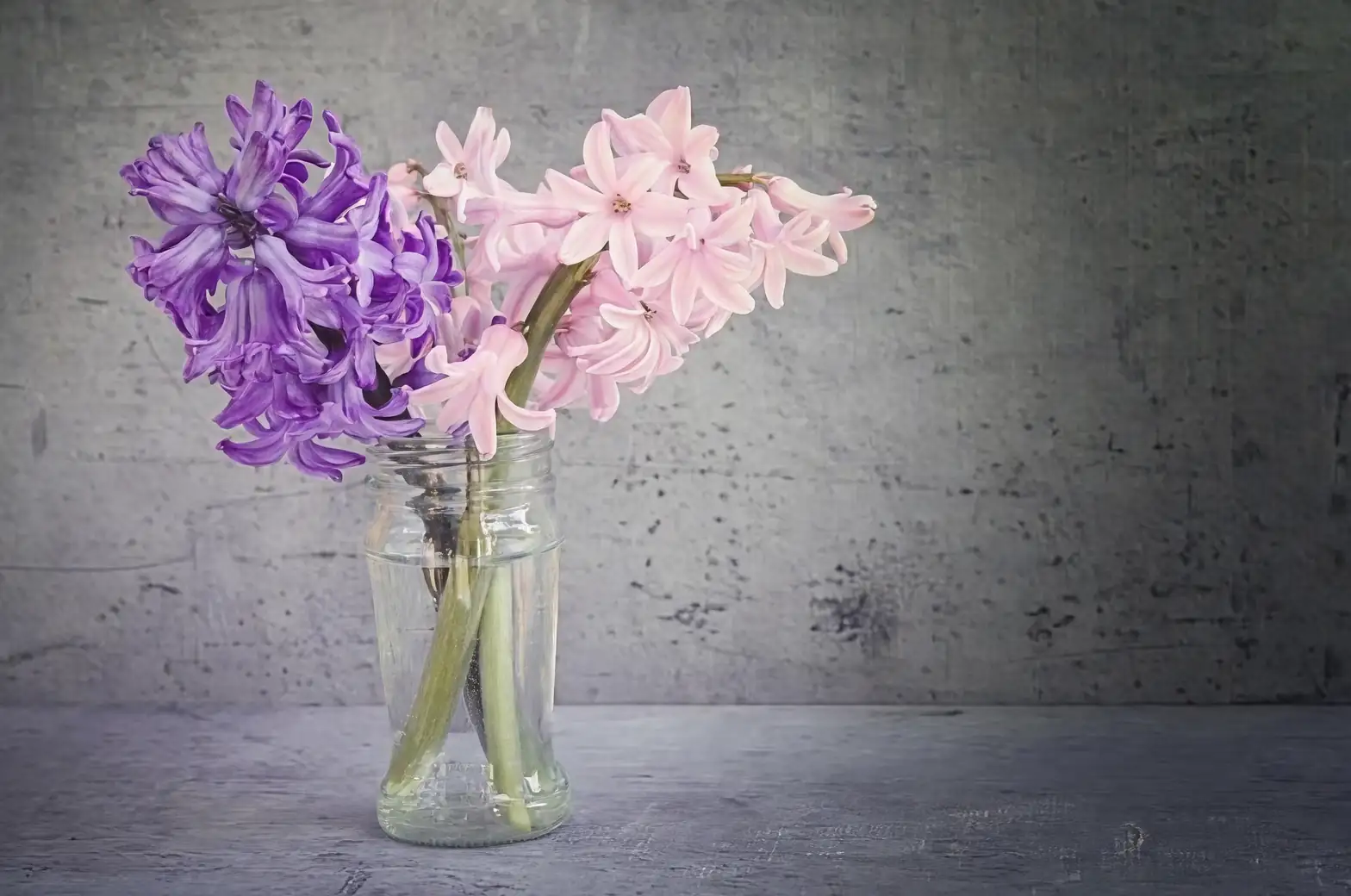
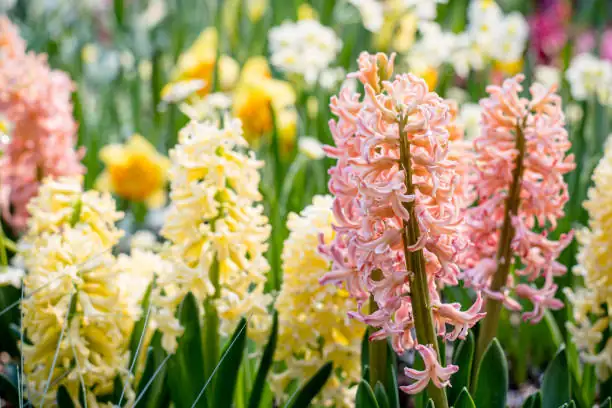
- Signature: Dense, waxy, bell-to-star-shaped florets with a famously sweet scent
- Best allies: Cool temperatures, bright light, and excellent drainage
The season-by-season care roadmap
Autumn: Plant and chill (foundation for strong spikes)
Goal: Rooting + flower initiation without rot.
- Choose bulbs
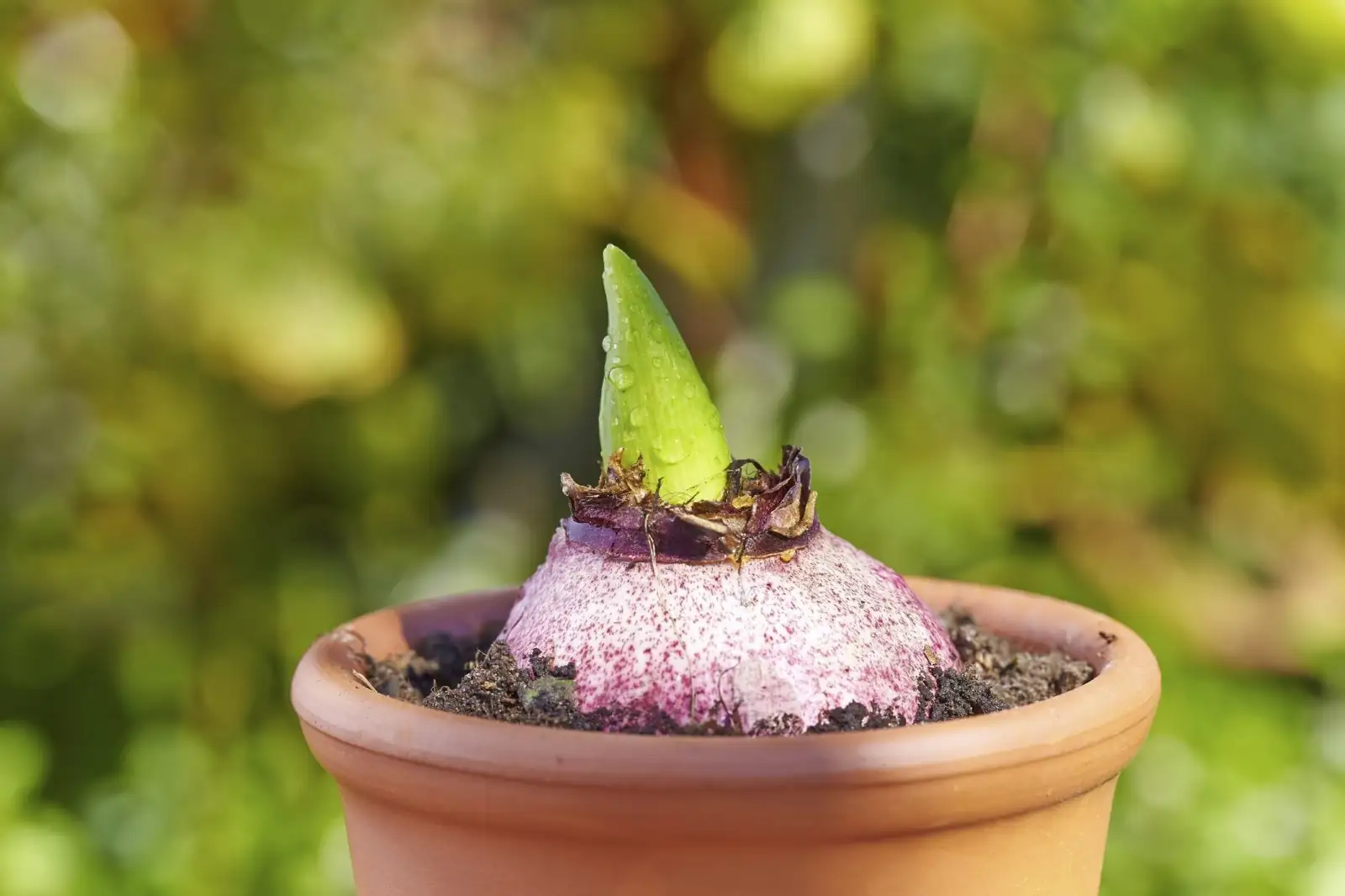
- Pick firm, heavy bulbs with intact skins. Bigger bulbs bloom better: aim for 16 cm (6.3 in) circumference or larger; ~18 cm (7.1 in) gives powerhouse spikes for forcing.
- Planting in pots
- Pot size: a single large bulb thrives in a 12–15 cm (4.7–5.9 in) wide pot with drainage holes.
- Mix: 2 parts quality potting mix to 1 part grit/pumice (2:1) for fast drainage.
- Depth: Plant with the nose at or just above the mix surface in containers (follow supplier guidance).
- Planting outdoors
- Site: Full sun to partial shade with free-draining soil. Avoid winter-wet spots.
- Depth: Commonly 10–15 cm (4–6 in) deep; space bulbs ~8–12 cm (3–5 in) apart.
- Water
- Water in once to settle soil. Then keep just lightly moist—never soggy.
- Chill (critical for bloom)
- For forcing or mild climates: provide 12–14 weeks around 2–9°C (35–48°F).
- Rooting phase sweet spot: 5–10°C (41–50°F). Darkness is fine during chilling.
- Water forcing? Place the bulb in a hyacinth vase with water 1–2 cm (0.4–0.8 in) below the bulb base; only roots should touch water.
Winter: Root first, then wake slowly
Goal: Strong roots, compact foliage, sturdy stems.
- Light
- While chilling, light is optional. After roots form and shoots are ~2–5 cm, move to bright light.
- Temperature
- Keep cool: early leaf growth is best at 10–12°C (50–54°F).
- Water
- In soil: barely moist; check occasionally and water lightly at the rim.
- In water: change water every 2–3 days at first, then weekly once roots are established; a small piece of charcoal helps freshness.
- Airflow
- Ensure gentle airflow to curb mold. Never enclose bulbs in tightly sealed bags/containers.
Late winter to spring: Buds, bloom, and extra longevity
Goal: Stocky, upright spikes and flowers that last.
- Light
- Outdoors: 4–8 hours of sun daily; more sun = sturdier stems.
- Indoors: very bright window or under grow lights. Behind glass, shield from hot midday sun in warm spells.
- Temperature
- Bud and bloom best at 15–18°C (59–64°F). Cooler rooms keep flowers fresher for longer.
- Water
- In soil: water when the top 2–3 cm (about 1 in) dries. Water at soil level; keep blooms dry—petals spot and rot if splashed.
- In water: maintain the gap under the bulb; keep roots submerged, not the bulb.
- Feeding
- Saving bulbs? Once growth is active, a balanced liquid feed or seaweed every 2 weeks helps. Stop feeding in water culture once buds form to keep water clean.
- Pro tips to prevent flops and extend bloom time
- Keep it cool (10–15°C/50–59°F at night) and bright.
- Rotate pots for even growth; avoid heat vents and radiators.
- Don’t mist flowers; improve airflow instead.
- Indoors, a discreet support ring can steady oversized spikes.
Post-bloom (spring): Recharge the bulb
Goal: Refill next year’s flower tank.
- Deadhead
- Snip off the spent spike so energy returns to the bulb.
- Keep leaves
- Let foliage soak up light until it naturally yellows; that’s your recharge period.
- Water and feed
- Water moderately; never soggy. If you’re saving bulbs, continue a balanced feed every 2 weeks while leaves are green.
- Transition from water forcing
- After flowering, move forced bulbs to a gritty, free-draining potting mix or into the garden to grow on. Expect a lighter show next year unless bulbs fully recharge.
Late spring to early summer: Taper to dormancy
Goal: Ease into rest without rot.
- As foliage yellows, reduce watering.
- When leaves are fully brown and dry, remove them.
- In heavy soils or wet-summer climates, lift bulbs to store rather than leaving them to rot.
Summer: Dry dormancy and storage
Goal: Keep bulbs dry, airy, and forming next year’s flower buds.
- Store lifted bulbs dry, shaded, and ventilated at 20–28°C (68–82°F); around 25°C (77°F) is often ideal for flower-bud formation.
- Inspect monthly for softness or mold; discard any that fail the “firm and heavy” test.
- No watering during dormancy.
Early autumn again: Replant for a repeat
- Replant in fresh, free-draining mix or garden beds.
- Outdoors, reliable cold winters (USDA Zones 4–8; some into 9 if winters run cool) often supply the chill naturally.
Indoors vs. outdoors: Placement at a glance
- Outdoors
- Full sun to partial shade; excellent drainage is nonnegotiable.
- Beds, borders, rock gardens, patio pots. Avoid winter-wet soils.
- Indoors
- Bright windowsill with airflow; the cooler the room, the longer the bloom.
- Keep blooms away from cooking steam and heater blasts.
- Water forcing
- Classic hyacinth glass works beautifully. Start cool and dim; move to bright once roots are robust.
Soil, watering, and feeding—your steady-state settings
- Soil
- Use a fertile, loose, free-draining mix; 2:1 potting mix to grit/pumice shines in containers.
- Watering rhythm
- Planting time: water in once.
- Chilling/rooting: slightly moist only.
- Active growth/bloom: water when the top 2–3 cm dries; never leave pots standing in saucers of water.
- Dormancy: keep dry.
- Fertilization
- At planting or early growth: incorporate bulb food or a balanced fertilizer.
- After flowering: feed every 2 weeks while leaves remain green to “recharge.”
- Water culture: feed very lightly only after 3–4 leaves appear; stop once buds form.
Troubleshooting (and how to avoid flops)
- Floppy stems
- Causes: low light, warmth, sudden growth spurts, weak bulbs.
- Fix: brighter light, cooler temps (15–18°C for bloom), rotate the pot, consider a small support ring, and choose large, high-quality bulbs.
- Short spikes or no bloom
- Causes: insufficient chilling (need ~12–14 weeks at 2–9°C), heat during early growth, or depleted bulbs.
- Fix: provide the full chill; keep early growth cool; feed during the leaf phase post-bloom.
- Brown-spotted or mushy flowers
- Usually from water on petals or stagnant, damp air.
- Fix: water at soil level, avoid misting flowers, improve airflow, and keep cool.
- Bulb rot
- Mostly from soggy soil.
- Fix: switch to a gritty mix, ensure drainage holes, and water less in cool weather.
Buying guide (for show-stopping spikes)
- Bulbs: Firm, heavy, unblemished skins; avoid soft spots or mold. Bigger circumference = fuller spikes (16–18 cm+ recommended for forcing).
- Potted plants: Glossy green leaves, upright stems, and a flower spike showing color but not fully open for maximum display at home.
Pruning and propagation
- After bloom: Deadhead promptly; keep leaves until they yellow and wither.
- Propagation: Offsets (1–2 bulblets per year). Bulblets take ~2–4 years to flower—slow but satisfying.
Safety, pests, and plant health
- Toxicity
- All parts—especially the bulb—are toxic if ingested; may cause nausea, vomiting, and diarrhea in people and pets. Bulb scales/sap can irritate skin (the infamous “hyacinth itch”). Wear gloves if you have sensitive skin.
- Pests and diseases
- Watch for aphids, spider mites, bulb mites; gray mold (Botrytis), storage rots (Penicillium), and other soft rots thrive in damp, stagnant conditions.
- Prevention: start with clean bulbs, ensure drainage and airflow, keep water off blooms, store bulbs dry and ventilated. Follow local regulations and labels if controls are needed; avoid routine spraying.
Symbolism and story: why hyacinths carry so much feeling
Hyacinths come wrapped in myth. In Greek legend, the youth Hyacinthus—beloved of Apollo—dies in a discus accident; from his blood springs a flower bearing his name. This tragedy linked hyacinths with remembrance and deep feeling in Western lore.
Flower language (the Victorian-era practice of assigning meanings to blooms) later layered playful codes onto hyacinths:
- Blue: constancy and sincerity
- White: purity or silent love
- Pink: playfulness or romance
- Red: passionate love
- Yellow: joy
- Purple: sorrow or jealousy
These meanings aren’t botanical truths; they’re cultural poetry—ways people have used flowers to say what’s hard to speak. Let them guide your gifting, but not your gardening.
Fun (and useful) extras
- Hyacinths are cut-flower naturals and one of the easiest bulbs to force indoors, including in elegant hyacinth vases.
- Cool rooms preserve the bloom far longer—think bright hallway over steamy kitchen.
- Offsets form slowly; patience rewards with heirloom-level continuity.
One-minute recap: the anti-flop checklist
- Big, healthy bulbs + gritty, draining mix
- Full sun to partial shade (or very bright indoors)
- Chill 12–14 weeks at 2–9°C before bloom
- Grow cool: 10–12°C for leaves, 15–18°C for buds/flowers
- Water when the top 2–3 cm dries; never soggy; keep flowers dry
- Deadhead after bloom; feed while leaves are green
- Dry summer rest at ~25°C with airflow
Follow this rhythm, and your Hyacinthus orientalis will deliver those upright, intoxicating spires right when winter starts to loosen its grip—and keep them looking fabulous for days longer.


