

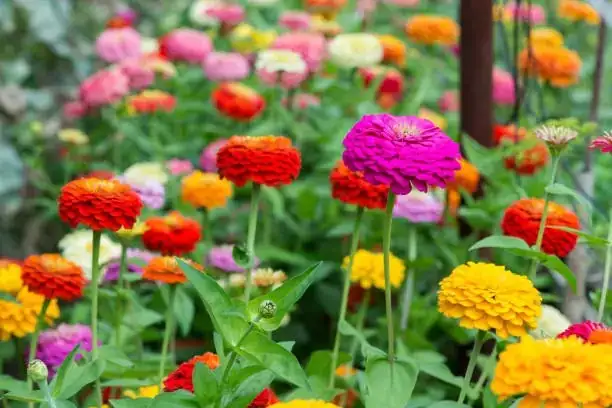
Zinnia elegans Jacq., commonly known as the Common Zinnia or Elegant Zinnia, is a vibrant spectacle in any garden, delighting with its daisy-like blooms that span the color spectrum. Native to Mexico, this heat-loving annual is a favorite among gardeners for its cheerful colors and the butterflies it attracts. However, like any garden beauty, it has its share of challenges—particularly when it comes to pests and diseases. Let’s dig into the world of Zinnia elegans, uncover common issues, and explore how to keep these floral gems thriving.
Invaders in the Garden: Common Pests
Aphids: The Tiny Sappers
Aphids are small, sap-sucking insects that can often congregate on the tender parts of zinnias. These pests can cause leaves to curl and stunt plant growth. The best way to handle an aphid infestation is with a strong stream of water to dislodge them or by applying insecticidal soap. This method is gentle on the plant and effective against these unwelcome guests.
Spider Mites: The Tiny Spin Masters
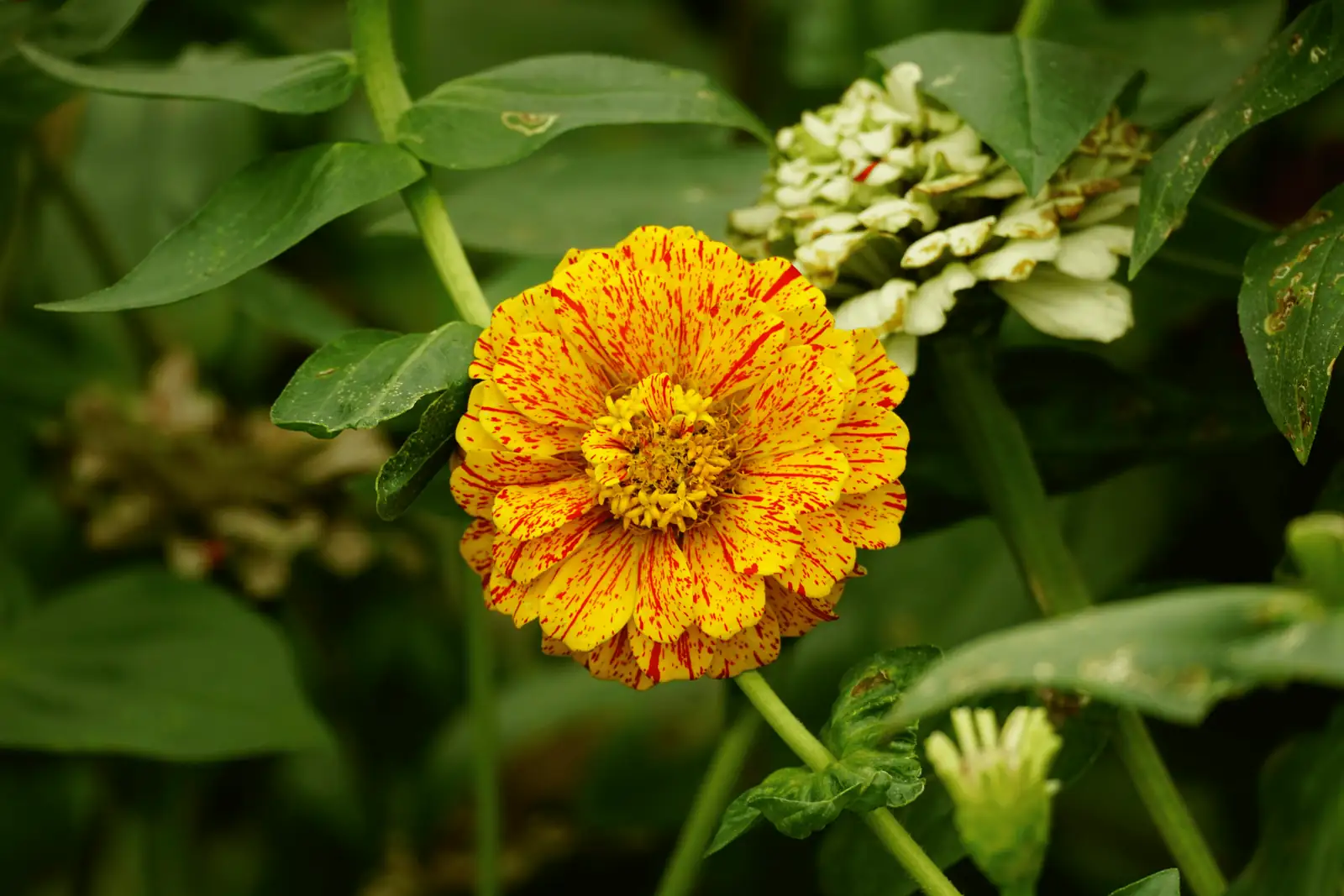
Spider mites thrive in hot, dry conditions and can be identified by the fine webbing they create and the speckled appearance of leaves as they suck out the plant’s juices. Combat them with regular watering to maintain humidity around the plants or by using insecticidal soap on the underside of leaves where they tend to hide.
Whiteflies: The Fading Menace
Whiteflies are another pest that may affect zinnias, particularly in warm climates. They can be controlled by similar methods used for aphids and spider mites. Introducing natural predators such as ladybugs can also help keep their population in check.
Fungal Foes: Diseases to Watch
Powdery Mildew: The White Dust
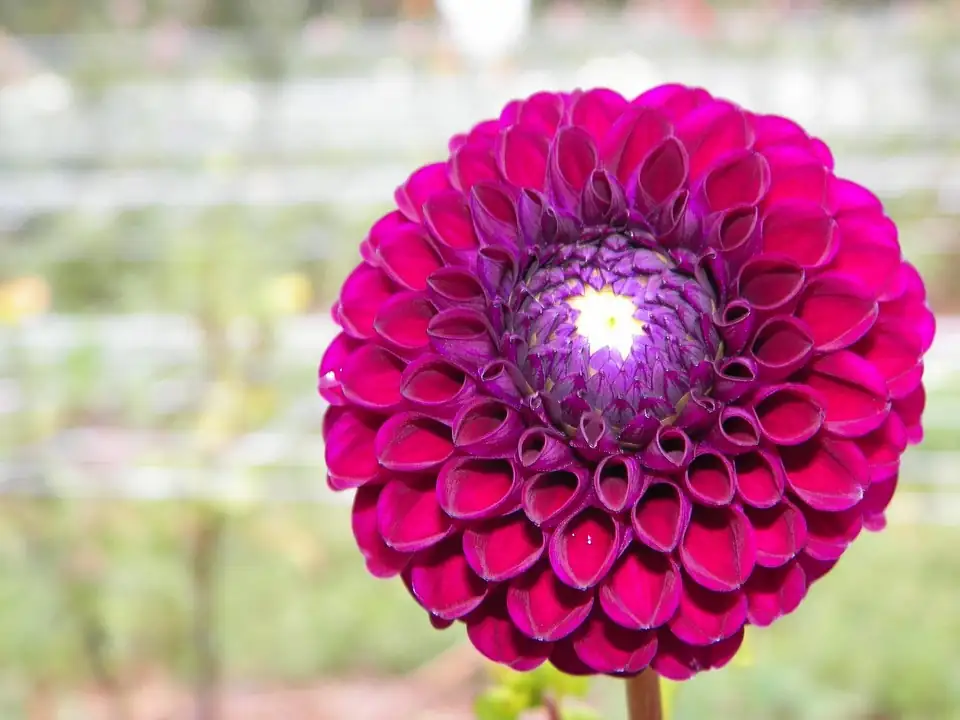
Powdery mildew is a common fungal disease that appears as a white powdery coating on the leaves. High humidity and poor air circulation are often to blame. To prevent it, ensure proper spacing between plants and water the soil directly rather than overhead to keep foliage dry.
Leaf Spot and Blights: The Unsightly Discolorations
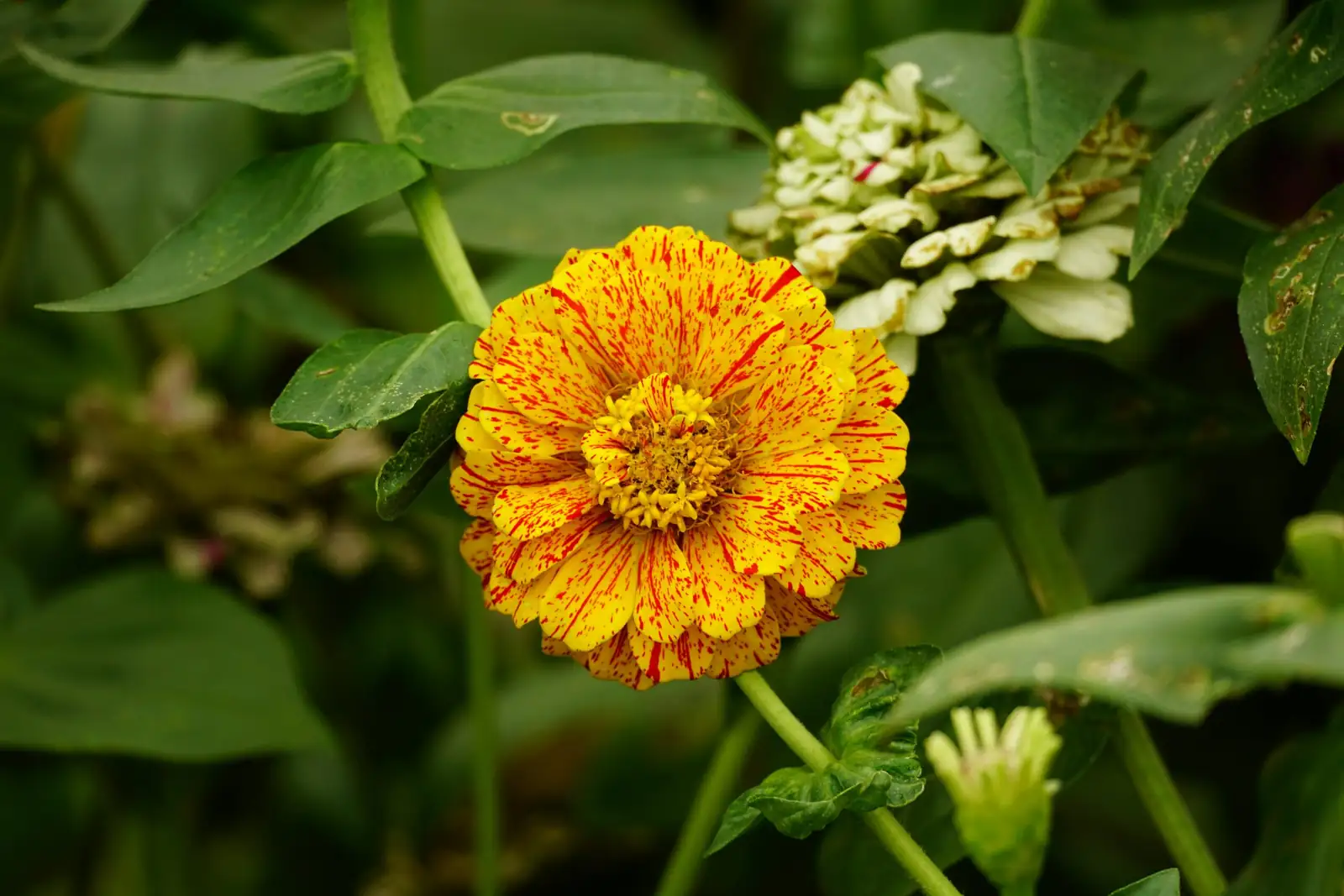
Leaf spots and blights can mar the appearance of your zinnias, often exacerbated by wet foliage and poor air circulation. These diseases can be minimized by ensuring that plants have enough space for air to move freely and by removing any affected leaves promptly. Rotate zinnias with other plant species each year to reduce disease buildup in the soil.
Cultural Care: The Best Defense
Sunlight and Watering
Zinnias are sun worshipers, and they thrive in full sunlight, which helps keep their stems strong and their blooms prolific. Aim for at least six hours of direct sunlight a day. Water deeply but infrequently, focusing on the base of the plant to encourage deep root growth and reduce the risk of fungal diseases.
Soil and Fertilization
Zinnias prefer well-draining, fertile soil enriched with organic matter. Avoid waterlogged conditions as they can lead to root rot. A balanced fertilizer can be applied a couple of times throughout the growing season, but be cautious of overfeeding with nitrogen, which can encourage leafy growth at the expense of flowers.
Pruning and Deadheading
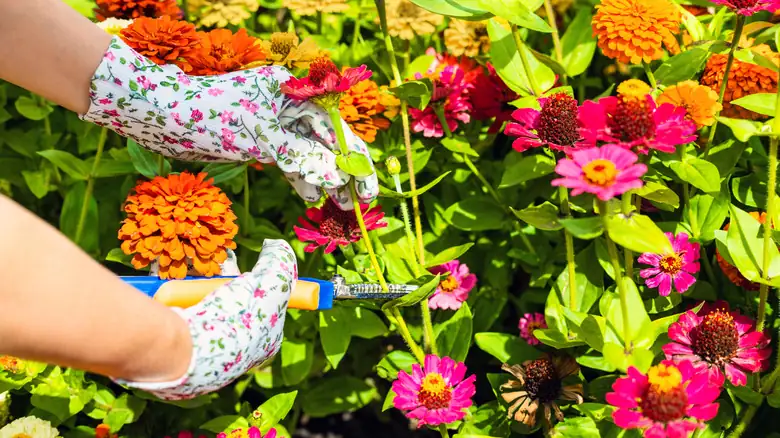
Regular deadheading of spent blooms encourages further flowering, ensuring your zinnias remain vibrant throughout the season. Pinching back young plants will promote bushier growth and more flower stems, adding to the plant’s overall appeal.
Flower Language and Historical Context
Zinnias are often associated with endurance and steadfast affection, likely because of their ability to bloom tirelessly throughout the summer. Their vibrant colors and sunny disposition have made them a symbol of strong friendship and lasting memories. Historically, zinnias were named in honor of Johann Gottfried Zinn, a German botanist who first described them scientifically. They have played a role in Mexican heritage, where their bright hues are celebrated in cultural and ceremonial contexts.
By understanding the needs and potential challenges of Zinnia elegans, gardeners can enjoy these beautiful blooms with minimal fuss. With proper care and attention, your zinnias will continue to be a dazzling highlight in your garden, inviting butterflies and admiration from all who pass by.


