

Gardening can be a delightful escape, but nothing sours the experience quite like discovering your prized plants turning into a mushy mess. Bacterial soft rot is a common culprit behind this garden nightmare, affecting a wide range of fruits, vegetables, and ornamentals. But don’t worry! With a keen eye and some preventive know-how, you can tackle this pesky problem head-on.
Spotting the Signs of Soft Rot
Bacterial soft rot sneaks up on plants, often unnoticed until the damage is done. Here are some tell-tale signs to watch out for:
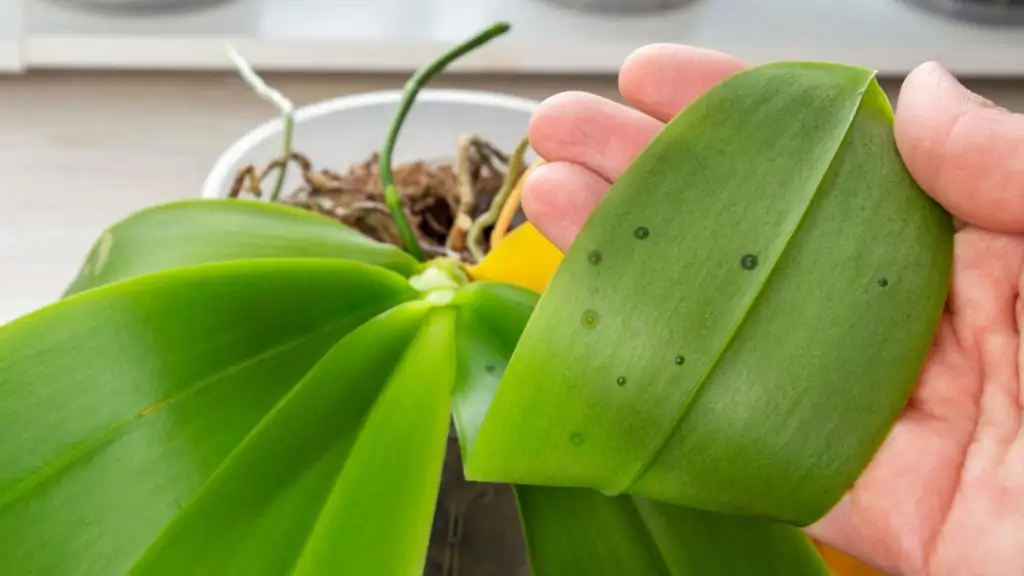
- Water-soaked Spots: These are the initial indicators, appearing on stems, leaves, or fruits. They look like dark, wet patches that gradually expand.
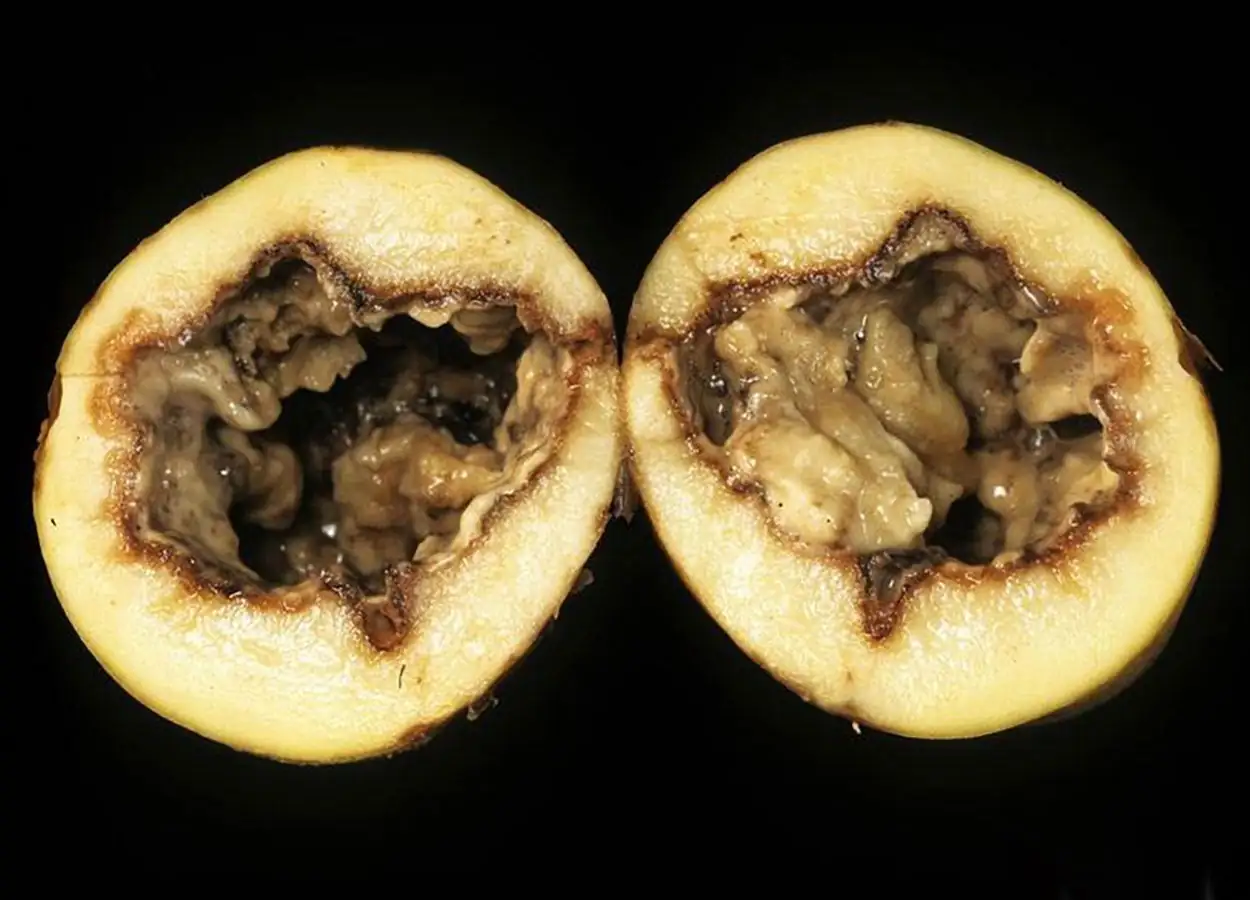
- Soft and Mushy Tissues: As the disease progresses, the affected areas become soft, mushy, and often discolored, ranging from cream to black.
- Foul Odor: One of the most distinctive markers of soft rot is the strong, unpleasant smell that accompanies the breakdown of plant tissue.
- Discoloration and Seepage: In advanced stages, you’ll notice seepage and a noticeable change in color, especially on stored vegetables like potatoes and carrots.
By regularly inspecting your plants, especially during warm and humid conditions, you can catch these symptoms early and take action before it’s too late.
Understanding the Causes
Soft rot is primarily caused by bacteria such as Pectobacterium and Dickeya species. These bacteria thrive in moist environments and can easily infect plants through wounds or natural openings. High humidity and poor air circulation can exacerbate the problem, making proper plant care essential.
Preventive Measures to Keep Rot at Bay
Prevention is your best defense against bacterial soft rot. Here’s how you can protect your garden:
- Ensure Good Drainage: Plant in well-draining soil to prevent water from pooling around roots. Raised beds or mounded rows can be especially effective.
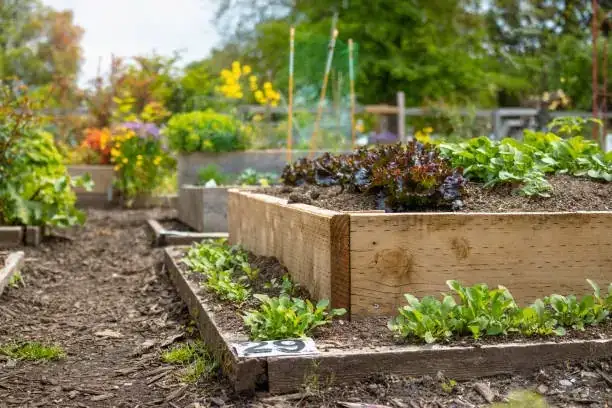
- Proper Spacing: Give plants enough space to ensure good air circulation, reducing humidity around foliage.
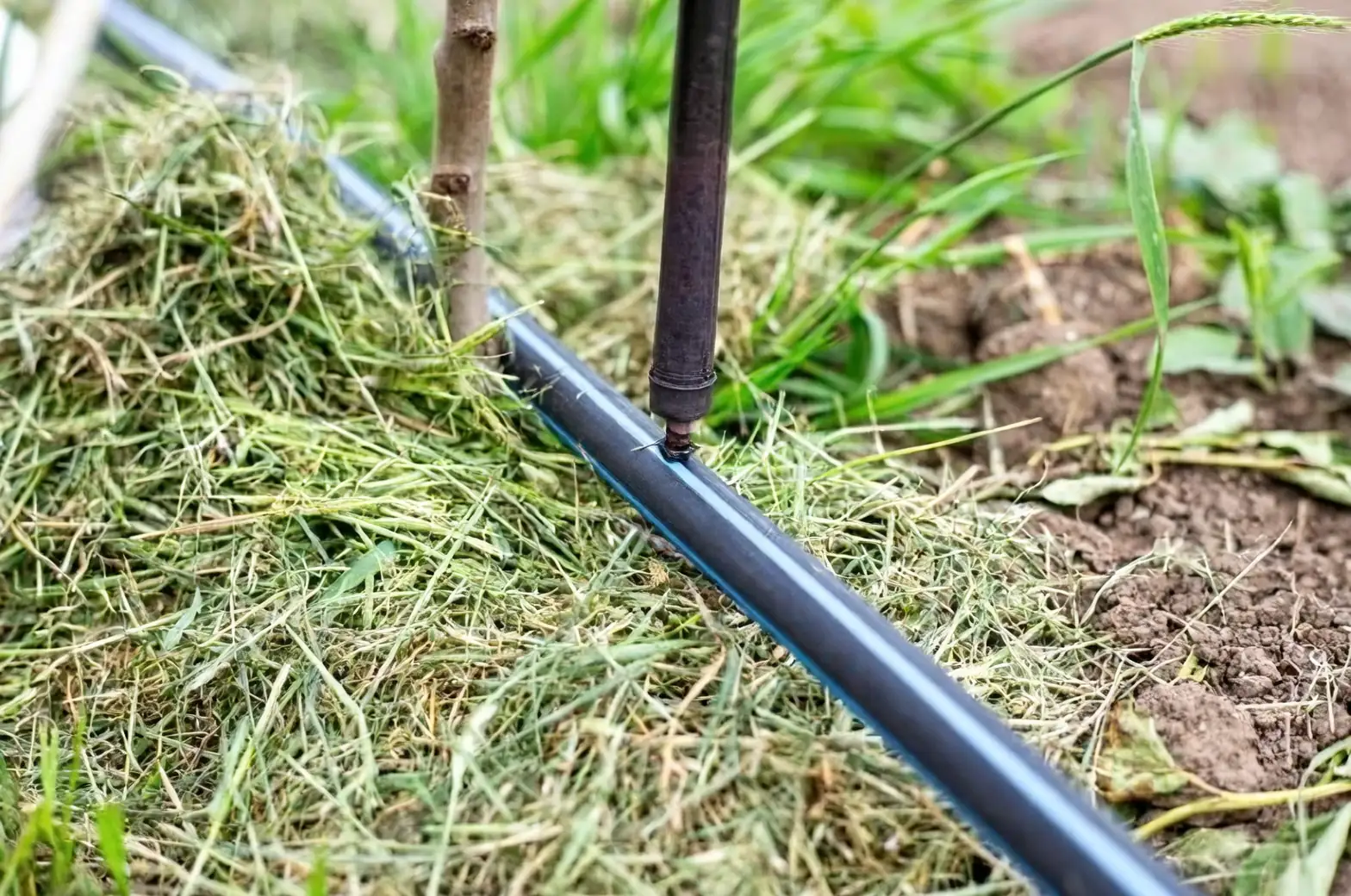
- Mind Your Watering: Avoid overwatering and opt for drip irrigation or soaker hoses, which keep foliage dry and reduce the risk of disease.
- Clean and Sanitize: Regularly clean tools and containers to avoid spreading bacteria. If you’re handling infected plants, wash your hands and tools before touching healthy ones.
- Monitor Storage Conditions: For crops like potatoes and onions, store them in cool, dry places to prevent rot during storage.
Treatment Options
If you find your plants already showing signs of soft rot, quick action can sometimes save the day:
- Remove Infected Parts: Carefully cut away and dispose of infected plant parts to stop the spread.
- Improve Air Circulation: Trim overcrowded foliage to enhance airflow, which can help dry out damp areas and slow bacterial growth.
- Adjust Watering Practices: Reduce watering frequency and amount, focusing on the plant base rather than the foliage.
While chemical treatments are available, they are not always effective against bacterial diseases and are best used as a last resort. Instead, focus on cultural practices to manage the problem.
Common Mistakes to Avoid
- Overwatering: It’s a common mistake that creates the perfect environment for bacteria to thrive. Remember, less is often more when it comes to watering.
- Ignoring Early Signs: Small, water-soaked spots can be easy to overlook. Regular checks can prevent a small problem from becoming a big one.
- Poor Hygiene: Failing to clean tools or leaving infected plant debris around can inadvertently spread bacteria.
By staying vigilant and practicing good garden hygiene, you can keep bacterial soft rot at bay and ensure your plants stay healthy and productive. Remember, a little prevention goes a long way in keeping your garden thriving!


